The Wild Sage logo
The Wild Sage Logo

Herbal Medicine at your fingertips

Comprehensive database of herbal remedies with detailed safety information and traditional uses

New to herbal terms? Read the glossary →
ADHD
Abcess
Acid Reflux Relief
Acinetobacter
Acne
Acne Vulgaris
Addisons
Adenomyosis
Adenovirus
Adrenal fatigue
Aging
Aids
Alcaligenes faecalis
Alcoholism
Allergic Rhinitis
Allergies
Allergy
Alopoecia
Alopoecia nervosa
Alzheimer's, Dementia & Cognitive Decline
420 herbs found
Important: This information is for educational purposes only. Always consult with qualified healthcare professionals before using herbal remedies, especially if you have existing health conditions or take medications.

Shiitake

Lentinula edodes

low risk Risk
Marasmiaceae
<p>Lentinula edodes, commonly known as Shiitake, is a wood-rotting edible fungus belonging to the Marasmiaceae family. It is characterised by its distinctive convex, dark brown cap, which often features white, veil-like remnants around the margin and cream-coloured gills that turn darker with age. Naturally found on the decaying logs of deciduous trees such as Shii (Castanopsis cuspidata) throughout East Asia, it is now widely cultivated across the globe on logs or sawdust blocks.</p><p>Historically, Shiitake has been revered in Traditional Chinese Medicine for centuries, where it was valued as a longevity tonic and a food to promote vital energy, or 'Qi'. It was traditionally used for supporting healthy immune function, clearing internal dampness, and improving general resistance to seasonal stressors. Beyond its therapeutic reputation, it has been a staple culinary ingredient throughout Asia for generations, prized for its deep umami flavour and dense, nutritive profile.</p><p>Modern research has focused heavily on the immunomodulatory properties of its polysaccharides, particularly beta-glucans like lentinan. These compounds are thought to support immune cells, including macrophages and natural killer cells, potentially enhancing the body's natural defences. Further studies explore its potential in supporting healthy cardiovascular function and lipid profiles, though human clinical trials of high quality remain limited. In contemporary herbal practice, it is often recommended as a functional food rather than a medicinal herb.</p><p>In practice, I prefer to use Shiitake primarily as a nutritive, immune-supportive food that can be easily integrated into a daily diet. It is an ideal tonic for those experiencing recurrent mild infections or those seeking a dietary adjunct to wellness protocols. While extracts are available, I find that culinary consumption provides the most holistic experience, offering both nutritive benefits and therapeutic support without the need for concentrated supplementation.</p>

Uses & Conditions

Immune Support
Cardiovascular Support
Nutritional Supplementation
Immune Deficiency
Fungal Infections
Candida
Chemotherapy Support
Hypercholesterolaemia
AIDS

Actions

Immunomodulator
Hypolipidaemic
Anti-platelet
Hypoglycaemic
Antihypertensive

Synonyms

Lentinula edodes
Shittake
Lentinus edodes

Parts Used

Fruiting body

Contraindications

  • Pregnancy and breastfeeding unless under professional supervision
  • Known allergy or hypersensitivity to mushrooms
  • Discontinue two weeks prior to elective surgery
  • Autoimmune conditions where immune stimulation is inappropriate
  • History of Shiitake dermatitis

Potential Side Effects

  • Shiitake dermatitis (pruritic
  • flagellate rash)
  • Mild gastrointestinal upset including bloating or loose stools
  • Mild blood sugar reduction

Interactions

  • Anticoagulants and antiplatelet agents: theoretical increased risk of bleeding
  • Immunosuppressants: may interfere with medication intended to suppress the immune system
  • Diabetes medication: potential for additive hypoglycaemic effects
  • Antihypertensive medication: potential for additive blood pressure lowering effects

Dosages, tincture ratios & research — members only

Unlock Garreth's dosing guidance, tincture ratios, the dosage calculator and the research studies for Shiitake.

Your assessment and results stay saved — upgrading only unlocks more of them.

See membership plans

Community Photos

No community photos yet. Sign in to upload photos.

Reviews & Ratings

Sign in to leave a review.

No reviews yet. Be the first!

GF

Garreth Falls — B.Th., Dip. H.M., MNIMH

Content curated and reviewed by Garreth Falls, Consultant Medical Herbalist · The Wild Sage

Medical Disclaimer: This information is for educational purposes only and is not intended as medical advice. Always consult with qualified healthcare professionals before starting any herbal treatment.
Chinese tradition

Sustainability & quality

Abundant

Extensively cultivated on hardwood logs or sawdust substrates; no concerns regarding wild overharvesting.

Key constituents

Beta-glucans (specifically Lentinan), Eritadenine, Lentinic acid, Vitamin D precursors (ergosterol), B-vitamins, Amino acids, Phenolic compounds

References

  1. Bensky "Chinese Herbal Medicine: Materia Medica" 3rd ed. 2004
  2. Herbal Reality. Herb monographs. herbalreality.com

Reviewed by Garreth, Medical Herbalist (MNIMH) · November 2026

Related conditions

Explore conditions where Shiitake is traditionally used.

Related Herbs
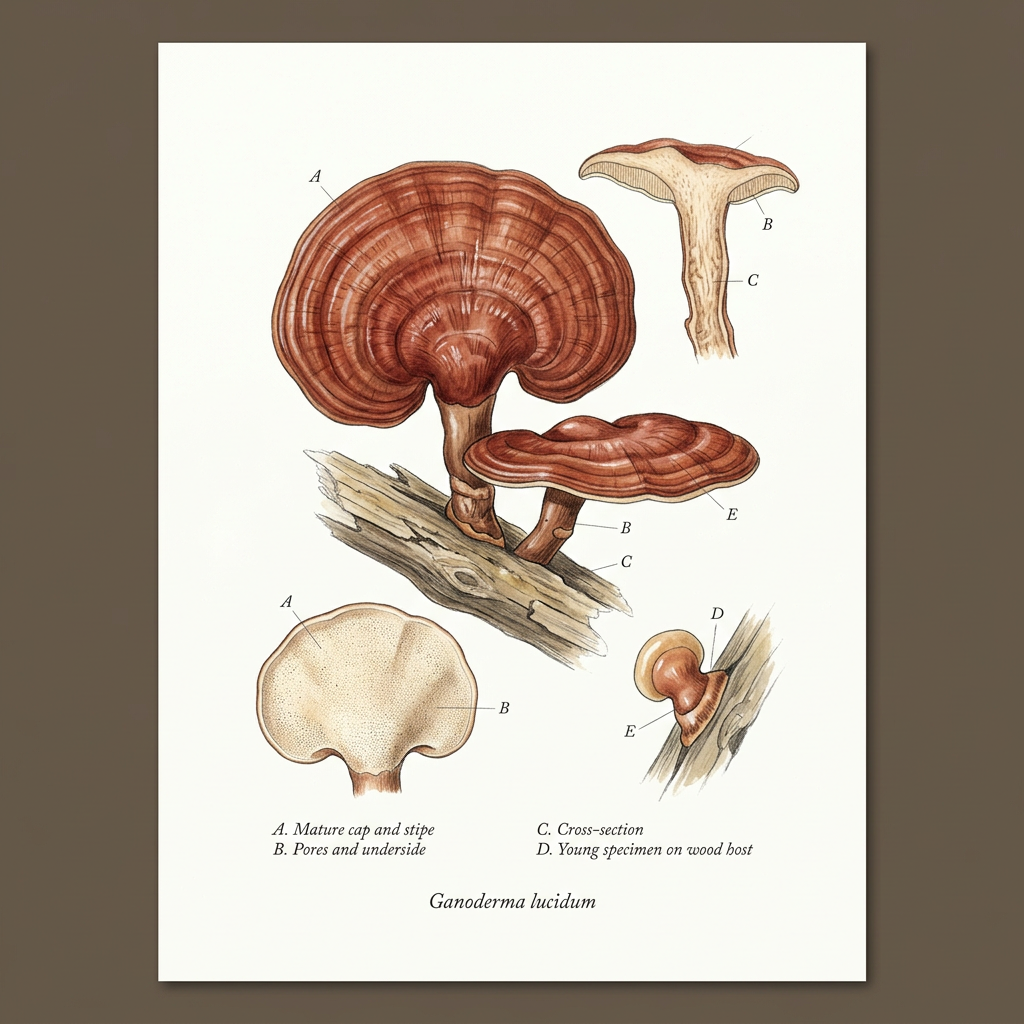
Reishi

Reishi

Ganoderma lucidum

Immune Support
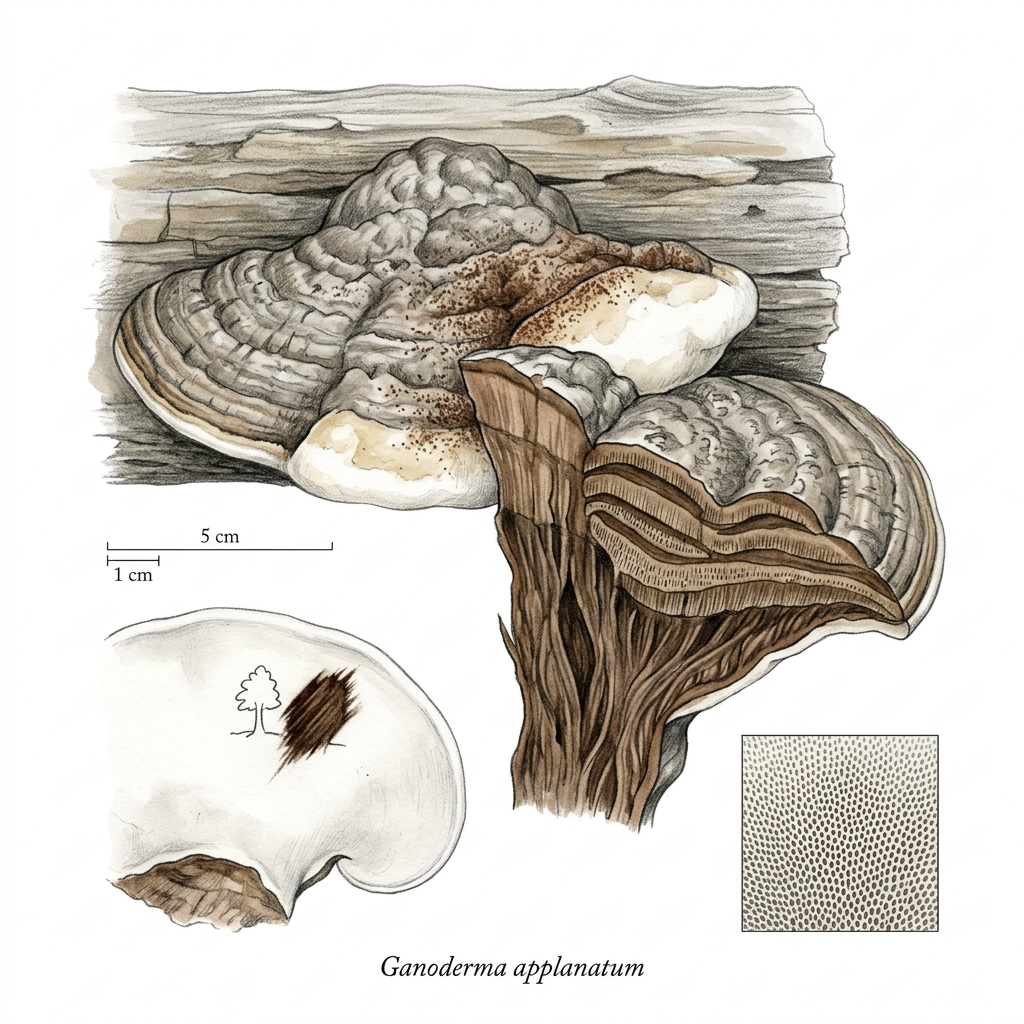
Artist's Conk

Artist's Conk

Ganoderma applanatum

Immune Support
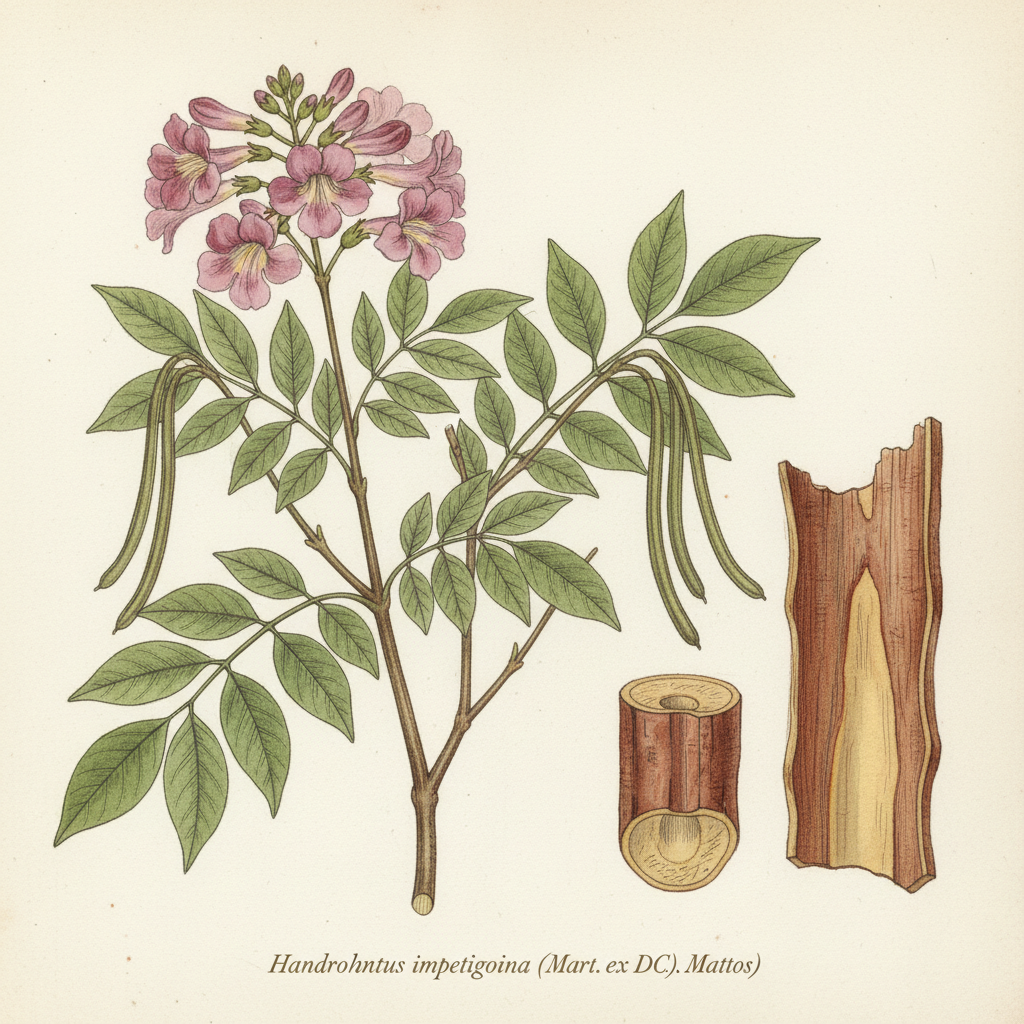
Pau D'Arco

Pau D'Arco

Handroanthus impetiginosa

Immune Support
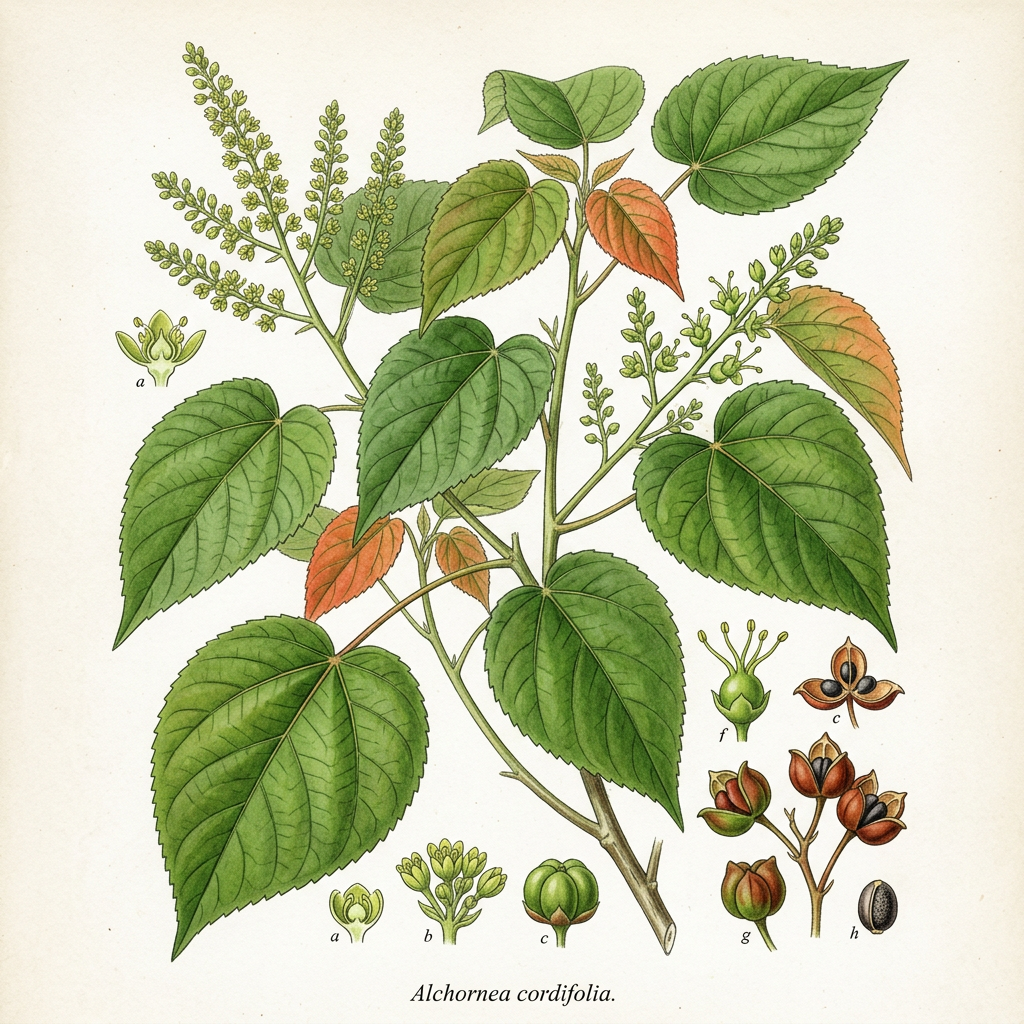
Christmas Bush

Christmas Bush

Alchornea cordifolia

Cardiovascular Support