The Wild Sage logo
The Wild Sage Logo

Herbal Medicine at your fingertips

Comprehensive database of herbal remedies with detailed safety information and traditional uses

New to herbal terms? Read the glossary →
ADHD
Abcess
Acid Reflux Relief
Acinetobacter
Acne
Acne Vulgaris
Addisons
Adenomyosis
Adenovirus
Adrenal fatigue
Aging
Aids
Alcaligenes faecalis
Alcoholism
Allergic Rhinitis
Allergies
Allergy
Alopoecia
Alopoecia nervosa
Alzheimer's, Dementia & Cognitive Decline
420 herbs found
Important: This information is for educational purposes only. Always consult with qualified healthcare professionals before using herbal remedies, especially if you have existing health conditions or take medications.
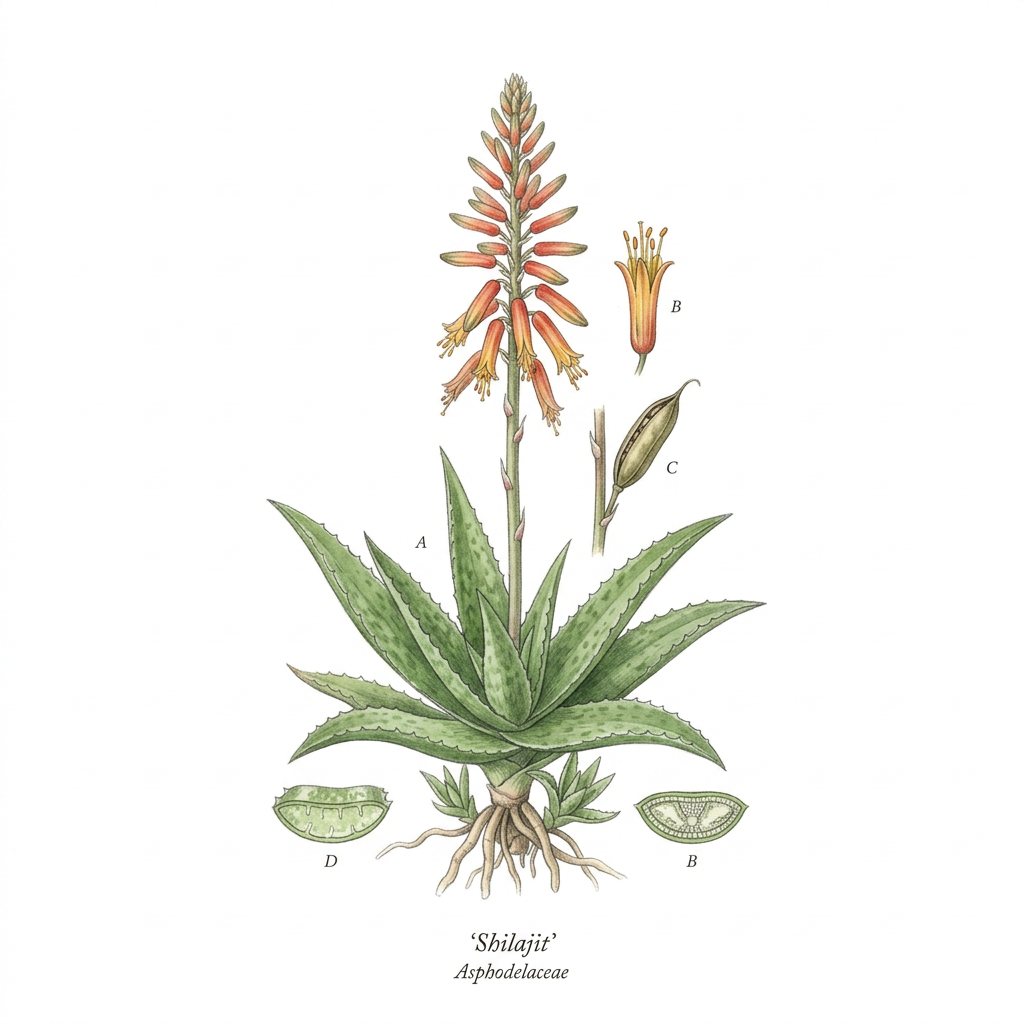
Shilajit

Shilajit

Shilajit

low risk Risk
Asphodelaceae
<p>Shilajit is a viscous, resinous substance predominantly found exuding from rocks in the high-altitude regions of the Himalayas, Altai, and Caucasus mountains. It is a complex mixture of decomposed plant matter, microbial metabolites, and mineral humic substances, formed over centuries by the compression of organic material. Its composition is dominated by fulvic and humic acids, which provide its characteristic dark, pungent, and tar-like appearance, requiring careful purification to ensure safety from heavy metal contaminants.</p><p>Historically, Shilajit has been a cornerstone of Ayurvedic medicine, revered as a 'Rasayana' or rejuvenating tonic. Traditionally used for vitality, general debility, and to support metabolic function, it has been described in ancient texts as a carrier that enhances the absorption of other herbs. It has long been valued for its purported ability to improve physical endurance and support systemic resilience during periods of stress or convalescence.</p><p>Modern research into Shilajit is still emerging, with clinical focus directed toward its antioxidant and anti-inflammatory properties, largely attributed to the presence of fulvic acid. Some studies explore its potential in supporting mitochondrial function and cognitive health, though high-quality human trials remain limited. In a contemporary herbal practice, it is primarily employed as an adaptogenic mineral supplement to support energy levels and recovery, though practitioners must be highly discerning regarding the provenance and purity of the material used.</p>

Uses & Conditions

Energy Enhancement
Cognitive Function Support
Aging Support
Stress Reduction
Fatigue Improvement
Endurance Enhancement
Hormonal Balance
Detoxification
Digestive Health
Respiratory Support
Skin Health
Metabolic Support
Pain Relief
Cardiovascular Health
Inflammation
Hypercholesterolaemia
Bacterial Infections
Joint Pain
Cardiac Failure
Anaemia

Actions

Anti-inflammatory
TNF-a Inhibitor
NFkB Inhibitor
Hypocholesterolaemic
Neuroprotective
Anti-bacterial

Parts Used

Exudate (purified mineral-rich resin)

Native Countries

India
Nepal
Tibet
Russia
Georgia

USDA Hardiness Zones

10
11

Contraindications

  • Pregnancy and breastfeeding due to insufficient safety data
  • Haemochromatosis or iron overload conditions due to high mineral content
  • Active gout or high uric acid levels
  • History of kidney stones
  • Children under the age of 18

Potential Side Effects

  • Mild gastrointestinal upset or abdominal discomfort
  • Allergic skin reactions if applied topically
  • Potential for increased uric acid levels in susceptible individuals

Interactions

  • Immunosuppressants: potential to stimulate immune activity may antagonise effects
  • Anticoagulants and antiplatelets: theoretical risk of increased bleeding due to potential blood-thinning properties
  • Thyroid hormone medications: may influence thyroxine levels, requiring monitoring

Dosages, tincture ratios & research — members only

Unlock Garreth's dosing guidance, tincture ratios, the dosage calculator and the research studies for Shilajit.

Your assessment and results stay saved — upgrading only unlocks more of them.

See membership plans

Community Photos

No community photos yet. Sign in to upload photos.

Reviews & Ratings

Sign in to leave a review.

No reviews yet. Be the first!

GF

Garreth Falls — B.Th., Dip. H.M., MNIMH

Content curated and reviewed by Garreth Falls, Consultant Medical Herbalist · The Wild Sage

Medical Disclaimer: This information is for educational purposes only and is not intended as medical advice. Always consult with qualified healthcare professionals before starting any herbal treatment.
Ayurvedic tradition

Sustainability & quality

At risk

High risk of environmental degradation during collection; source only from verified ethical processors.

Key constituents

Fulvic acid, Humic acid, Minerals (including iron, zinc, magnesium), Dibenzo alpha pyrones, Amino acids, Vitamins (B vitamins, vitamin C)

References

  1. Pole "Ayurvedic Medicine" 2006
  2. Herbal Reality. Herb monographs. herbalreality.com

Reviewed by Garreth, Medical Herbalist (MNIMH) · November 2026

Related conditions

Explore conditions where Shilajit is traditionally used.

Related Herbs
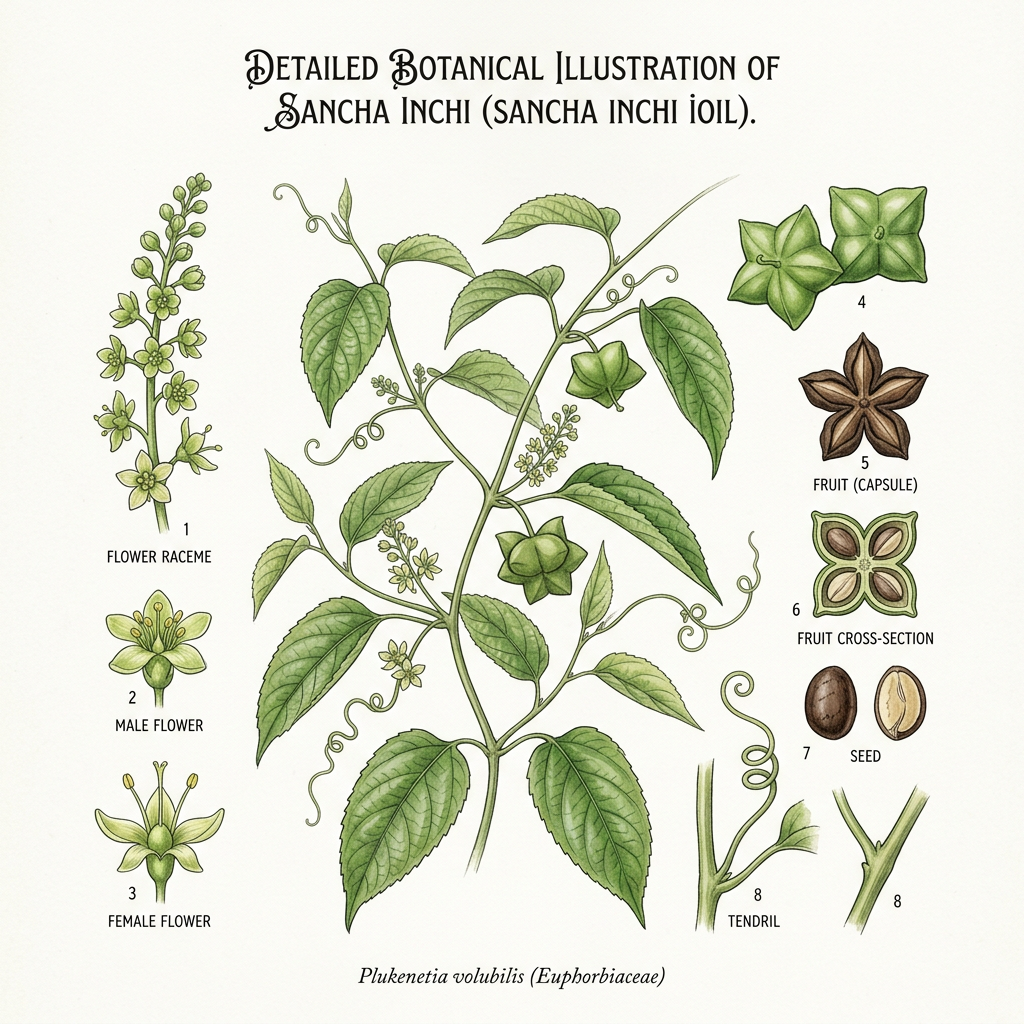
Sancha Inchi iOIl

Sancha Inchi iOIl
Sancha Inchi iOIl

Nutritional Supplementation
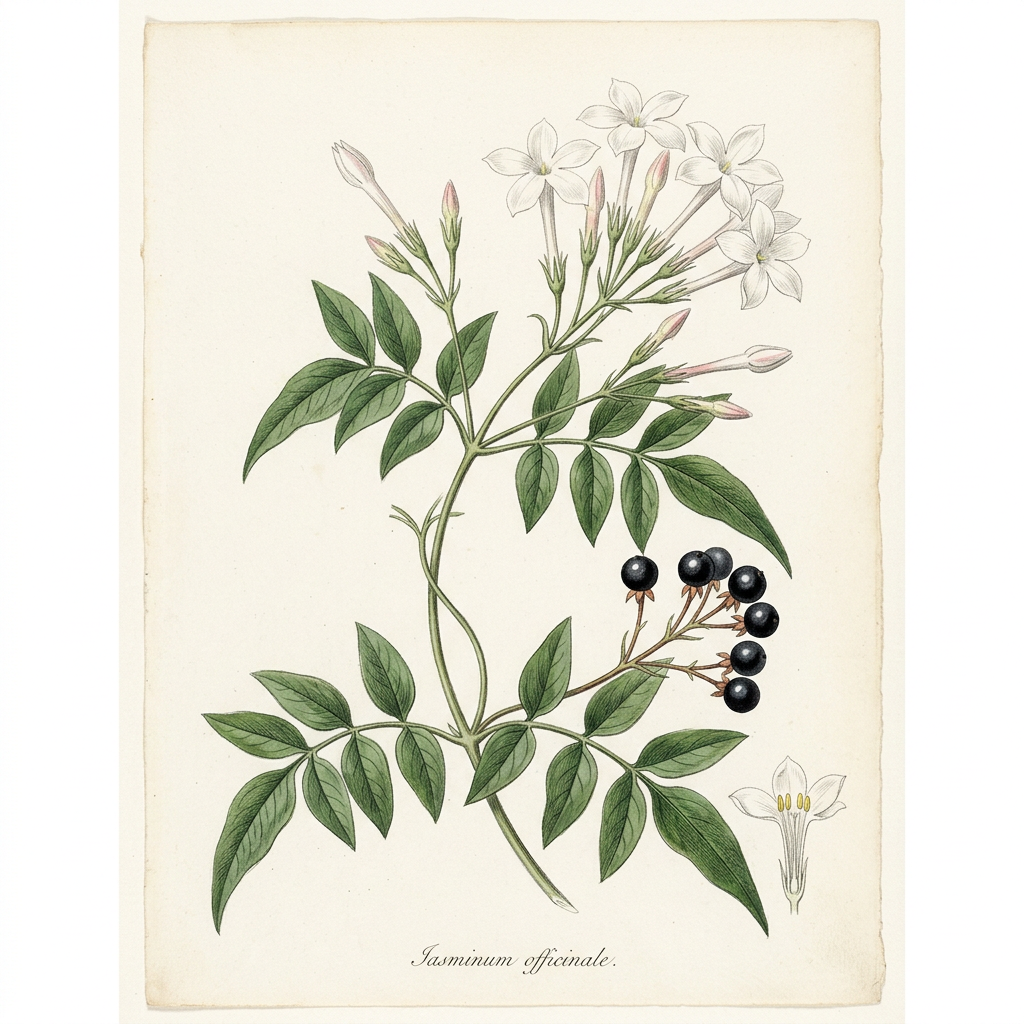
Jasmine

Jasmine

Jasminum spp.

Anxiety
Bay rum

Bay rum

Pimenta racemosa

Appetite stimulation
Filipendula ulmaria

Filipendula ulmaria

Filipendula ulmaria

Immune Support