

Herbal Medicine at your fingertips
Comprehensive database of herbal remedies with detailed safety information and traditional uses
New to herbal terms? Read the glossary →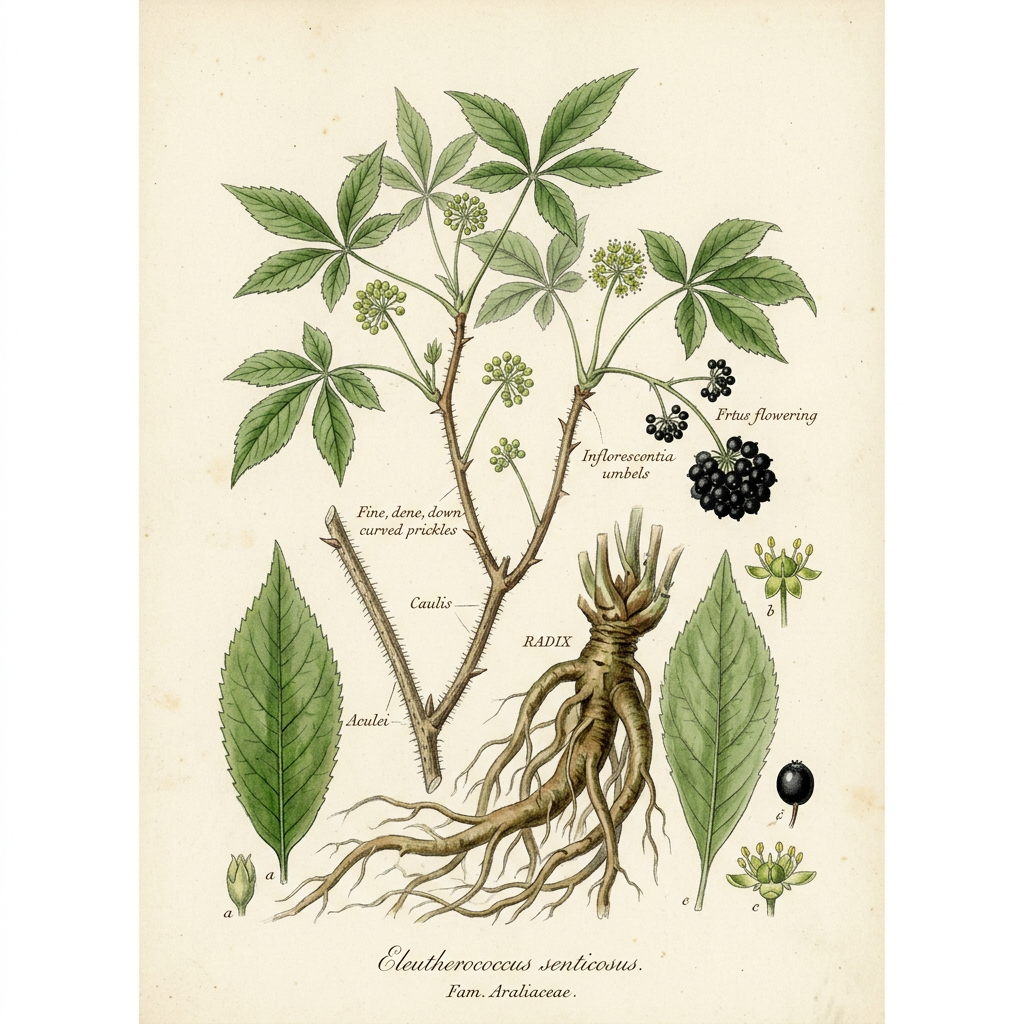
SIberian ginseng
Eleutherococcus senticosus
Uses & Conditions
Actions
Parts Used
Native Countries
USDA Hardiness Zones
Contraindications
- Use caution in patients with epilepsy due to potential neurological overstimulation
- Use caution in patients with hypertension
- Seek professional medical advice if suffering from sleep apnoea or narcolepsy
- Seek professional medical advice if suffering from heart disease or mental illness
- Avoid fluid extracts if taking digoxin or barbiturates
Potential Side Effects
- Irritability
- Confusion
- Insomnia
- Anxiety
- Allergic reactions
Interactions
- Digoxin: may interfere with serum level monitoring or enhance cardiac effects
- Antidiabetic medications: may potentiate hypoglycaemic effects
- Barbiturates or sedatives: potential for altered metabolism or duration of action
- Anticoagulant or antiplatelet drugs: theoretical risk of altered clotting parameters
- Immunosuppressants: potential for conflicting clinical outcomes
Dosages, tincture ratios & research — members only
Unlock Garreth's dosing guidance, tincture ratios, the dosage calculator and the research studies for SIberian ginseng.
Your assessment and results stay saved — upgrading only unlocks more of them.
See membership plansCommunity Photos
No community photos yet. Sign in to upload photos.
Reviews & Ratings
Sign in to leave a review.
No reviews yet. Be the first!
Garreth Falls — B.Th., Dip. H.M., MNIMH
Content curated and reviewed by Garreth Falls, Consultant Medical Herbalist · The Wild Sage
Sustainability & quality
CultivatedPrefer cultivated sources to avoid misidentification with other Eleutherococcus species.
Key constituents
Anti-inflammatory, Cognitive enhancers, Coumarin (odema modifyer), flavonoids, Lignans, Triterpenes, eleutherocides, senticosides, Polysaccharides, pes A, Pes B, alpha maltose, Beta-carotene, beta maltose, Beta sitosterol, betulinic acid, Caffeic acid, caffeic acid ethyl ester, coniferyl aldehyde, copper, coumarin-x, d-galactose, d-glucose, caucosterin, eleutherans
References
- Bone & Mills "Principles and Practice of Phytotherapy" 2nd ed. 2013
- ESCOP Monographs 2nd ed. 2003
- Bensky "Chinese Herbal Medicine: Materia Medica" 3rd ed. 2004
- Herbal Reality. Herb monographs. herbalreality.com
Reviewed by Garreth, Medical Herbalist (MNIMH) · November 2026
Related conditions
Explore conditions where SIberian ginseng is traditionally used.
Related Herbs
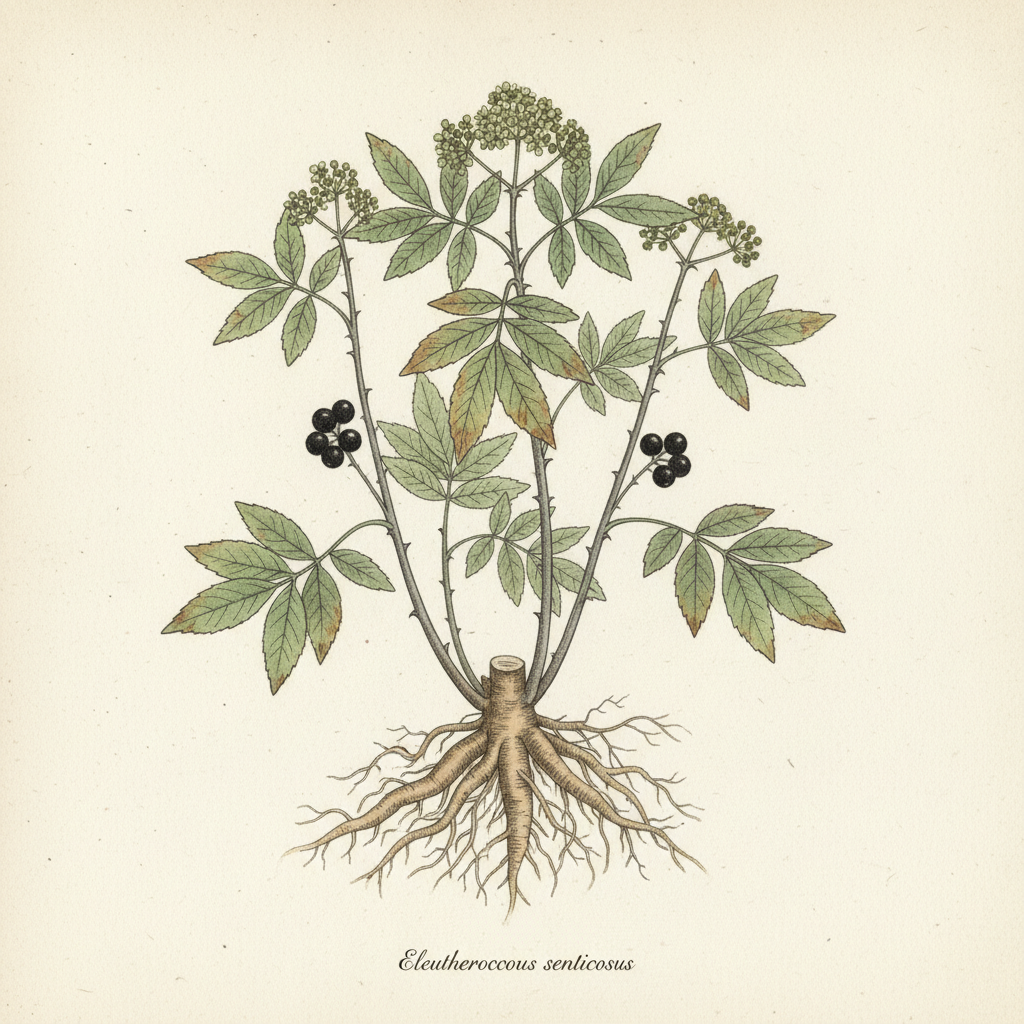
Siberian Ginseng
Eleutherococcus senticosus

Ginseng
Panax ginseng
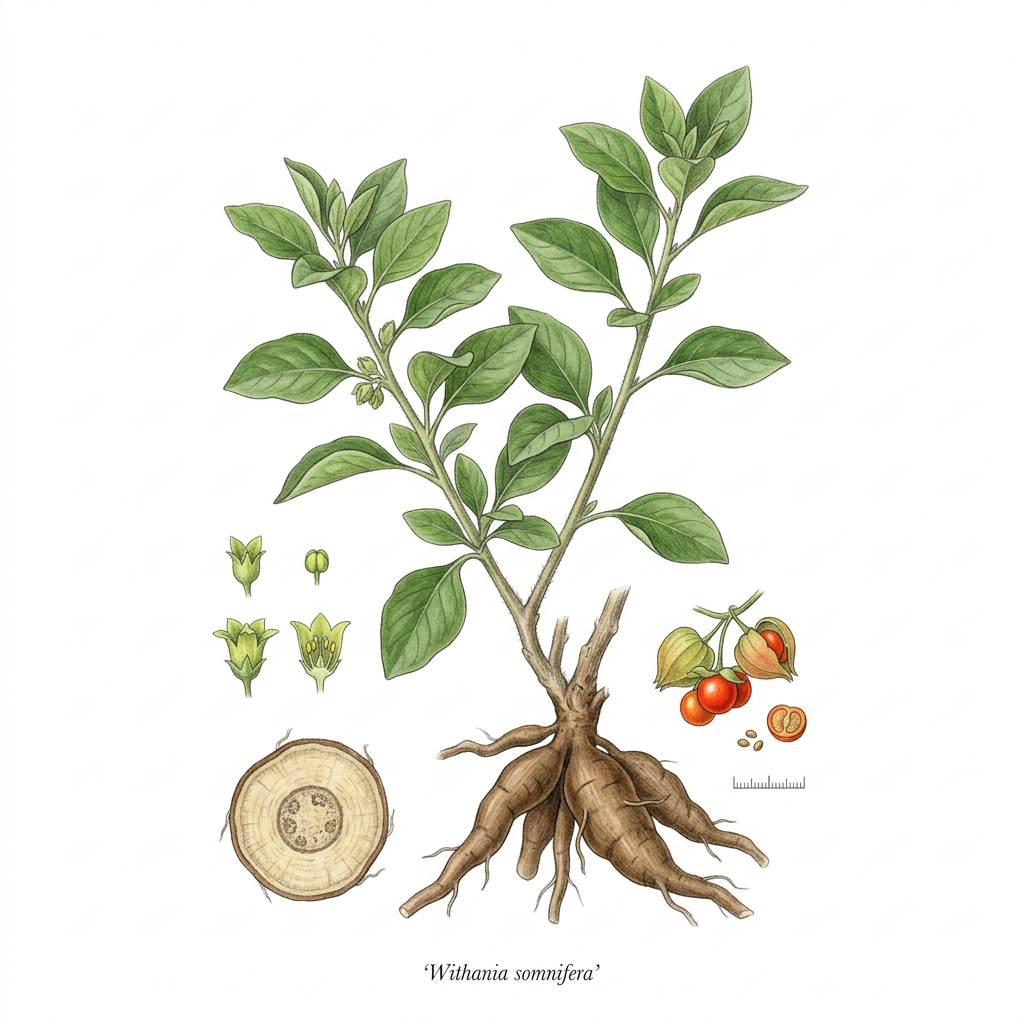
Ashwagandha
Withania somnifera
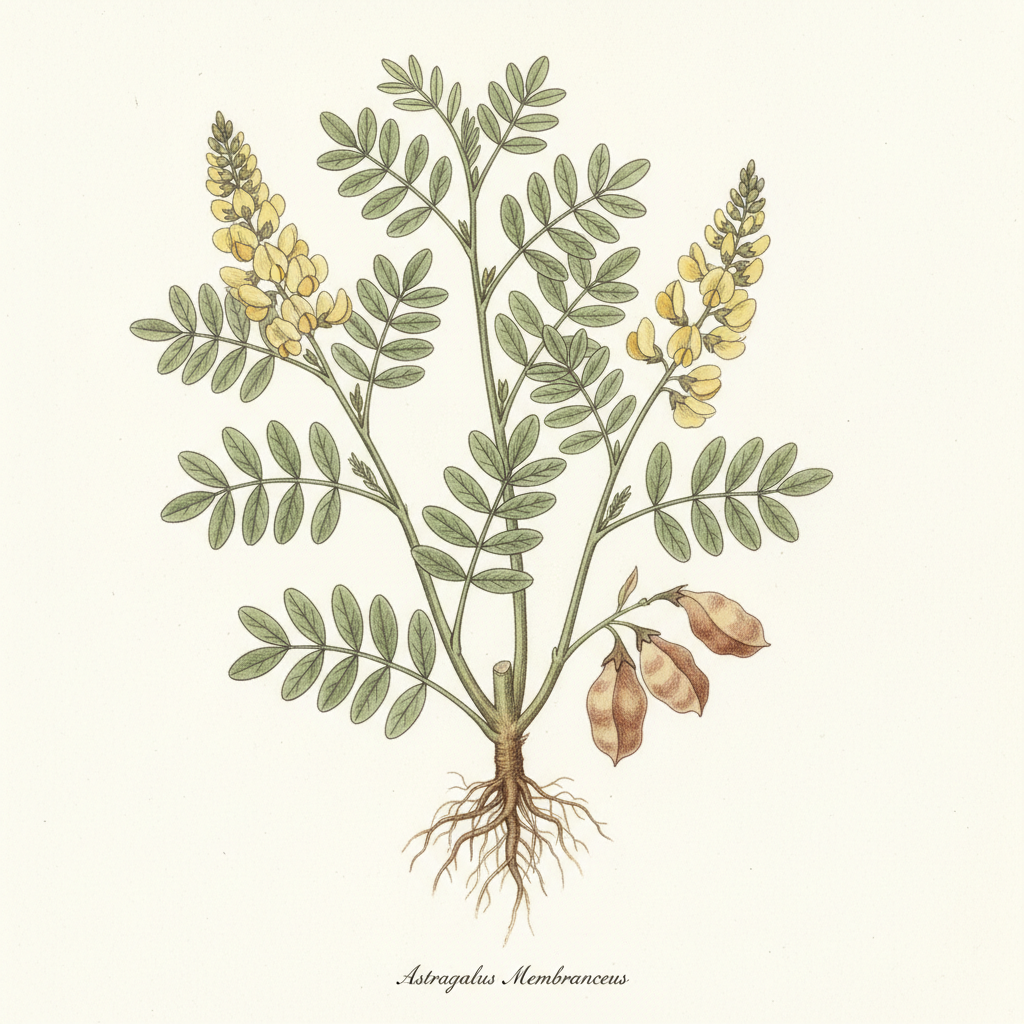
Huang qi
Astragalus membranaceus