The Wild Sage logo
The Wild Sage Logo

Herbal Medicine at your fingertips

Comprehensive database of herbal remedies with detailed safety information and traditional uses

New to herbal terms? Read the glossary →
ADHD
Abcess
Acid Reflux Relief
Acinetobacter
Acne
Acne Vulgaris
Addisons
Adenomyosis
Adenovirus
Adrenal fatigue
Aging
Aids
Alcaligenes faecalis
Alcoholism
Allergic Rhinitis
Allergies
Allergy
Alopoecia
Alopoecia nervosa
Alzheimer's, Dementia & Cognitive Decline
420 herbs found
Important: This information is for educational purposes only. Always consult with qualified healthcare professionals before using herbal remedies, especially if you have existing health conditions or take medications.
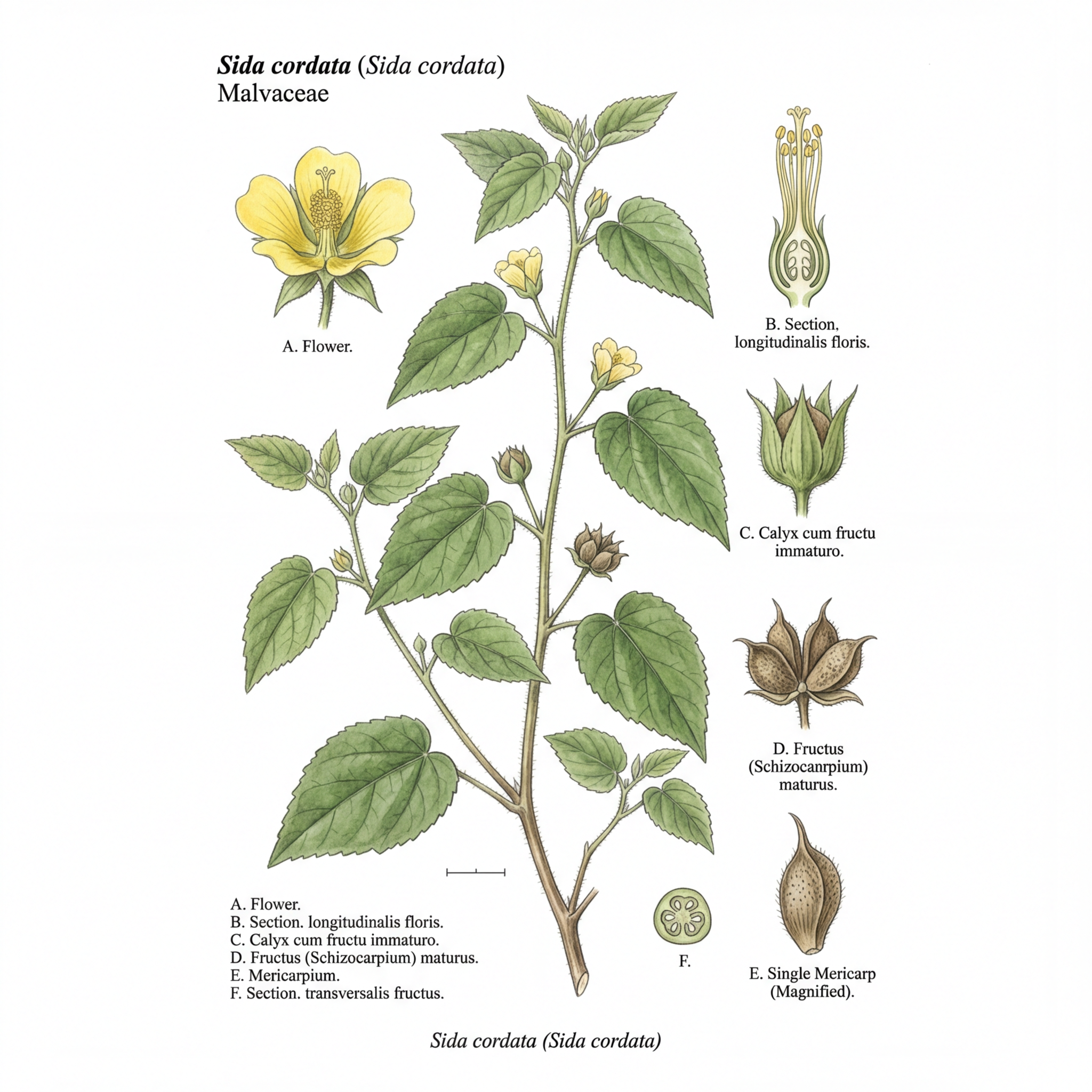
Sida cordata

Sida cordata

Sida cordata

low risk Risk
Malvaceae
Mildly warming and moistening, promoting circulation and immune response.
<p>Sida cordata, commonly known as "Malva," is a perennial herbaceous plant belonging to the Malvaceae family. This herb finds its roots predominantly in tropical and subtropical regions, where it has been utilized in traditional herbal medicine for centuries. Historically, Sida cordata has been employed by various cultures for its diverse therapeutic properties, making it a significant component of indigenous healing practices. Its use is particularly prevalent in traditional African medicine, where it is revered for its contributions to the treatment of a range of ailments, including respiratory and digestive issues. Sida cordata is known for its impressive array of therapeutic properties, primarily attributed to its active constituents, such as flavonoids, tannins, and alkaloids. The herb is particularly noted for its immune-supportive actions, which may enhance the body's natural defenses against pathogens. Additionally, it exhibits anti-inflammatory and antioxidant properties, making it a valuable ally in promoting overall health and well-being. The diverse applications of Sida cordata also extend to the management of symptoms related to respiratory conditions, digestive disorders, and skin ailments, underlining its versatility as a therapeutic agent. At the physiological level, the efficacy of Sida cordata can be attributed to its ability to modulate immune responses and reduce oxidative stress. The flavonoids present in the herb play a crucial role in scavenging free radicals, thereby protecting cells from damage and supporting cellular integrity. Furthermore, Sida cordata has been found to stimulate the production of immune cells, enhancing the body's ability to respond to infections. By promoting not only immune health but also general vitality, Sida cordata embodies a holistic approach to wellness that resonates with the principles of traditional herbal medicine. Whether consumed in teas, extracts, or topical applications, this remarkable herb continues to captivate the interest of both practitioners and patients alike, reinforcing its standing as a powerful natural remedy.</p>

Uses & Conditions

Immune Support
Anaemia
Aspergillus
Babesia
Bacillus
Bacterial infections
Campylobacter jejuni
Dysentery
E. coli
Eczema
Enterococcus
Eye infections
Herpes simplex virus (Cold sores)
Lyme disease
Malaria
Rhinitis
Staphylococcus infections
Ulcerative colitis

Actions

Anti-bacterial
Anti-inflammatory
NFkB inhibitor
TNF-a reduction

Parts Used

Aerial parts

Native Countries

Asia
Tropical africa and Southern Europe

USDA Hardiness Zones

USDA 10-12

Contraindications

  • Pregnancy: avoid due to insufficient safety data regarding potential uterine stimulant effects
  • Breastfeeding: not recommended due to lack of clinical studies on safety for the infant
  • Autoimmune disorders: monitor closely as the herb may stimulate immune response
  • Pre-surgery: cease use at least two weeks before elective procedures due to potential blood-thinning effects
  • Known allergy to the Malvaceae plant family

Potential Side Effects

  • Mild gastrointestinal distress or nausea if taken on an empty stomach
  • Skin irritation or contact dermatitis in hypersensitive individuals
  • Dizziness or lightheadedness

Interactions

  • Immunosuppressants: potential to interfere with the efficacy of medication by stimulating immune activity
  • Anticoagulant and antiplatelet drugs: exercise caution with warfarin or aspirin
  • Antidiabetic medication: theoretical possibility of additive effects on blood glucose levels
  • General: use caution with concurrent prescription medication

Dosages, tincture ratios & research — members only

Unlock Garreth's dosing guidance, tincture ratios, the dosage calculator and the research studies for Sida cordata.

Your assessment and results stay saved — upgrading only unlocks more of them.

See membership plans

Community Photos

No community photos yet. Sign in to upload photos.

Reviews & Ratings

Sign in to leave a review.

No reviews yet. Be the first!

GF

Garreth Falls — B.Th., Dip. H.M., MNIMH

Content curated and reviewed by Garreth Falls, Consultant Medical Herbalist · The Wild Sage

Medical Disclaimer: This information is for educational purposes only and is not intended as medical advice. Always consult with qualified healthcare professionals before starting any herbal treatment.
Ayurvedic tradition

Sustainability & quality

Abundant

Common plant in tropical regions; ensure clean, non-contaminated supply.

Key constituents

Antioxidant, Anti-inflammatory, Scopeletin, Triptamine alkaloids

References

  1. Pole "Ayurvedic Medicine" 2006
  2. Herbal Reality. Herb monographs. herbalreality.com

Reviewed by Garreth, Medical Herbalist (MNIMH) · November 2026

Related conditions

Explore conditions where Sida cordata is traditionally used.

Related Herbs
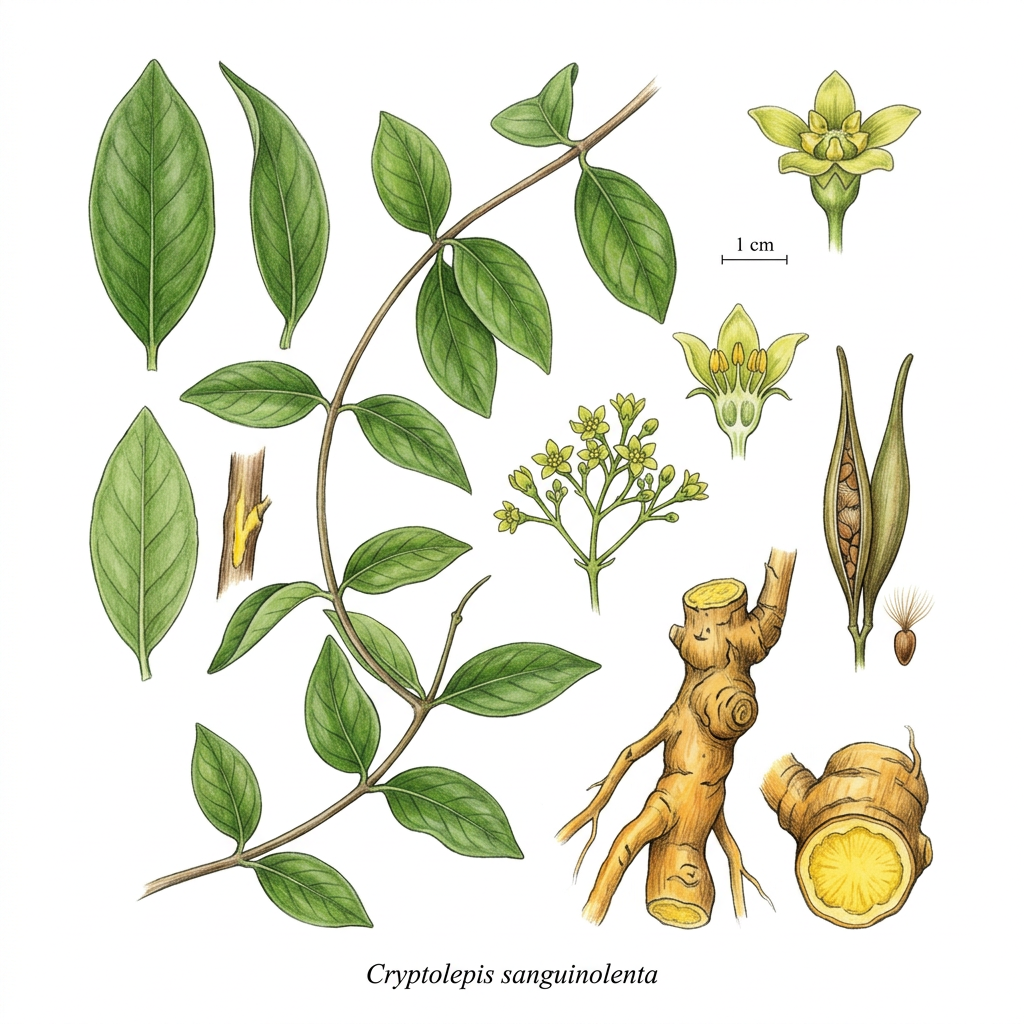
Cryptolepis

Cryptolepis

Cryptolepis sanguinolenta
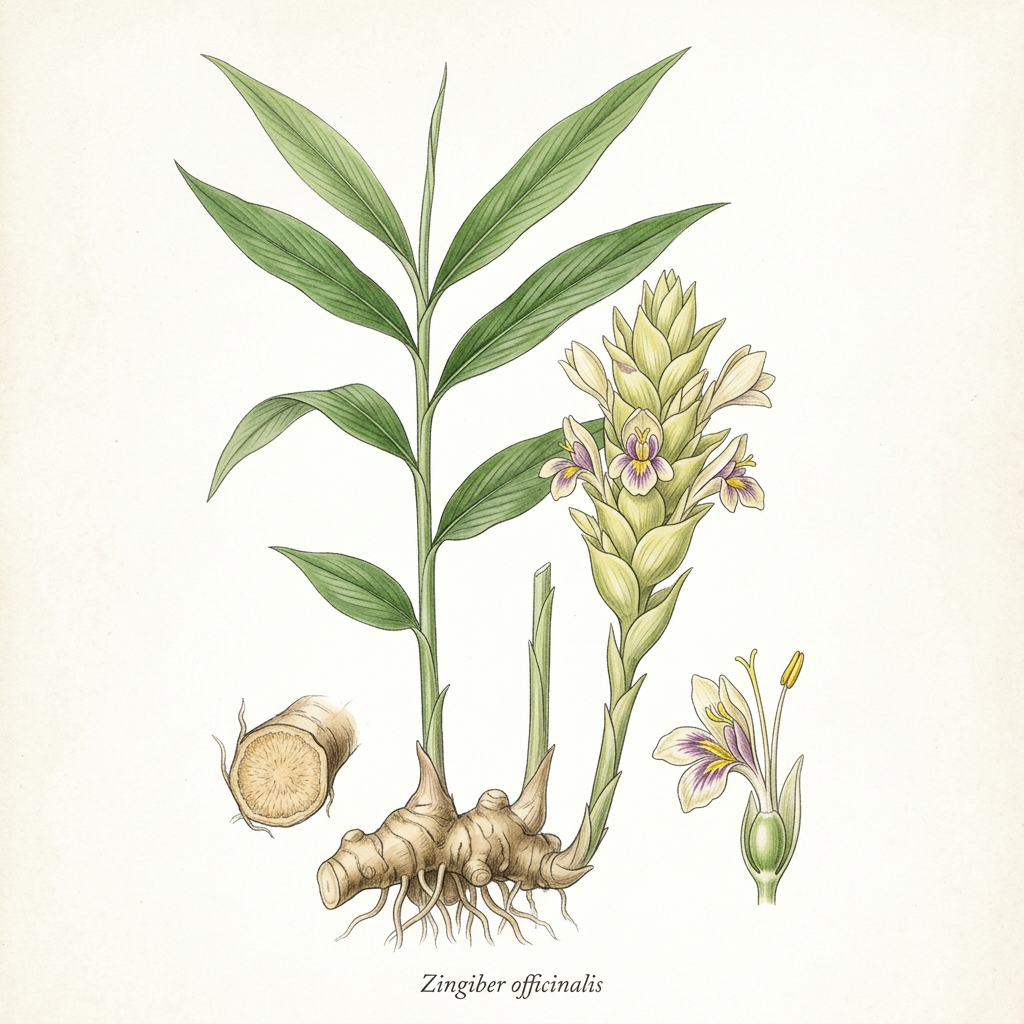
Immunomodulatory Support
Zingiber officinalis

Zingiber officinalis

Zingiber officinale
Warming
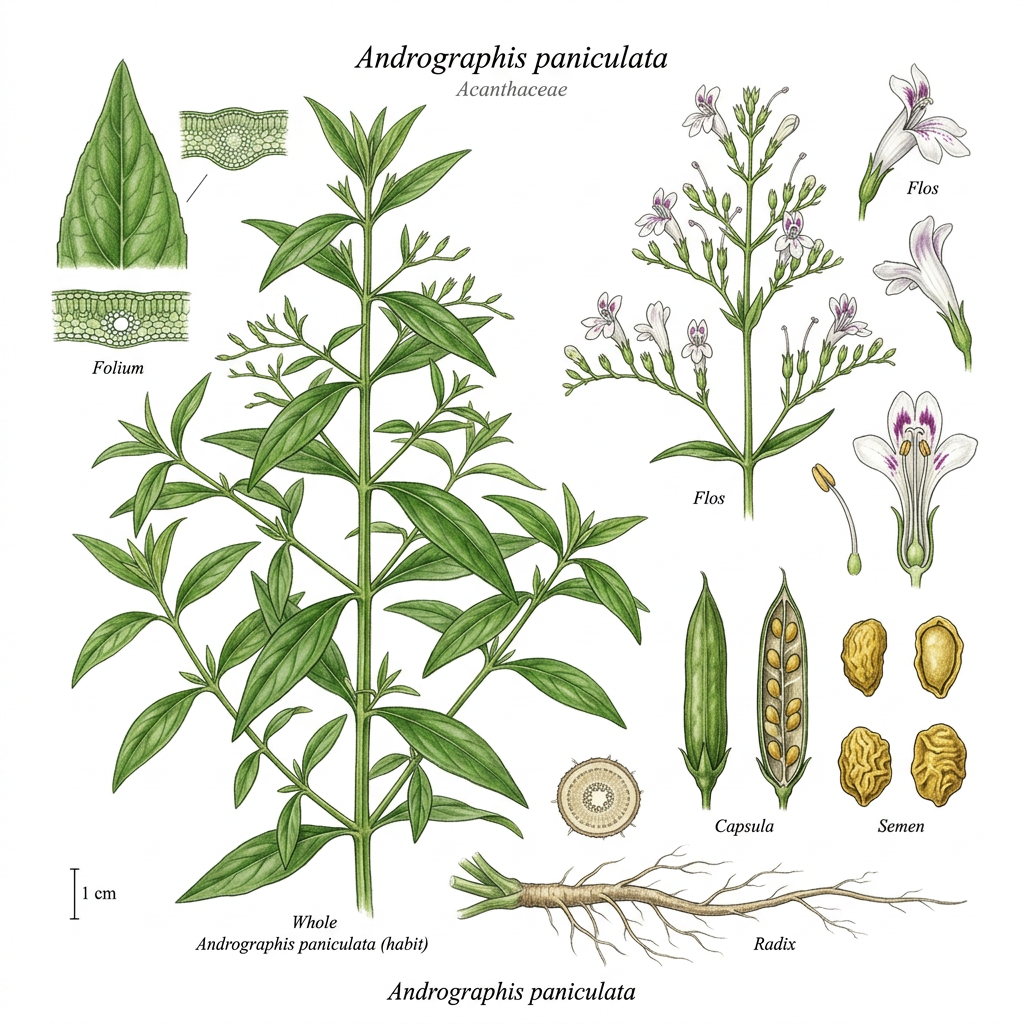
Andrographis

Andrographis

Andrographis paniculata

Immune Support
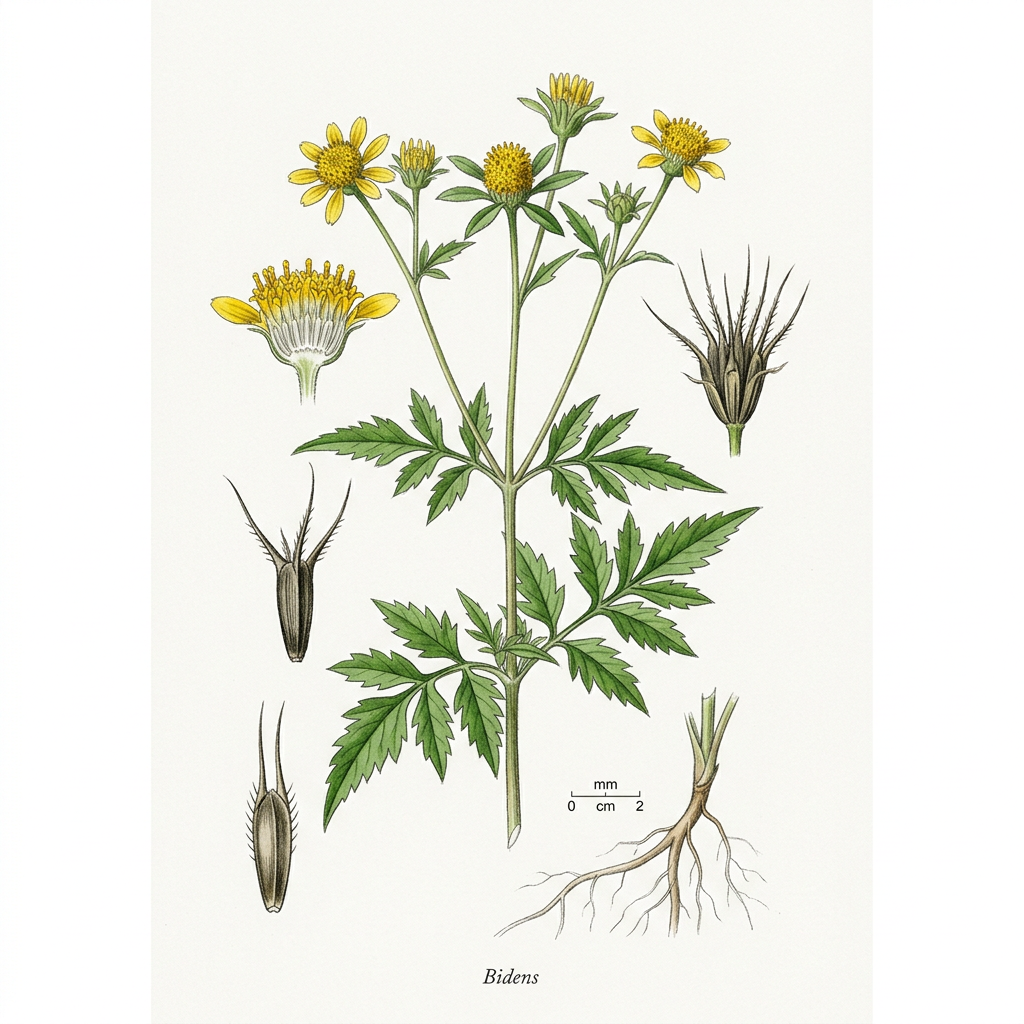
Bidens

Bidens

Bidens pilosa

Systemic Infection Support