The Wild Sage logo
The Wild Sage Logo

Herbal Medicine at your fingertips

Comprehensive database of herbal remedies with detailed safety information and traditional uses

New to herbal terms? Read the glossary →
ADHD
Abcess
Acid Reflux Relief
Acinetobacter
Acne
Acne Vulgaris
Addisons
Adenomyosis
Adenovirus
Adrenal fatigue
Aging
Aids
Alcaligenes faecalis
Alcoholism
Allergic Rhinitis
Allergies
Allergy
Alopoecia
Alopoecia nervosa
Alzheimer's, Dementia & Cognitive Decline
420 herbs found
Important: This information is for educational purposes only. Always consult with qualified healthcare professionals before using herbal remedies, especially if you have existing health conditions or take medications.
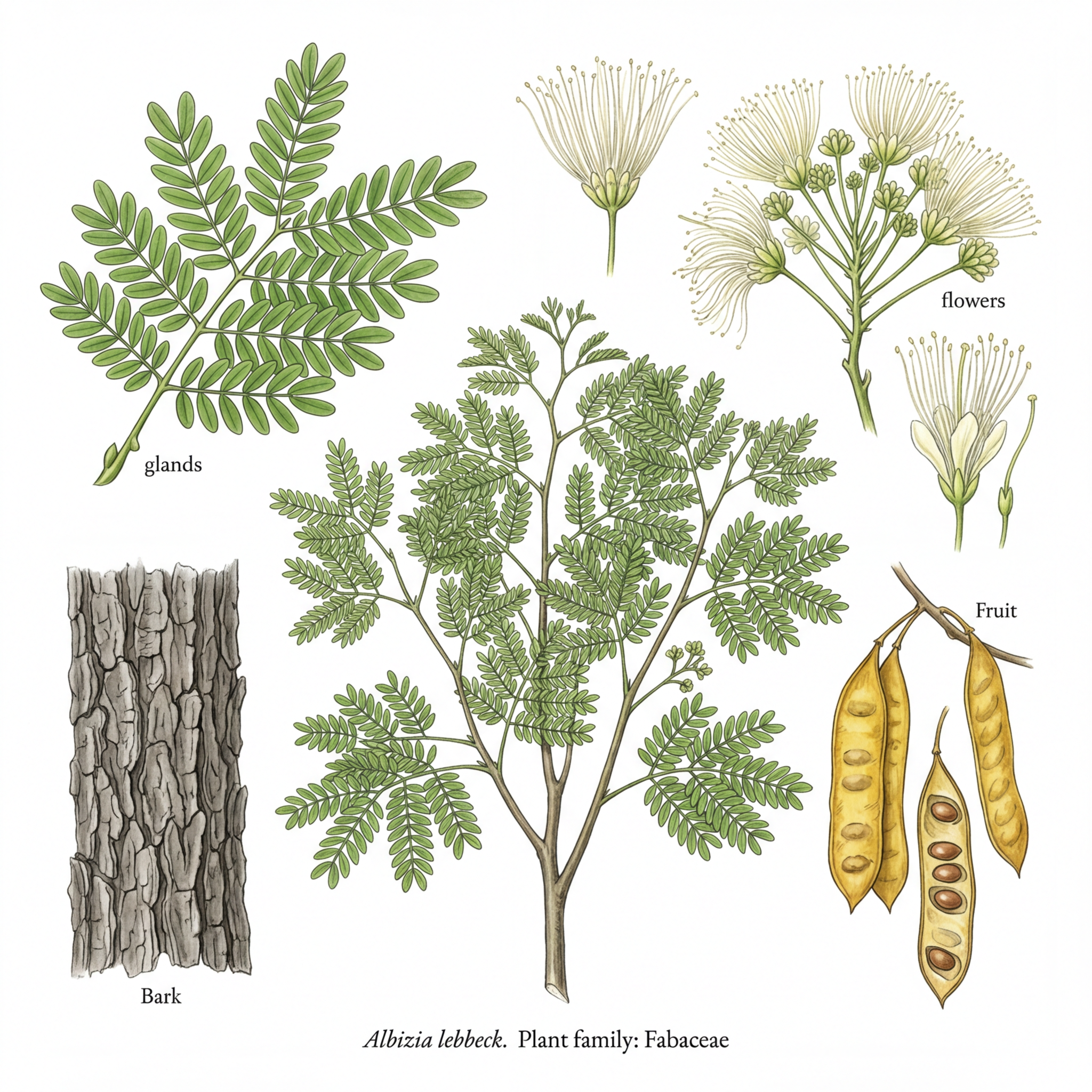
Siris Tree

Siris Tree

Albizia lebbeck

low risk Risk
Fabaceae
Known for its calming and uplifting properties, often used to support emotional well-being and reduce stress. Used for grief
<p>The Siris Tree, scientifically known as *Albizia lebbeck*, is a notable member of the legume family (Fabaceae) and has been revered for centuries in various traditional medicinal systems, particularly within Ayurveda. Indigenous to tropical and subtropical regions of Africa, Asia, and Australia, this tree is known for its impressive height and distinctive, feathery foliage. Historically, the bark, leaves, and flowers of the Siris Tree have been utilized for their therapeutic properties, featuring prominently in Ayurvedic practices to address a range of health issues, especially allergies and respiratory conditions. In traditional Indian medicine, the tree is esteemed not just for its medicinal applications, but also for its ecological benefits, aiding in the prevention of soil erosion and enriching the soil with nitrogen. The Siris Tree is recognized for its potent therapeutic properties, particularly its antihistaminic, anti-inflammatory, and expectorant actions. These qualities make it an effective natural remedy for alleviating symptoms associated with allergies and asthma. The plant contains active compounds, including flavonoids and saponins, which enhance its ability to combat the inflammatory processes linked to respiratory ailments. In traditional practices, the infusion of the leaves or the powdered bark is often recommended to soothe coughs and improve lung function, making it a valuable ally for individuals suffering from chronic bronchitis or seasonal allergies. Mechanistically, *Albizia lebbeck* exerts its therapeutic effects through several pathways. The flavonoids found in its tissues are known to inhibit the release of histamine, thereby reducing allergic reactions and providing relief from symptoms such as sneezing and nasal congestion. Additionally, its anti-inflammatory properties help mitigate the inflammatory response in the airways, promoting better airflow and easing the discomfort associated with asthma. Furthermore, the expectorant nature of this herb aids in loosening phlegm, which can enhance respiratory function and support the body's natural defenses against respiratory irritants. Overall, the Siris Tree stands out not only for its historical significance but also for its multifaceted health benefits, making it a prominent herb in the natural pharmacopoeia.</p>

Uses & Conditions

Grief Support
Mood Support
Allergies
Asthma
Anxiety
Low mood
Urticaria
Psoriasis
Rhinitis
Hypercholesterolemia
Food allergies
Dermatitis
Insomnia
Irritability
Depression

Actions

Anxiolytic
Anti-hyperlipidaemic
Analgesic
Cardiotonic
Anti-cancer
Diuretic
Carminative
Anti-depressant
Digestive stimulant
Sedative
Stimulant
Anthelmintic
Astringent
Tonic
Vulnerary
Anti-allergenic
Hypocholesterolemic
Anti-microbial
Oxytocic

Synonyms

Persian silk tree

Parts Used

Bark
Leaves
Whole plant

Native Countries

Asia

USDA Hardiness Zones

USDA 8-10
USDA 9-11

Contraindications

  • Pregnancy: avoid use due to potential uterine stimulant effects.
  • Breastfeeding: not recommended due to insufficient safety data.
  • Autoimmune conditions: use with caution as immunomodulating effects may exacerbate symptoms.
  • Surgery: discontinue use at least two weeks prior to scheduled procedures.

Potential Side Effects

  • Mild gastrointestinal discomfort or nausea if taken on an empty stomach.
  • Rare reports of oral irritation or a bitter taste following ingestion of concentrated extracts.

Interactions

  • Immunosuppressants: potential to interfere with efficacy by modulating immune activity.
  • Antihistamines: may have an additive effect, requiring monitoring for drowsiness.

Dosages, tincture ratios & research — members only

Unlock Garreth's dosing guidance, tincture ratios, the dosage calculator and the research studies for Siris Tree.

Your assessment and results stay saved — upgrading only unlocks more of them.

See membership plans

Community Photos

No community photos yet. Sign in to upload photos.

Reviews & Ratings

Sign in to leave a review.

No reviews yet. Be the first!

GF

Garreth Falls — B.Th., Dip. H.M., MNIMH

Content curated and reviewed by Garreth Falls, Consultant Medical Herbalist · The Wild Sage

Medical Disclaimer: This information is for educational purposes only and is not intended as medical advice. Always consult with qualified healthcare professionals before starting any herbal treatment.
Ayurvedic tradition

Sustainability & quality

Abundant

Often abundant; ensure sustainable collection from established trees.

Key constituents

Saponins (lebbeckanin A-H), Flavonoids (kaempferol and quercetin derivatives), Tannins, Triterpenoids, Melacacidin, D-catechin

References

  1. Pole "Ayurvedic Medicine" 2006
  2. Herbal Reality. Herb monographs. herbalreality.com

Reviewed by Garreth, Medical Herbalist (MNIMH) · November 2026

Related conditions

Explore conditions where Siris Tree is traditionally used.

Related Herbs
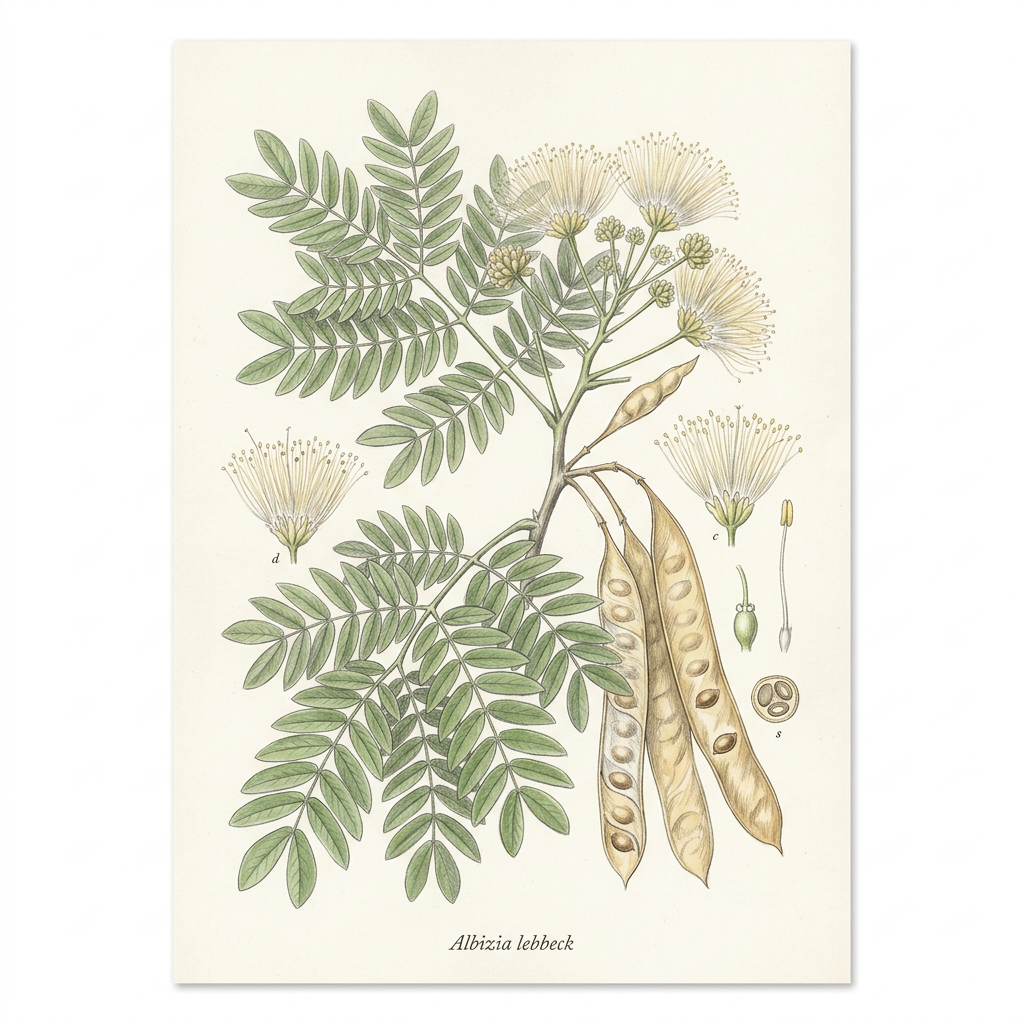
Persian silk tree

Persian silk tree

Albizia lebbeck

Mood Support
Chamomile

Chamomile

Matricaria recutita

Digestive Tonic
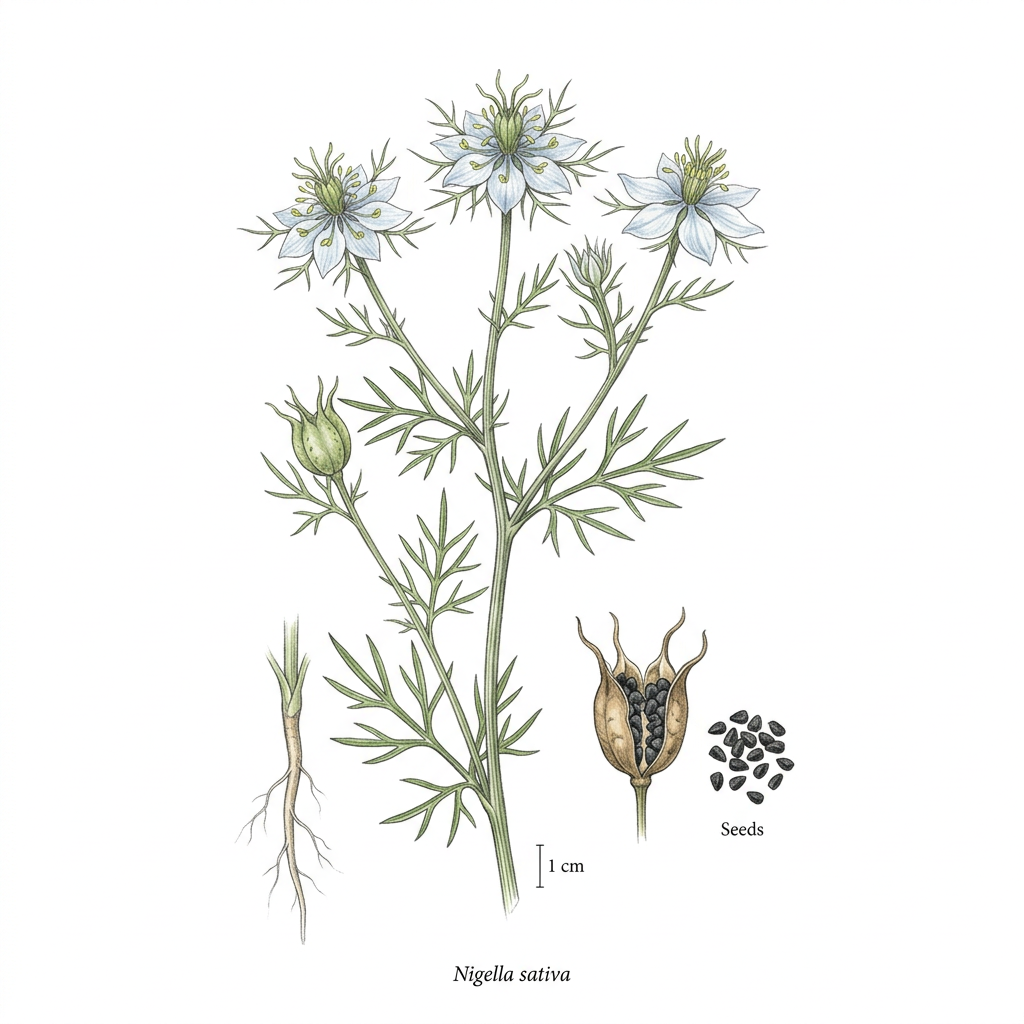
Black Cumin Seed

Black Cumin Seed

Nigella sativa

Antioxidant Support
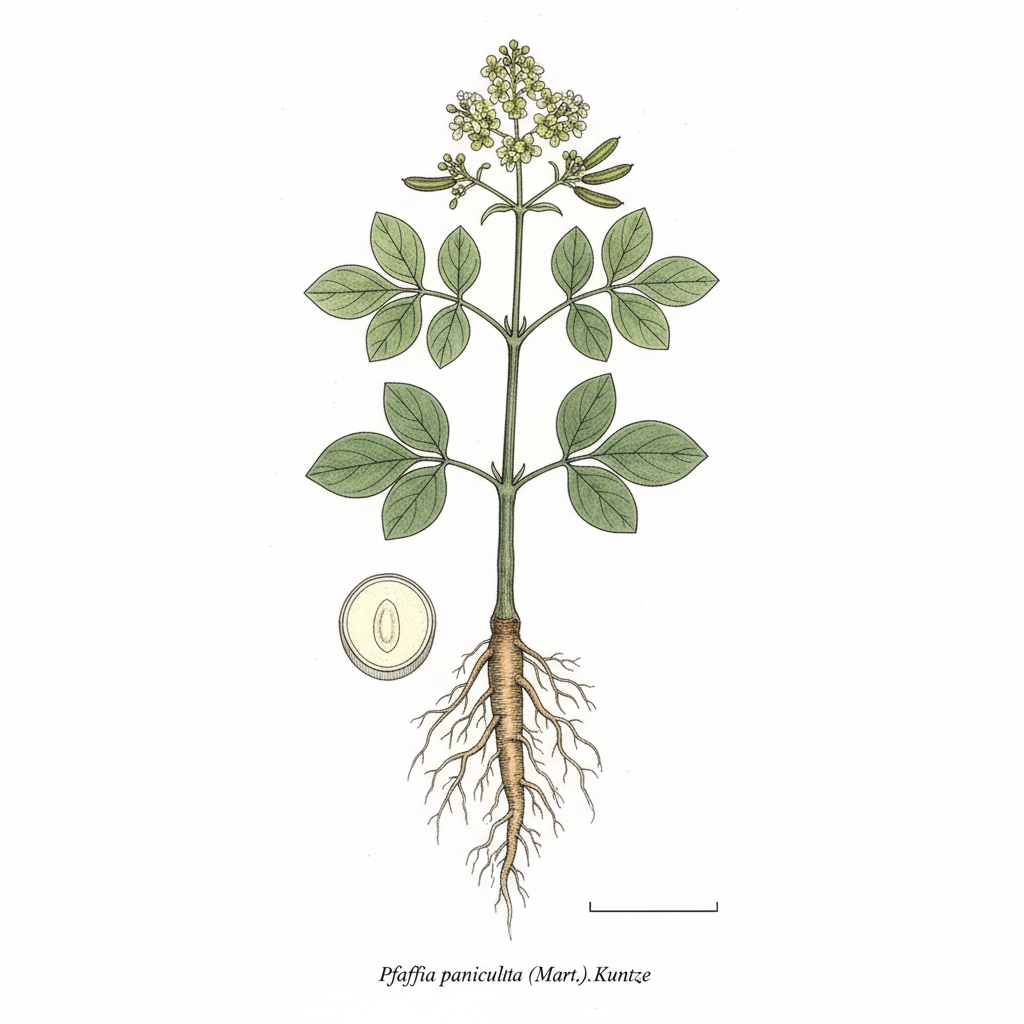
Brazillian ginseng

Brazillian ginseng

Pfaffia paniculata

Adaptation to Stress