The Wild Sage logo
The Wild Sage Logo

Herbal Medicine at your fingertips

Comprehensive database of herbal remedies with detailed safety information and traditional uses

New to herbal terms? Read the glossary →
ADHD
Abcess
Acid Reflux Relief
Acinetobacter
Acne
Acne Vulgaris
Addisons
Adenomyosis
Adenovirus
Adrenal fatigue
Aging
Aids
Alcaligenes faecalis
Alcoholism
Allergic Rhinitis
Allergies
Allergy
Alopoecia
Alopoecia nervosa
Alzheimer's, Dementia & Cognitive Decline
420 herbs found
Important: This information is for educational purposes only. Always consult with qualified healthcare professionals before using herbal remedies, especially if you have existing health conditions or take medications.
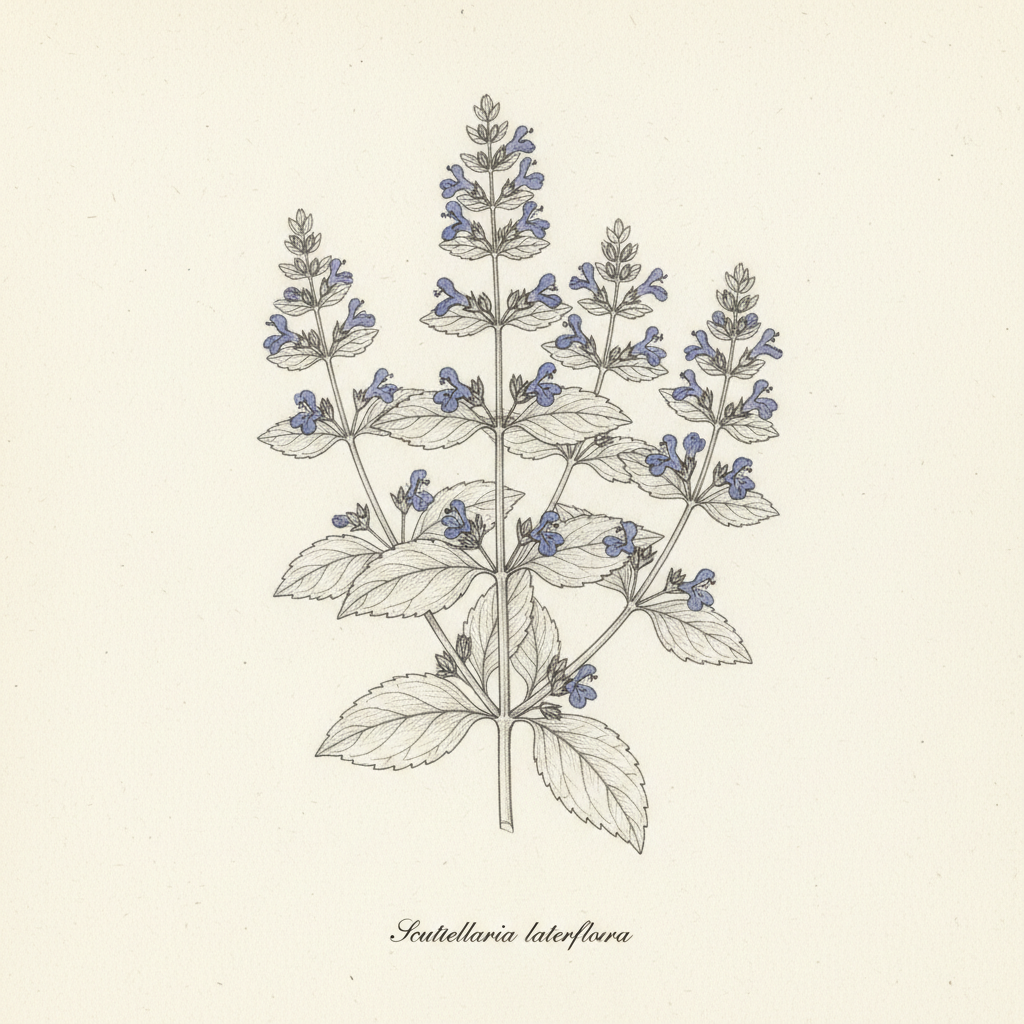
Skullcap

Skullcap

Scutellaria lateriflora

low risk Risk
Lamiaceae
Cooling bitter
<p>Skullcap, known scientifically as Scutellaria lateriflora, is a flowering plant belonging to the mint family (Lamiaceae) and is indigenous to North America. Historically, this remarkable herb has been embraced by various Indigenous cultures for its calming properties, often utilized in traditional medicinal practices to address nervous tension and anxiety. Early American herbalists, such as Samuel Thompson in the 19th century, recognized skullcap's potential as a restorative nerve tonic, using it in formulations designed to soothe agitation and promote restful sleep. This rich heritage of use underscores its established importance within the holistic healing community. The primary therapeutic properties of skullcap are its anti-anxiety, relaxant, and calming effects, making it a versatile ally in the management of stress-related conditions. Skullcap is particularly beneficial for individuals grappling with anxiety, nervous tension, and insomnia. By modulating the body's stress response, it serves to alleviate symptoms associated with these conditions. The active constituents in skullcap, such as flavonoids and phenolic compounds, contribute to its calming effects, acting on the central nervous system to promote relaxation and enhance mood. Additionally, its mild sedative properties make it an excellent choice for those seeking natural ways to improve sleep quality, allowing for a deeper and more restorative slumber. Skullcap’s efficacy in promoting relaxation can be attributed to its ability to interact with neurotransmitters in the brain, specifically through the modulation of gamma-aminobutyric acid (GABA) receptors. This action supports a calming influence on neural activity, fostering a sense of tranquility and well-being. As a nervine tonic, skullcap provides a gentle balancing effect on the nervous system, making it an ideal choice for individuals experiencing the overwhelming pressures of daily life. In essence, skullcap stands as a testament to the synergy of nature and healing, offering a time-honored path to serenity.</p>

Uses & Conditions

Nervous System Support
Calming
Improved Sleep Quality
Reduction in Anxiety
Decreased Stress Markers
Anxiety Disorders
Insomnia
Stress-Related Disorders
Muscle Spasms
Chronic Inflammation
Nervous Exhaustion
ADHD
Adrenal Fatigue
Drug Withdrawal
Epilepsy

Actions

Anxiolytic
Relaxant
Nervine
Mild Sedative
Skeletal Muscle Relaxant
TNF Inhibitor

Parts Used

Aerial parts

Native Countries

North America

USDA Hardiness Zones

USDA 3-9

Contraindications

  • Pregnancy: insufficient evidence regarding safety during gestation
  • Breastfeeding: caution advised as safety profile is not established
  • Liver disease: isolated reports of idiosyncratic liver injury warrant cautious use
  • Scheduled surgery: discontinue use at least two weeks prior to procedures

Potential Side Effects

  • May cause mild sedation

Interactions

  • Sedatives and Anxiolytics: potential for additive sedative effects
  • Alcohol: may increase central nervous system depression
  • Anticonvulsants: theoretical potential to interfere with efficacy
  • Barbiturates: potential for enhanced hypnotic effects

Dosages, tincture ratios & research — members only

Unlock Garreth's dosing guidance, tincture ratios, the dosage calculator and the research studies for Skullcap.

Your assessment and results stay saved — upgrading only unlocks more of them.

See membership plans

Community Photos

No community photos yet. Sign in to upload photos.

Reviews & Ratings

Sign in to leave a review.

No reviews yet. Be the first!

GF

Garreth Falls — B.Th., Dip. H.M., MNIMH

Content curated and reviewed by Garreth Falls, Consultant Medical Herbalist · The Wild Sage

Medical Disclaimer: This information is for educational purposes only and is not intended as medical advice. Always consult with qualified healthcare professionals before starting any herbal treatment.
Western tradition

Sustainability & quality

At risk

Listed as at-risk by United Plant Savers due to habitat destruction; cultivation is strongly preferred over wild-harvesting.

Key constituents

Flavonoids (specifically baicalin, baicalein, and scutellarein), Iridoid glycosides (catalpol and scutellarioside), Volatile oils, Tannins, Resins, Bitter principles

References

  1. ESCOP Monographs 2nd ed. 2003
  2. British Herbal Pharmacopoeia 1983
  3. Mills & Bone "The Essential Guide to Herbal Safety" 2005
  4. Herbal Reality. Herb monographs. herbalreality.com

Reviewed by Garreth, Medical Herbalist (MNIMH) · November 2026

Related conditions

Explore conditions where Skullcap is traditionally used.

Related Herbs
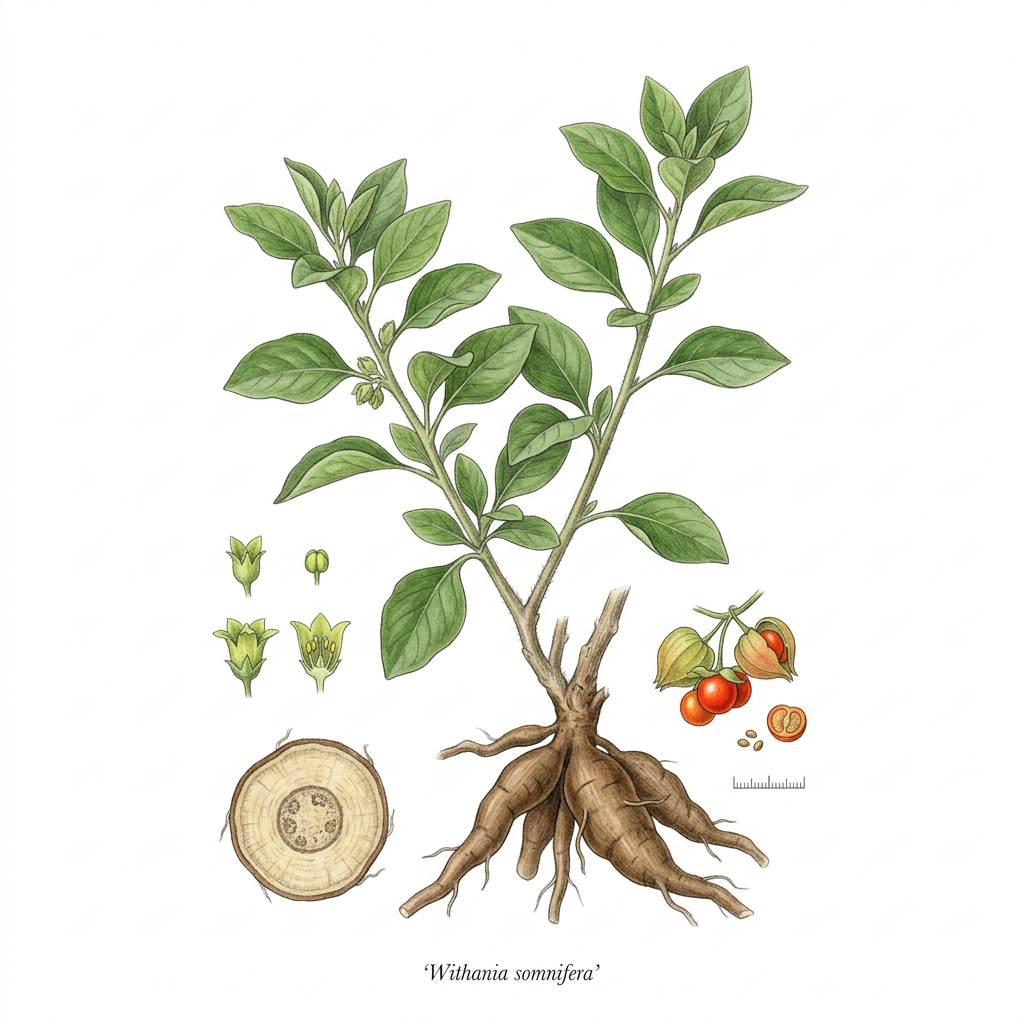
Ashwagandha

Ashwagandha

Withania somnifera

Immune Support
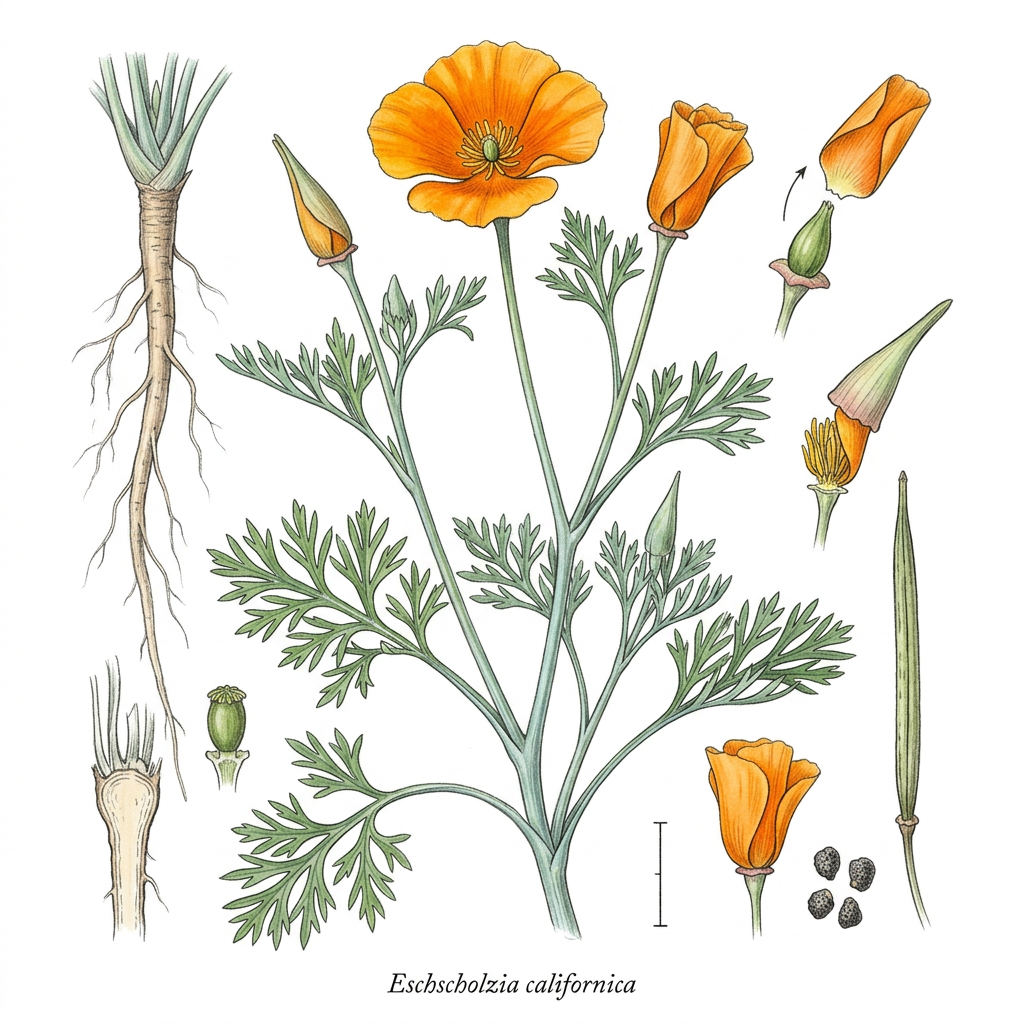
California Poppy

California Poppy

Eschscholzia californica
Nervous System Support
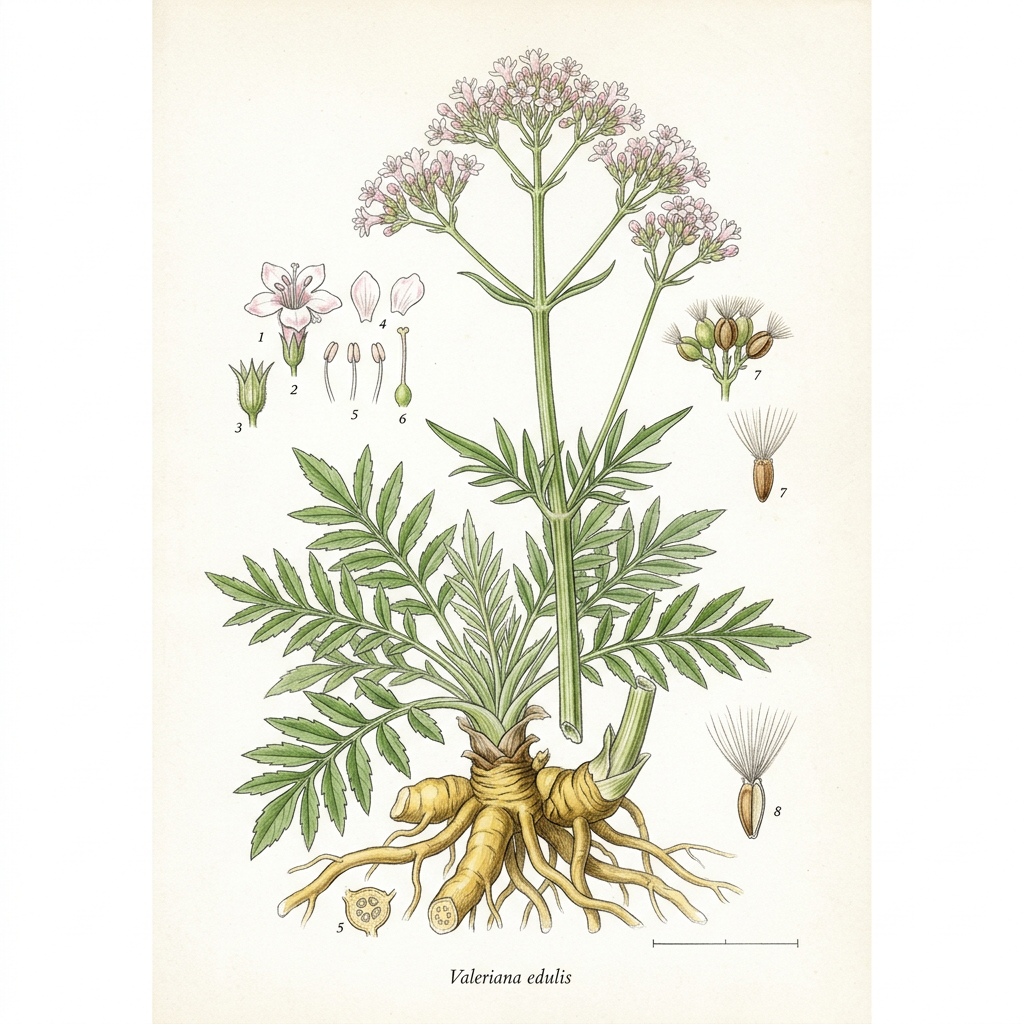
Mexican valerian

Mexican valerian

Valeriana edulis

Sleep Aid
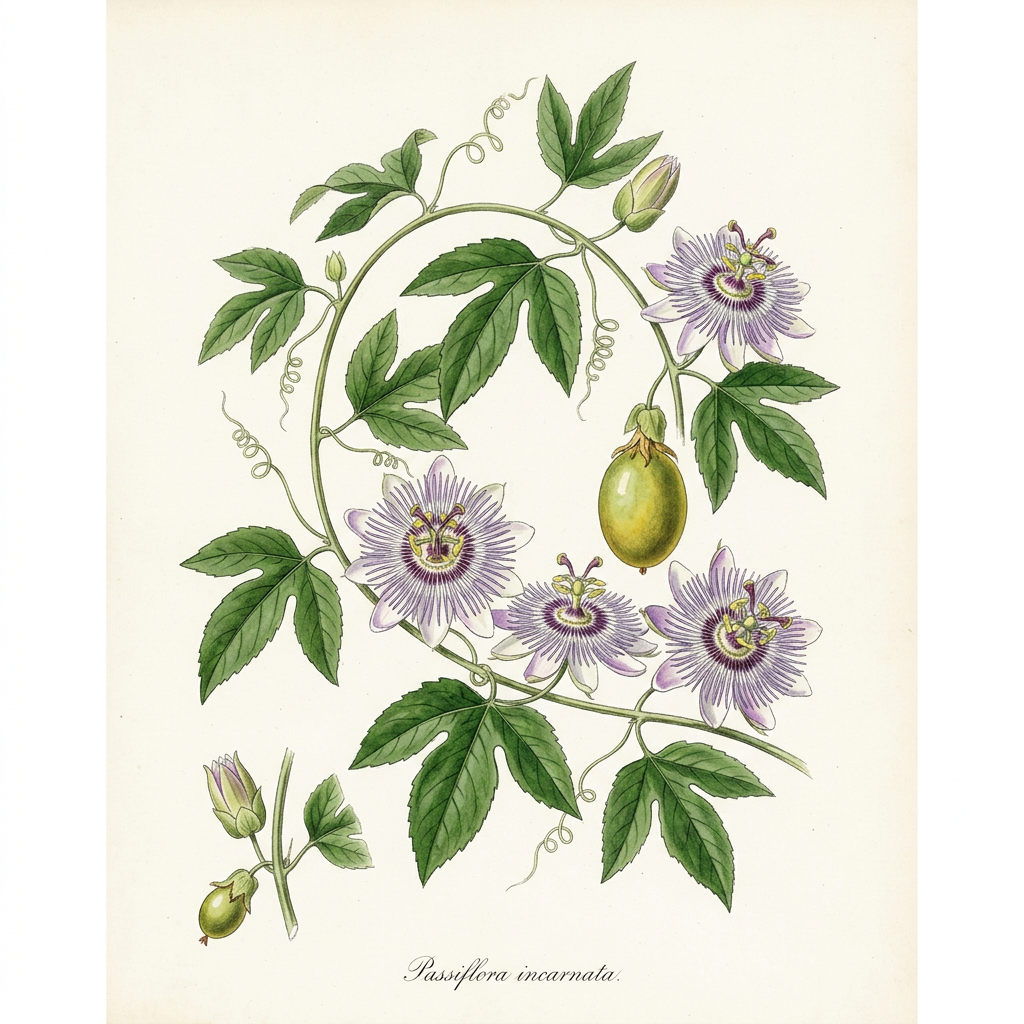
Passionflower

Passionflower

Passiflora incarnata

Calming Effects