The Wild Sage logo
The Wild Sage Logo

Herbal Medicine at your fingertips

Comprehensive database of herbal remedies with detailed safety information and traditional uses

New to herbal terms? Read the glossary →
ADHD
Abcess
Acid Reflux Relief
Acinetobacter
Acne
Acne Vulgaris
Addisons
Adenomyosis
Adenovirus
Adrenal fatigue
Aging
Aids
Alcaligenes faecalis
Alcoholism
Allergic Rhinitis
Allergies
Allergy
Alopoecia
Alopoecia nervosa
Alzheimer's, Dementia & Cognitive Decline
420 herbs found
Important: This information is for educational purposes only. Always consult with qualified healthcare professionals before using herbal remedies, especially if you have existing health conditions or take medications.
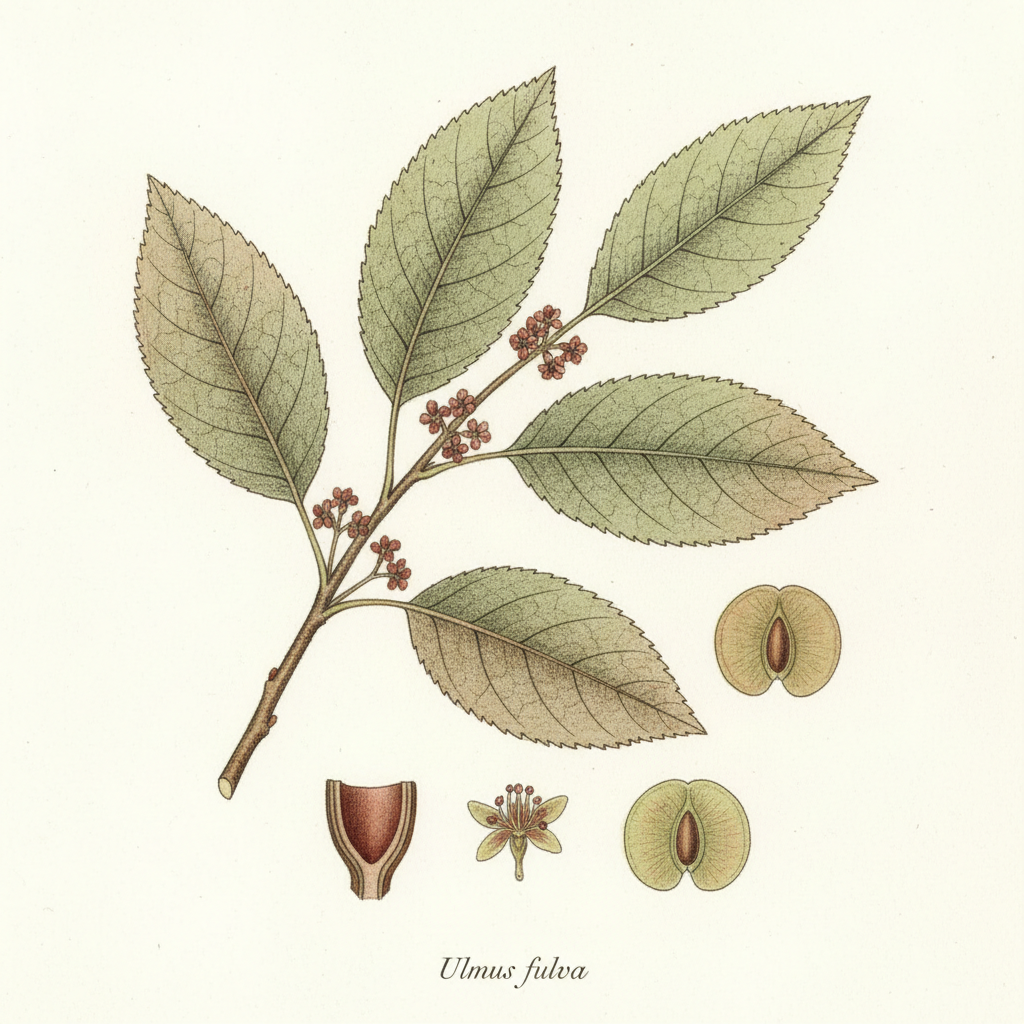
Slippery Elm

Slippery Elm

Ulmus fulva

low risk Risk
Ulmaceae
cool and moist
<p>Slippery Elm, derived from the inner bark of the Ulmus fulva tree, is a revered botanical noted for its remarkable soothing properties. Traditionally utilized by indigenous peoples of North America, this herb has a storied history spanning centuries, primarily valued for its healing capacity. Native American tribes employed slippery elm not only as a medicine but also as a food source, grinding the inner bark into a fine powder to create nutritious porridge. It gained prominence in early American herbal medicine, where practitioners recognized its effectiveness as a demulcent—a substance that forms a protective layer over mucous membranes. Its remarkable ability to alleviate discomfort in various bodily systems makes it a staple in herbal repertoires. The therapeutic properties of slippery elm revolve around its high mucilage content, which creates a gel-like consistency when mixed with water. This characteristic not only provides relief from sore throats and heartburn but also aids in soothing digestive tract inflammation. When ingested, slippery elm empowers the body by lining the gastrointestinal tract, thus minimizing irritation caused by conditions such as gastritis or acid reflux. Additionally, its gentle bulk-forming action promotes regular bowel movements, making it an excellent aid for those experiencing constipation. Beyond its gastrointestinal benefits, slippery elm is also noted for potentially enhancing mood stability by providing supportive nutrients that foster overall well-being. In the body, slippery elm's efficacy stems from its composition of polysaccharides, which attract and retain moisture, thus promoting a soothing effect on irritated tissues. As the mucilage coats the mucous membranes, it not only protects against further irritation but also aids in the healing of inflamed areas. This mechanism is particularly relevant for individuals suffering from throat irritation, as the slippery consistency provides immediate comfort when swallowing. Furthermore, its mild astringent properties can also help tighten inflamed tissues, reducing swelling and enhancing the body’s resilience. By acting as a digestive aid and a support system for overall health, slippery elm continues to be a valued herb in both traditional and modern herbal practices.</p>

Uses & Conditions

Convalescence
Support for bowel flora
Soothing throat irritation
Acid reflux
Anal fissures
Aphthous ulcers
Boils
Constipation
Crohn’s disease
Diarrhoea
Diverticulitis
Dysbiosis
Dyspepsia
Eosinophilic oesophagitis
Gastritis
Gastro-oesophageal reflux disease
Inflammatory bowel disease
Mouth sores
Peptic ulcers
SIBO
Skin ulcers
Varicose ulcers

Actions

Demulcent
Digestive aid

Parts Used

Inner bark

Native Countries

United States
Canada

USDA Hardiness Zones

3
4
5
6
7

Contraindications

  • Known hypersensitivity to Elm tree species or related Ulmaceae family plants.
  • Acute bowel obstruction or suspected intestinal blockage.
  • Conditions requiring strict medication timing.
  • Severe dysphagia or difficulty swallowing.

Potential Side Effects

  • Mild gastrointestinal fullness or bloating.
  • Rare instances of allergic skin reactions or contact dermatitis.

Interactions

  • Mucilage may delay the absorption of oral medications; separate doses by at least two hours.
  • Antidiabetic medications: may theoretically alter blood glucose absorption.
  • Lithium: the protective coating in the gut may reduce the bioavailability of lithium salts.

Dosages, tincture ratios & research — members only

Unlock Garreth's dosing guidance, tincture ratios, the dosage calculator and the research studies for Slippery Elm.

Your assessment and results stay saved — upgrading only unlocks more of them.

See membership plans

Community Photos

No community photos yet. Sign in to upload photos.

Reviews & Ratings

Sign in to leave a review.

No reviews yet. Be the first!

GF

Garreth Falls — B.Th., Dip. H.M., MNIMH

Content curated and reviewed by Garreth Falls, Consultant Medical Herbalist · The Wild Sage

Medical Disclaimer: This information is for educational purposes only and is not intended as medical advice. Always consult with qualified healthcare professionals before starting any herbal treatment.
Western tradition

Sustainability & quality

At risk

Slippery elm is listed on the United Plant Savers at-risk list due to overharvesting. Ensure supplies are sourced from ethically managed, sustainable harvests or suppliers who provide clear provenance.

Key constituents

Starch, Tannin, Phytohormones

References

  1. British Herbal Pharmacopoeia 1983
  2. Herbal Reality. Herb monographs. herbalreality.com

Reviewed by Garreth, Medical Herbalist (MNIMH) · November 2026

Related conditions

Explore conditions where Slippery Elm is traditionally used.

Related Herbs
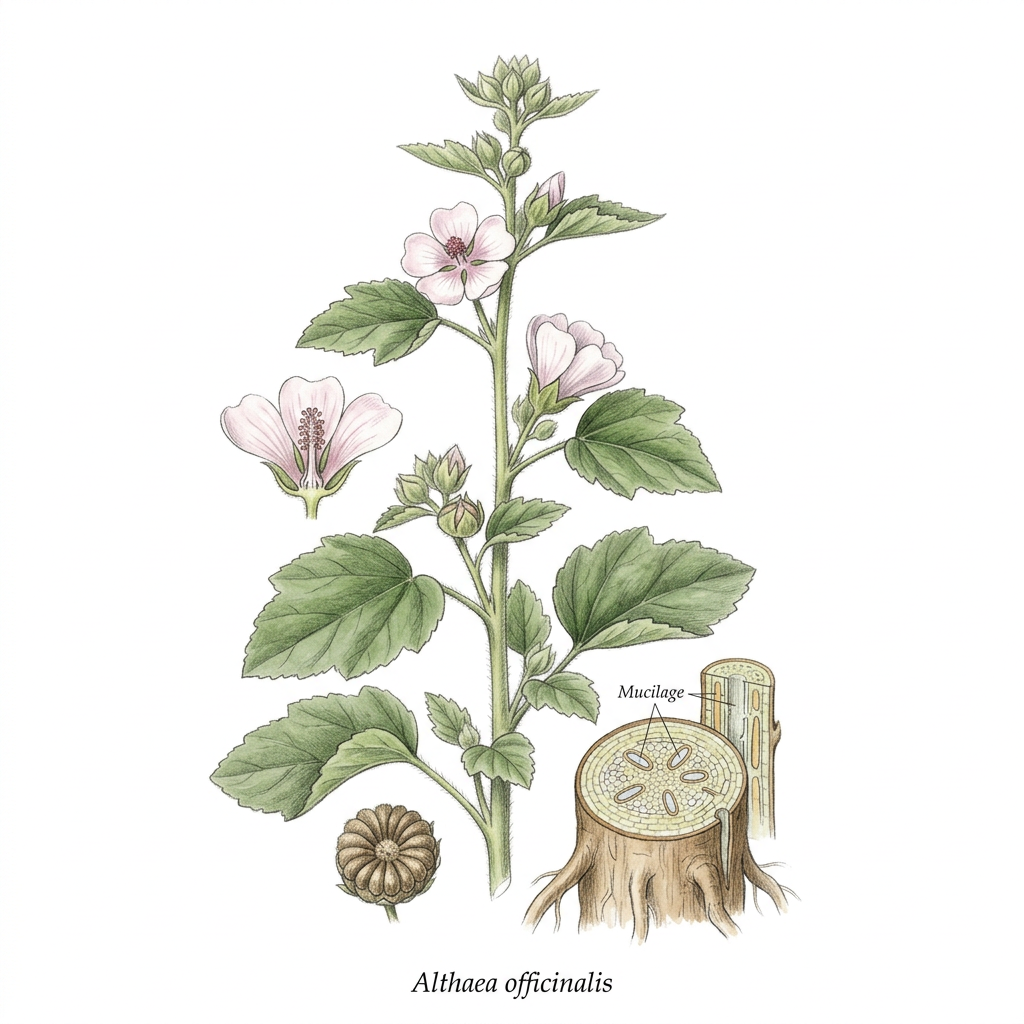
Marshmallow

Marshmallow

Althaea officinalis

Digestive Aid
Chamomile

Chamomile

Matricaria recutita

Digestive Tonic
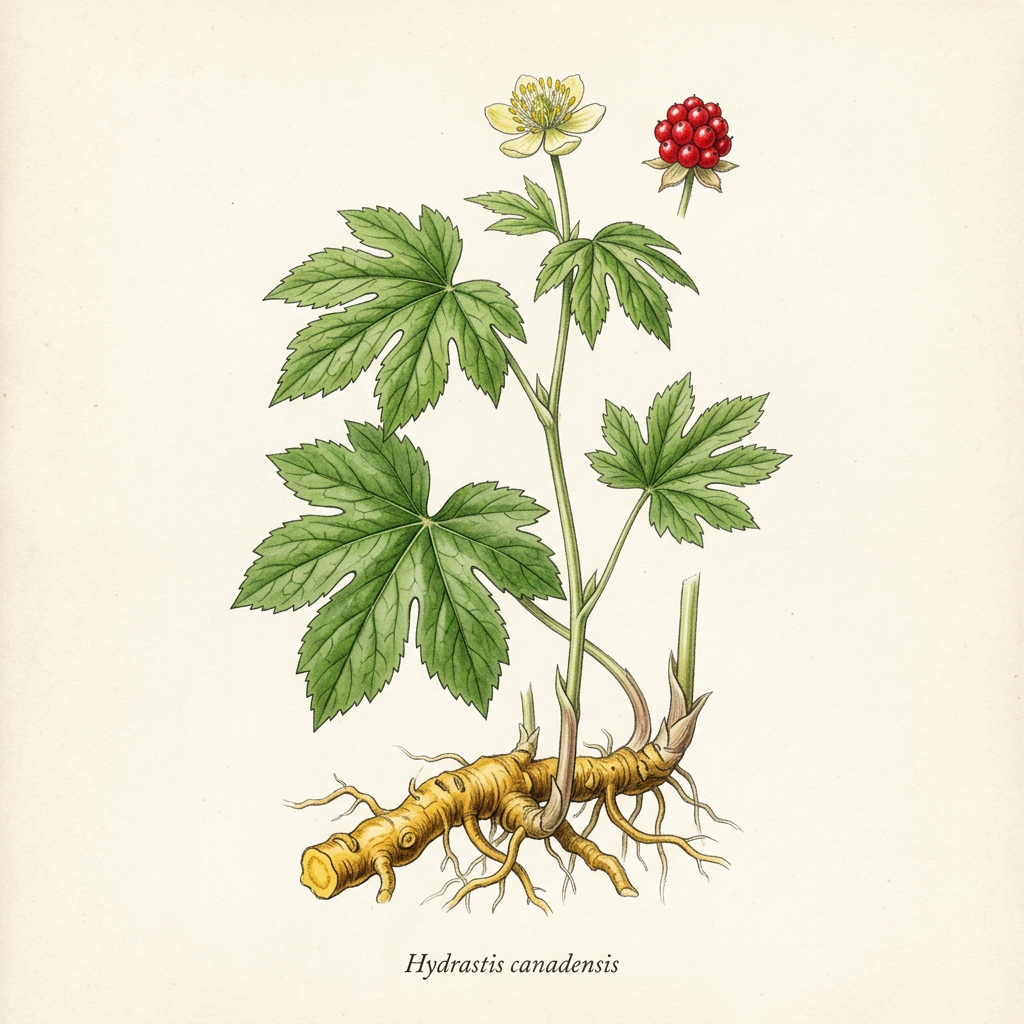
Goldenseal

Goldenseal

Hydrastis canadensis

Convalescence
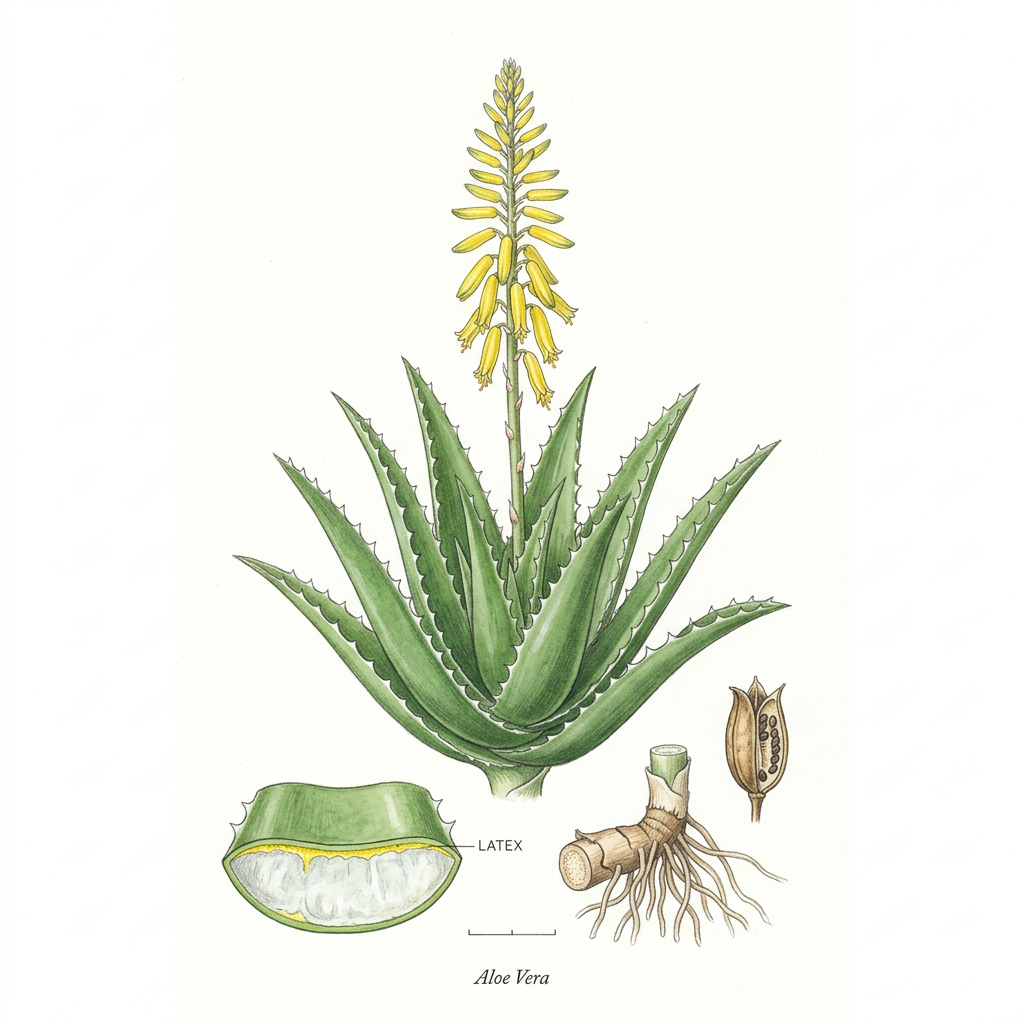
Aloe Vera

Aloe Vera

Aloe vera

Digestive Support