The Wild Sage logo
The Wild Sage Logo

Herbal Medicine at your fingertips

Comprehensive database of herbal remedies with detailed safety information and traditional uses

New to herbal terms? Read the glossary →
ADHD
Abcess
Acid Reflux Relief
Acinetobacter
Acne
Acne Vulgaris
Addisons
Adenomyosis
Adenovirus
Adrenal fatigue
Aging
Aids
Alcaligenes faecalis
Alcoholism
Allergic Rhinitis
Allergies
Allergy
Alopoecia
Alopoecia nervosa
Alzheimer's, Dementia & Cognitive Decline
420 herbs found
Important: This information is for educational purposes only. Always consult with qualified healthcare professionals before using herbal remedies, especially if you have existing health conditions or take medications.
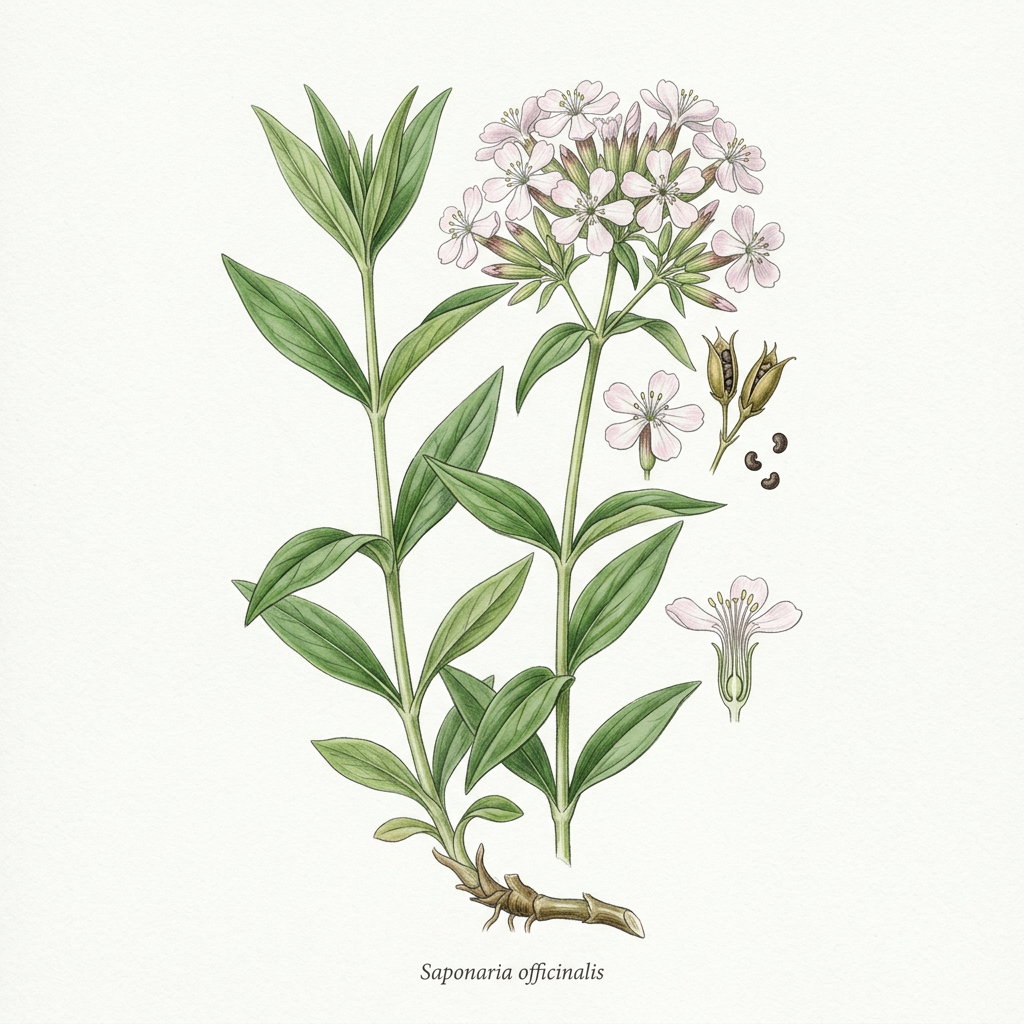
Soapwort

Soapwort

Saponaria officinalis

low risk Risk
Caryophyllaceae
cooling, moistening, bitter
<p>Soapwort, known scientifically as Saponaria officinalis, is a perennial herb native to Europe and parts of Asia but has also established itself in various temperate regions worldwide. Historically, this remarkable plant has been utilized for centuries not only for its cleansing properties but also as a traditional remedy for a variety of ailments. Indigenous cultures often used its saponin-rich roots and leaves to create a natural soap, from which its common name is derived. Soapwort's historical applications extend to its use in folk medicine as a treatment for respiratory conditions, skin issues, and gastrointestinal discomfort, highlighting its versatility and the deep-rooted relationship between humans and herbal remedies. In contemporary herbal medicine, Soapwort is revered for its profound therapeutic properties. The herb exhibits potent anti-inflammatory and antimicrobial actions, making it a valuable ally in promoting skin health and addressing infections. Soapwort's unique composition includes saponins, which contribute not only to its cleansing abilities but also play a vital role in lowering levels of Tumor Necrosis Factor-alpha (TNF-a) and inhibiting the Nuclear Factor kappa-light-chain-enhancer of activated B cells (NFkB). These mechanisms are significant, as they suggest a potential in alleviating inflammatory responses commonly associated with a variety of inflammatory disorders. The efficacy of Soapwort is attributed to its bioactive compounds, which interact with the body's physiological processes. The anti-inflammatory properties help modulate immune responses, potentially reducing symptoms associated with chronic inflammation, while its antimicrobial capabilities support the body in fighting off harmful microorganisms. The saponins found in Soapwort also enhance the absorption of certain nutrients, facilitating overall digestive health. As ongoing research continues to explore the depths of Soapwort's therapeutic potential, it remains a quintessential example of how traditional wisdom can inform modern botanical practices, bridging the gap between nature and healing.</p>

Uses & Conditions

Immune modulation
Nutrient absorption support
Cleansing properties
Respiratory conditions
Skin issues
Gastrointestinal discomfort
Chronic inflammation
Infections

Actions

Anti-inflammatory
Antimicrobial
Tumour Necrosis Factor-alpha reduction
NFkB inhibitor

Parts Used

Rhizome
Root
Aerial parts

USDA Hardiness Zones

3
4
5
6
7
8

Contraindications

  • Avoid during pregnancy due to potential emmenagogue effects
  • Not recommended during breastfeeding due to lack of safety data
  • Avoid in cases of severe gastrointestinal inflammation
  • gastritis
  • or peptic ulcers
  • Discontinue at least two weeks prior to scheduled surgery
  • Not suitable for individuals with known hypersensitivity to the Caryophyllaceae family

Potential Side Effects

  • Gastrointestinal irritation including nausea
  • vomiting
  • or diarrhoea if ingested in excess
  • Skin irritation or contact dermatitis upon topical application in sensitive individuals

Interactions

  • Use caution with prescription medicines due to potential for increased intestinal permeability
  • May potentially alter the absorption of other orally administered medications if taken concurrently

Dosages, tincture ratios & research — members only

Unlock Garreth's dosing guidance, tincture ratios, the dosage calculator and the research studies for Soapwort.

Your assessment and results stay saved — upgrading only unlocks more of them.

See membership plans

Community Photos

No community photos yet. Sign in to upload photos.

Reviews & Ratings

Sign in to leave a review.

No reviews yet. Be the first!

GF

Garreth Falls — B.Th., Dip. H.M., MNIMH

Content curated and reviewed by Garreth Falls, Consultant Medical Herbalist · The Wild Sage

Medical Disclaimer: This information is for educational purposes only and is not intended as medical advice. Always consult with qualified healthcare professionals before starting any herbal treatment.
Western tradition

Sustainability & quality

Abundant

Commonly occurring species; ensure proper cleaning of roots if wild-harvesting for saponin content.

Key constituents

Triterpenoid saponins, Saporubrin, Saporin, Mucilage, Flavonoids, Resins

References

  1. British Herbal Pharmacopoeia 1983
  2. Herbal Reality. Herb monographs. herbalreality.com

Reviewed by Garreth, Medical Herbalist (MNIMH) · November 2026

Related Herbs
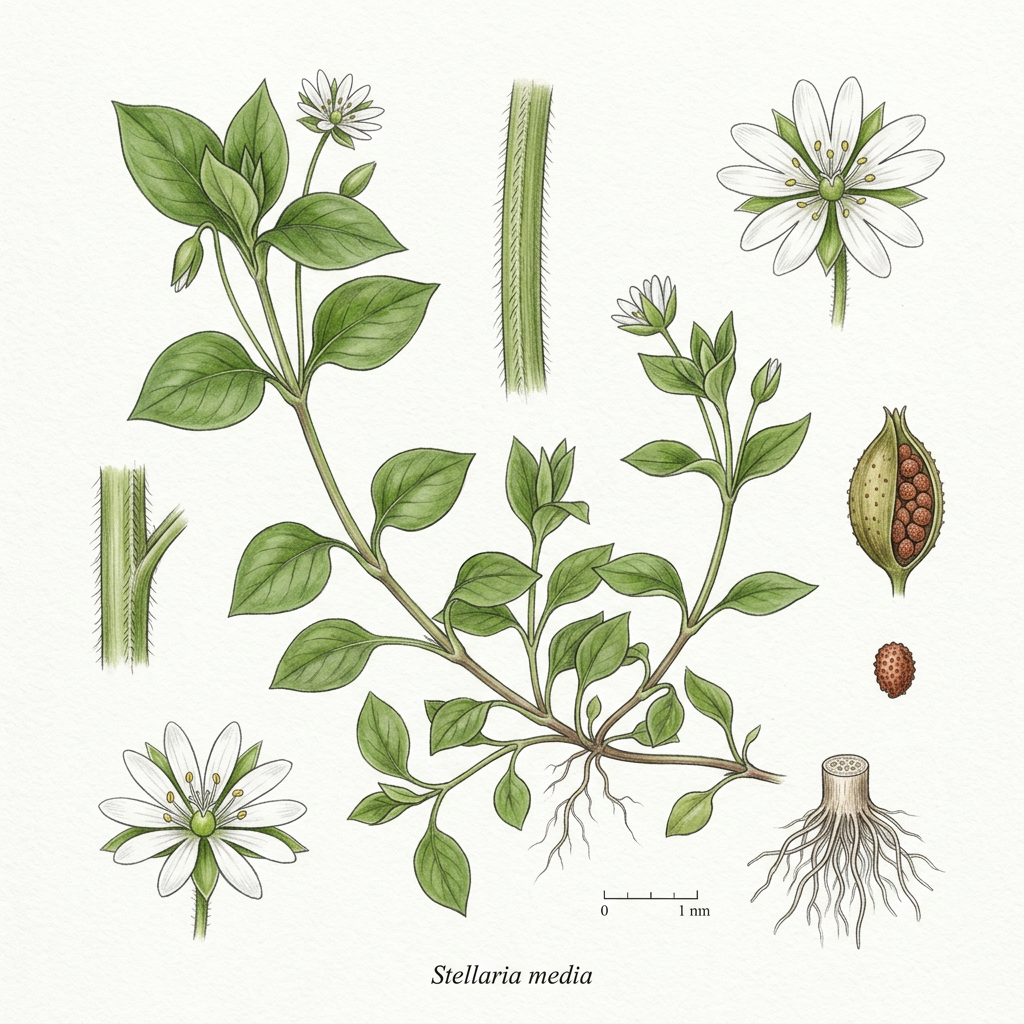
Chickweed

Chickweed

Stellaria media

Nutritive
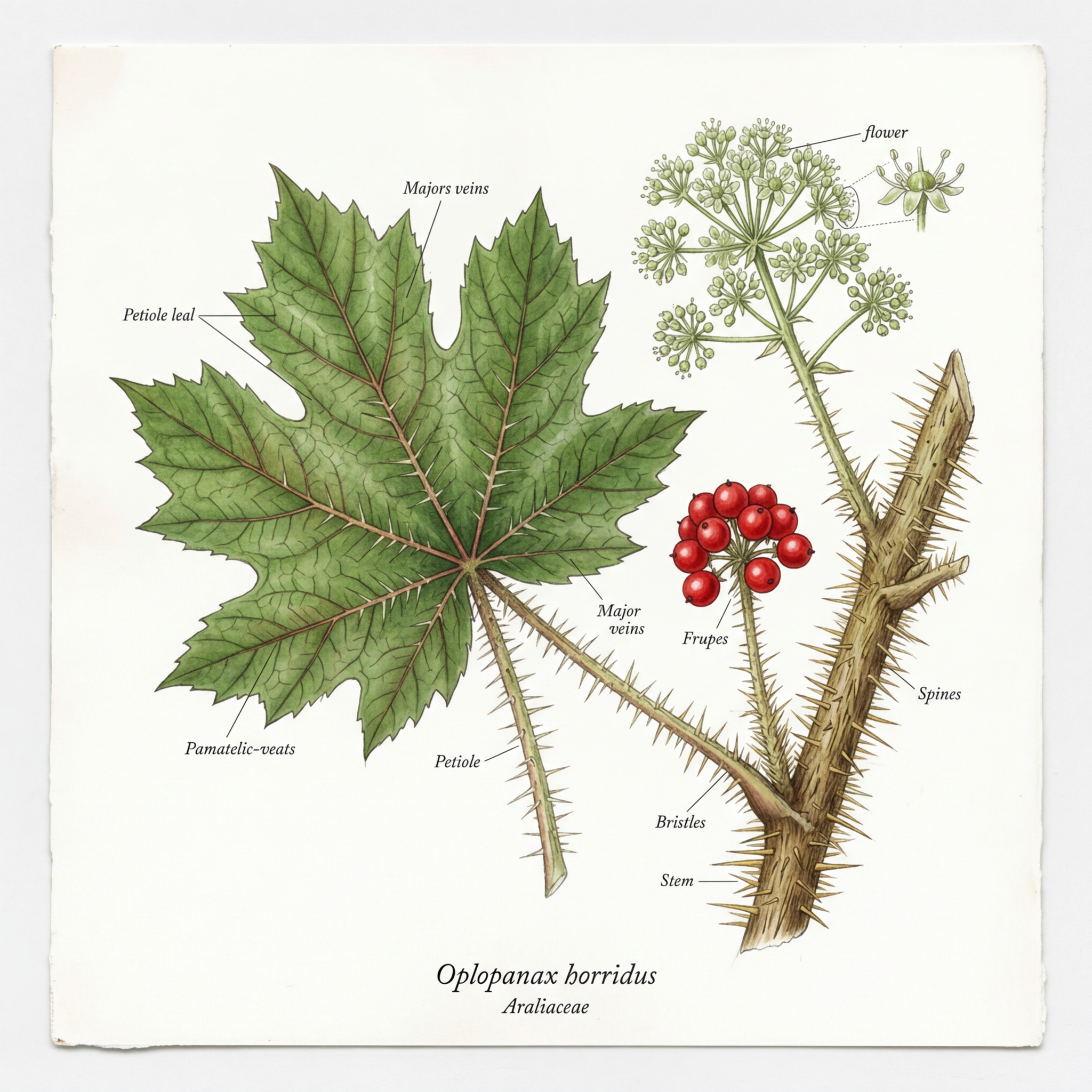
Devil's Club

Devil's Club

Oplopanax horridus

Immune modulation
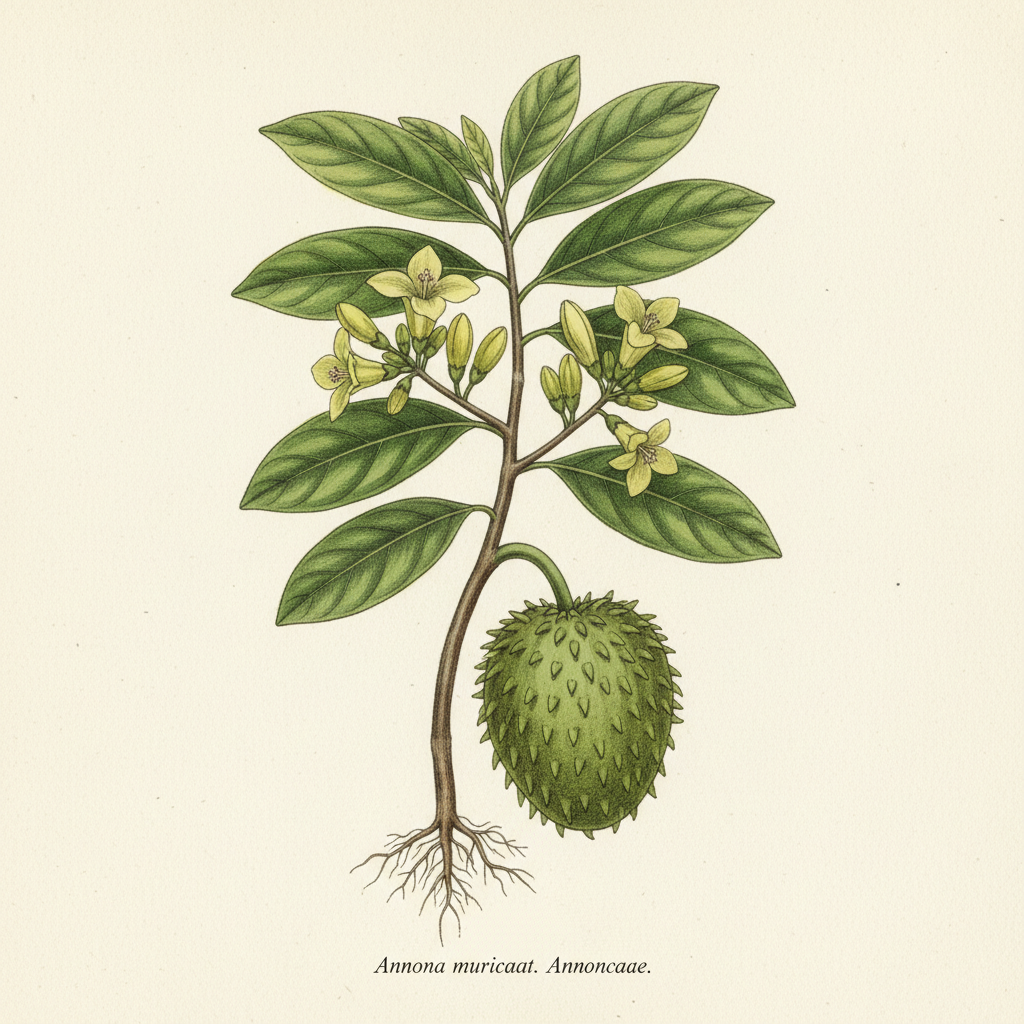
Soursop

Soursop

Annona muricata

Immune Support
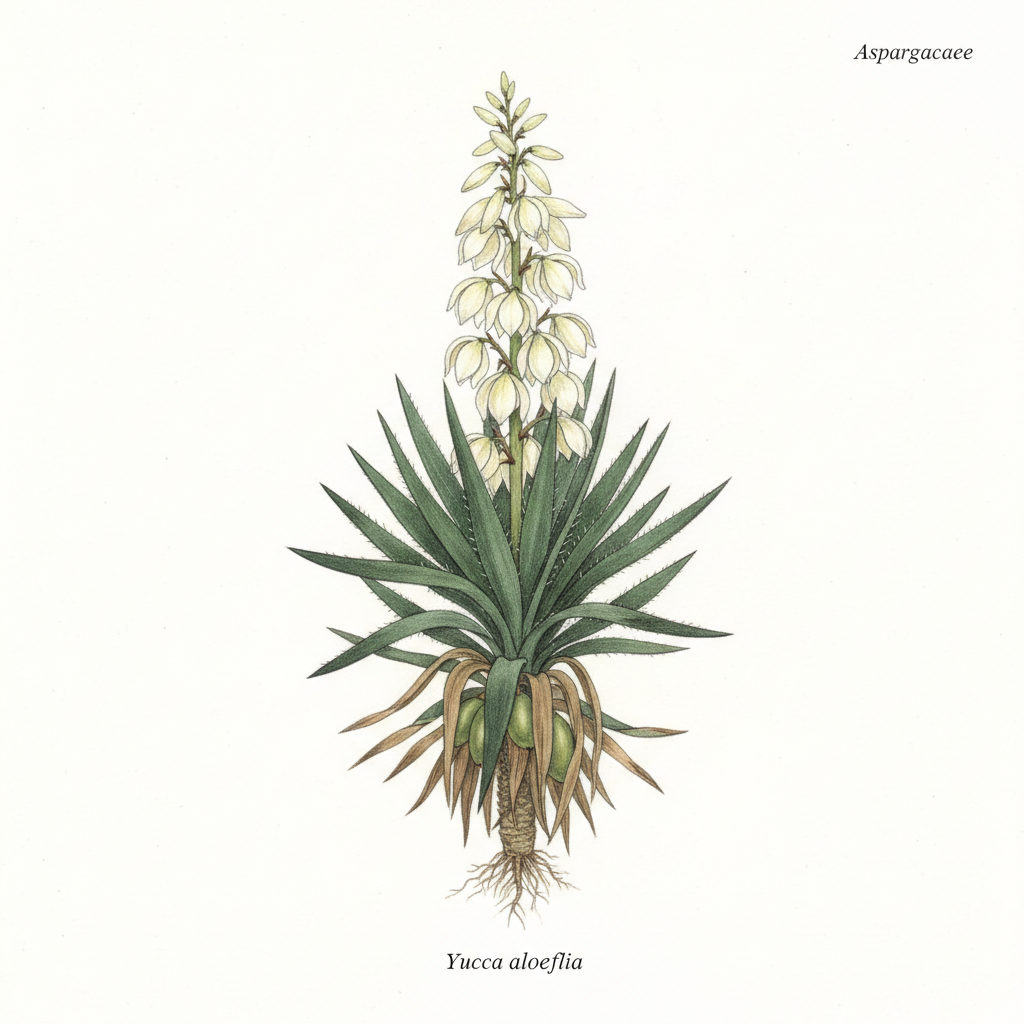
Yucca aloifolia

Yucca aloifolia

Yucca aloifolia

Digestive aid