The Wild Sage logo
The Wild Sage Logo

Herbal Medicine at your fingertips

Comprehensive database of herbal remedies with detailed safety information and traditional uses

New to herbal terms? Read the glossary →
ADHD
Abcess
Acid Reflux Relief
Acinetobacter
Acne
Acne Vulgaris
Addisons
Adenomyosis
Adenovirus
Adrenal fatigue
Aging
Aids
Alcaligenes faecalis
Alcoholism
Allergic Rhinitis
Allergies
Allergy
Alopoecia
Alopoecia nervosa
Alzheimer's, Dementia & Cognitive Decline
420 herbs found
Important: This information is for educational purposes only. Always consult with qualified healthcare professionals before using herbal remedies, especially if you have existing health conditions or take medications.
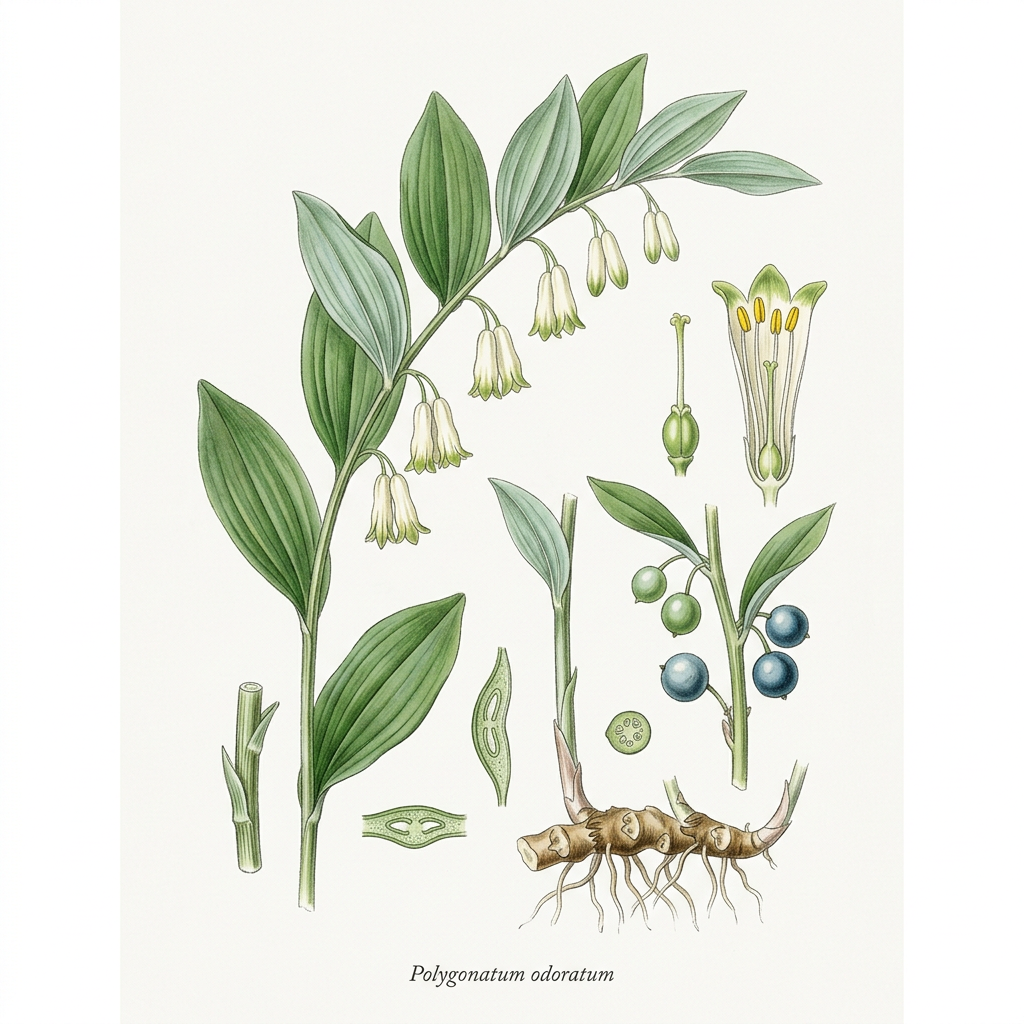
Solomon's Seal

Solomon's Seal

Polygonatum odoratum

low risk Risk
Convallariaceae
Balances, moistens and restores tissues which need to move and flex.
<p>Polygonatum odoratum, commonly known as Solomon's Seal, is a perennial herbaceous plant belonging to the Asparagaceae family. Characterized by its arching stems and broad, lanceolate leaves, this ancient herb has been revered in traditional herbal medicine across various cultures, particularly in Asia and Europe. Historically, Polygonatum odoratum has been used in folk medicine for its purported ability to support various bodily functions, including its role as a tonic for the digestive system and an agent for promoting overall vitality. In traditional Chinese medicine, the root of this plant is often utilized to nourish the kidneys and enhance overall wellness, a practice that has been documented for centuries. The therapeutic properties of Polygonatum odoratum are multifaceted, with its primary benefits attributed to its rich content of saponins, glycosides, and polysaccharides. These bioactive compounds imbue the herb with anti-inflammatory, antioxidant, and adaptogenic properties, making it a well-regarded ally for bolstering the body’s resilience against stressors and inflammation. Research suggests that the herb may assist in promoting cardiovascular health, supporting joint function, and enhancing skin vitality. Furthermore, its reputation as a nourishing herb extends to its potential role in promoting reproductive health and providing support during convalescence, making it a versatile addition to herbal formulations. The active constituents of Polygonatum odoratum interact synergistically to exert their effects in the body. Its saponins are thought to enhance mucus production in the gastrointestinal tract, aiding in digestion and enhancing nutrient absorption. Additionally, compounds within the plant support the modulation of the immune system, potentially leading to reduced inflammation and improved cellular health. This makes Solomon's Seal not only a remedy grounded in tradition but also a subject of growing interest within modern herbal research, which is continuously uncovering its potential uses and benefits in integrative health practices. As with any herb, further systematic investigation and documentation are warranted to fully elucidate its mechanisms and therapeutic applications.</p>

Uses & Conditions

Adrenal Restorative
Convalescence Support
Nutrient Absorption
Immune System Modulation
Stress Resilience
Digestive Tonic
Cardiovascular Health
Joint Function Support
Skin Vitality
Reproductive Health
Disc Prolapse
Ehlers Danlos Syndrome
Connective Tissue Disorders
Adrenal Fatigue
Uterine Prolapse

Actions

Adaptogenic
Anti-cancer
Anti-inflammatory
Anti-microbial
Antioxidant
Probiotic

Parts Used

Rhizome

Native Countries

United States
Canada
Europe
Asia

USDA Hardiness Zones

3
4
5
6
7

Contraindications

  • Not recommended during pregnancy due to a lack of safety data
  • Avoid during breastfeeding until further clinical research is available
  • Use with caution in cases of acute digestive disturbance or chronic diarrhoea
  • Discontinue use at least two weeks prior to scheduled surgery

Potential Side Effects

  • Mild gastrointestinal upset
  • Loose stools in sensitive individuals
  • Rare allergic skin reactions when applied topically

Interactions

  • Use caution if taking blood glucose-lowering medication as it may have a synergistic effect
  • Potential interaction with diuretics; monitor electrolyte levels if used concurrently long-term
  • Use caution when combining with cardiac glycosides like digoxin due to potential additive effects on heart muscle tissue

Dosages, tincture ratios & research — members only

Unlock Garreth's dosing guidance, tincture ratios, the dosage calculator and the research studies for Solomon's Seal.

Your assessment and results stay saved — upgrading only unlocks more of them.

See membership plans

Community Photos

No community photos yet. Sign in to upload photos.

Reviews & Ratings

Sign in to leave a review.

No reviews yet. Be the first!

GF

Garreth Falls — B.Th., Dip. H.M., MNIMH

Content curated and reviewed by Garreth Falls, Consultant Medical Herbalist · The Wild Sage

Medical Disclaimer: This information is for educational purposes only and is not intended as medical advice. Always consult with qualified healthcare professionals before starting any herbal treatment.
Western tradition
Chinese tradition

Sustainability & quality

Cultivated

Cultivation is preferred to prevent overharvesting of rhizomes in the wild.

Key constituents

Saponins, Flavonoids, Polysaccharides, Alkaloids, Triterpenes, Glycosides

References

  1. Bensky "Chinese Herbal Medicine: Materia Medica" 3rd ed. 2004
  2. Herbal Reality. Herb monographs. herbalreality.com

Reviewed by Garreth, Medical Herbalist (MNIMH) · November 2026

Related conditions

Explore conditions where Solomon's Seal is traditionally used.

Related Herbs
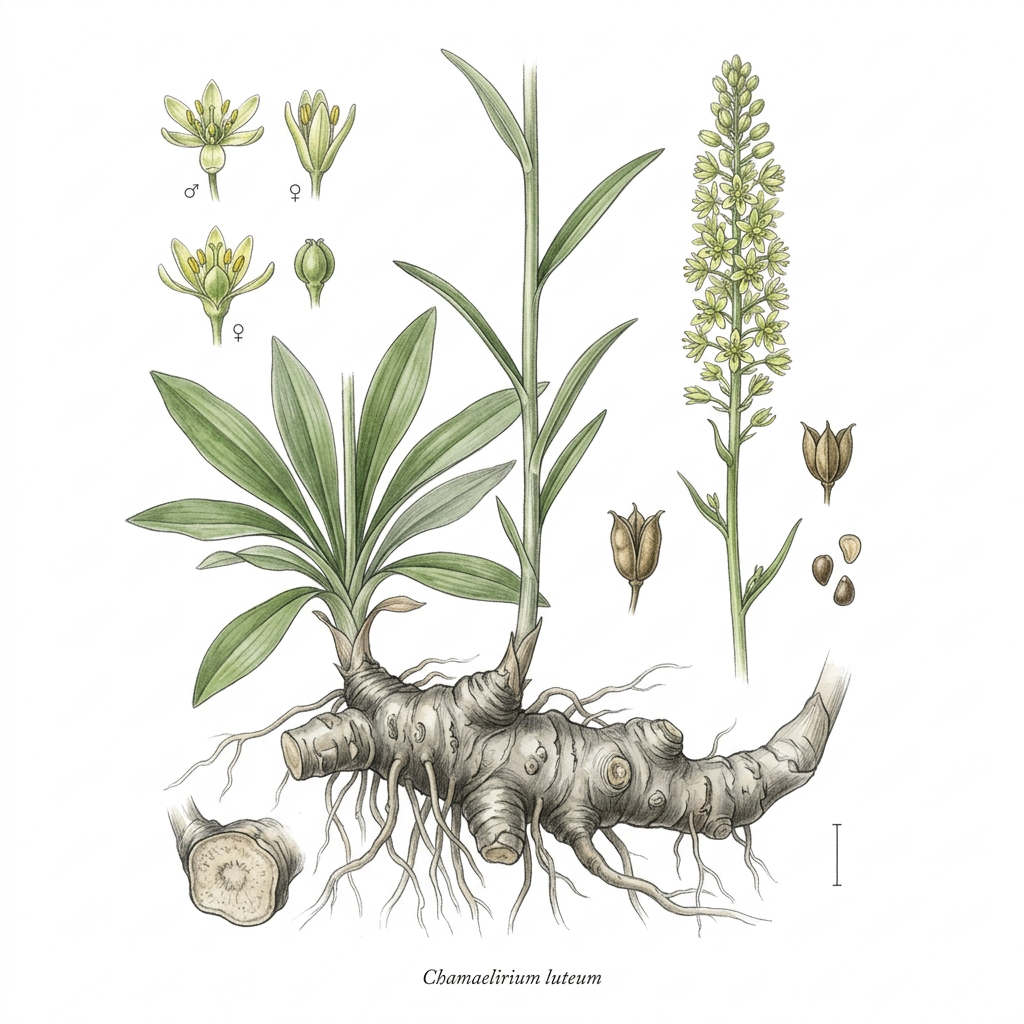
False Unicorn Root

False Unicorn Root

Chamaelirium luteum
Hormonal Balance
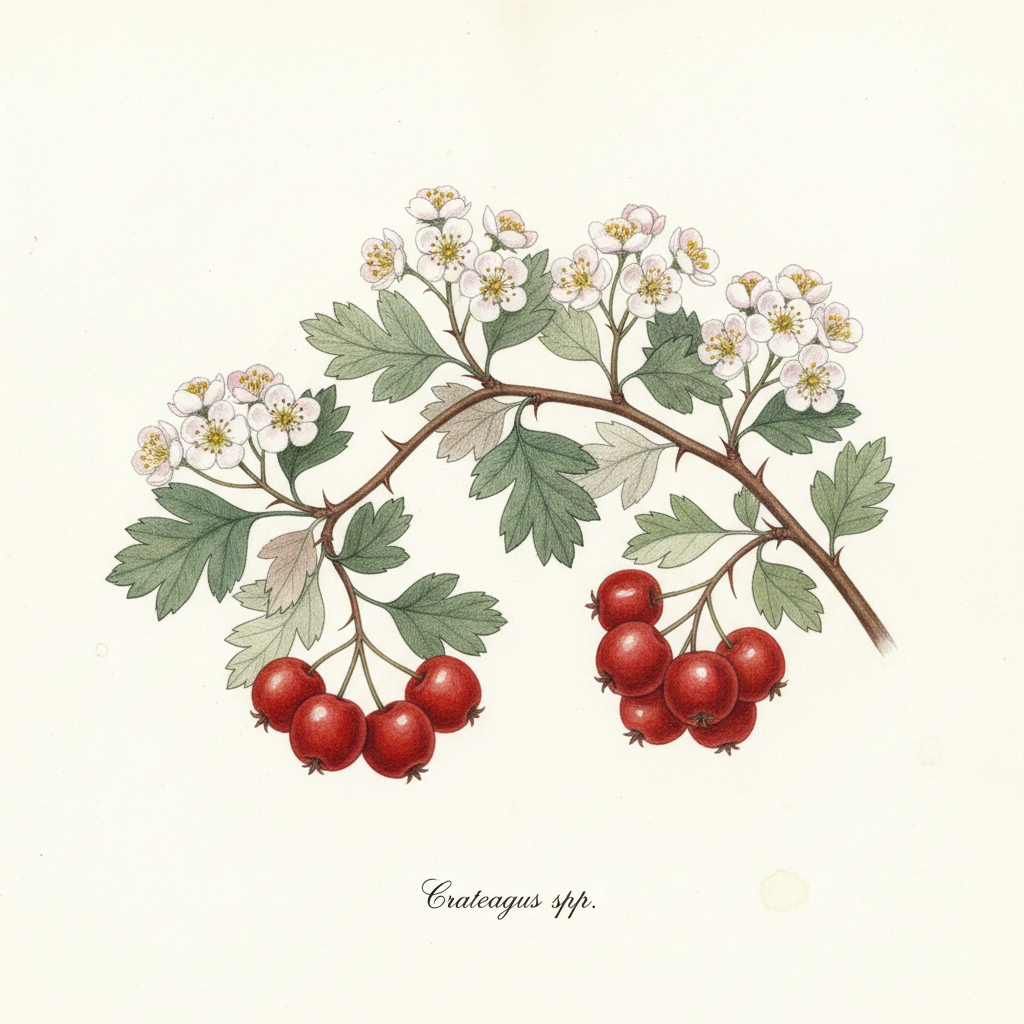
Hawthorn

Hawthorn

Crataegus spp

Cardiovascular Health
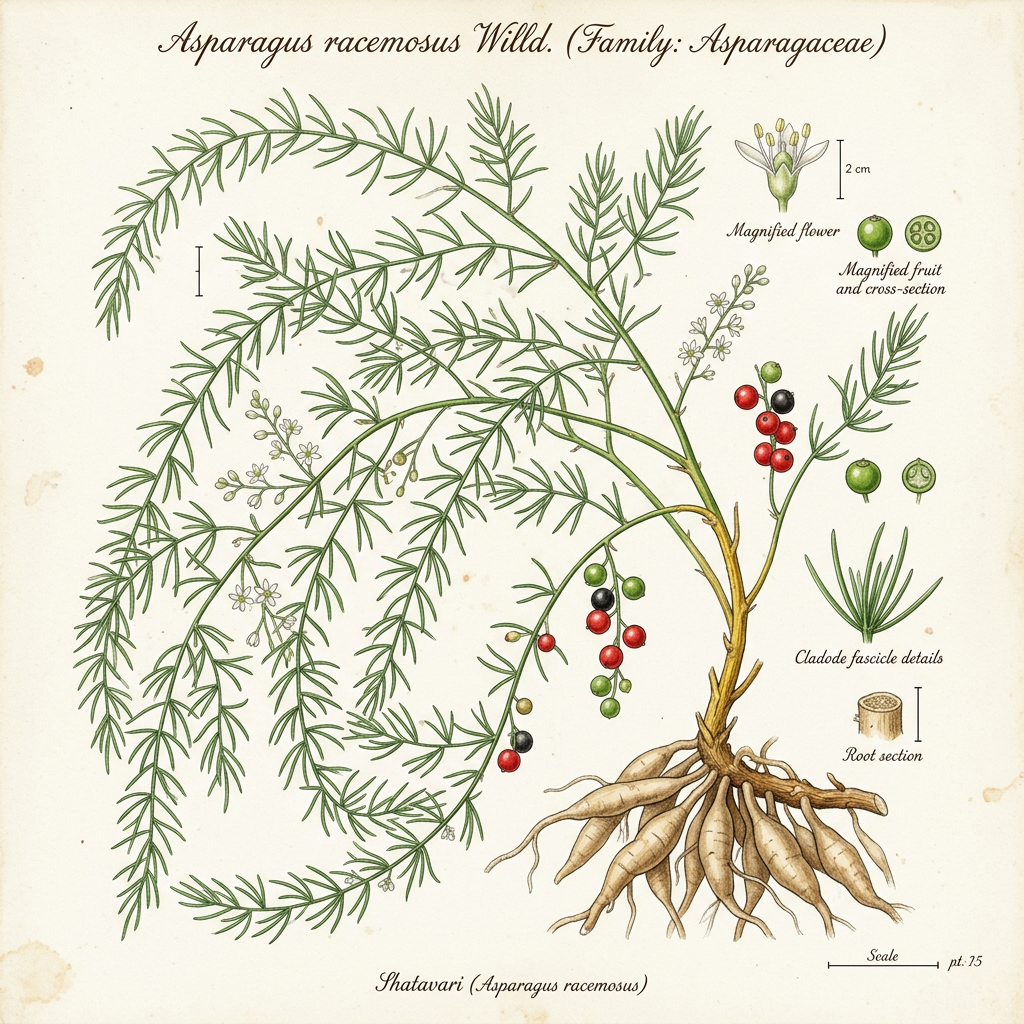
Shatavari

Shatavari

Asparagus racemosus

Hormonal Balance
Anise

Anise

Pimpinella anisum

Digestive Tonic