The Wild Sage logo
The Wild Sage Logo

Herbal Medicine at your fingertips

Comprehensive database of herbal remedies with detailed safety information and traditional uses

New to herbal terms? Read the glossary →
ADHD
Abcess
Acid Reflux Relief
Acinetobacter
Acne
Acne Vulgaris
Addisons
Adenomyosis
Adenovirus
Adrenal fatigue
Aging
Aids
Alcaligenes faecalis
Alcoholism
Allergic Rhinitis
Allergies
Allergy
Alopoecia
Alopoecia nervosa
Alzheimer's, Dementia & Cognitive Decline
420 herbs found
Important: This information is for educational purposes only. Always consult with qualified healthcare professionals before using herbal remedies, especially if you have existing health conditions or take medications.
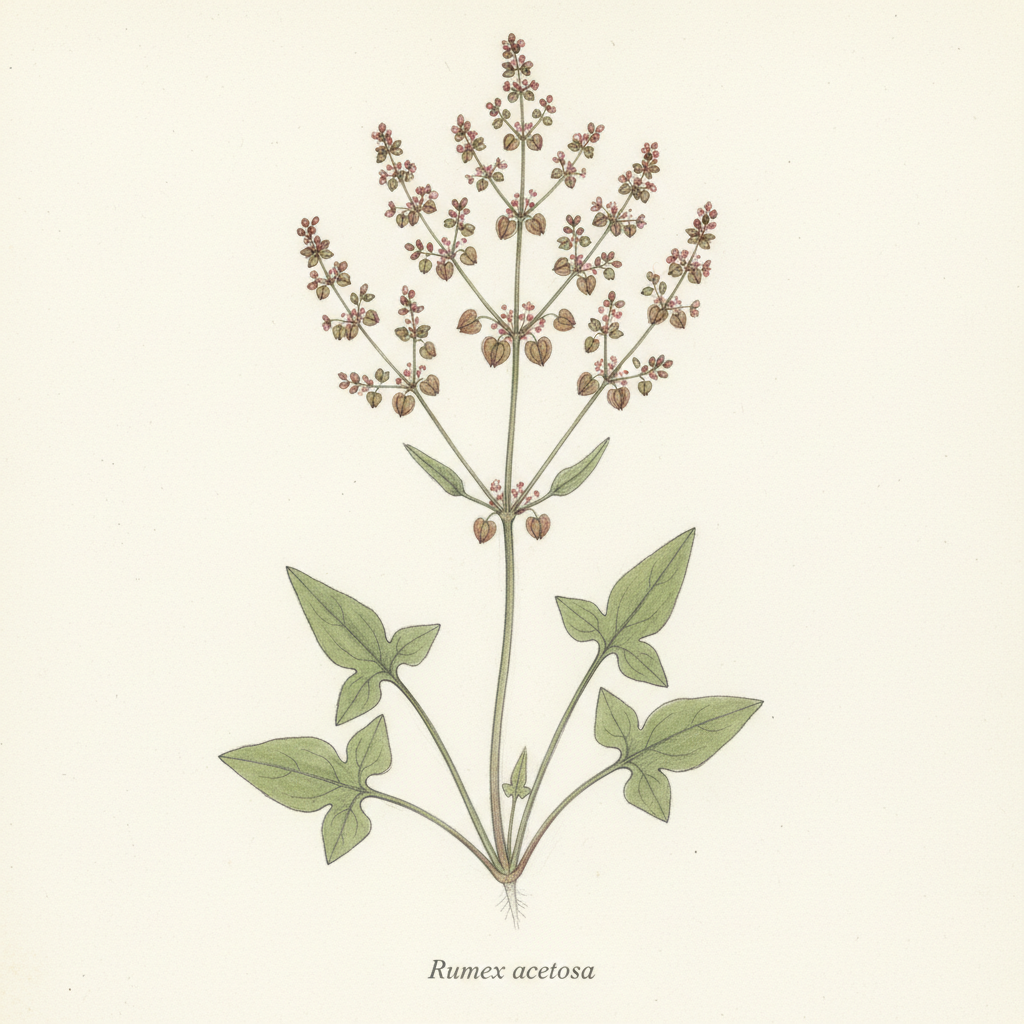
Sorrel

Sorrel

Rumex acetosa

low risk Risk
Polygonaceae
cooling and moistening
<p>Rumex acetosa, commonly known as sorrel, is a perennial herbaceous plant belonging to the Polygonaceae family. Historically, this vibrant green plant has been utilized in various traditional medicine systems across Europe and North America. For centuries, indigenous cultures have valued sorrel not only for its culinary uses—often featured in soups and salads—but also for its medicinal properties. Traditionally, it has been employed to support digestive health, act as a diuretic, and alleviate inflammatory conditions. The leaves, rich in flavors, have been used to impart a tangy zest to dishes, while also serving as a source of essential vitamins and minerals. The therapeutic potential of Rumex acetosa is recognized for its impressive array of bioactive compounds, including oxalic acid, flavonoids, and vitamins A and C. These constituents contribute to its renowned antioxidant, anti-inflammatory, and antimicrobial properties. Sorrel is believed to promote digestion by stimulating gastric secretions, thus enhancing nutrient absorption. Additionally, its diuretic effects may aid in detoxifying the body and supporting urinary tract health. The herb’s high vitamin C content supports immune function and skin health, while its anti-inflammatory characteristics make it a valuable ally in managing conditions like arthritis and skin irritations. Mechanistically, the benefits of Rumex acetosa can be attributed to its rich phytochemical profile, which interacts with various biological pathways within the body. The presence of flavonoids suggests potential modulation of inflammation through the inhibition of pro-inflammatory mediators, while its diuretic action facilitates the elimination of toxins and excess fluids. Furthermore, the nutritional components, such as vitamins and minerals, contribute to the overall maintenance of health, including supporting metabolic processes and enhancing bodily resistance against pathogens. As research continues to explore the full extent of its medicinal potential, Rumex acetosa stands out as a compelling subject for further study, promising to enrich modern herbal medicine with its traditional legacy.</p>

Uses & Conditions

Antioxidant support
Metabolic support
Nutrient absorption
Skin health
Detoxification
Renal calculus
Kidney stones
Constipation
Chemotherapy
Arthritis
Skin irritations

Actions

Alterative
Diaphoretic
Refrigerant
COX 2 Inhibitor
Hypocholesterolemic
Diuretic
Antimicrobial

Parts Used

Aerial

Native Countries

Europe
North America

USDA Hardiness Zones

3
4
5
6
7

Contraindications

  • Kidney stones due to high oxalic acid content
  • Chronic kidney disease with impaired renal function
  • Gout due to impact on uric acid metabolism
  • Pregnancy and breastfeeding
  • Hyperparathyroidism

Potential Side Effects

  • Gastrointestinal upset including nausea or abdominal discomfort
  • Nephrolithiasis with chronic or excessive intake
  • Contact dermatitis on sensitive skin

Interactions

  • Diuretic medications may potentiate effects and cause electrolyte imbalance
  • Lithium renal clearance may be altered
  • Warfarin and antiplatelet drugs due to potential vitamin K content

Dosages, tincture ratios & research — members only

Unlock Garreth's dosing guidance, tincture ratios, the dosage calculator and the research studies for Sorrel.

Your assessment and results stay saved — upgrading only unlocks more of them.

See membership plans

Community Photos

No community photos yet. Sign in to upload photos.

Reviews & Ratings

Sign in to leave a review.

No reviews yet. Be the first!

GF

Garreth Falls — B.Th., Dip. H.M., MNIMH

Content curated and reviewed by Garreth Falls, Consultant Medical Herbalist · The Wild Sage

Medical Disclaimer: This information is for educational purposes only and is not intended as medical advice. Always consult with qualified healthcare professionals before starting any herbal treatment.
Western tradition

Sustainability & quality

Abundant

Common garden weed; harvest away from areas treated with pesticides.

Key constituents

Oxalic acid, Ascorbic acid (Vitamin C), Flavonoids, Tannins, Anthraquinones, Essential oils

References

  1. Herbal Reality. Herb monographs. herbalreality.com

Reviewed by Garreth, Medical Herbalist (MNIMH) · November 2026

Related conditions

Explore conditions where Sorrel is traditionally used.

Related Herbs
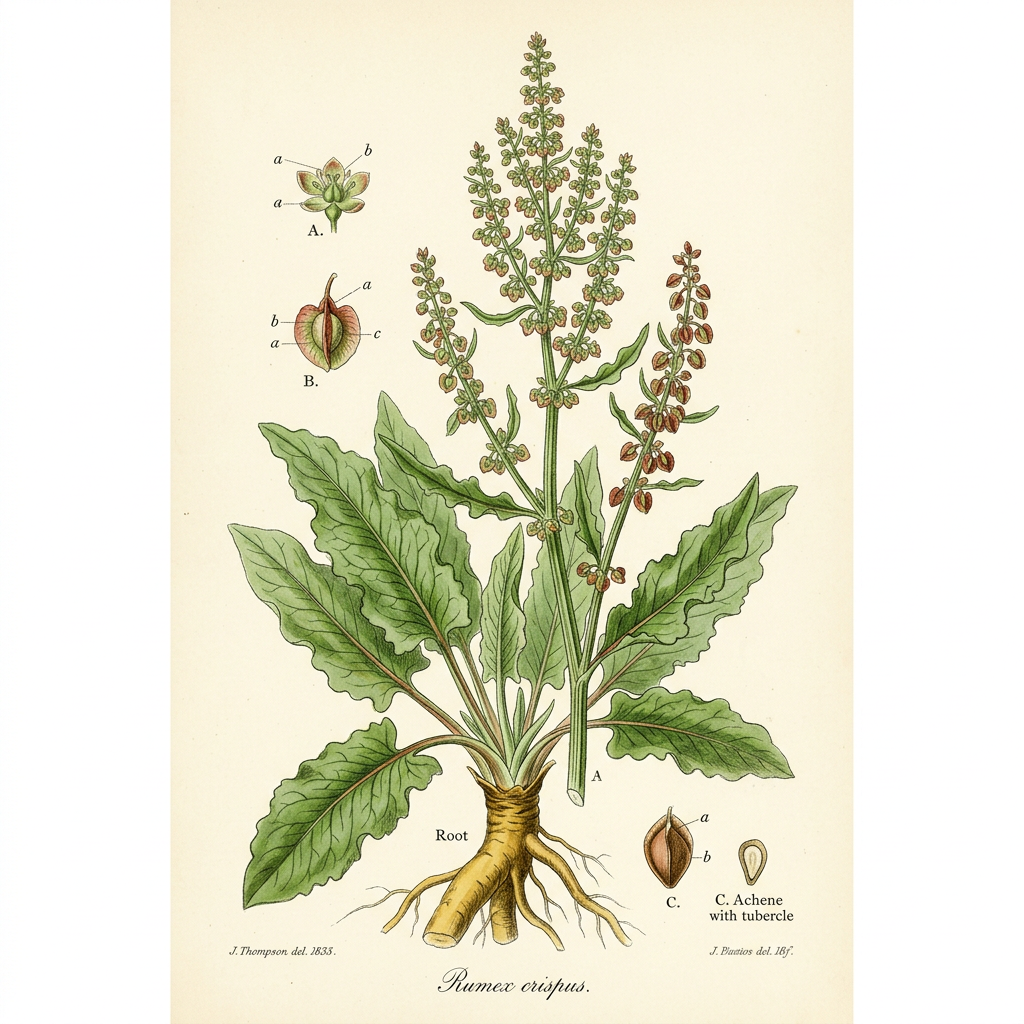
Yellow Dock

Yellow Dock

Rumex crispus

Blood Purification
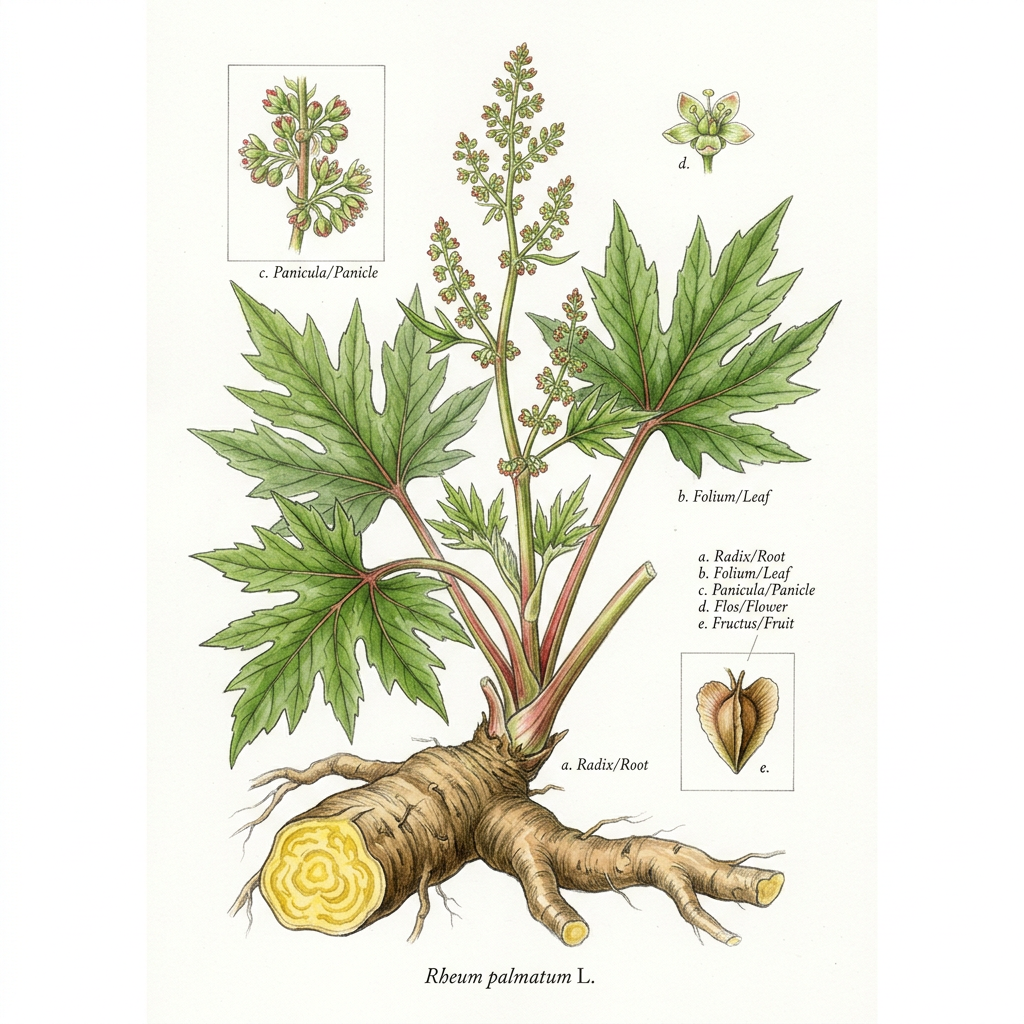
Chinese rhubarb

Chinese rhubarb

Rheum palmatum

Digestive Aid
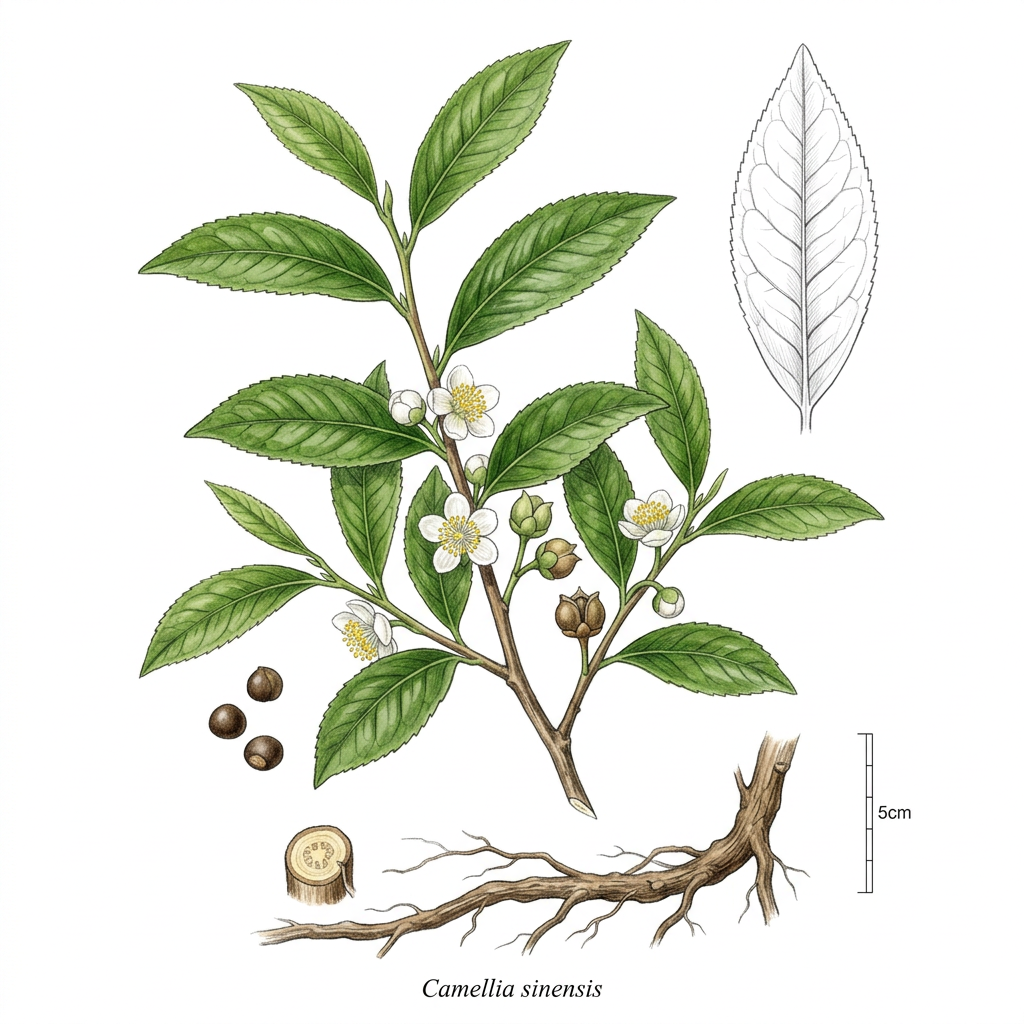
Green Tea

Green Tea

Camellia sinensis

Hypertension
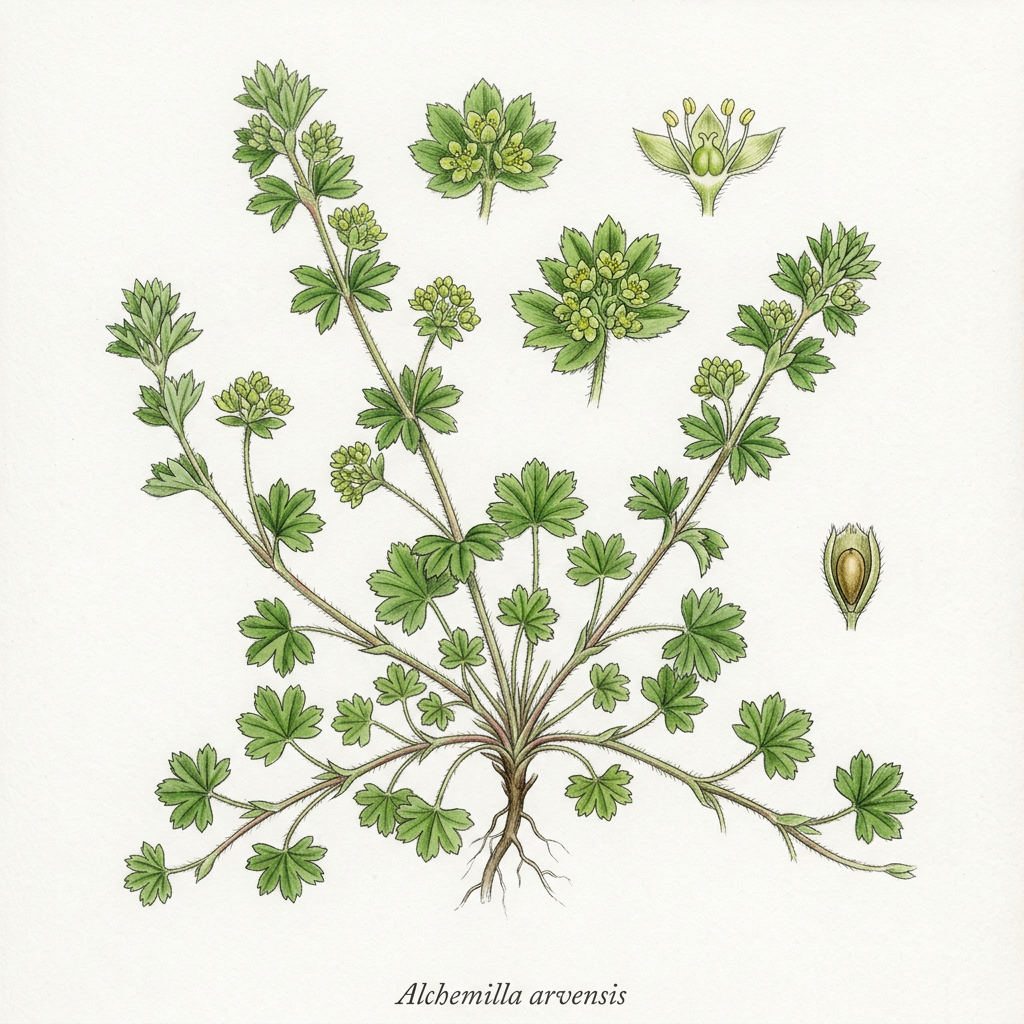
Parsley Piert

Parsley Piert

Alchemilla arvensis

Digestive Health