

Herbal Medicine at your fingertips
Comprehensive database of herbal remedies with detailed safety information and traditional uses
New to herbal terms? Read the glossary →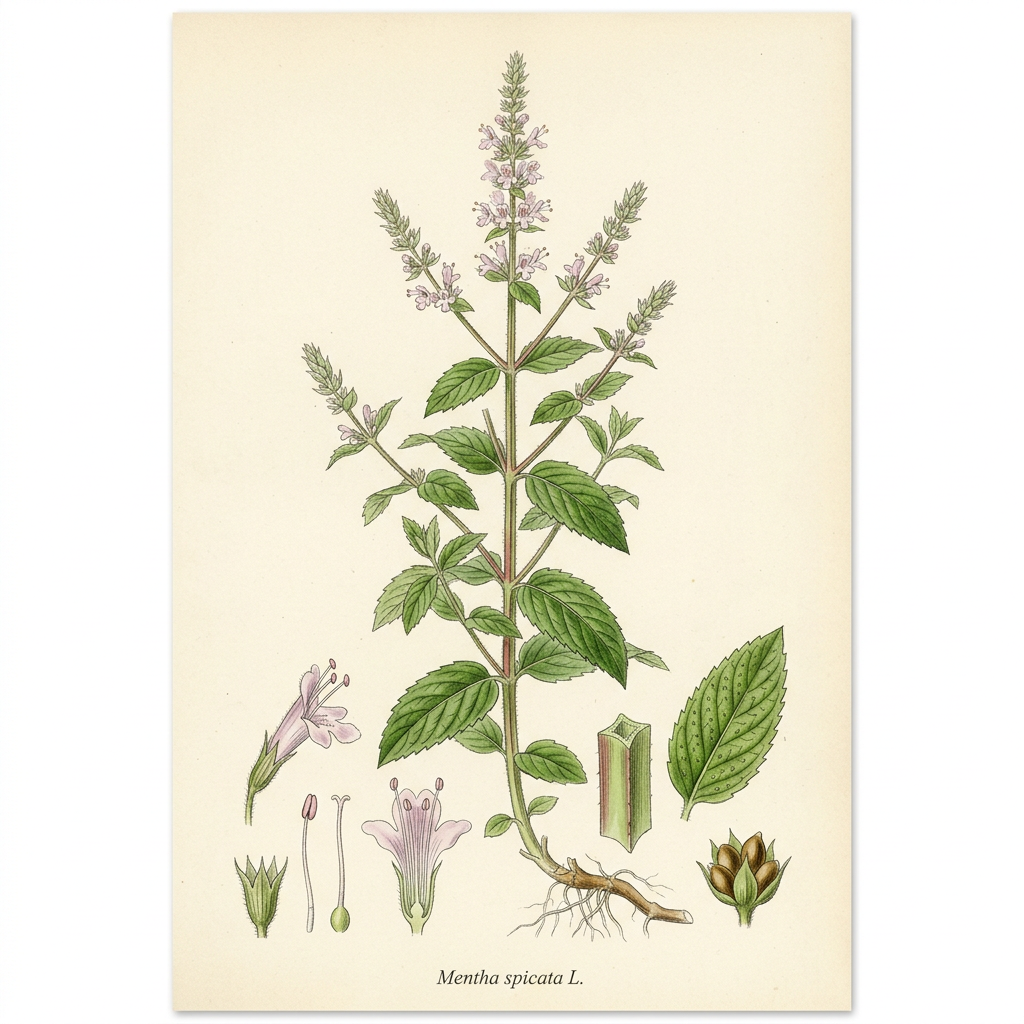
Spearmint
Mentha spicata
Uses & Conditions
Actions
Parts Used
Native Countries
USDA Hardiness Zones
Preparations & Dosage
- Infusion: 3-6g of dried material in one cup of boiling water, infused for 10-15 minutes, drunk hot three times a day
- Tincture: 1:5 in 45% ethanol, 1-3ml in a little water up to three times a day
- Topical Application: essential oil diluted to no more than 1% in a carrier oil for soothing local application to the temples or abdomen
Maximum weekly dose: None
Contraindications
- Gastro-oesophageal reflux disease (GORD): can exacerbate symptoms by relaxing the lower oesophageal sphincter
- Severe gallbladder disease or bile duct obstruction: use with caution due to choleretic effects
- Pregnancy: avoid high or therapeutic doses as a precautionary measure
- Breastfeeding: excess use may be associated with reduced milk supply in some individuals
- Infants and small children: avoid applying essential oil near the face due to risk of laryngospasm
Potential Side Effects
- Heartburn or acid reflux in sensitive individuals
- Occasional mild skin irritation following topical application
- Gastrointestinal upset if consumed in significant excess
Interactions
- Ciclosporin: theoretical potential for interactions due to modulation of metabolic pathways
- Sedative medications: may have an additive effect when combined with CNS depressants
- Antacids: may diminish the efficacy of spearmint if taken simultaneously by reducing the relief of associated dyspepsia
- Prescription medicines: observe a two-hour window between ingestion of herbal preparations and pharmaceutical drugs
Dosage Calculator
Community Photos
No community photos yet. Sign in to upload photos.
Scientific Studies & Sources
Spearmint herbal tea has significant anti-androgen effects in polycystic ovarian syndrome. A randomized controlled trial
The efficacy of an herbal medicine, Carmint, on the relief of abdominal pain and bloating in patients with irritable bowel syndrome: a pilot study
Antiemetic activity of volatile oil from Mentha spicata and Mentha × piperita in chemotherapy-induced nausea and vomiting
Reviews & Ratings
Sign in to leave a review.
No reviews yet. Be the first!
Garreth Falls — B.Th., Dip. H.M., MNIMH
Content curated and reviewed by Garreth Falls, Consultant Medical Herbalist · The Wild Sage
Sustainability & quality
AbundantEasily grown in most temperate gardens; usually abundant. Use fresh or properly dried leaves for tincture preparation.
Key constituents
Carvone, Limonene, Dihydrocarvone, 1, 8-cineole, Rosmarinic acid, Flavonoids, Phenolic acids, Triterpenes
References
- ESCOP Monographs 2nd ed. 2003
- British Herbal Pharmacopoeia 1983
- Herbal Reality. Herb monographs. herbalreality.com
Reviewed by Garreth, Medical Herbalist (MNIMH) · November 2026
Related conditions
Explore conditions where Spearmint is traditionally used.
Related Herbs
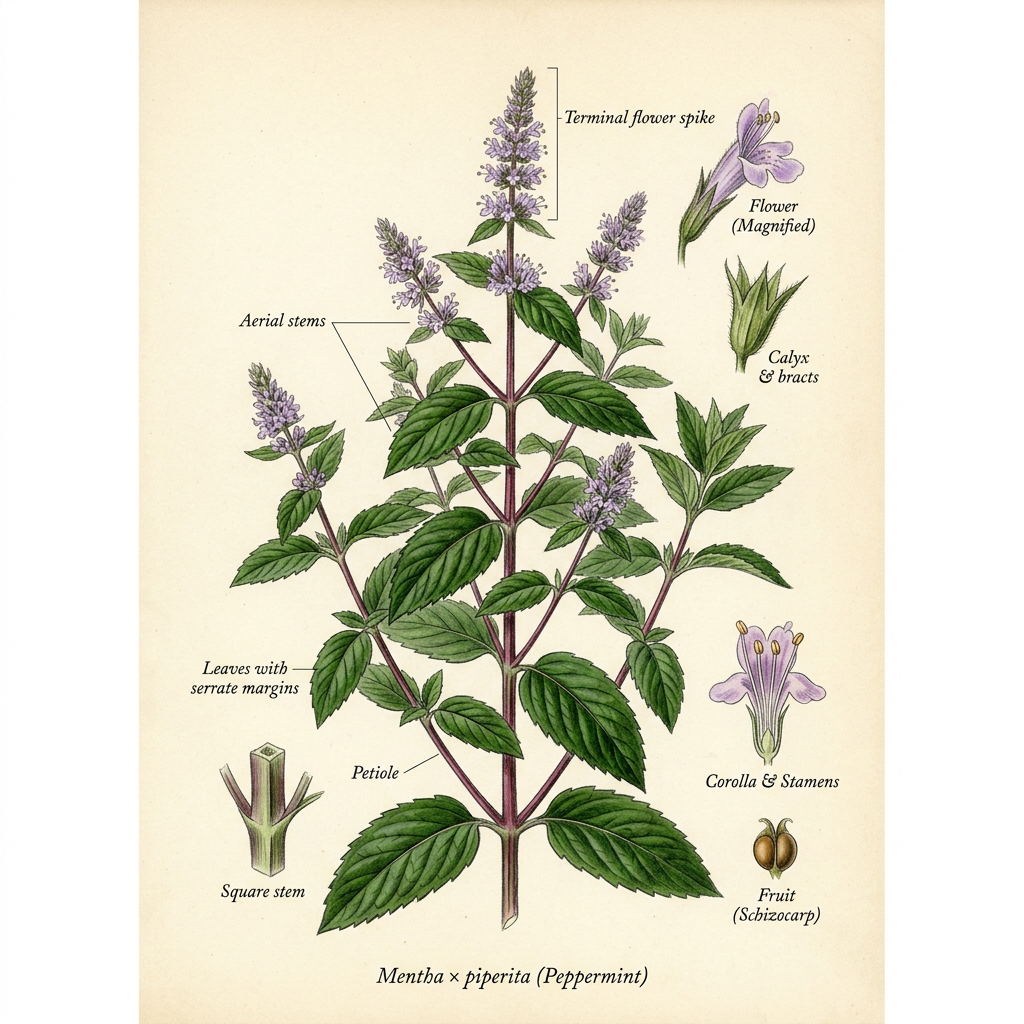
Peppermint
Mentha x piperita
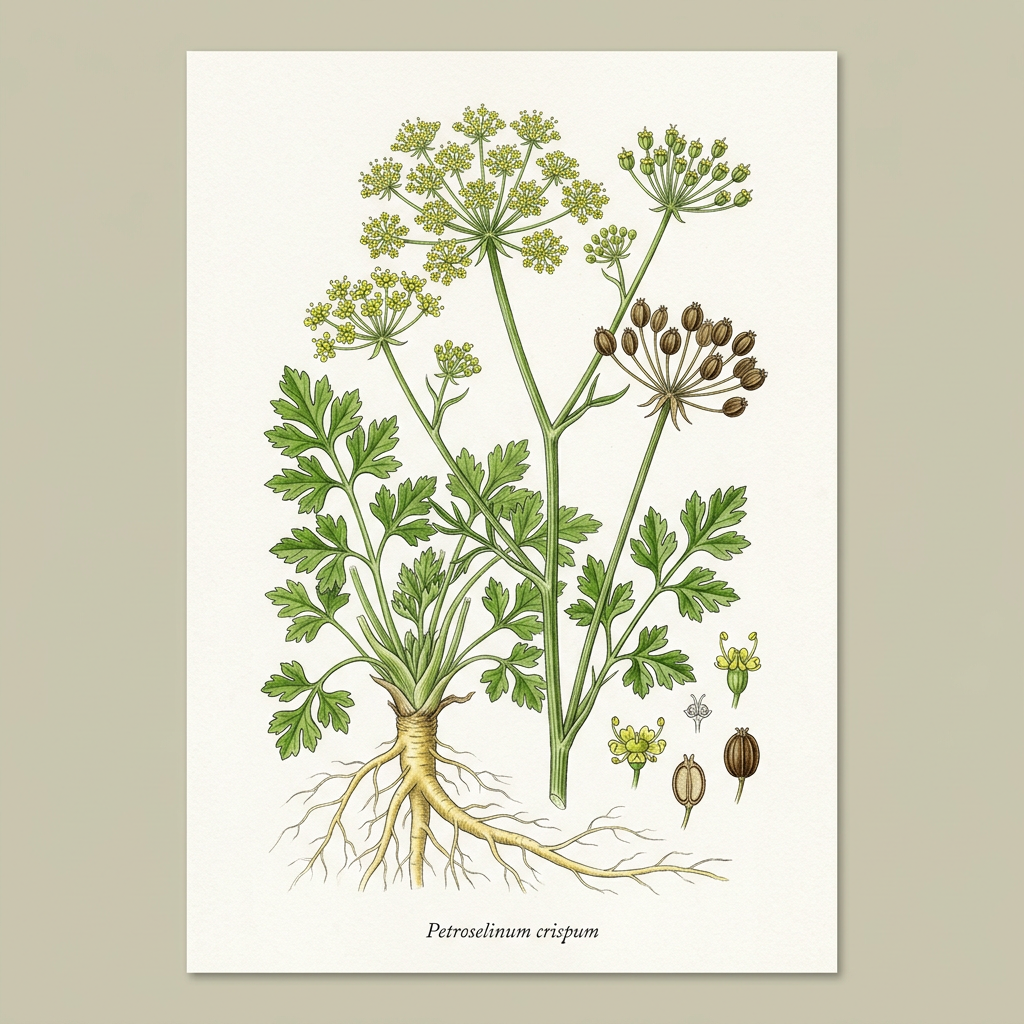
Parsley
Petroselinum crispum
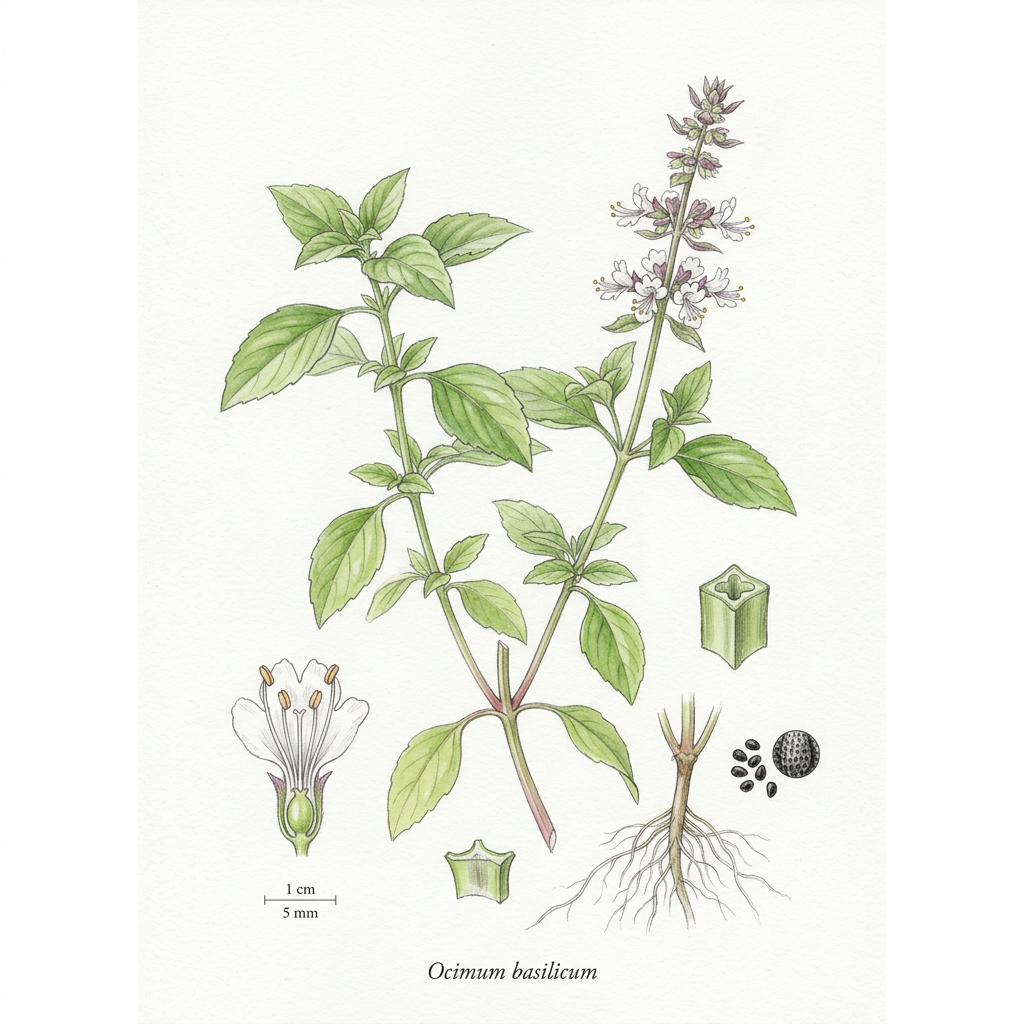
Basil
Ocimum basilicum
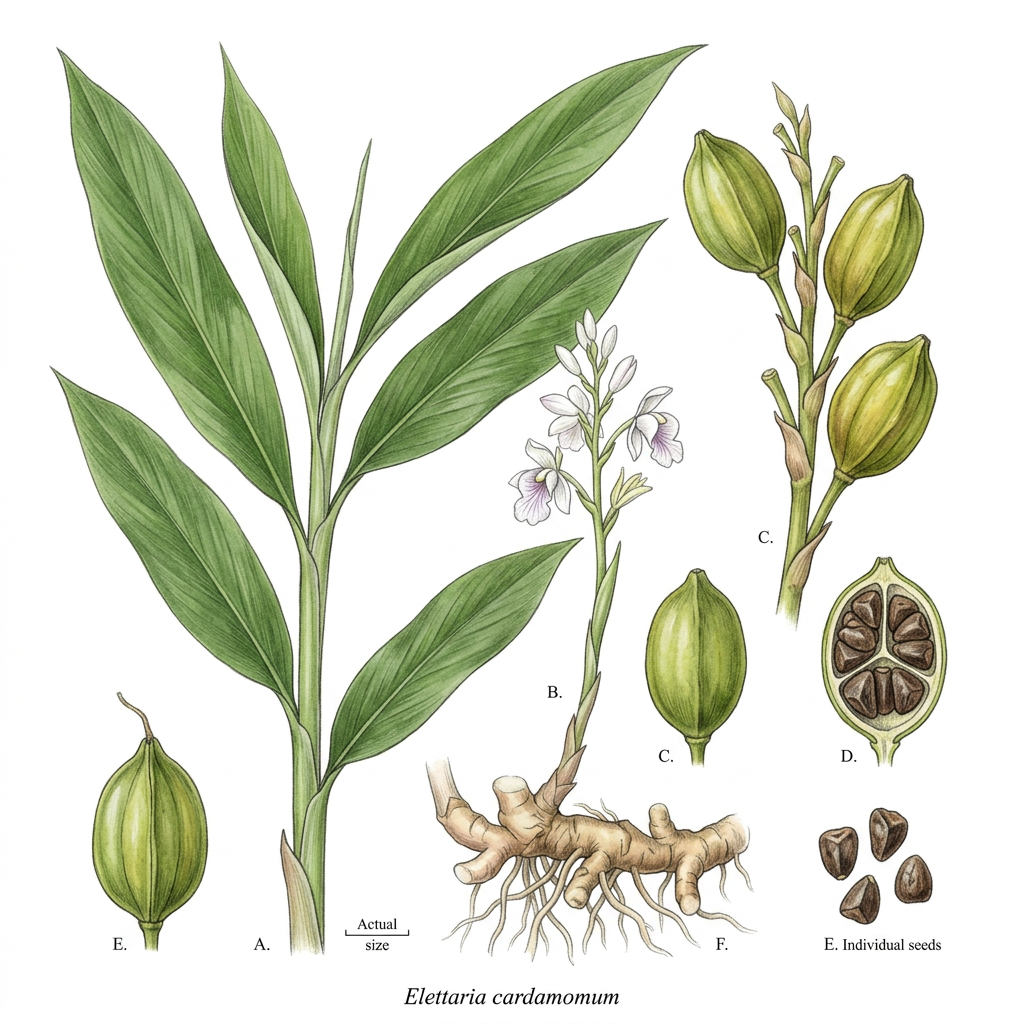
Cardamom
Elettaria cardamomum