The Wild Sage logo
The Wild Sage Logo

Herbal Medicine at your fingertips

Comprehensive database of herbal remedies with detailed safety information and traditional uses

New to herbal terms? Read the glossary →
ADHD
Abcess
Acid Reflux Relief
Acinetobacter
Acne
Acne Vulgaris
Addisons
Adenomyosis
Adenovirus
Adrenal fatigue
Aging
Aids
Alcaligenes faecalis
Alcoholism
Allergic Rhinitis
Allergies
Allergy
Alopoecia
Alopoecia nervosa
Alzheimer's, Dementia & Cognitive Decline
420 herbs found
Important: This information is for educational purposes only. Always consult with qualified healthcare professionals before using herbal remedies, especially if you have existing health conditions or take medications.
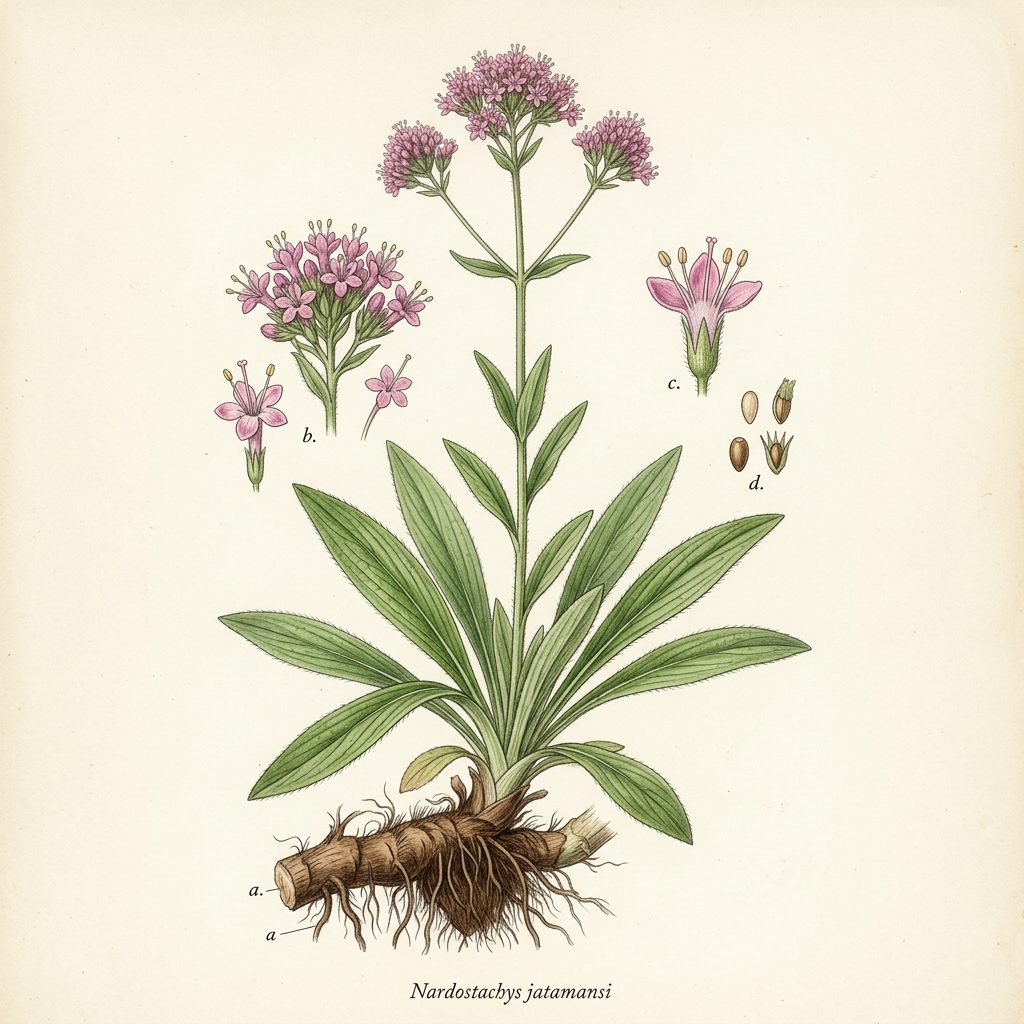
Spikenard

Spikenard

Spikenard

low risk Risk
Valerianaceae
<p>Nardostachys jatamansi, commonly known as Spikenard, is a perennial flowering plant native to the alpine regions of the Himalayas. Belonging to the Valerianaceae family, it is easily identified by its characteristic rhizomatous rootstock and clusters of bell-shaped, pale pink or purple flowers that bloom at high altitudes. The aromatic roots have been prized for millennia, historically valued for their heavy, earthy scent in perfumes and as an anointing oil in traditional Ayurvedic and Eastern medicinal practices.</p><p>Traditionally used for its grounding and calming properties, Spikenard has long been associated with the nervous system, historically employed to support emotional balance, soothe the mind during times of stress, and encourage restful sleep. Practitioners have also historically utilized it to support digestive function, particularly when tension manifests in the gut, and as a tonic for the female reproductive system.</p><p>Modern herbal practice and limited pharmacological studies suggest that the sesquiterpenes found in the root, such as jatamansone, may exert mild sedative and antispasmodic effects. While scientific data is still emerging, the plant remains a staple in integrative care for its potential to help modulate the body's response to stress. In clinical practice, it is often selected for patients presenting with nervous exhaustion, 'tired but wired' states, or mild digestive discomfort linked to anxiety.</p>

Uses & Conditions

Nervous System Support
Emotional Balance
Detoxification
Immunity Support
Anxiety
Stress
Sleep Disorders
Depression
Restlessness
Digestive Disorders
Respiratory Conditions
Inflammation
Hormonal Imbalance
Pain
Skin Conditions
Muscle Tension
Headaches
Fatigue

Actions

Calming
Relaxant

Parts Used

Dried rhizome
Dried roots

Native Countries

Himalayan regions
Nepal
India
China
Japan

USDA Hardiness Zones

5
6
7
8

Contraindications

  • Pregnancy: Not recommended due to lack of safety data
  • Breastfeeding: Avoid due to insufficient evidence regarding infant safety
  • Surgery: Discontinue use at least two weeks before scheduled procedures
  • Hypersensitivity: Avoid if there is a known allergy to the Valerianaceae family
  • Children: Use not recommended without professional supervision

Potential Side Effects

  • Mild gastrointestinal upset or nausea
  • Dizziness or drowsiness in sensitive individuals
  • Headache following high-dose ingestion

Interactions

  • Sedative medications: may potentiate the effects of benzodiazepines, barbiturates, or other CNS depressants
  • Anticoagulants: use with caution as some valerianaceous plants may have mild blood-thinning properties
  • Alcohol: may increase sedative effects when taken concurrently

Dosages, tincture ratios & research — members only

Unlock Garreth's dosing guidance, tincture ratios, the dosage calculator and the research studies for Spikenard.

Your assessment and results stay saved — upgrading only unlocks more of them.

See membership plans

Community Photos

No community photos yet. Sign in to upload photos.

Reviews & Ratings

Sign in to leave a review.

No reviews yet. Be the first!

GF

Garreth Falls — B.Th., Dip. H.M., MNIMH

Content curated and reviewed by Garreth Falls, Consultant Medical Herbalist · The Wild Sage

Medical Disclaimer: This information is for educational purposes only and is not intended as medical advice. Always consult with qualified healthcare professionals before starting any herbal treatment.
Ayurvedic tradition
Chinese tradition

Sustainability & quality

At risk

Due to high demand and slow growth, wild populations are threatened; source exclusively from certified cultivated farms.

Key constituents

Jatamansone, Bornyl acetate, Isovaleric acid, Sesquiterpenes, Nardostachone, Lignans, Volatile oils

References

  1. Bensky "Chinese Herbal Medicine: Materia Medica" 3rd ed. 2004
  2. Pole "Ayurvedic Medicine" 2006
  3. Herbal Reality. Herb monographs. herbalreality.com

Reviewed by Garreth, Medical Herbalist (MNIMH) · November 2026

Related conditions

Explore conditions where Spikenard is traditionally used.

Related Herbs
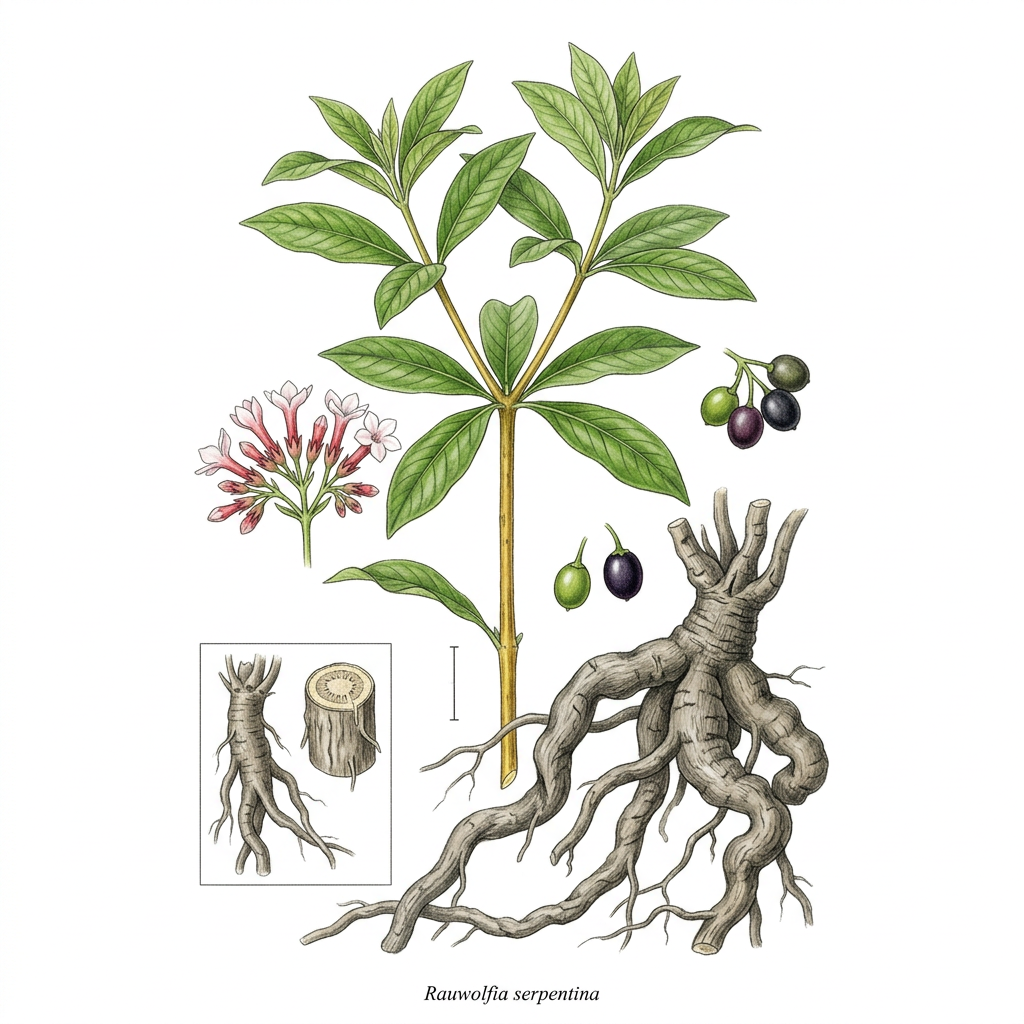
Indian Snakeroot

Indian Snakeroot

Rauwolfia serpentina
Mental clarity
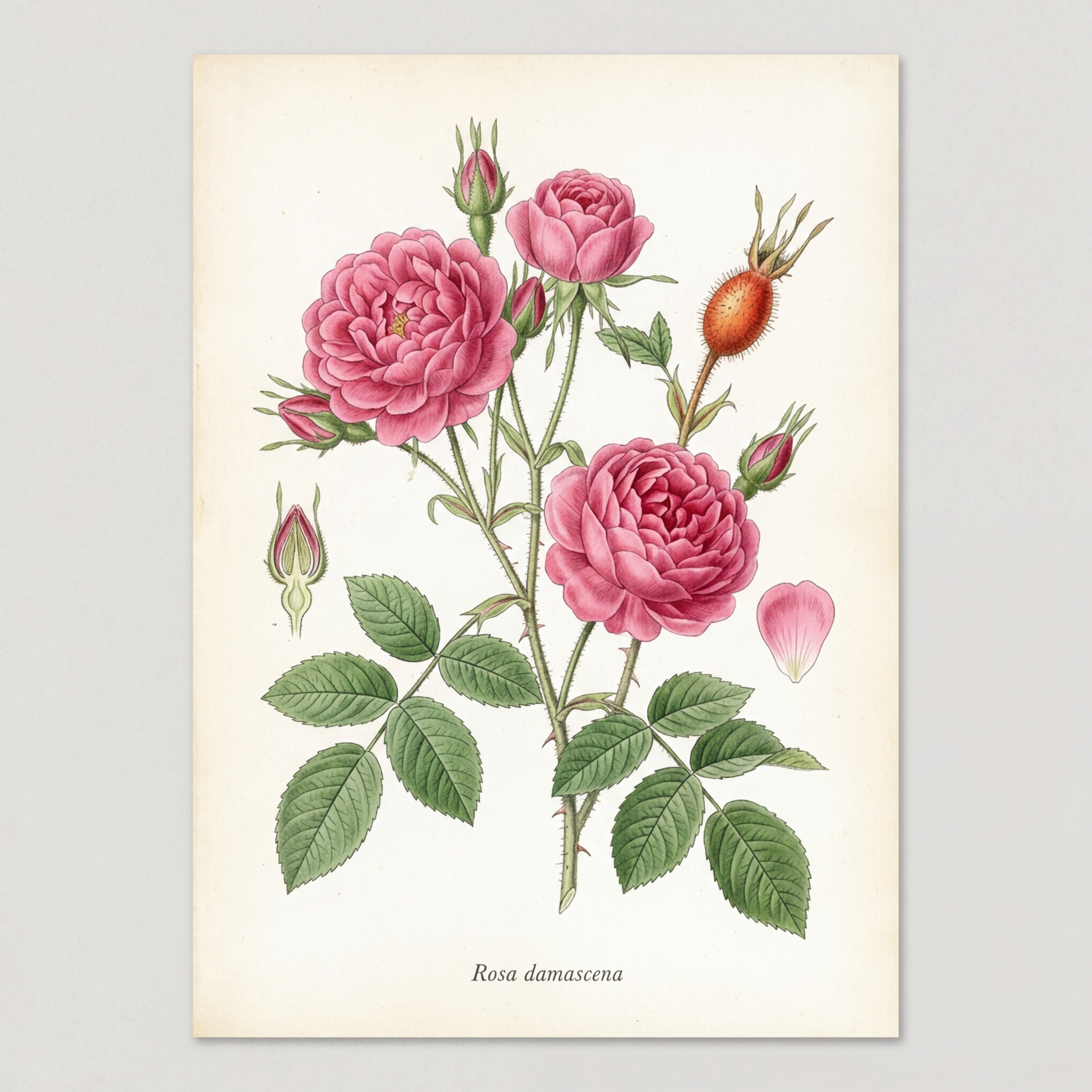
Rose

Rose

Rosa damascena

Mood Support
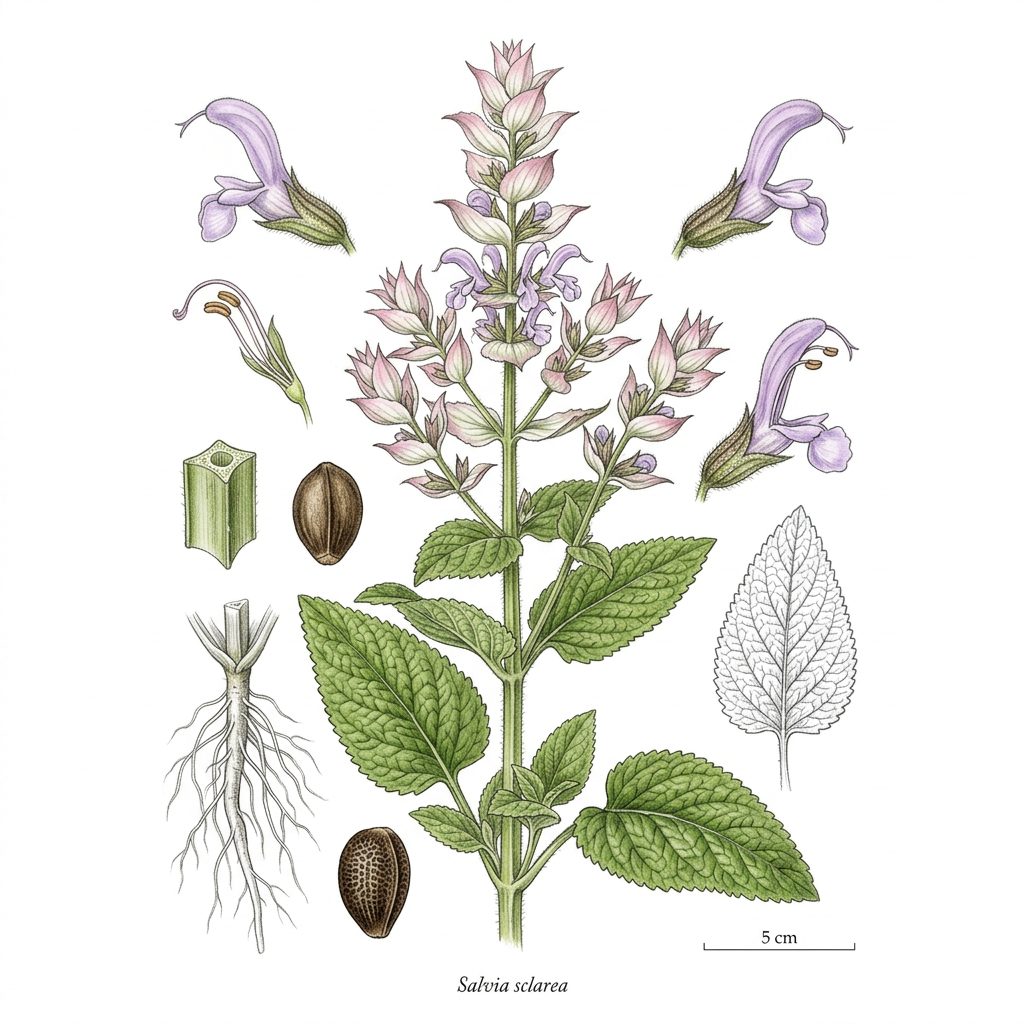
Clary sage

Clary sage

Salvia sclarea

Aromatherapy
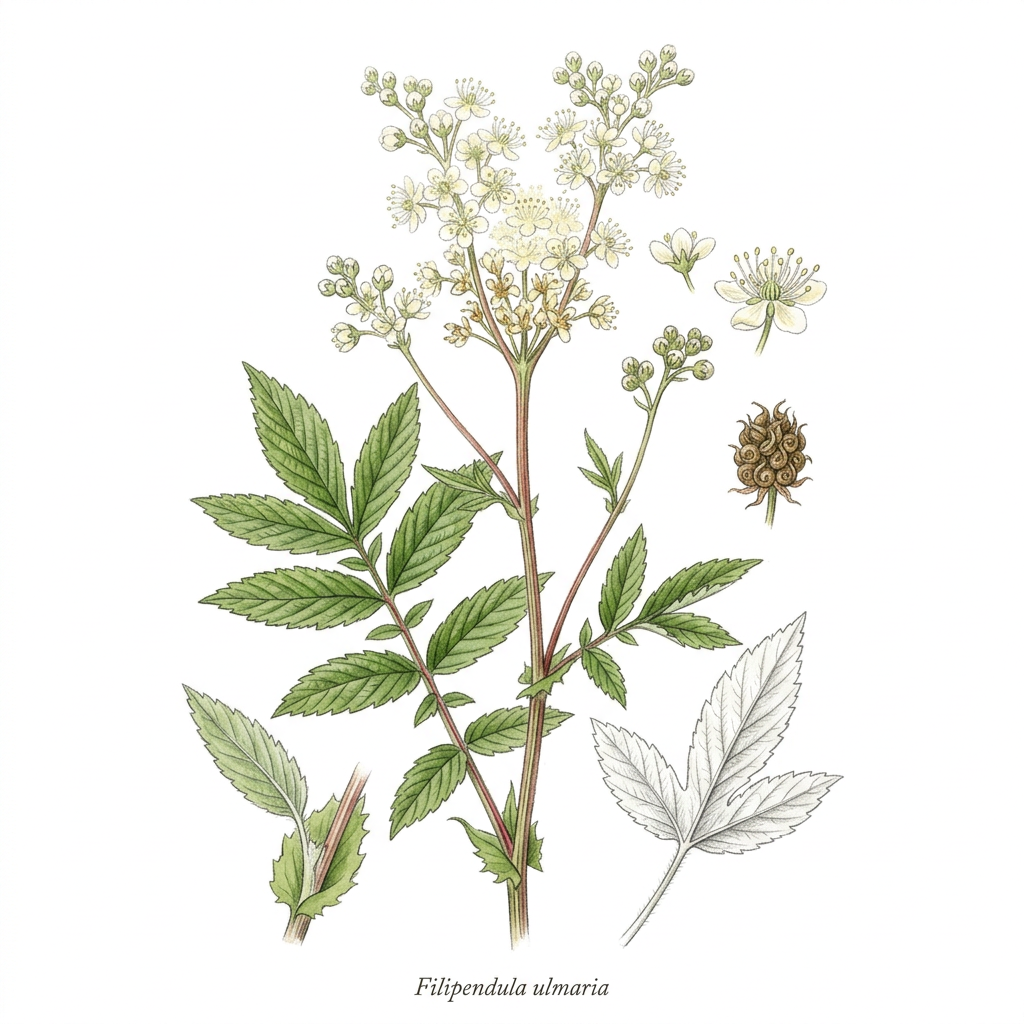
Filipendula ulmaria

Filipendula ulmaria

Filipendula ulmaria

Immune Support