The Wild Sage logo
The Wild Sage Logo

Herbal Medicine at your fingertips

Comprehensive database of herbal remedies with detailed safety information and traditional uses

New to herbal terms? Read the glossary →
ADHD
Abcess
Acid Reflux Relief
Acinetobacter
Acne
Acne Vulgaris
Addisons
Adenomyosis
Adenovirus
Adrenal fatigue
Aging
Aids
Alcaligenes faecalis
Alcoholism
Allergic Rhinitis
Allergies
Allergy
Alopoecia
Alopoecia nervosa
Alzheimer's, Dementia & Cognitive Decline
420 herbs found
Important: This information is for educational purposes only. Always consult with qualified healthcare professionals before using herbal remedies, especially if you have existing health conditions or take medications.
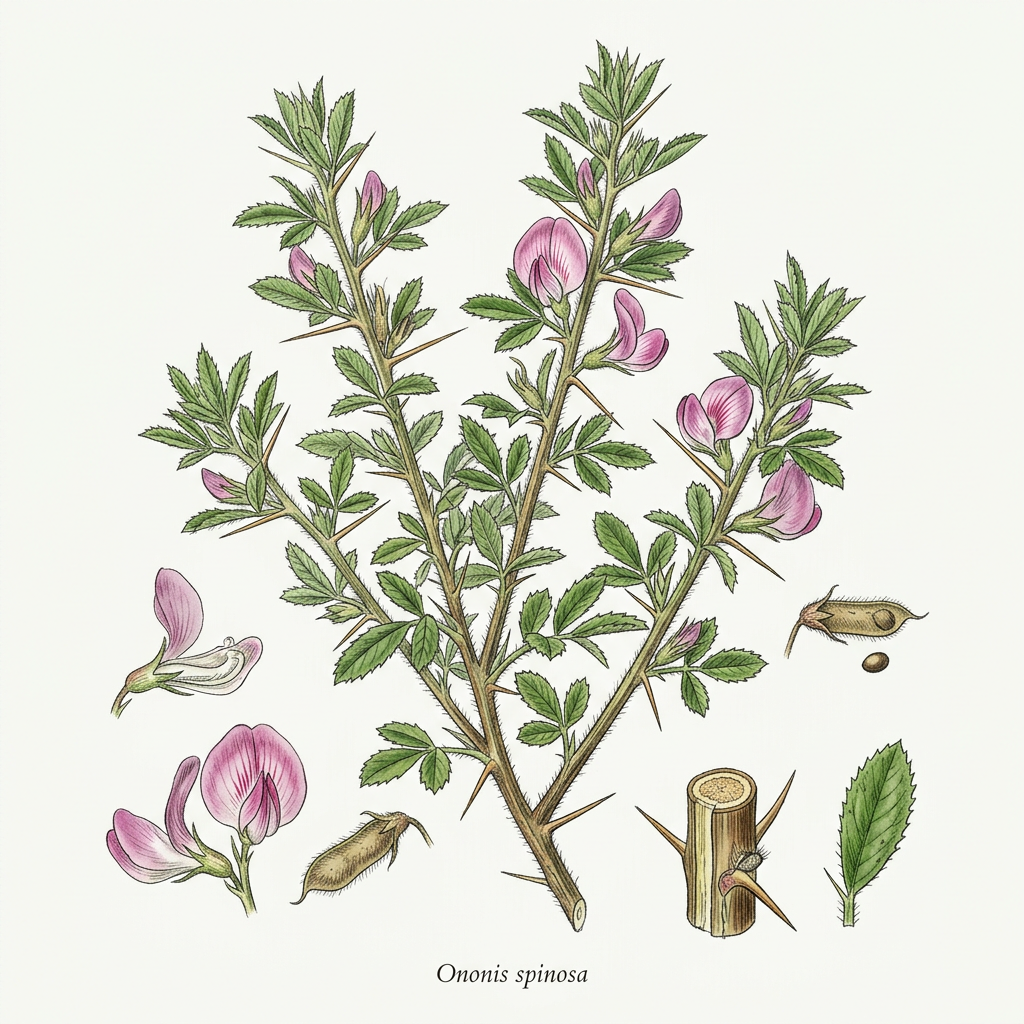
Spiny restharrow

Spiny restharrow

Ononis spinosa

low risk Risk
Fabaceae
<p>Ononis spinosa, commonly known as spiny restharrow, is a perennial herbaceous plant belonging to the Fabaceae family. Native to the Mediterranean region and parts of southern Europe, this resilient herb thrives in dry, sandy soils and is often found in meadows and open grasslands. Historically, Ononis spinosa has been utilized since ancient times in traditional herbal medicine systems, particularly in Europe and North Africa, where it was revered for its various therapeutic properties. Ancient herbalists sought this plant for its diuretic and anti-inflammatory benefits, often incorporating it into remedies aimed at improving urinary tract health and alleviating conditions such as kidney stones and rheumatism. Today, Ononis spinosa continues to pique the interest of herbalists and researchers alike as a potential natural remedy. **Therapeutic Properties and Benefits:** The therapeutic profile of Ononis spinosa is rich and multifaceted, primarily attributed to its active phytochemicals, including flavonoids, saponins, and tannins. These compounds impart a range of beneficial effects, with diuretic, anti-inflammatory, and astringent properties being the most notable. The diuretic action of Ononis spinosa enhances urinary flow, making it valuable in the treatment of urinary conditions, such as cystitis and urethritis. Furthermore, its anti-inflammatory effects can help alleviate symptoms associated with gout and arthritis by reducing joint inflammation and pain. Additionally, the herbal pharmacopoeia has highlighted its potential role in promoting digestive health and easing gastrointestinal discomfort, with saponins contributing to its ability to support gastrointestinal motility. **Mechanism of Action:** Ononis spinosa operates through several mechanisms within the body, predominantly by influencing the urinary and inflammatory pathways. The plant's diuretic properties stimulate kidney function, facilitating the excretion of excess fluids and waste products through urine, which is critical in the management of edema and hypertension. Its anti-inflammatory effects are thought to arise from the modulation of inflammatory mediators, thereby mitigating the body's adverse response to injury and infection. This herb further supports the body's natural detoxification processes and promotes healthy renal function, which contributes to overall well-being. The comprehensive profile of Ononis spinosa, supported by both historical use and contemporary research, underscores its potential as an ally in herbal therapies, inviting further exploration into its applications in modern herbal medicine.</p>

Uses & Conditions

Urinary Tract Health
Digestive Health
Detoxification
Cystitis
Urethritis
Kidney Stones
Rheumatism
Gout
Arthritis
Joint Inflammation
Gastrointestinal Discomfort
Edema
Hypertension
Fluid Retention

Actions

Diuretic
Anti-inflammatory

Parts Used

Dried root
Aerial parts

Native Countries

Mediterranean regions
Spain
Italy
Greece
North Africa

USDA Hardiness Zones

7
8
9

Contraindications

  • Oedema caused by impaired heart or kidney function
  • Pregnancy due to lack of safety data
  • Breastfeeding due to insufficient evidence of safety
  • Acute kidney inflammation

Potential Side Effects

  • Gastric irritation in sensitive individuals
  • Mild gastrointestinal upset
  • Nausea
  • Electrolyte imbalance if used excessively over prolonged periods

Interactions

  • Diuretic medication: may potentiate effect leading to electrolyte imbalance
  • Lithium: diuretic action may reduce excretion leading to increased serum levels
  • Antihypertensive medication: potential synergistic effect

Dosages, tincture ratios & research — members only

Unlock Garreth's dosing guidance, tincture ratios, the dosage calculator and the research studies for Spiny restharrow.

Your assessment and results stay saved — upgrading only unlocks more of them.

See membership plans

Community Photos

No community photos yet. Sign in to upload photos.

Reviews & Ratings

Sign in to leave a review.

No reviews yet. Be the first!

GF

Garreth Falls — B.Th., Dip. H.M., MNIMH

Content curated and reviewed by Garreth Falls, Consultant Medical Herbalist · The Wild Sage

Medical Disclaimer: This information is for educational purposes only and is not intended as medical advice. Always consult with qualified healthcare professionals before starting any herbal treatment.
Western tradition

Sustainability & quality

Abundant

Generally stable in its native European range; prefer cultivated sources for consistency.

Key constituents

Saponins, Tannin, Triterpenes, Volatile Oils, Rutin

References

  1. British Herbal Pharmacopoeia 1983
  2. ESCOP Monographs 2nd ed. 2003
  3. Herbal Reality. Herb monographs. herbalreality.com

Reviewed by Garreth, Medical Herbalist (MNIMH) · November 2026

Related conditions

Explore conditions where Spiny restharrow is traditionally used.

Related Herbs
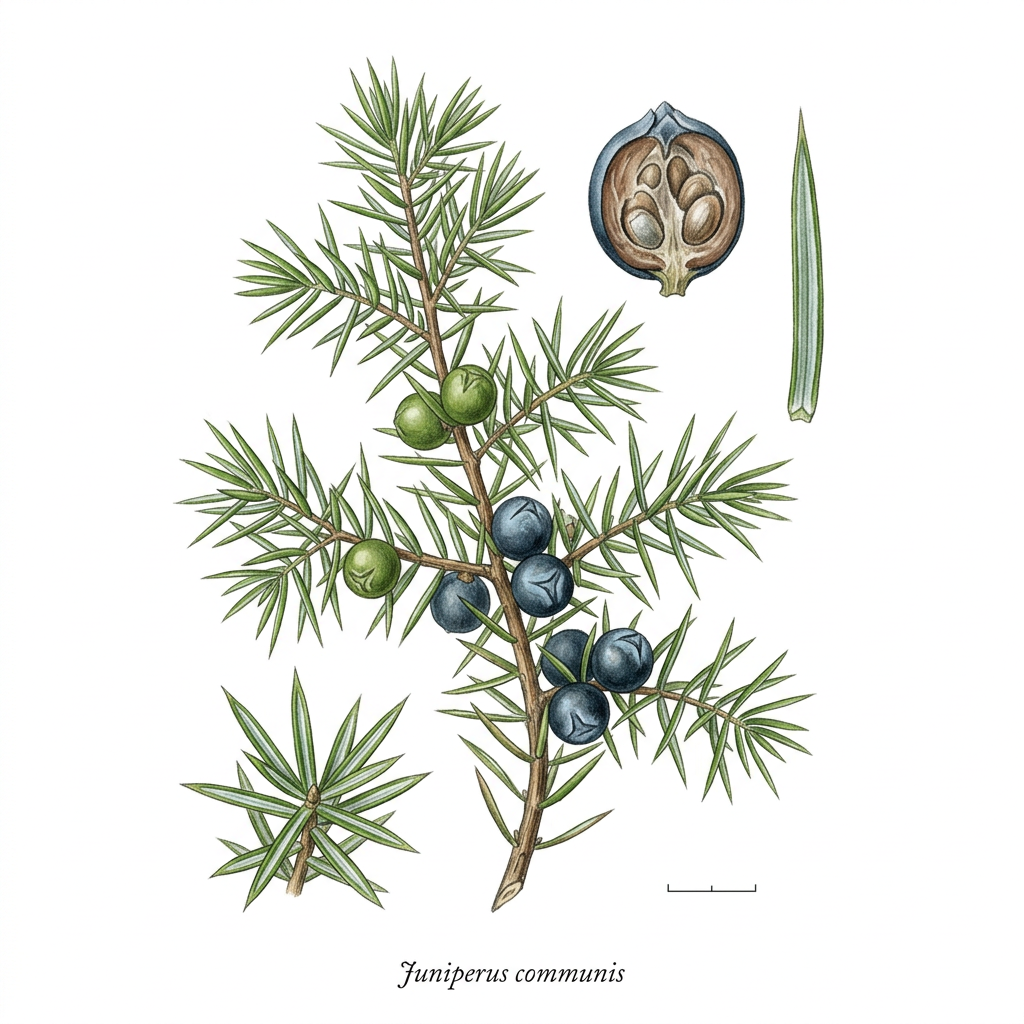
Juniper

Juniper

Juniperus communis

Urinary Tract Health
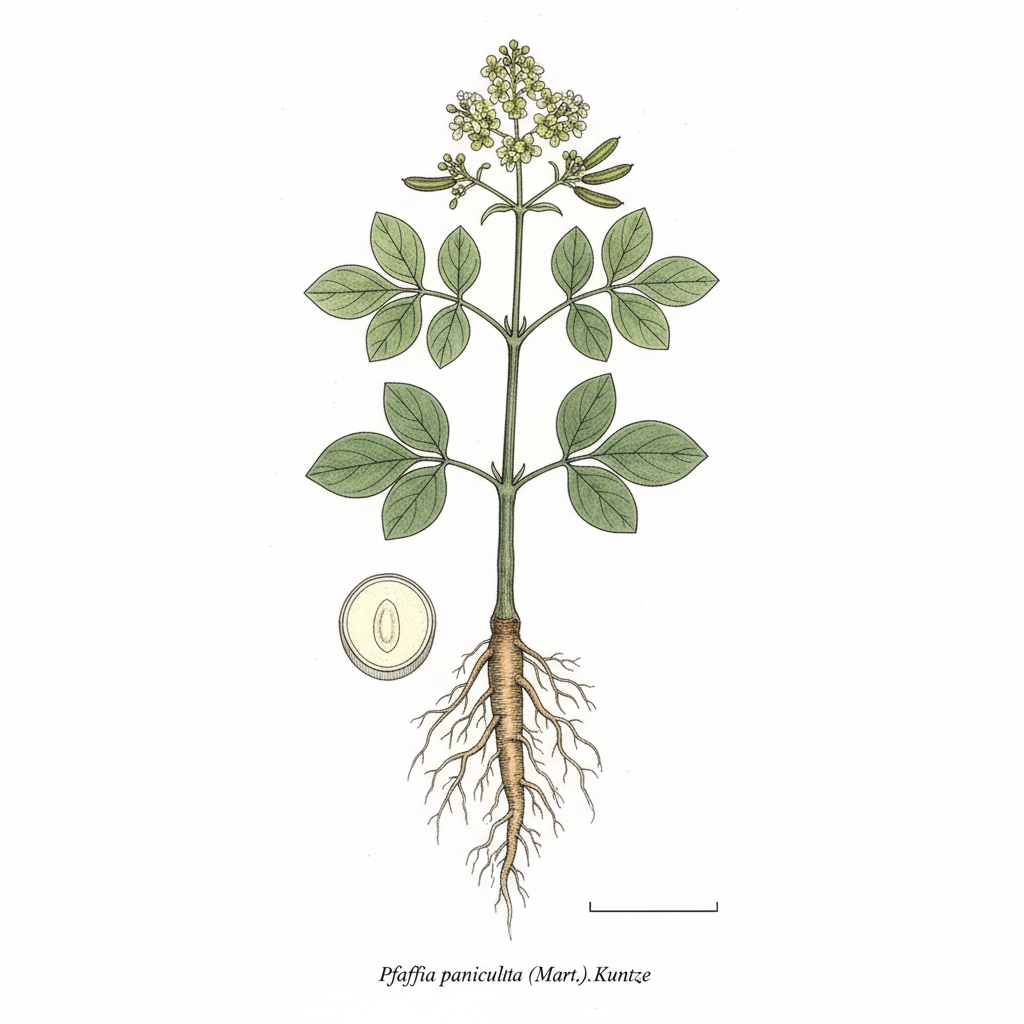
Brazillian ginseng

Brazillian ginseng

Pfaffia paniculata
Adaptation to Stress
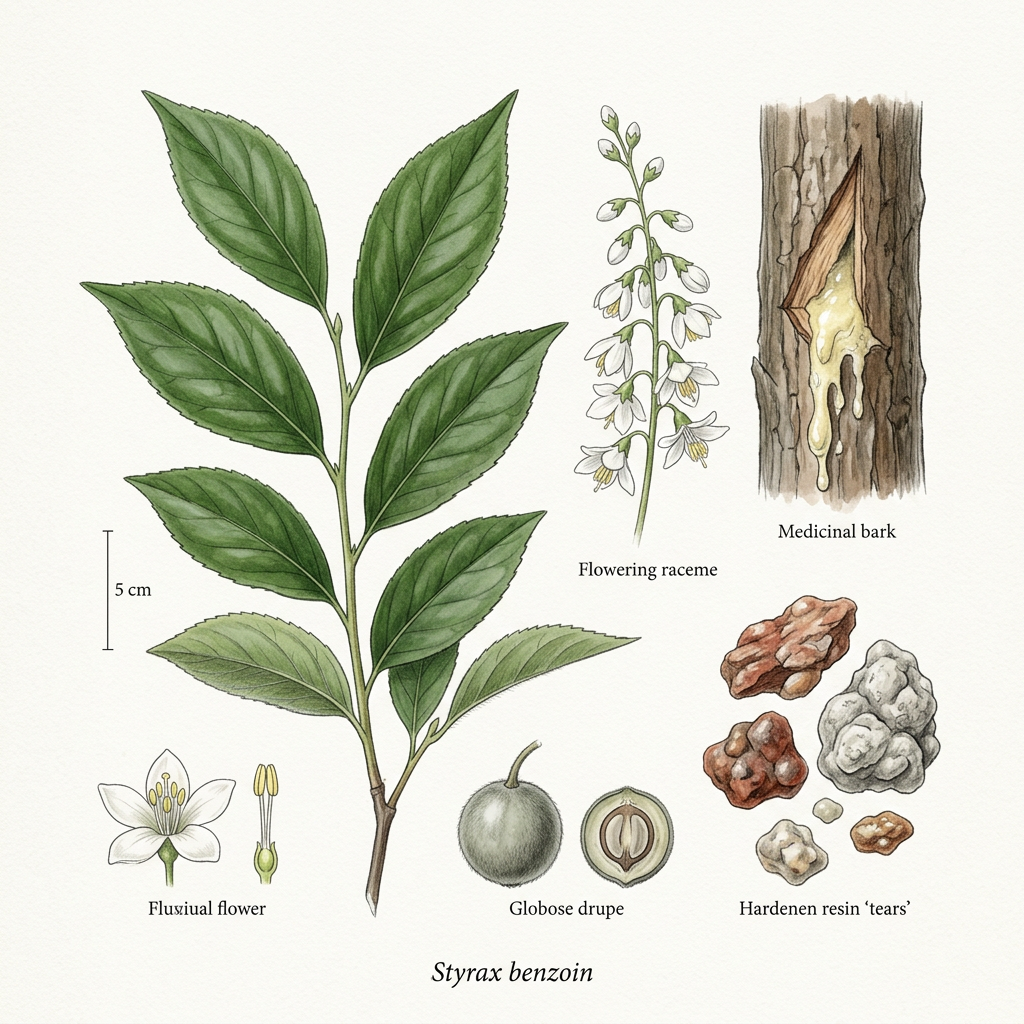
Benzoin

Benzoin

Styrax benzoin

Emotional distress
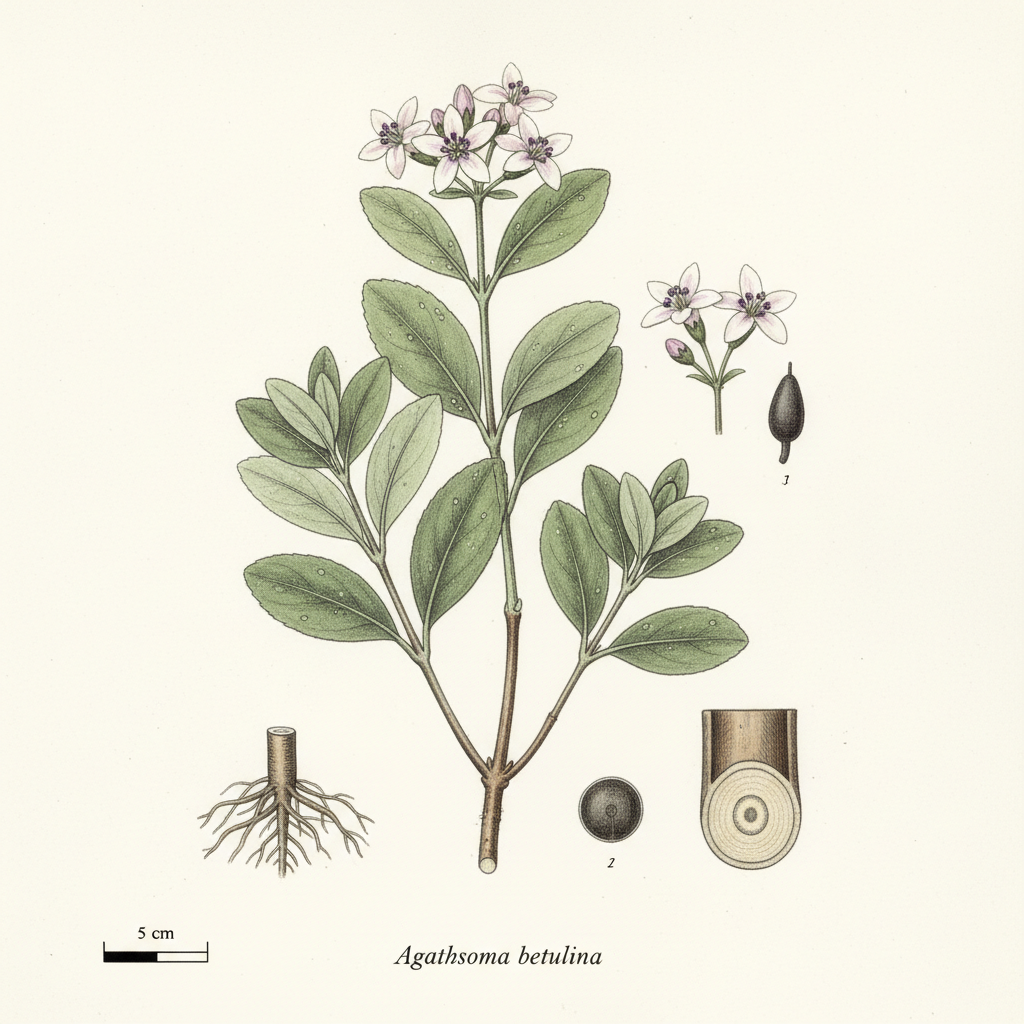
Buchu

Buchu

Agathosma betulina

Urinary Health Support