The Wild Sage logo
The Wild Sage Logo

Herbal Medicine at your fingertips

Comprehensive database of herbal remedies with detailed safety information and traditional uses

New to herbal terms? Read the glossary →
ADHD
Abcess
Acid Reflux Relief
Acinetobacter
Acne
Acne Vulgaris
Addisons
Adenomyosis
Adenovirus
Adrenal fatigue
Aging
Aids
Alcaligenes faecalis
Alcoholism
Allergic Rhinitis
Allergies
Allergy
Alopoecia
Alopoecia nervosa
Alzheimer's, Dementia & Cognitive Decline
420 herbs found
Important: This information is for educational purposes only. Always consult with qualified healthcare professionals before using herbal remedies, especially if you have existing health conditions or take medications.
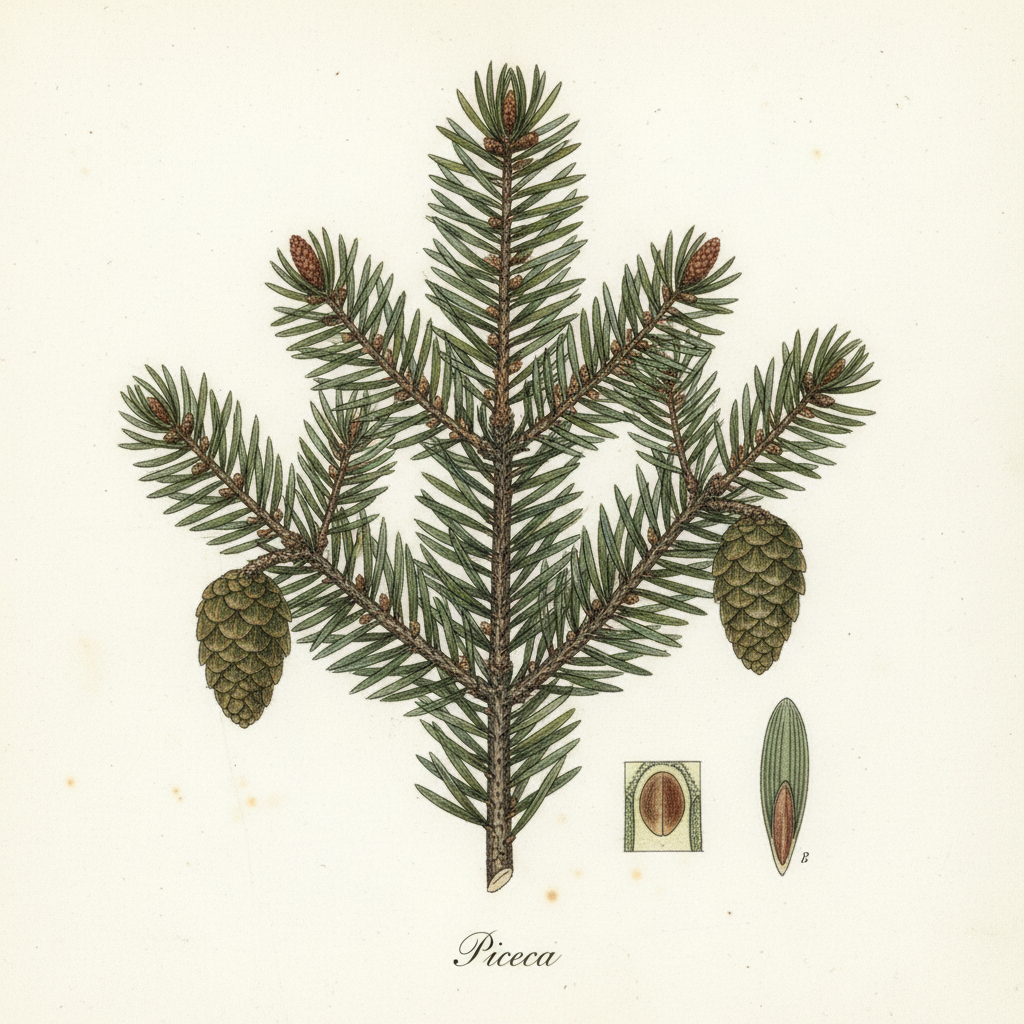
Spruce

Spruce

Spruce

low risk Risk
Pinaceae
<p>Spruce trees, primarily Picea abies (Norway spruce), are evergreen conifers native to Northern and Central Europe, identified by their needle-like, four-sided leaves and pendulous woody cones. They prefer cool, temperate climates and are prominent in boreal forests. Botanically, they are distinguished from firs by the way their needles are attached to the branches via small, peg-like structures called pulvini, which remain after the needle has fallen.</p><p>Traditionally, spruce has been used for its resinous and aromatic properties, particularly as an expectorant in respiratory conditions and as a warming agent for rheumatic aches. Historical European folk practices often utilised the young shoots in spring for their high Vitamin C content, serving as a preventative against scurvy in northern communities. The aromatic resin was also widely gathered for use in salves and plasters to address minor skin irritation and localized inflammation.</p><p>Modern research into spruce resin suggests significant antimicrobial and antioxidant activity, primarily attributed to the high concentration of lignans and diterpenes. In contemporary practice, it is largely valued for its volatile oils which support mucous membrane health in the upper respiratory tract. While scientific evidence for internal use remains limited, its use as a steam inhalant or topical chest rub is standard practice among herbalists to ease the discomfort of seasonal catarrh.</p><p>In clinical practice, I employ spruce preparations primarily for their decongestant properties during winter wellness support. The resinous components are inherently warming and stimulating to the lungs. Whilst generally safe, it is important to ensure the provenance of the resin and needles, as commercial forestry may utilise pesticides or industrial treatments that make the material unsuitable for medicinal use.</p>

Uses & Conditions

Immune Support
Stress Relief
Mood Enhancement
Fatigue Reduction
Hair Health
Detoxification
Respiratory Congestion
Cough
Cold Symptoms
Inflammation
Digestive Disorders
Wound Care
Joint Pain
Muscle Tension
Allergies
Poor Blood Circulation
Oxidant Stress

Actions

Antioxidant
Antimicrobial
Antiseptic
Muscle Relaxant

Parts Used

Young needles
Resin
Twigs

USDA Hardiness Zones

2
3
4
5
6
7
8

Contraindications

  • Pregnancy and breastfeeding due to lack of safety data
  • Known hypersensitivity or allergic reaction to conifer resins or terpenes
  • Severe asthma or bronchial hyper-reactivity
  • Pre-existing kidney disease

Potential Side Effects

  • Skin irritation or contact dermatitis
  • Mild gastrointestinal upset
  • Respiratory irritation from concentrated volatile oils

Interactions

  • Use caution with prescription medicines

Dosages, tincture ratios & research — members only

Unlock Garreth's dosing guidance, tincture ratios, the dosage calculator and the research studies for Spruce.

Your assessment and results stay saved — upgrading only unlocks more of them.

See membership plans

Community Photos

No community photos yet. Sign in to upload photos.

Reviews & Ratings

Sign in to leave a review.

No reviews yet. Be the first!

GF

Garreth Falls — B.Th., Dip. H.M., MNIMH

Content curated and reviewed by Garreth Falls, Consultant Medical Herbalist · The Wild Sage

Medical Disclaimer: This information is for educational purposes only and is not intended as medical advice. Always consult with qualified healthcare professionals before starting any herbal treatment.
Western tradition

Sustainability & quality

Abundant

Ensure sustainable forestry practices are in place when harvesting needles or resin.

Key constituents

Alpha-pinene, Beta-pinene, Limonene, Lignans, Resin acids, Vitamin C, Polyphenols

References

  1. Herbal Reality. Herb monographs. herbalreality.com

Reviewed by Garreth, Medical Herbalist (MNIMH) · November 2026

Related conditions

Explore conditions where Spruce is traditionally used.

Related Herbs
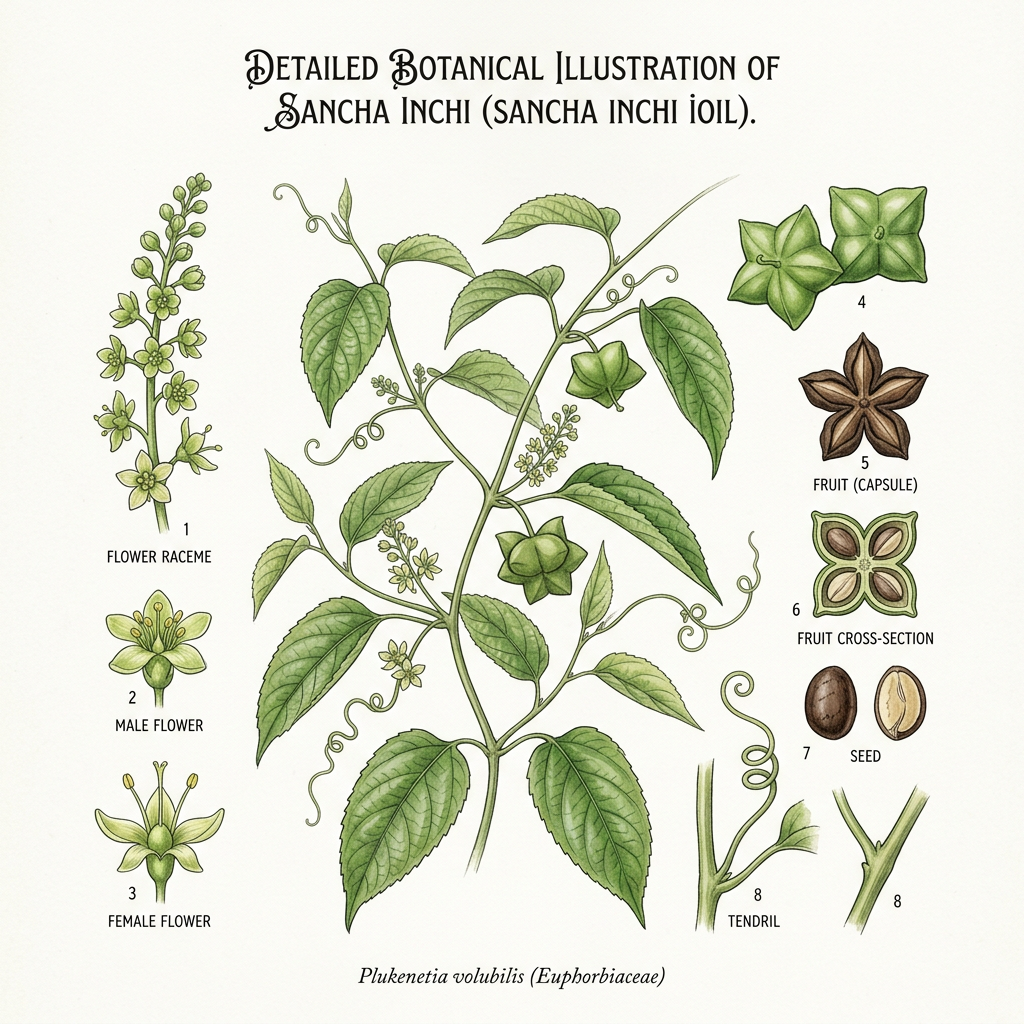
Sancha Inchi iOIl

Sancha Inchi iOIl
Sancha Inchi iOIl

Nutritional Supplementation
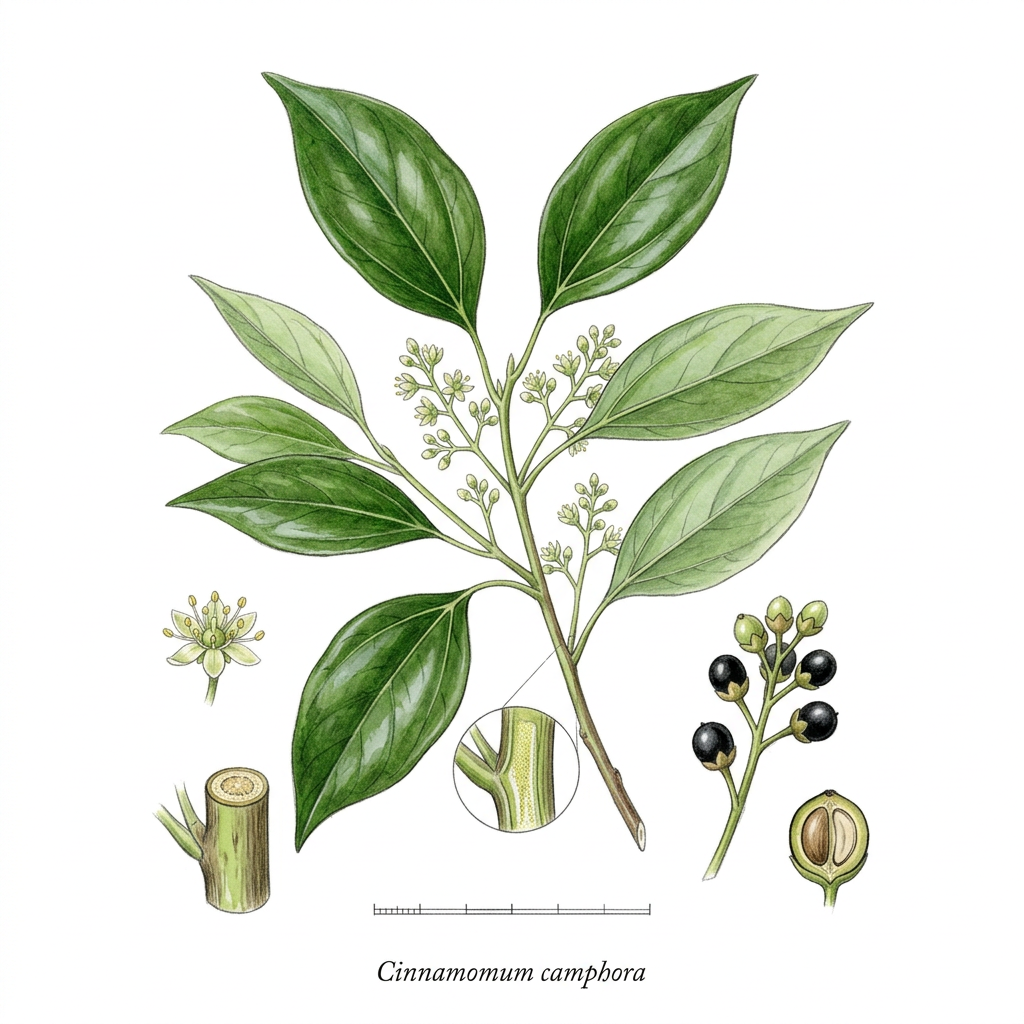
Camphor

Camphor

Cinnamomum camphora

Purification
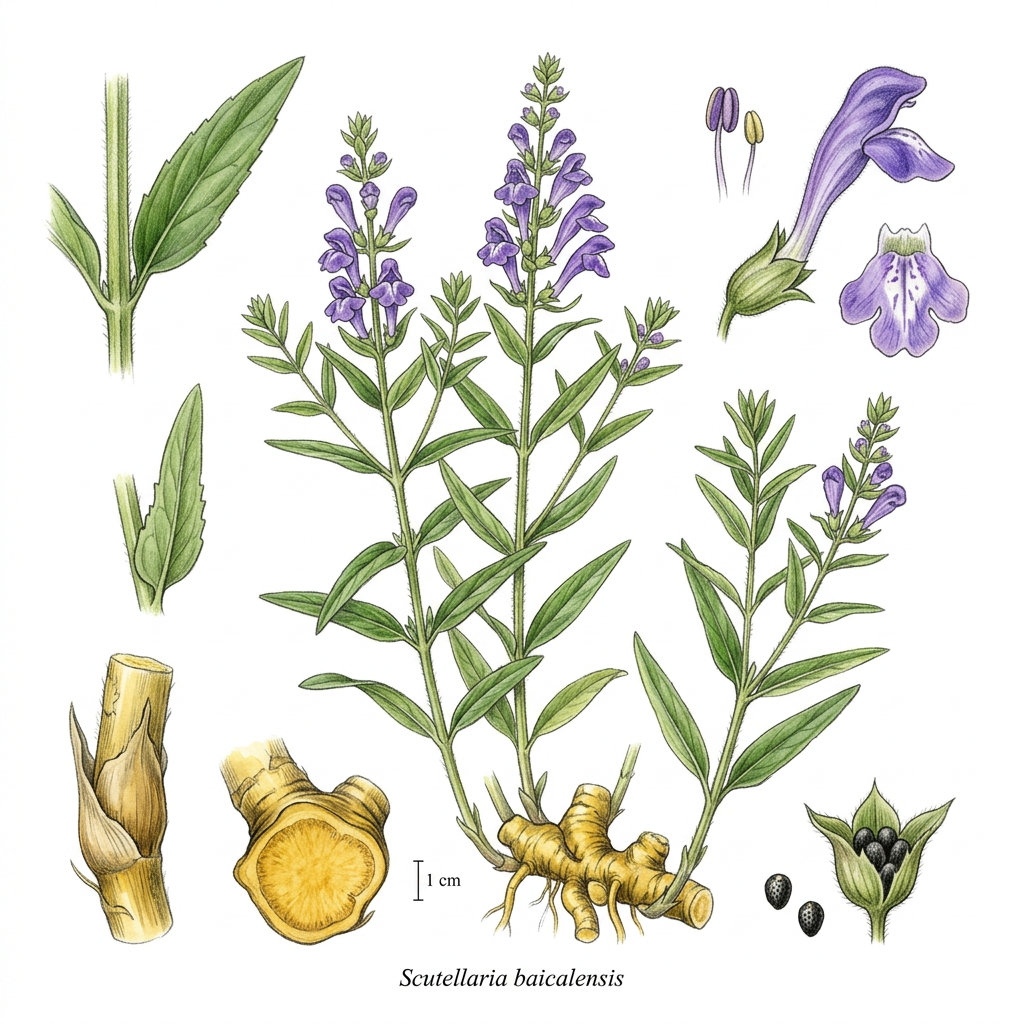
Chinese Skullcap

Chinese Skullcap

Scutellaria baicalensis
Immune Support
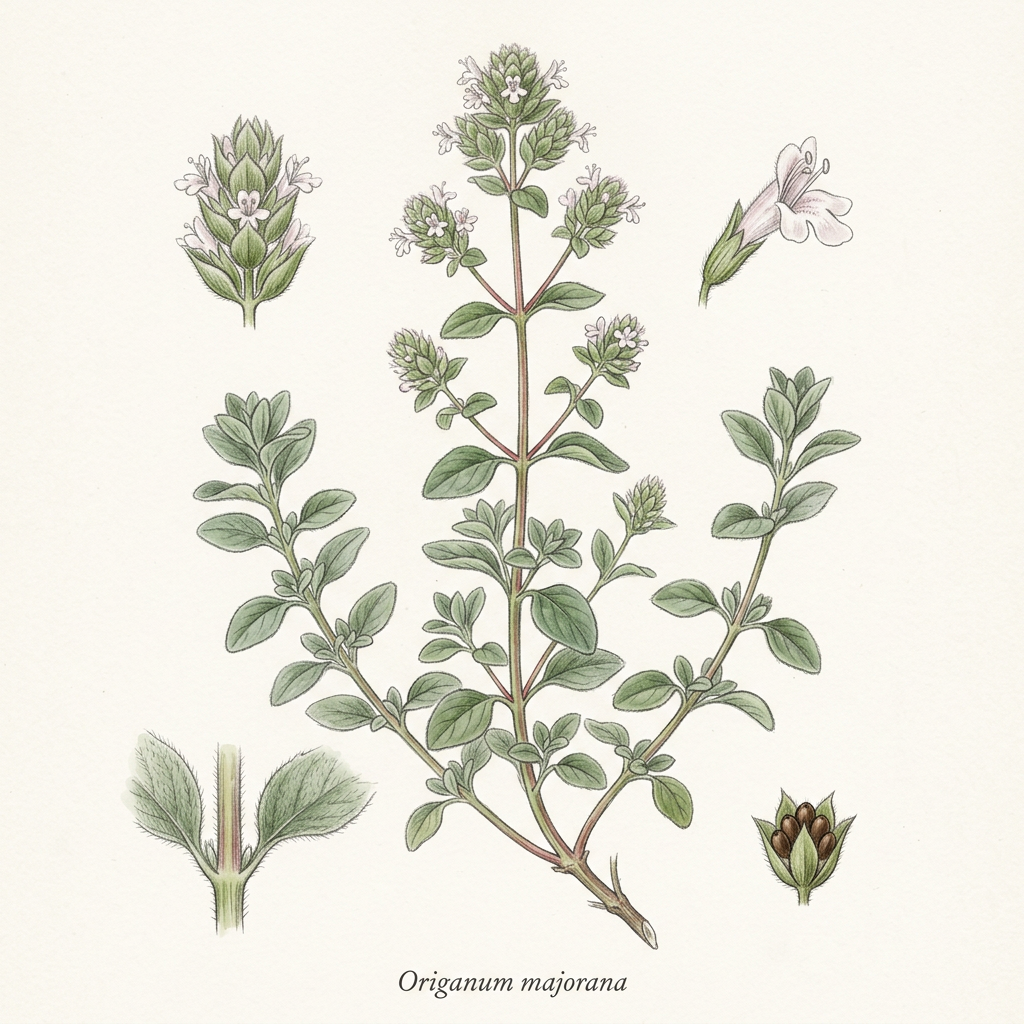
Marjoram

Marjoram

Origanum majorana

Aromatic