The Wild Sage logo
The Wild Sage Logo

Herbal Medicine at your fingertips

Comprehensive database of herbal remedies with detailed safety information and traditional uses

New to herbal terms? Read the glossary →
ADHD
Abcess
Acid Reflux Relief
Acinetobacter
Acne
Acne Vulgaris
Addisons
Adenomyosis
Adenovirus
Adrenal fatigue
Aging
Aids
Alcaligenes faecalis
Alcoholism
Allergic Rhinitis
Allergies
Allergy
Alopoecia
Alopoecia nervosa
Alzheimer's, Dementia & Cognitive Decline
420 herbs found
Important: This information is for educational purposes only. Always consult with qualified healthcare professionals before using herbal remedies, especially if you have existing health conditions or take medications.
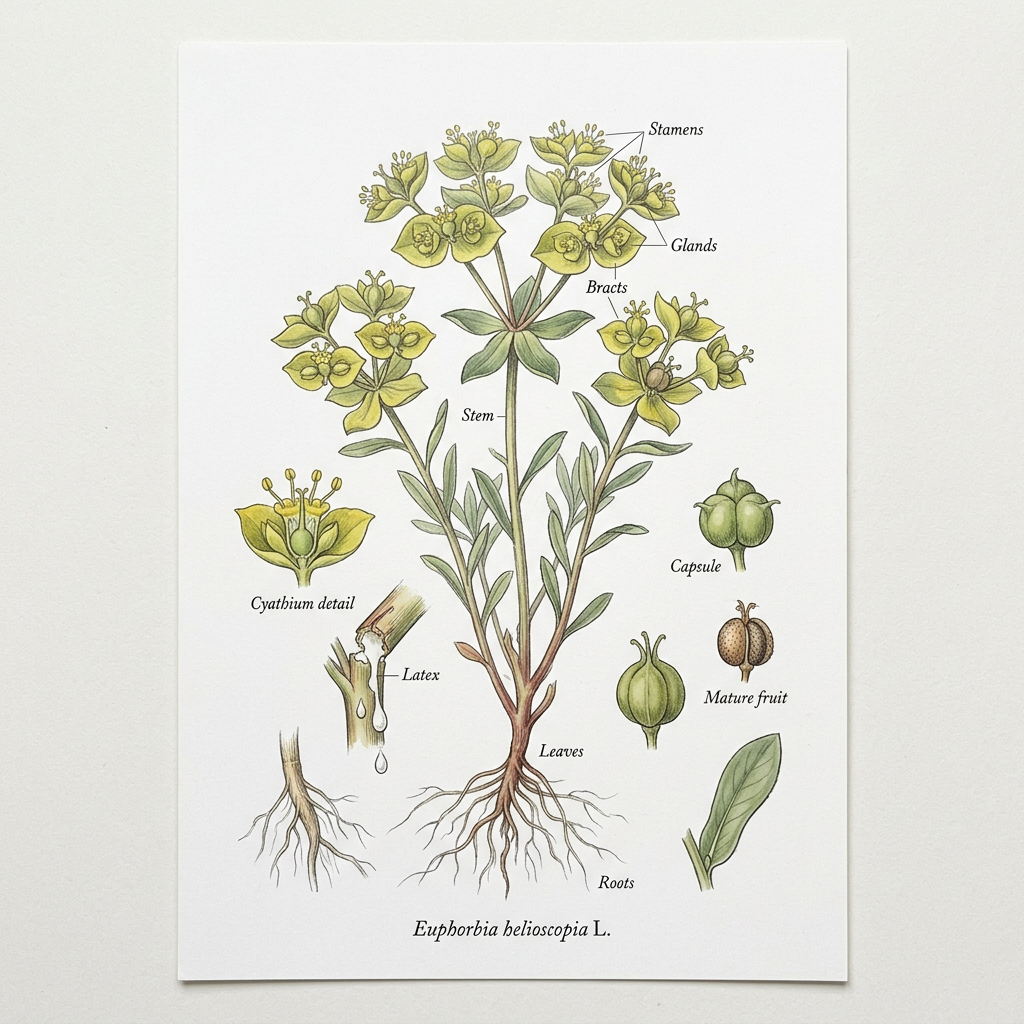
Spurge

Spurge

Euphorbia

high risk Risk
Euphorbiaceae
<p>Euphorbia, a diverse genus within the family Euphorbiaceae, encompasses over 2,000 species of flowering plants, commonly referred to as spurges. Historically, many species of Euphorbia have been utilized in traditional herbal medicine across cultures, particularly by indigenous peoples in Africa, Asia, and the Americas. The genus is known for its varied forms, from herbaceous plants to trees, and often features milky latex and vibrant inflorescences. Traditional practitioners have long valued specific Euphorbia species for their potent therapeutic properties, often employing them to address an array of ailments ranging from skin conditions to gastrointestinal disorders. The therapeutic attributes of Euphorbia are primarily derived from its rich phytochemical composition, which includes a variety of alkaloids, flavonoids, and terpenoids. These compounds contribute to its noted anti-inflammatory, antimicrobial, and analgesic effects. Certain species, such as Euphorbia hirta, have been traditionally used to support respiratory health and alleviate symptoms of asthma and bronchitis. Others, like Euphorbia resinifera, are known for their potent properties that have been employed as a topical treatment for warts and skin lesions. Additionally, some species exhibit laxative effects and have been traditionally utilized in treating constipation. The unique bioactive compounds interact with various physiological pathways, enhancing the body's ability to combat inflammation, manage pain, and support overall wellness. When introduced into the body, Euphorbia species exert their influence through multiple mechanisms. The bioactive components can modulate inflammatory responses, promoting the secretion of anti-inflammatory cytokines while inhibiting pro-inflammatory mediators. This dual action not only aids in pain relief but also supports the healing processes in tissues. The broad spectrum of applications and the traditional acclaim enjoy a resurgence in the current integrative health landscape, where a holistic approach to treatment is increasingly sought. However, it's vital to approach Euphorbia with caution, as high concentrations or inappropriate use can lead to toxicity. Therefore, guidance from qualified herbalists or healthcare providers is recommended when considering its therapeutic applications.</p>

Uses & Conditions

Asthma
Bronchitis
Catarrhal states of the respiratory tract
Dysentery
Emphysema
Psoriasis
Respiratory tract infections
Warts

Actions

Not for general use

Parts Used

Latex

Native Countries

Africa

USDA Hardiness Zones

USDA 10-12

Contraindications

  • Pregnancy due to potential emmenagogue and toxic properties
  • Breastfeeding due to potential for bioactive constituents to be excreted in milk
  • Gastrointestinal obstruction or inflammatory bowel disease
  • Known hypersensitivity to acrid latex
  • Renal impairment

Potential Side Effects

  • Severe skin irritation
  • Mucous membrane irritation

Interactions

  • Diuretic medications may cause additive effects leading to electrolyte imbalance
  • Laxative drugs may increase risk of hypokalaemia or dehydration
  • NSAIDs carry a theoretical risk of additive gastrointestinal irritation
  • Immunosuppressants may have therapeutic efficacy altered by immune modulation

Dosages, tincture ratios & research — members only

Unlock Garreth's dosing guidance, tincture ratios, the dosage calculator and the research studies for Spurge.

Your assessment and results stay saved — upgrading only unlocks more of them.

See membership plans

Community Photos

No community photos yet. Sign in to upload photos.

Reviews & Ratings

Sign in to leave a review.

No reviews yet. Be the first!

GF

Garreth Falls — B.Th., Dip. H.M., MNIMH

Content curated and reviewed by Garreth Falls, Consultant Medical Herbalist · The Wild Sage

Medical Disclaimer: This information is for educational purposes only and is not intended as medical advice. Always consult with qualified healthcare professionals before starting any herbal treatment.
Western tradition

Sustainability & quality

Abundant

Many Euphorbia species are common weeds. Exercise extreme caution as many are toxic and not recommended for internal use; accurate species identification is mandatory.

Key constituents

Diterpene esters, Flavonoids including quercitrin and afzelin, Triterpenoids, Phenolic acids, Tannins, Alkaloids, Euphorbia-specific latex proteins, Essential oils

References

  1. British Herbal Pharmacopoeia 1983
  2. Herbal Reality. Herb monographs. herbalreality.com

Reviewed by Garreth, Medical Herbalist (MNIMH) · November 2026

Related conditions

Explore conditions where Spurge is traditionally used.

Related Herbs
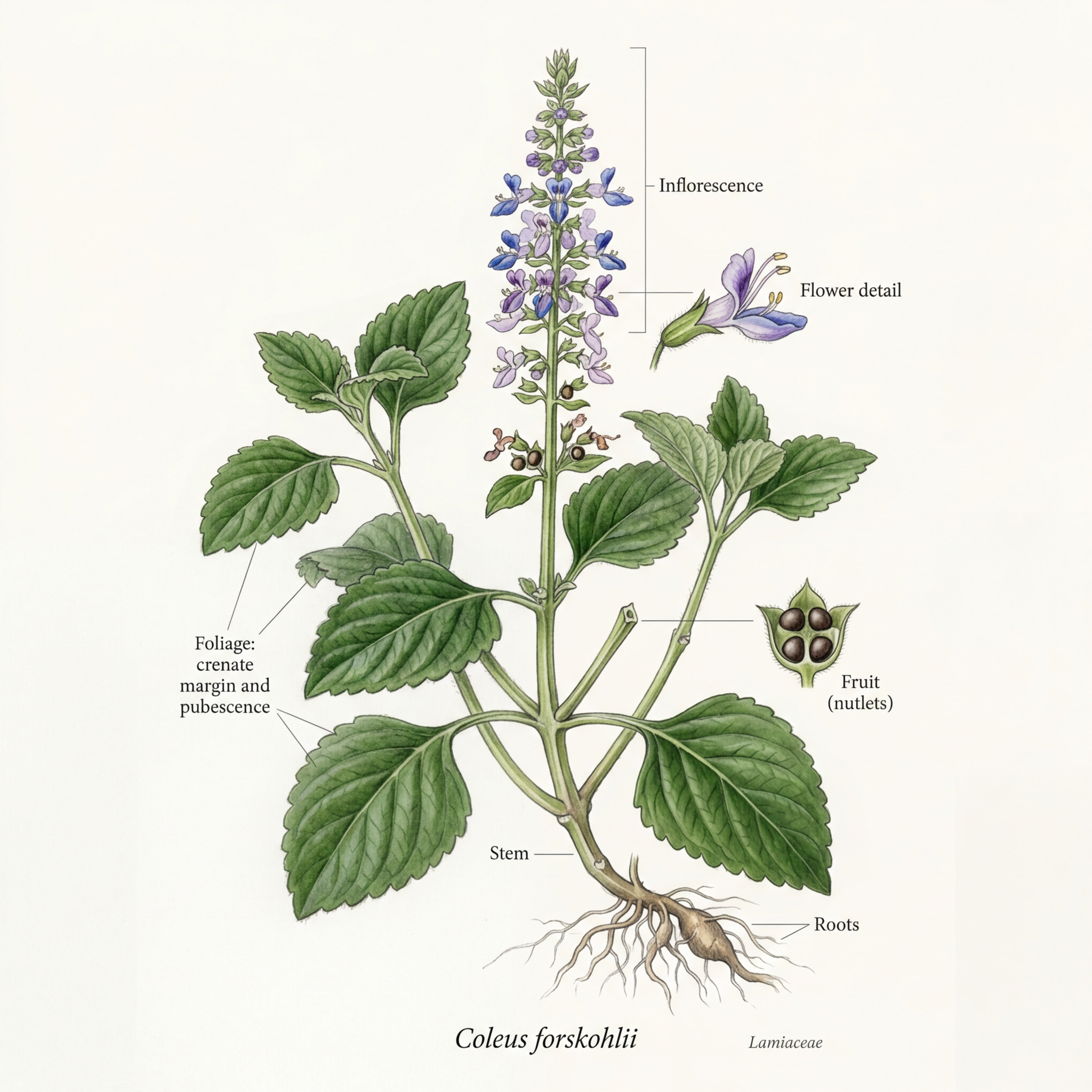
Coleus

Coleus

Coleus forskohlii

Weight Management
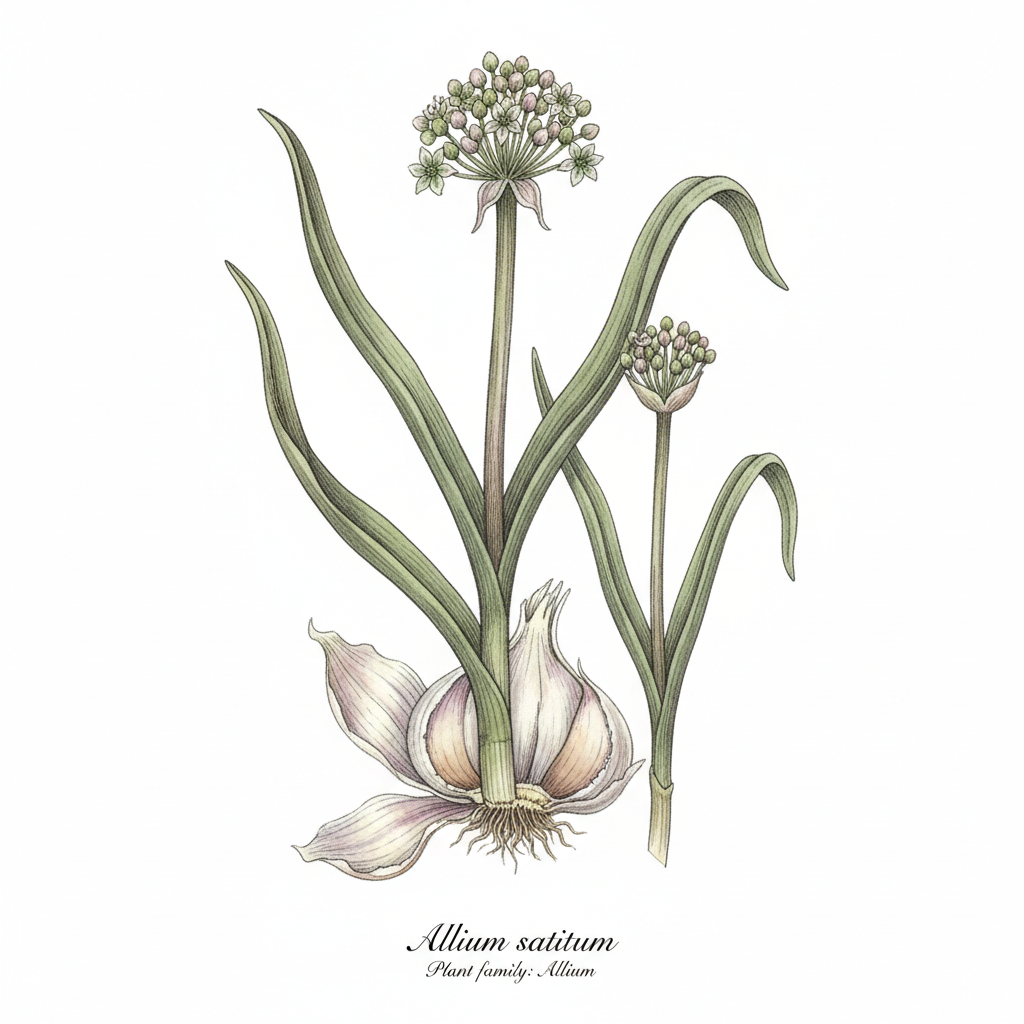
Garlic

Garlic

Allium sativum

Immune Support
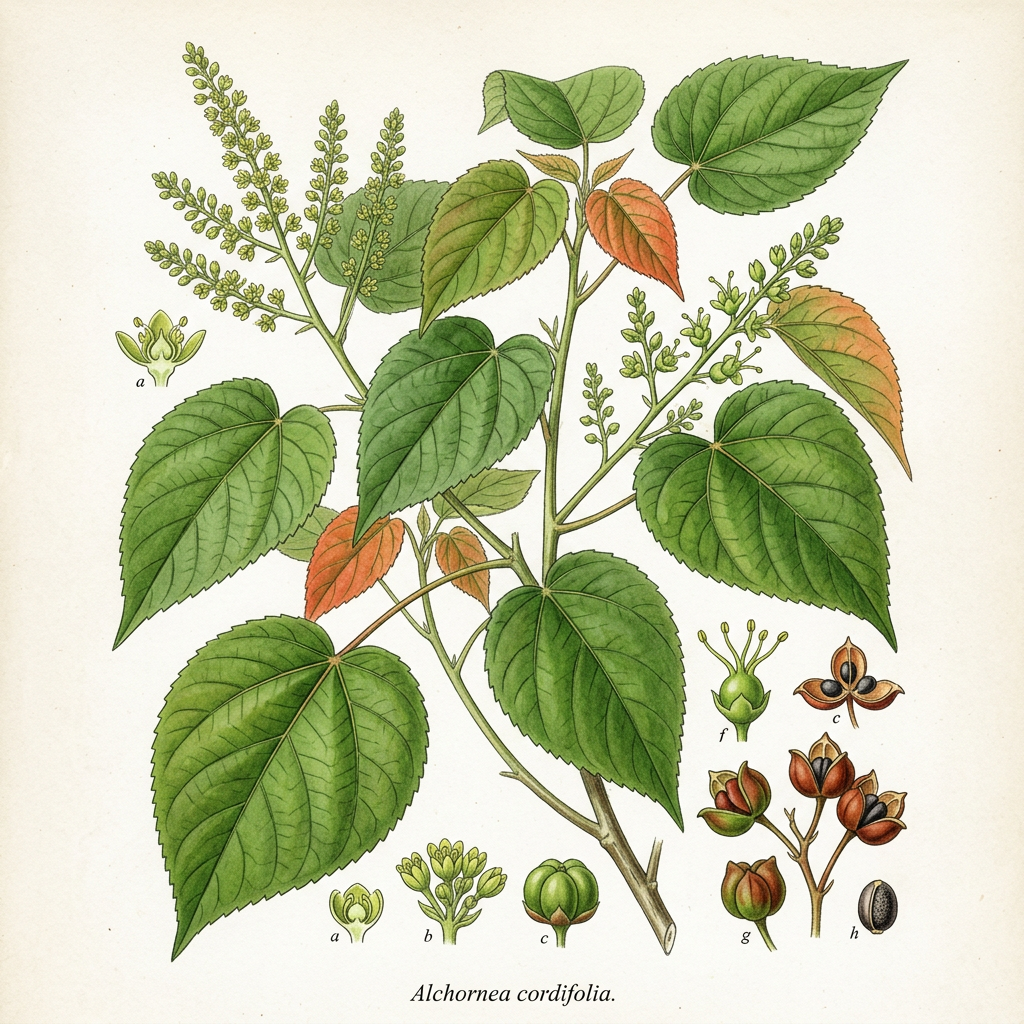
Christmas Bush

Christmas Bush

Alchornea cordifolia

Cardiovascular Support
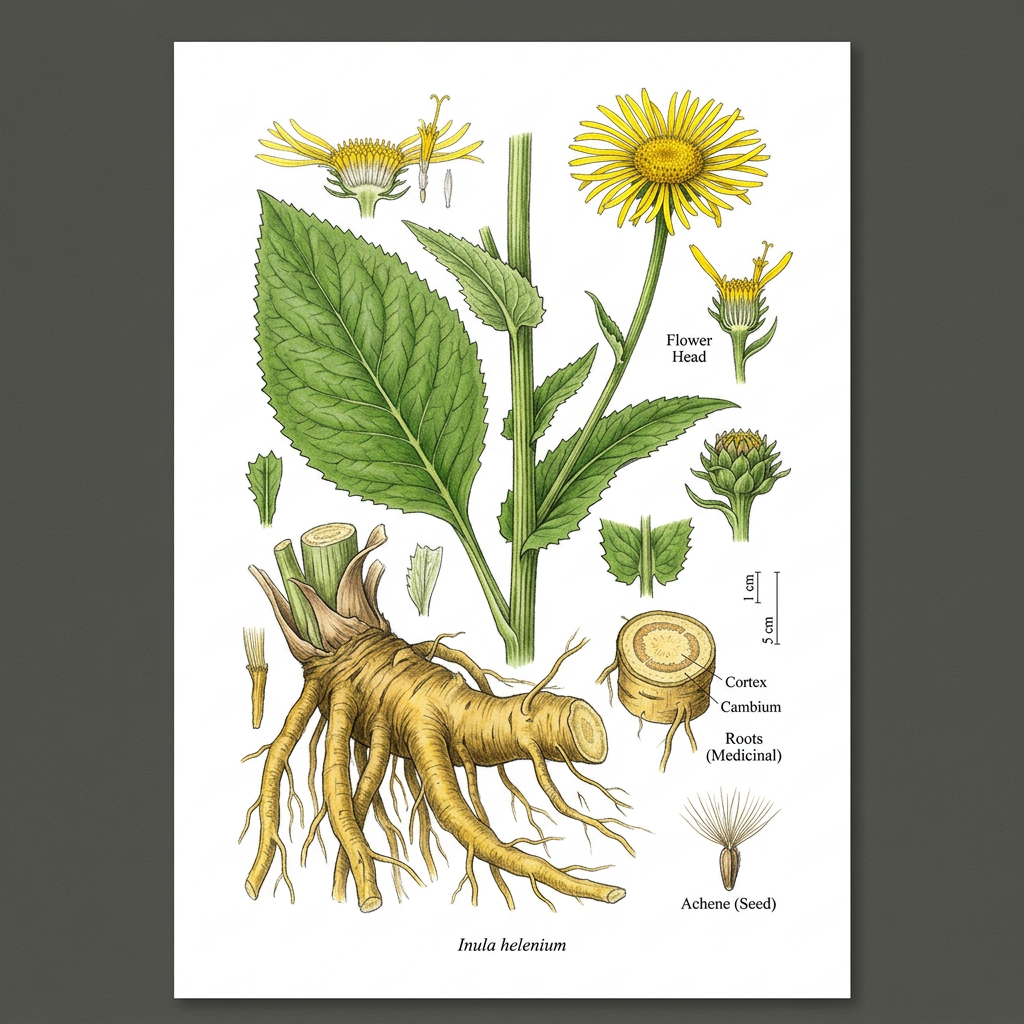
Elecampane

Elecampane

Inula helenium

Lung Health