The Wild Sage logo
The Wild Sage Logo

Herbal Medicine at your fingertips

Comprehensive database of herbal remedies with detailed safety information and traditional uses

New to herbal terms? Read the glossary →
ADHD
Abcess
Acid Reflux Relief
Acinetobacter
Acne
Acne Vulgaris
Addisons
Adenomyosis
Adenovirus
Adrenal fatigue
Aging
Aids
Alcaligenes faecalis
Alcoholism
Allergic Rhinitis
Allergies
Allergy
Alopoecia
Alopoecia nervosa
Alzheimer's, Dementia & Cognitive Decline
420 herbs found
Important: This information is for educational purposes only. Always consult with qualified healthcare professionals before using herbal remedies, especially if you have existing health conditions or take medications.
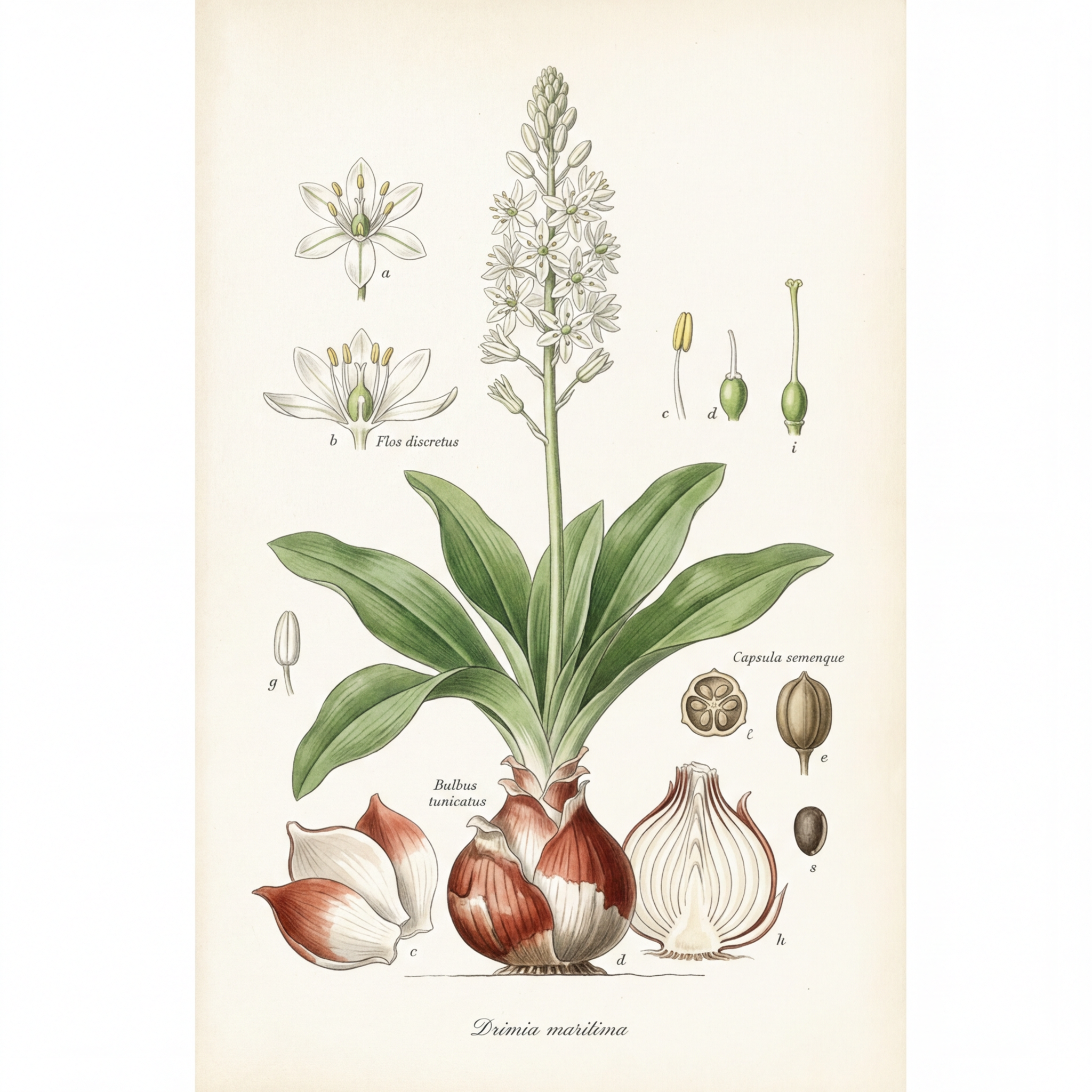
Squill

Squill

Squill

high risk Risk
Asparagaceae
Warming, dispersing herb for respiratory and cardiac stagnation.
<p>Squill, a perennial bulbous plant belonging to the Asparagaceae family, has a rich history rooted in traditional herbal medicine, particularly within Mediterranean cultures. Known for its striking star-shaped white flowers and robust bulb, squill has been utilized for centuries, dating back to ancient Egypt, where it was documented for its medicinal properties. Ancient Greek and Roman herbalists praised squill for its myriad of therapeutic benefits, particularly its role in promoting heart and respiratory health. Today, squill has gained recognition for its potent bioactive compounds, which continue to be harnessed in both herbal medicine and modern pharmacology. **Key Therapeutic Properties and Benefits:** Squill is primarily renowned for its cardio-protective and respiratory-stimulating properties. The bulb contains a range of cardiac glycosides, such as scilliroside, which can enhance the efficiency of the heart by increasing the force of cardiac contractions, making it valuable in managing certain heart conditions. Its respiratory benefits are linked to its ability to act as an expectorant, aiding in the clearance of mucus from the airways, thereby promoting better respiratory function. Beyond its effects on the heart and lungs, squill also exhibits diuretic properties, which can help in alleviating symptoms of conditions characterized by fluid retention. **Mechanism of Action:** The therapeutic effects of squill are largely attributed to its active constituents, particularly the cardiac glycosides, which interact with sodium-potassium ATPase, leading to increased intracellular calcium concentration in cardiac muscle cells. This mechanism enhances cardiac contractility, beneficial in the treatment of heart failure and arrhythmias. Additionally, squill's expectorant properties are facilitated through its ability to irritate the gastric mucosa, which reflexively stimulates respiratory secretions, thus aiding in the expulsion of mucus from the bronchial tree. In this multifaceted approach, squill exemplifies the intersection of traditional knowledge and contemporary herbal practices, providing a valuable resource in holistic health regimens. By embracing its historical significance and therapeutic promise, squill invites renewed interest as a potent herbal ally in modern herbalology, encouraging exploration into its potential applications for heart and respiratory well-being.</p>

Uses & Conditions

Respiratory Stimulant
Diuretic
Heart Failure
Atrial Fibrillation
Cardiac Arrhythmias
Cardiac Insufficiency
Respiratory Conditions
Cough
Asthma
Oedema
Digestive Disorders

Actions

Cardioactive Glycosides
Cardioprotective
Respiratory Stimulant
Diuretic

Parts Used

Flakes of bulb

Native Countries

Mediterranean

USDA Hardiness Zones

7
8
9

Contraindications

  • Pregnancy: constituents may stimulate uterine contractions and cross the placental barrier
  • Breastfeeding: lack of safety data regarding the passage of potent glycosides into breast milk
  • Pre-existing cardiac conditions: particularly cardiac arrhythmias or heart failure
  • unless under strict medical supervision
  • Gastritis or peptic ulcer disease: the irritant nature of the bulb may exacerbate mucosal damage
  • Renal impairment: may lead to the accumulation of active glycosides
  • increasing the risk of adverse events

Potential Side Effects

  • Nausea and persistent vomiting
  • Gastrointestinal irritation and abdominal pain
  • Cardiac arrhythmias and palpitations
  • Diarrhoea
  • Visual disturbances including xanthopsia

Interactions

  • Digoxin and other cardiac glycosides: synergistic effect may increase the risk of serious cardiotoxicity
  • Diuretics (e.g. furosemide, thiazides): potential for severe hypokalaemia, increasing susceptibility to cardiac glycoside toxicity
  • Corticosteroids: combined use may accelerate the depletion of potassium levels in the body
  • Anti-arrhythmic drugs: potential for complex, unpredictable interactions with cardiac rhythm stability
  • Laxatives (stimulant type): risk of aggravating electrolyte imbalances that predispose the patient to squill toxicity

Dosages, tincture ratios & research — members only

Unlock Garreth's dosing guidance, tincture ratios, the dosage calculator and the research studies for Squill.

Your assessment and results stay saved — upgrading only unlocks more of them.

See membership plans

Community Photos

No community photos yet. Sign in to upload photos.

Reviews & Ratings

Sign in to leave a review.

No reviews yet. Be the first!

GF

Garreth Falls — B.Th., Dip. H.M., MNIMH

Content curated and reviewed by Garreth Falls, Consultant Medical Herbalist · The Wild Sage

Medical Disclaimer: This information is for educational purposes only and is not intended as medical advice. Always consult with qualified healthcare professionals before starting any herbal treatment.
Western tradition

Sustainability & quality

Cultivated

Mainly grown for industrial/pharmaceutical processing; verify source purity.

Key constituents

Cardiac glycosides (bufadienolides such as scillaren A and B), Scilliroside, Mucilage, Calcium oxalate crystals, Flavonoids, Sinistrin

References

  1. British Herbal Pharmacopoeia 1983
  2. ESCOP Monographs 2nd ed. 2003
  3. Herbal Reality. Herb monographs. herbalreality.com

Reviewed by Garreth, Medical Herbalist (MNIMH) · November 2026

Related conditions

Explore conditions where Squill is traditionally used.

Related Herbs
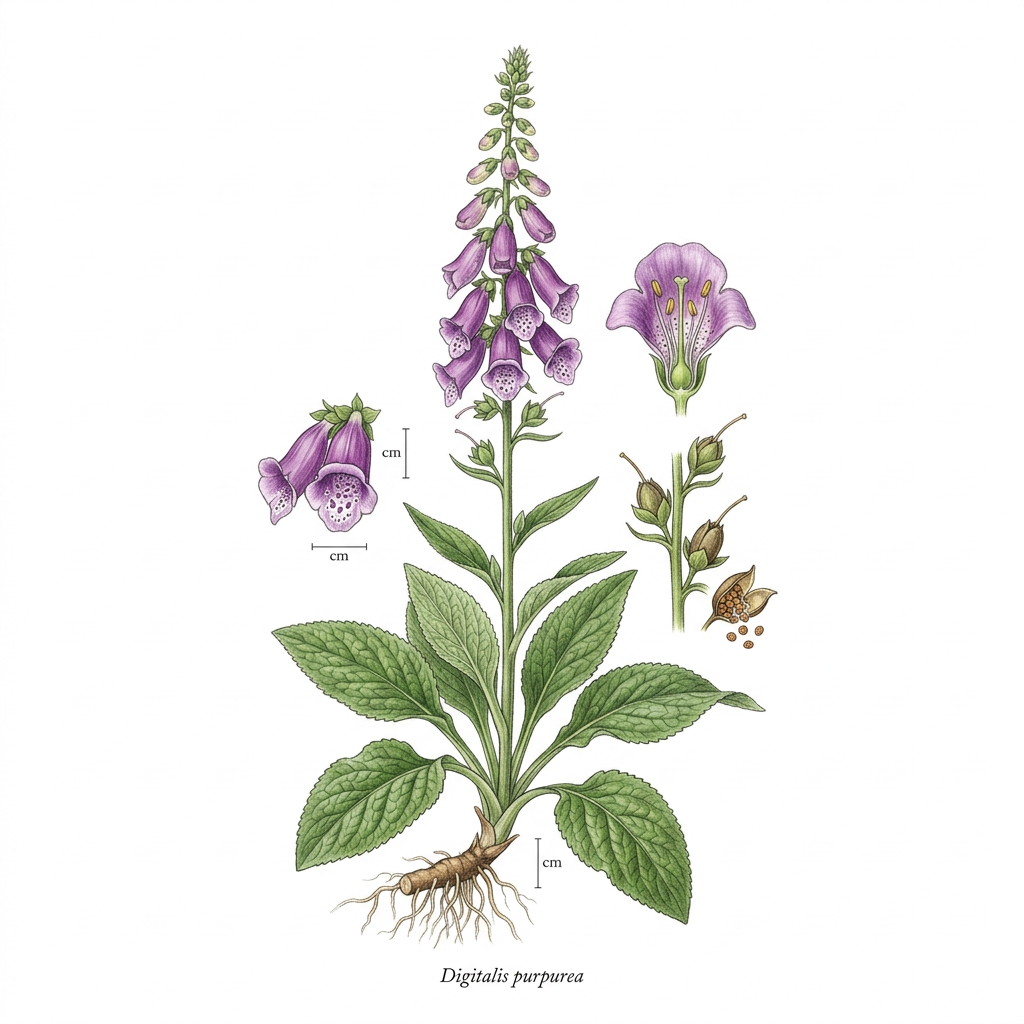
Foxglove

Foxglove

Digitalis

Traditional heart support
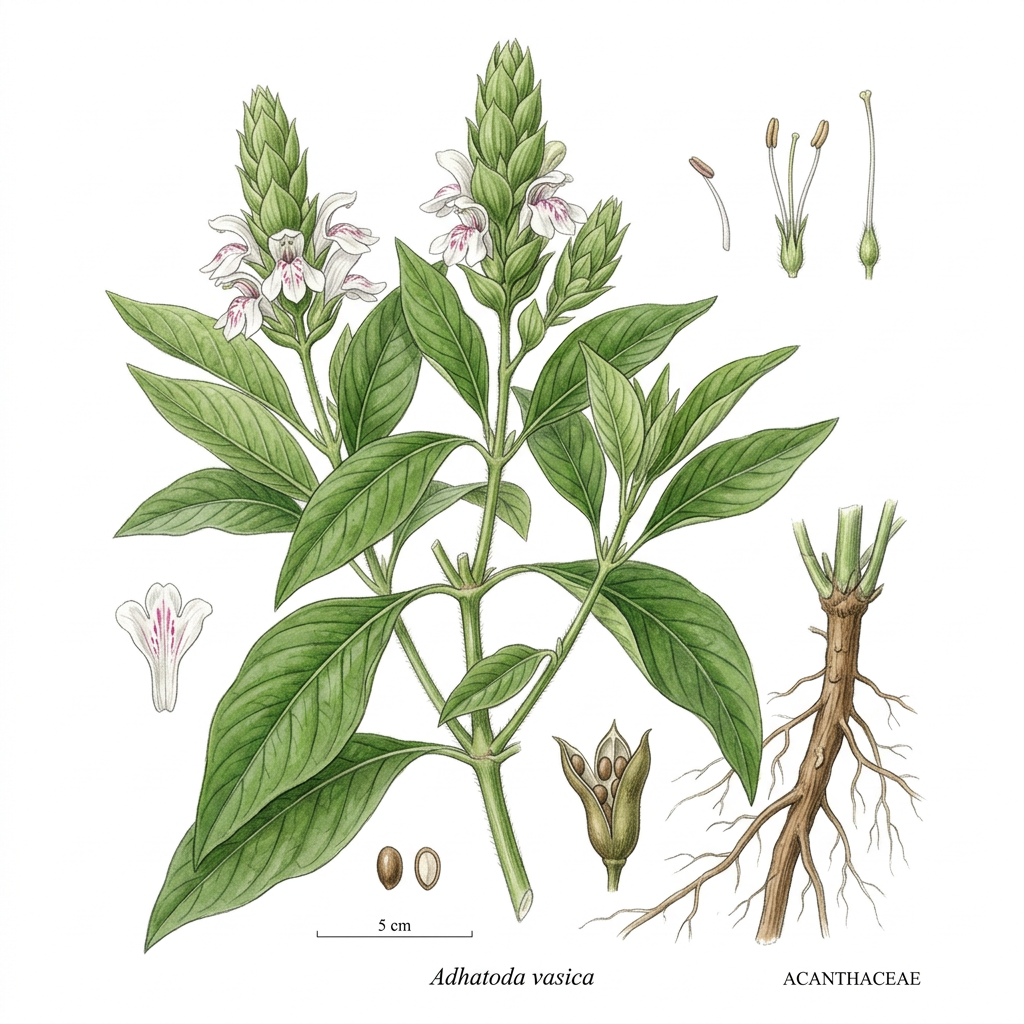
Adhatoda vasia

Adhatoda vasia

Adhatoda vasia

Diabetes
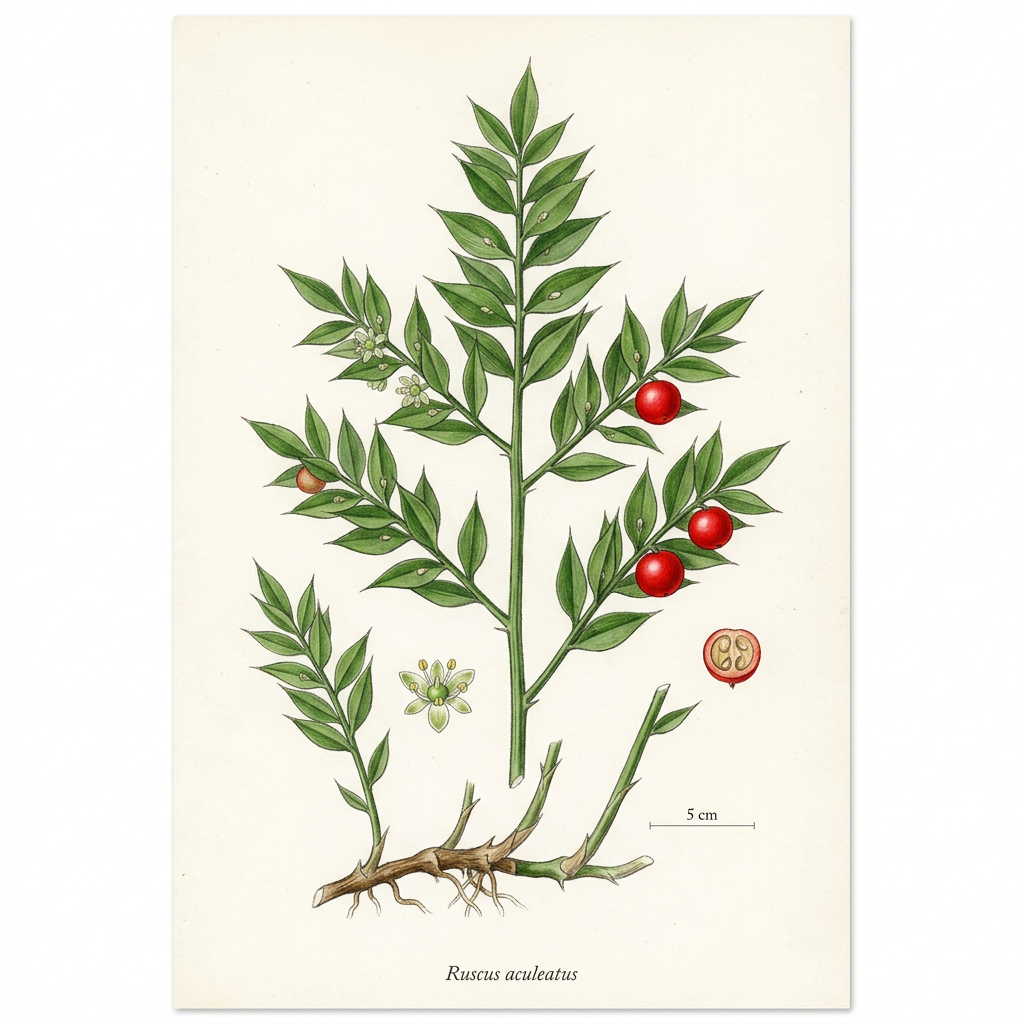
Butcher's Broom

Butcher's Broom

Ruscus aculeatus

Vascular Health
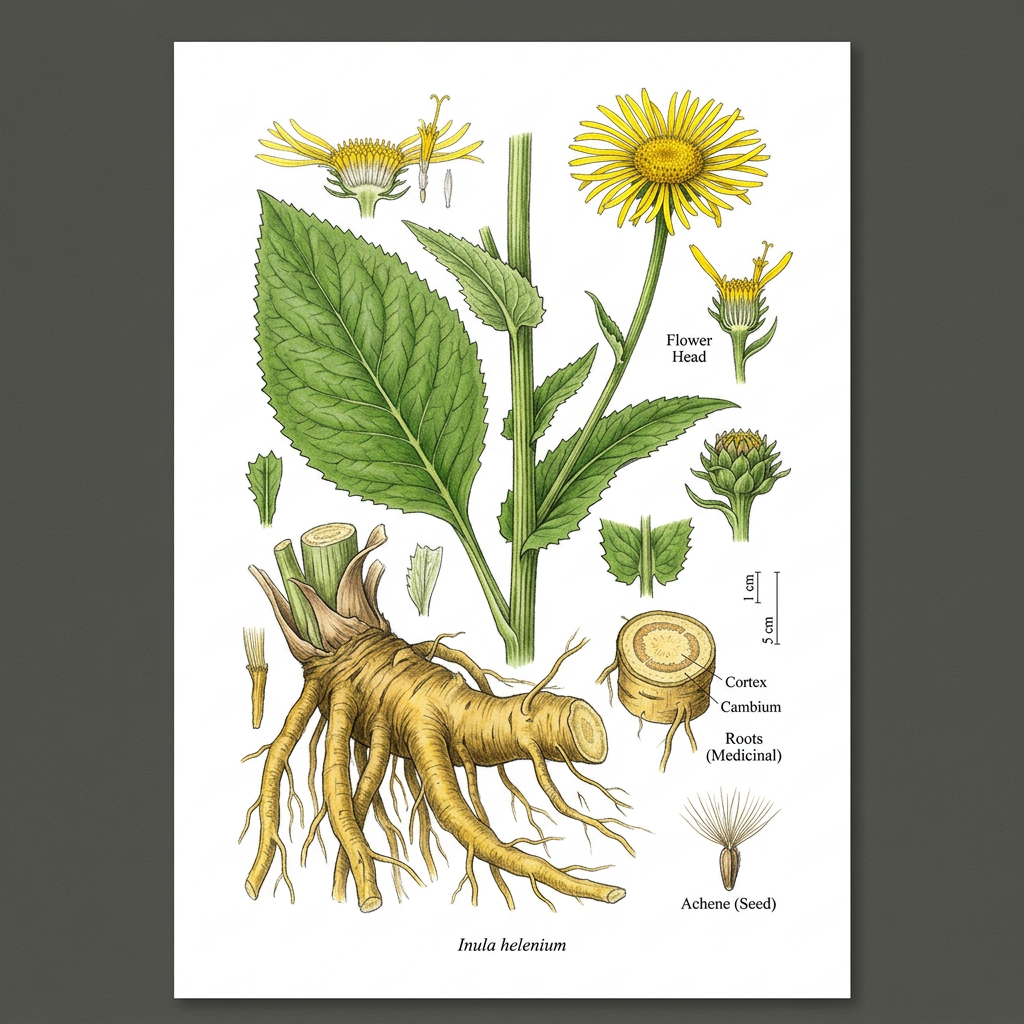
Elecampane

Elecampane

Inula helenium

Lung Health