The Wild Sage logo
The Wild Sage Logo

Herbal Medicine at your fingertips

Comprehensive database of herbal remedies with detailed safety information and traditional uses

New to herbal terms? Read the glossary →
ADHD
Abcess
Acid Reflux Relief
Acinetobacter
Acne
Acne Vulgaris
Addisons
Adenomyosis
Adenovirus
Adrenal fatigue
Aging
Aids
Alcaligenes faecalis
Alcoholism
Allergic Rhinitis
Allergies
Allergy
Alopoecia
Alopoecia nervosa
Alzheimer's, Dementia & Cognitive Decline
420 herbs found
Important: This information is for educational purposes only. Always consult with qualified healthcare professionals before using herbal remedies, especially if you have existing health conditions or take medications.
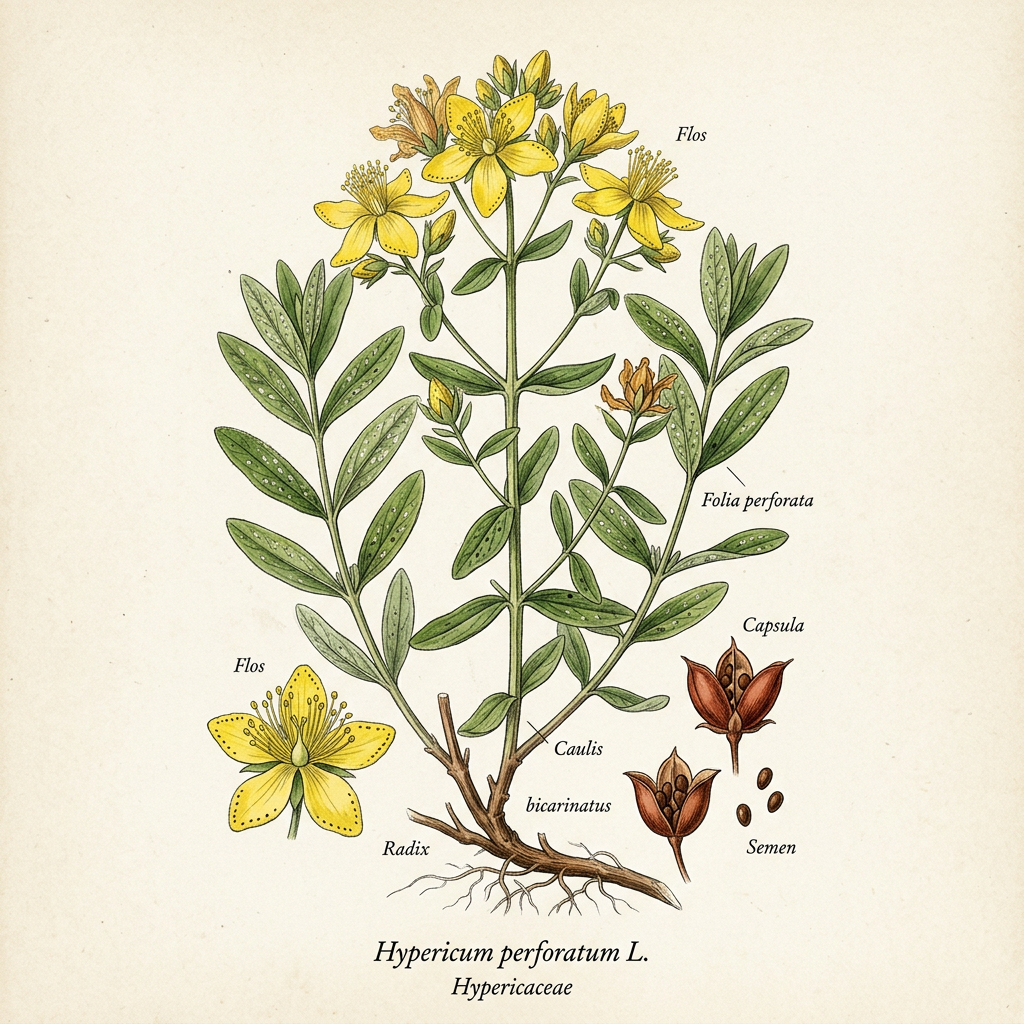
St. Johns Wort

St. Johns Wort

Hypericum perforatum

moderate risk Risk
Hypericaceae
A sunshine herb associated with positivity and emotional healing.
<p>St. John’s Wort is a perennial flowering plant that has garnered significant attention in both traditional and modern herbal medicine, primarily for its prominent role in supporting mental well-being. Historically, this herb has been used for centuries, tracing back to ancient Greek medicine, where it was valued for its ability to promote emotional balance. Its name originates from its traditional association with the feast day of St. John the Baptist, celebrated on June 24th, coinciding with the herb's peak blooming season. In folk medicine, it has been used to treat a myriad of conditions, including wounds, burns, and even symptoms of melancholy. Today, St. John's Wort is predominantly recognized for its use in addressing mild to moderate depression and anxiety, often regarded as a natural alternative to conventional antidepressants. The therapeutic properties of St. John's Wort are largely attributed to its rich composition of bioactive compounds, particularly hypericin and hyperforin. These compounds have been shown to possess anti-inflammatory, antioxidant, and neuroprotective qualities. Research indicates that St. John's Wort may help elevate mood by enhancing the levels of several neurotransmitters in the brain, including serotonin, dopamine, and norepinephrine. This mechanism is believed to occur through the inhibition of their reuptake, promoting a balanced emotional state. Additionally, the herb has demonstrated anxiolytic properties, potentially mitigating symptoms of anxiety without the sedative effects often associated with pharmaceutical treatments. Overall, its multifaceted approach to mental health support makes St. John's Wort a compelling option for those seeking natural remedies. When ingested, St. John's Wort influences the central nervous system, encouraging a sense of calm and emotional stability. Key clinical studies have shown its efficacy in reducing symptoms of depression without the significant side effects associated with many prescription antidepressants. Nevertheless, it is crucial for individuals considering its use to consult healthcare professionals, particularly because St. John's Wort can interact with various medications, including hormonal contraceptives, anticoagulants, and certain antiviral drugs. As research continues to illuminate its vast potential, St. John's Wort remains a celebrated herb in the realm of complementary medicine, inspiring ongoing interest among practitioners and patients alike.</p>

Uses & Conditions

Mood Support
Nerve Trophorestorative
Nootropic
ADHD
Adrenal Fatigue
Alcoholism
Anorexia
Anxiety
Autoimmune Conditions
Back Pain
Bed Wetting
Bladder Cancer
Brain Injury
Bruising
Burns
Carpal Tunnel Syndrome
Cholesterol
Chronic Fatigue
Depression
Dermatitis
Diarrhoea
Disc Prolapse
Dysentery
Endometriosis
Enuresis
Interstitial Cystitis
Neuropathy
Open-Heart Surgery
Premature Ejaculation
SAD Syndrome
Urinary Incontinence
Viral Infection
Wound Healing

Actions

Anxiolytic
Antiviral
Neuroprotective
NFkB Inhibitor
TNF-a Reduction

Parts Used

Flower

Native Countries

Europe

USDA Hardiness Zones

USDA 3-10

Contraindications

  • Avoid exposure to excessive sunlight
  • Avoid one week before surgery
  • Do not use during pregnancy due to potential stimulation of uterine activity
  • Use cautiously or avoid in individuals with epilepsy as it may lower the seizure threshold

Potential Side Effects

  • Photosensitivity
  • Gastrointestinal distress including dry mouth
  • nausea
  • or abdominal discomfort
  • Allergic skin rashes
  • Restlessness or mild irritability

Interactions

  • CYP450 enzyme inducers: May significantly reduce the efficacy of various medications including oral contraceptives, immunosuppressants, and protease inhibitors
  • Selective Serotonin Reuptake Inhibitors (SSRIs): Potential risk of serotonin syndrome
  • Warfarin and other anticoagulants: May alter INR levels
  • Digoxin: Known to decrease plasma levels
  • Statins: May increase metabolic clearance of cholesterol-lowering drugs
  • Other contraindicated drugs: Indinavir, cyclosporin, theophylline, methadone, antineoplastic drugs, anticonvulsants, omeprazole, midazolam, alprazolam, tacrolimus, and carbamazepine.
  • It is important to note that these concerns, though well known, are more specific to isolated constituents and standardised extracts rather than whole herb extracts of St. John's Wort.

Dosages, tincture ratios & research — members only

Unlock Garreth's dosing guidance, tincture ratios, the dosage calculator and the research studies for St. Johns Wort.

Your assessment and results stay saved — upgrading only unlocks more of them.

See membership plans

Community Photos

No community photos yet. Sign in to upload photos.

Reviews & Ratings

Sign in to leave a review.

No reviews yet. Be the first!

GF

Garreth Falls — B.Th., Dip. H.M., MNIMH

Content curated and reviewed by Garreth Falls, Consultant Medical Herbalist · The Wild Sage

Medical Disclaimer: This information is for educational purposes only and is not intended as medical advice. Always consult with qualified healthcare professionals before starting any herbal treatment.
Western tradition

Sustainability & quality

Abundant

Common in many regions; ensure accurate identification as it is often harvested from the wild.

Key constituents

Antioxidant, Anti-inflammatory, Catechin, Rutin

References

  1. Bone & Mills "Principles and Practice of Phytotherapy" 2nd ed. 2013
  2. ESCOP Monographs 2nd ed. 2003
  3. EMA/HMPC Community Herbal Monograph
  4. Herbal Reality. Herb monographs. herbalreality.com

Reviewed by Garreth, Medical Herbalist (MNIMH) · November 2026

Related conditions

Explore conditions where St. Johns Wort is traditionally used.

Related Herbs
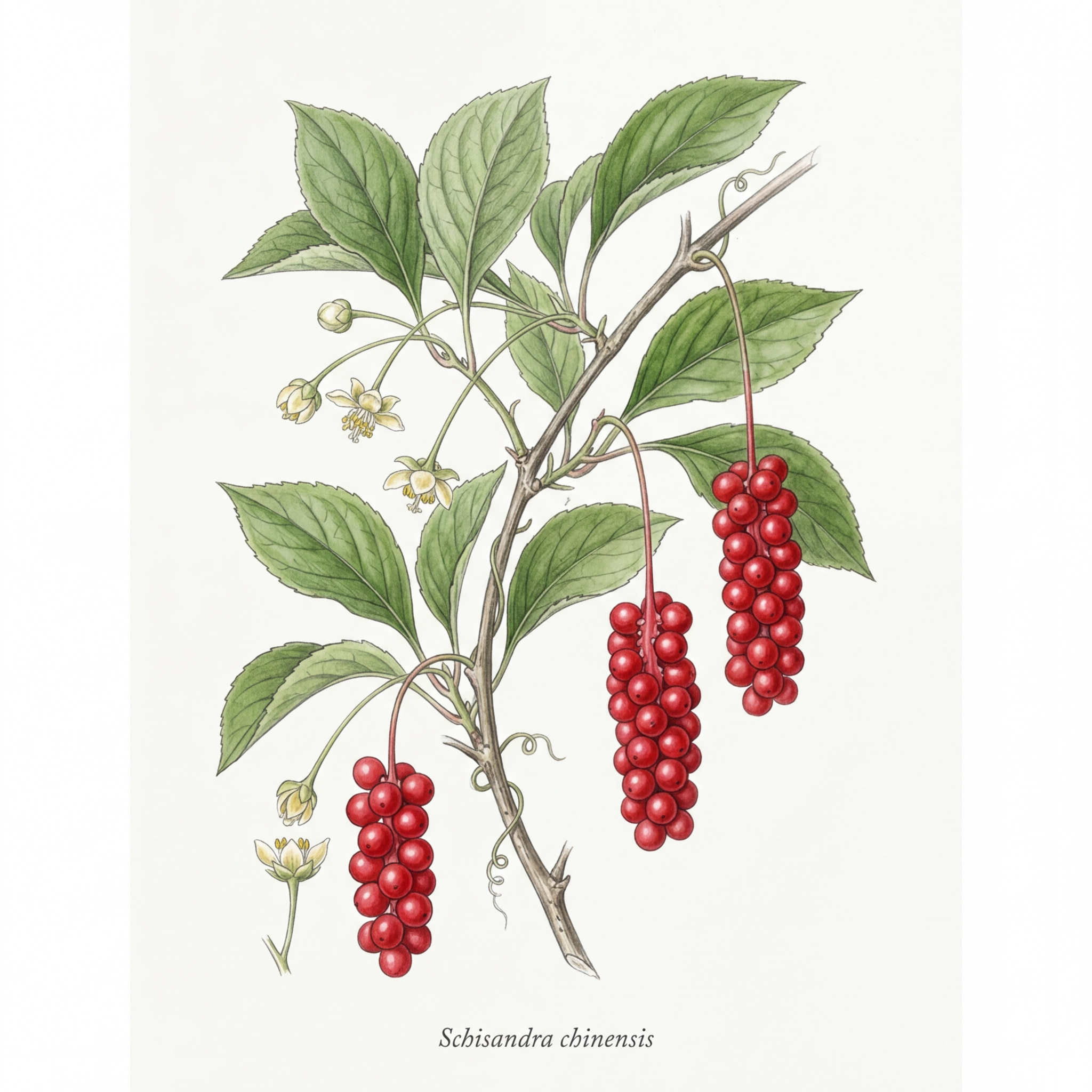
Schisandra

Schisandra

Schisandra chinensis

Adaptogen
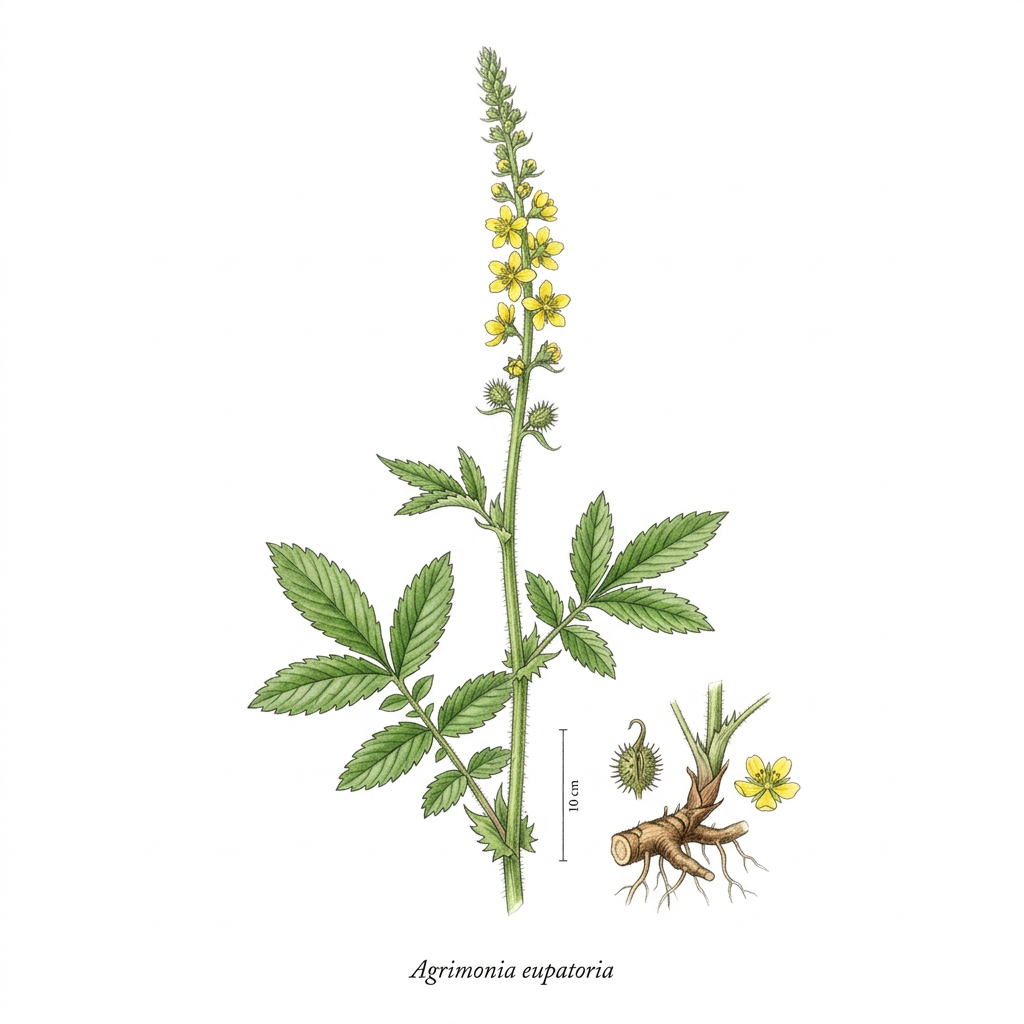
Agrimony

Agrimony

Agrimonia eupatoria

Digestive Aid
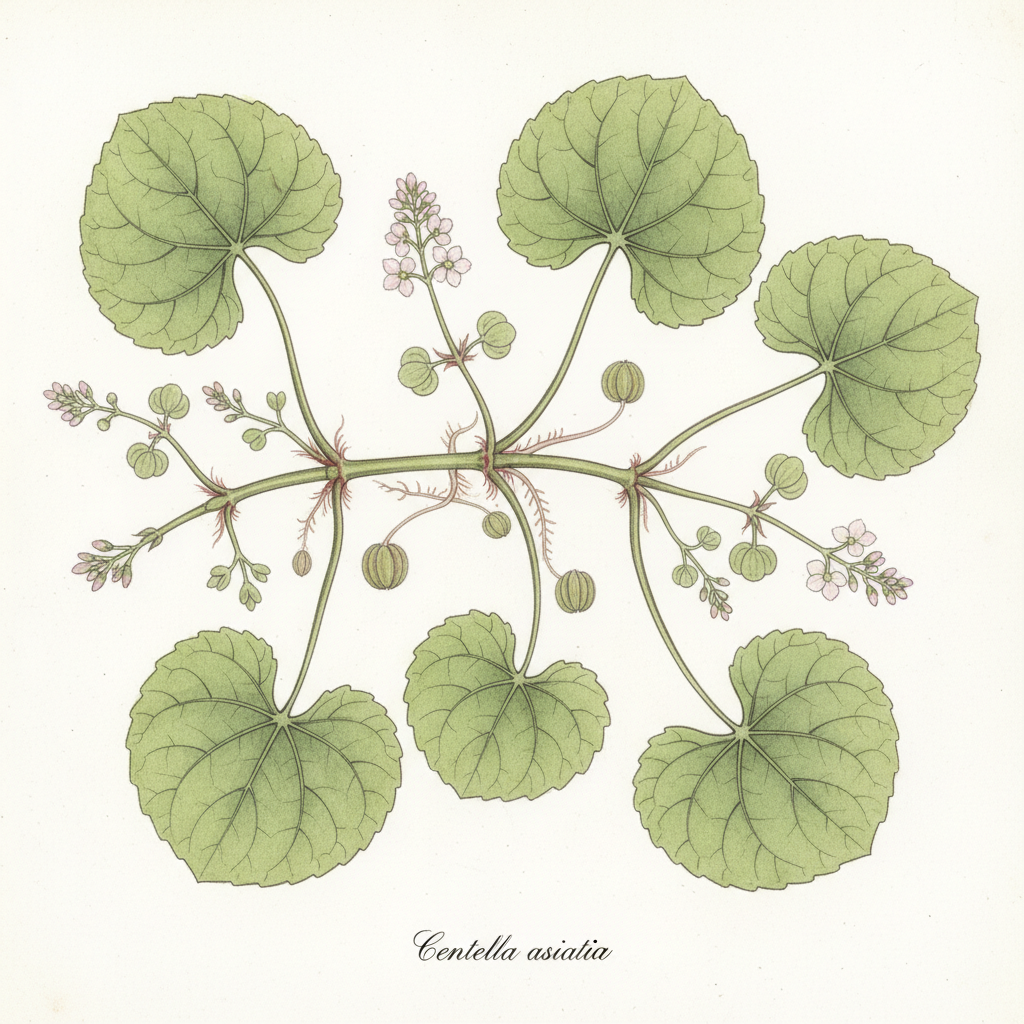
Gotu Kola

Gotu Kola

Centella asiatica

Cognitive Support
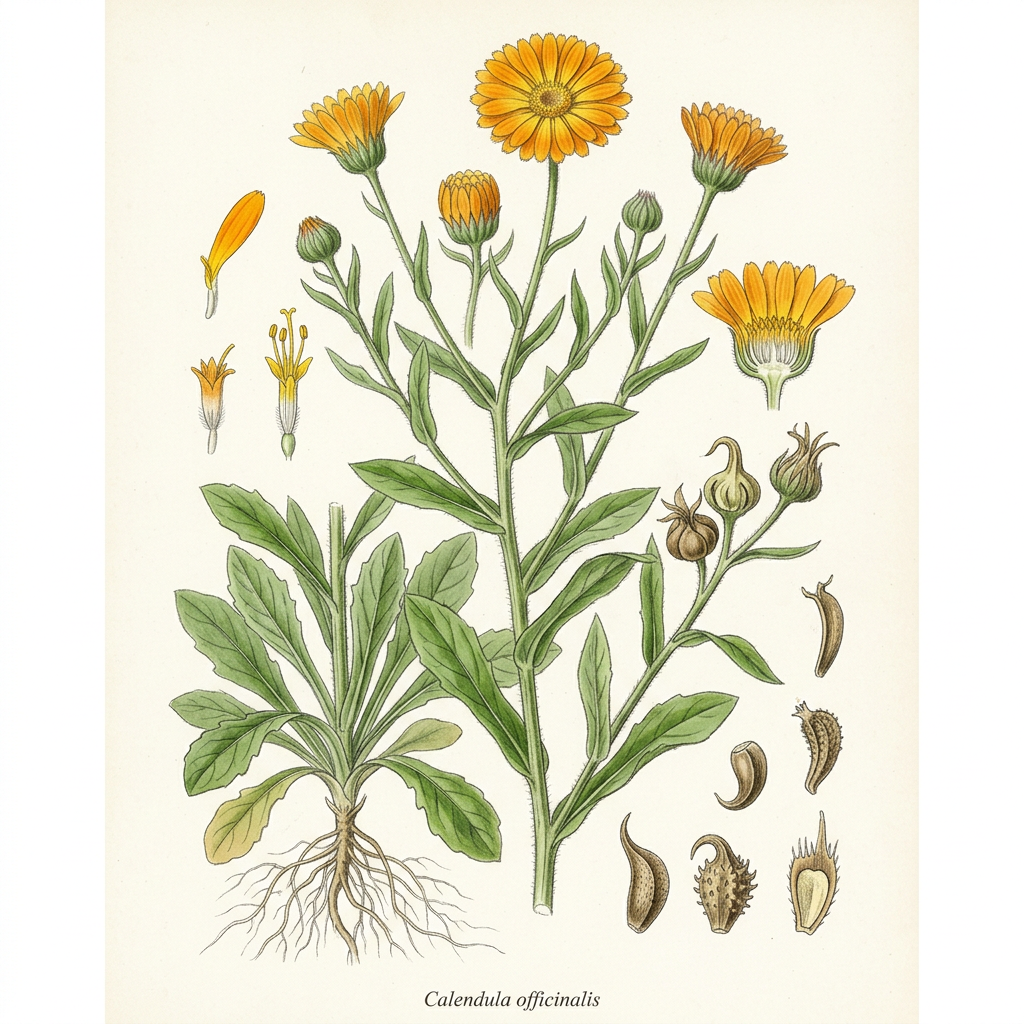
Marigold

Marigold

Calendula officinalis

Lymphatic Support