The Wild Sage logo
The Wild Sage Logo

Herbal Medicine at your fingertips

Comprehensive database of herbal remedies with detailed safety information and traditional uses

New to herbal terms? Read the glossary →
ADHD
Abcess
Acid Reflux Relief
Acinetobacter
Acne
Acne Vulgaris
Addisons
Adenomyosis
Adenovirus
Adrenal fatigue
Aging
Aids
Alcaligenes faecalis
Alcoholism
Allergic Rhinitis
Allergies
Allergy
Alopoecia
Alopoecia nervosa
Alzheimer's, Dementia & Cognitive Decline
420 herbs found
Important: This information is for educational purposes only. Always consult with qualified healthcare professionals before using herbal remedies, especially if you have existing health conditions or take medications.
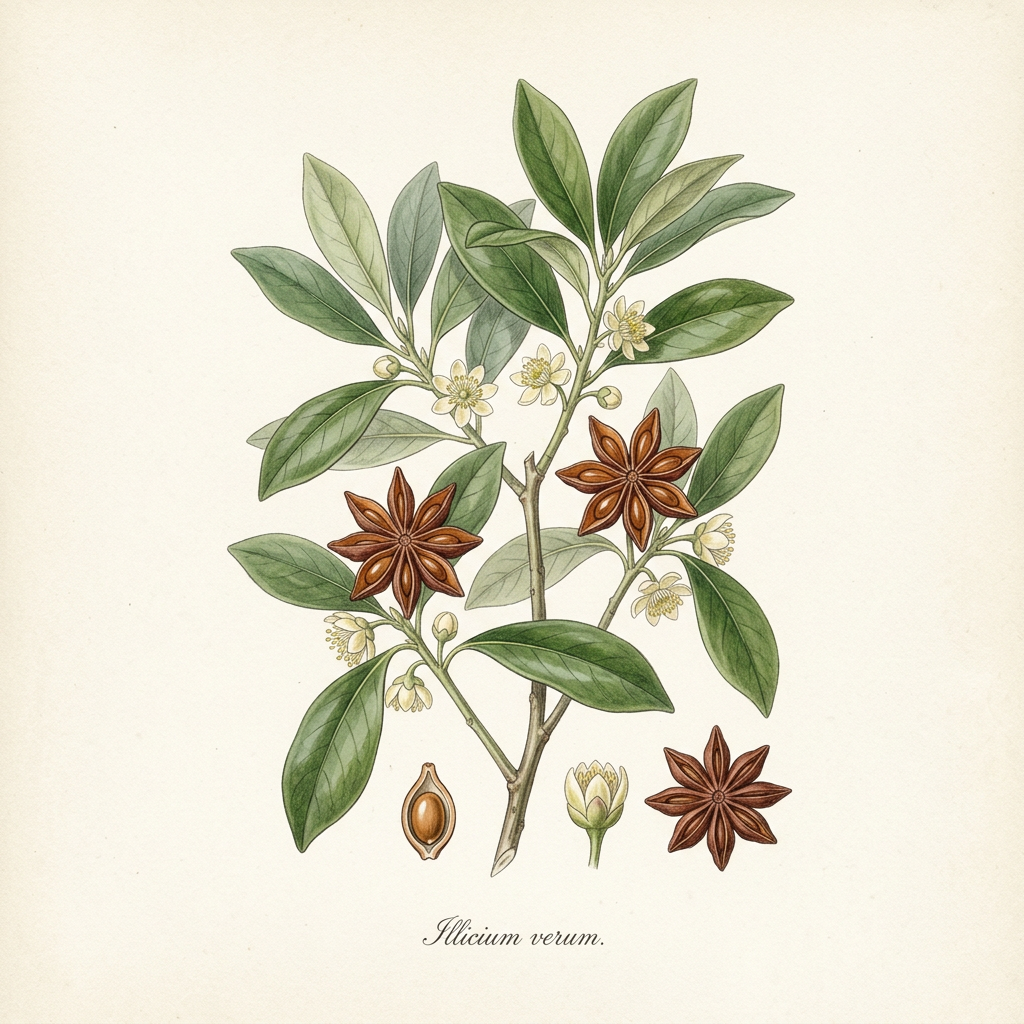
Star Anise

Star Anise

Illicium verum

low risk Risk
Illiciaceae
Warm, sweet, pungent
<p>Commonly known as star anise, Illicium verum is a perennial evergreen tree indigenous to Northeast Vietnam and South China, known for its distinctive star-shaped fruit that contains seeds. This herb has a rich historical background, having been utilized for centuries in traditional Chinese medicine and various cultures around the globe, primarily as a culinary spice and for its aromatic properties. In Chinese herbalism, star anise has been regarded as a warming herb, often included in formulations intended to support digestion and alleviate symptoms of colds and respiratory distress. Its use has expanded globally, particularly in the culinary arts, where its sweet, licorice-like flavor enhances both savory and sweet dishes. The pharmacological profile of Illicium verum is diverse and robust, showcasing several therapeutic properties that underline its growing popularity in herbal medicine. Notably, star anise exhibits COX-2 inhibitory activity, which suggests its potential in managing inflammation and pain. Furthermore, its anti-bacterial and anti-viral effects position it as a valuable ally in the fight against pathogens, including herpes simplex virus (HSV). On a metabolic level, the herb has been shown to possess hypoglycaemic properties, making it a useful adjunct in supporting healthy blood sugar levels. Additionally, its anxiolytic properties may offer calming effects, helping to alleviate anxiety and stress. Research also indicates star anise may exhibit choleretic action, promoting bile production and improving digestive health, while its anti-arrhythmic properties suggest a supportive role in cardiovascular function. The therapeutic benefits of Illicium verum can be attributed to its complex chemical composition, which includes essential oils rich in anethole—a compound responsible for its characteristic flavor and aroma. Anethole is believed to play a pivotal role in exerting the herb's anti-inflammatory, anti-bacterial, and anti-viral effects by modulating immune responses and inhibiting the activity of specific enzymes and cytokines associated with pain and inflammation. Additionally, the herb's ability to influence metabolic processes highlights its potential for promoting overall well-being. By harnessing these properties, practitioners of herbal medicine can utilize Illicium verum not only as a flavorful spice but also as a potent therapeutic tool to enhance health and vitality.</p>

Uses & Conditions

Digestive aid
Respiratory support
Calming
Warming
Anxiety
Cold symptoms
Respiratory distress
Inflammation
Pain relief
Bacterial infection
Viral infection
Herpes simplex virus
Blood sugar support
Dysmenorrhoea
Menstrual support
Hormone imbalance
Endometriosis
Epilepsy
Dyspepsia
Colic
Candida

Actions

Anxiolytic
Choleretic
Hypoglycaemic
Anti-inflammatory
Anti-bacterial
Anti-viral
Anti-arrhythmic

Parts Used

Dried ripe fruit (the 'star')

Native Countries

China
Vietnam
Japan
Malaysia
India

USDA Hardiness Zones

8
9
10

Contraindications

  • Pregnancy and breastfeeding
  • Known allergy to plants in the Illiciaceae family
  • Infants and small children due to potential misidentification with toxic Japanese Star Anise
  • Oestrogen-sensitive conditions

Potential Side Effects

  • Contact dermatitis or skin irritation from concentrated essential oil
  • Gastrointestinal upset or nausea from excessive consumption
  • Contact stomatitis from high culinary intake

Interactions

  • Anticoagulants and antiplatelet drugs
  • Hypoglycaemic agents
  • Sedatives or CNS depressants
  • CYP450 inhibitors or inducers

Dosages, tincture ratios & research — members only

Unlock Garreth's dosing guidance, tincture ratios, the dosage calculator and the research studies for Star Anise.

Your assessment and results stay saved — upgrading only unlocks more of them.

See membership plans

Community Photos

No community photos yet. Sign in to upload photos.

Reviews & Ratings

Sign in to leave a review.

No reviews yet. Be the first!

GF

Garreth Falls — B.Th., Dip. H.M., MNIMH

Content curated and reviewed by Garreth Falls, Consultant Medical Herbalist · The Wild Sage

Medical Disclaimer: This information is for educational purposes only and is not intended as medical advice. Always consult with qualified healthcare professionals before starting any herbal treatment.
Chinese tradition

Sustainability & quality

Cultivated

Extensively farmed; quality varies; ensure professional testing to rule out contamination with Japanese star anise.

Key constituents

Trans-anethole, Shikimic acid, Linalool, Limonene, Terpineol, Flavonoids, Anisaldehyde

References

  1. Bensky "Chinese Herbal Medicine: Materia Medica" 3rd ed. 2004
  2. Herbal Reality. Herb monographs. herbalreality.com

Reviewed by Garreth, Medical Herbalist (MNIMH) · November 2026

Related conditions

Explore conditions where Star Anise is traditionally used.

Related Herbs
Mentha piperita

Mentha piperita
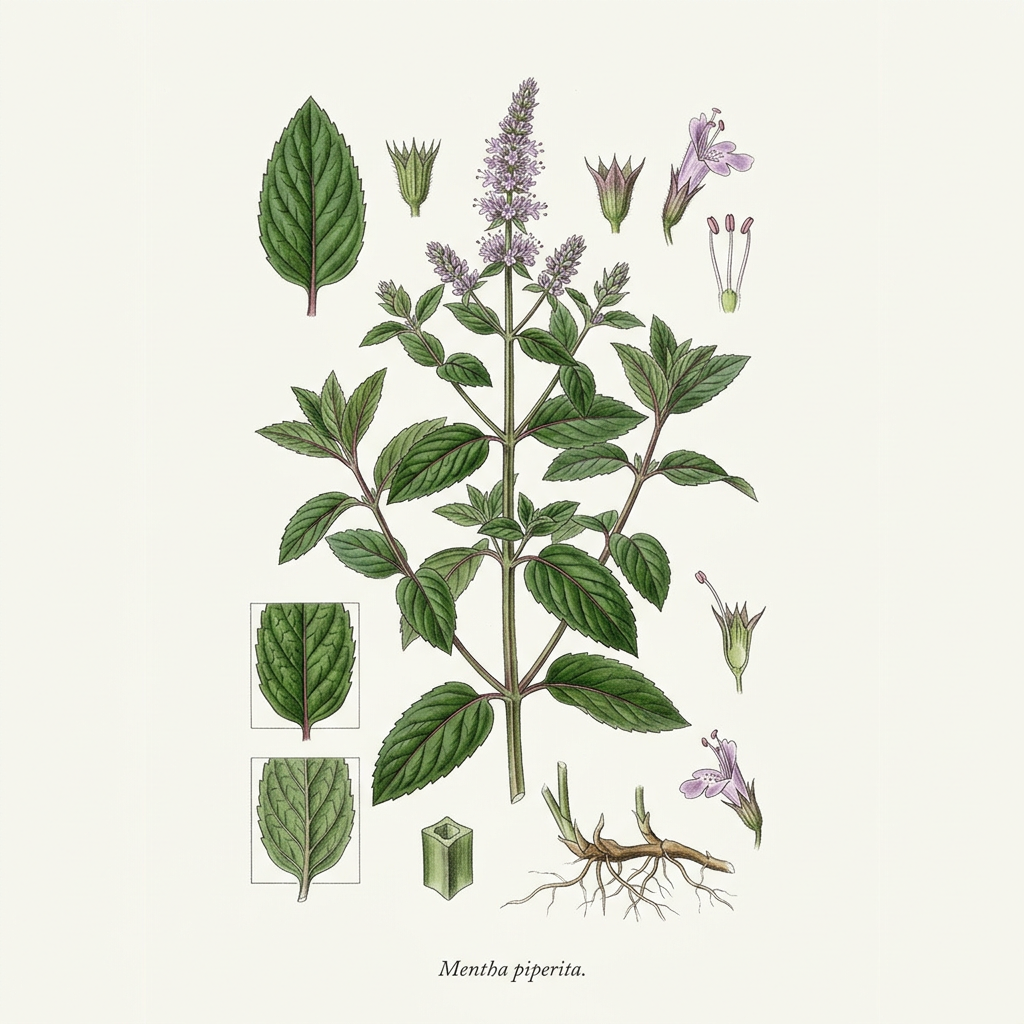
Mentha piperita

Digestive Aid
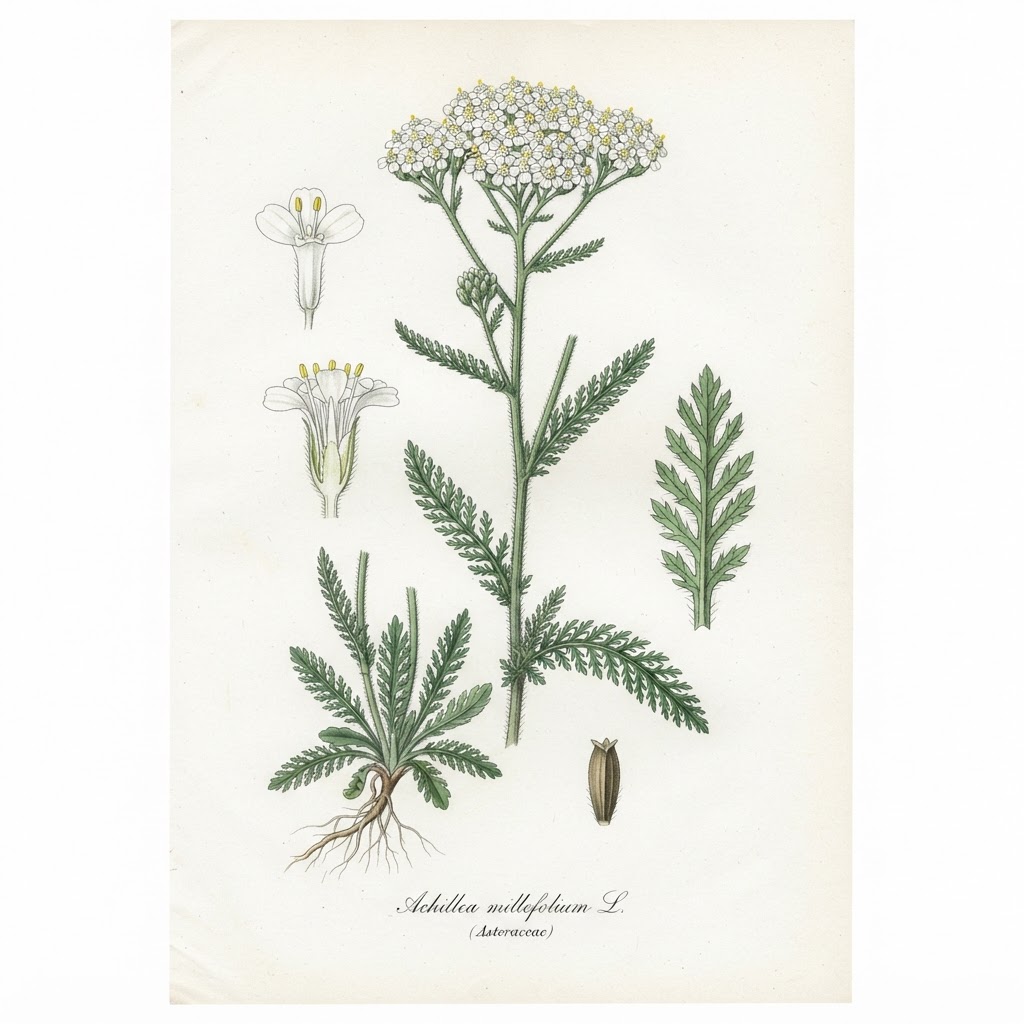
Yarrow

Yarrow

Achillea millefolium

Digestive Tonic
Fennel

Fennel

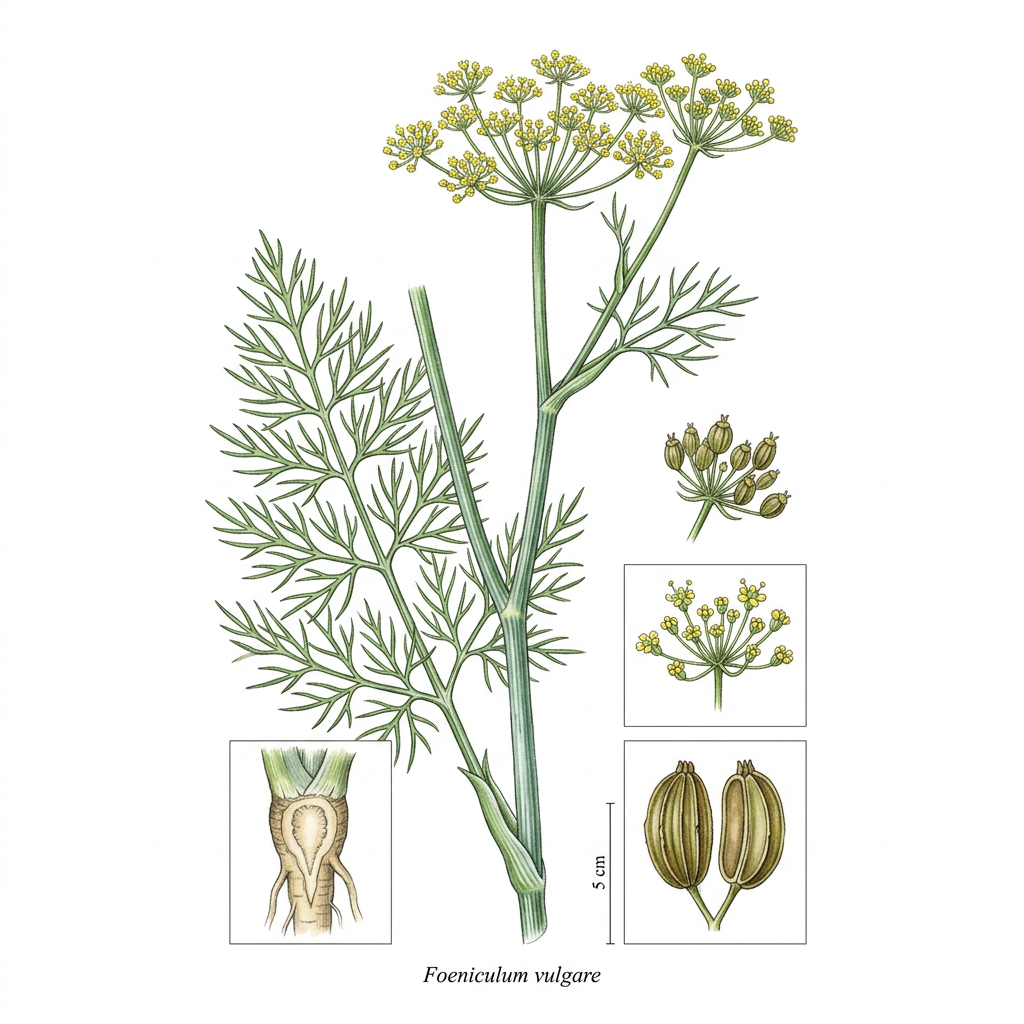
Foeniculum vulgare

Digestive Aid
Licorice

Licorice

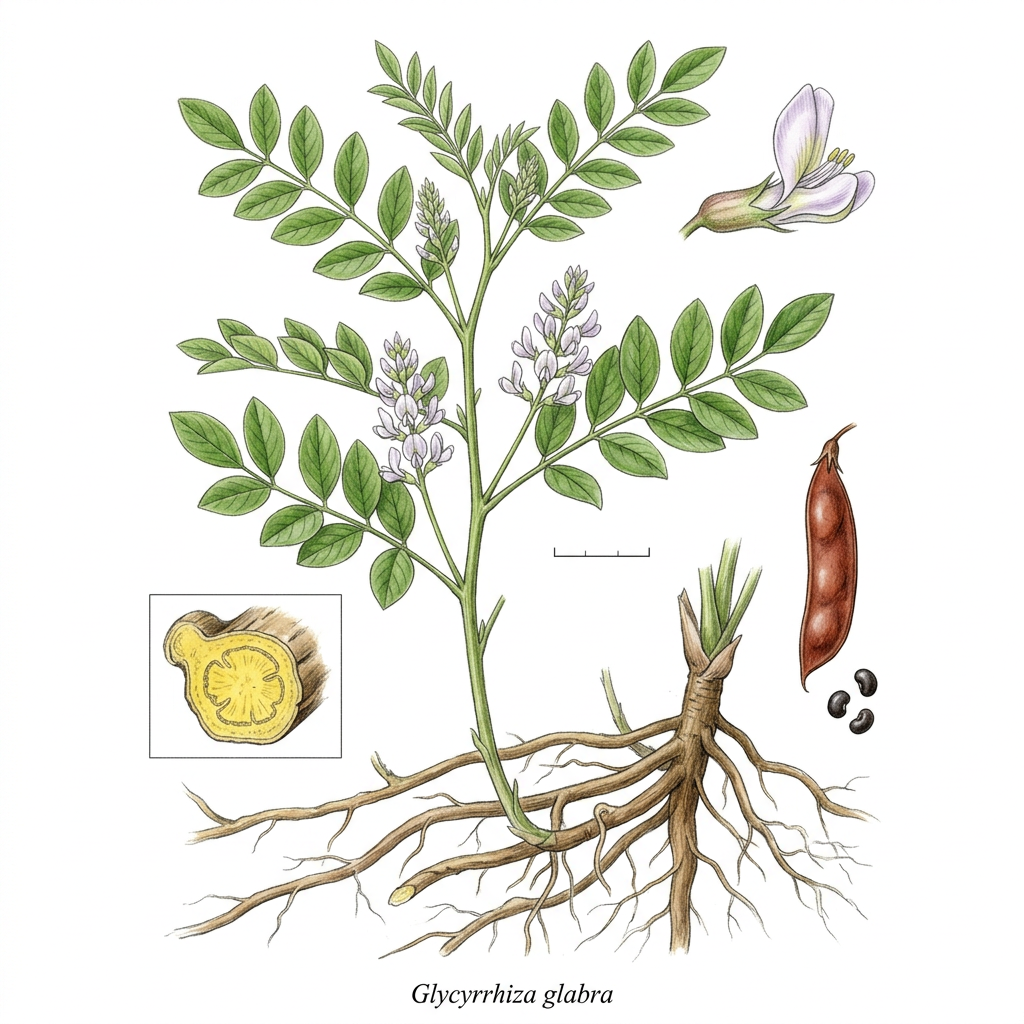
Glycyrrhiza glabra

Adrenal support