The Wild Sage logo
The Wild Sage Logo

Herbal Medicine at your fingertips

Comprehensive database of herbal remedies with detailed safety information and traditional uses

New to herbal terms? Read the glossary →
ADHD
Abcess
Acid Reflux Relief
Acinetobacter
Acne
Acne Vulgaris
Addisons
Adenomyosis
Adenovirus
Adrenal fatigue
Aging
Aids
Alcaligenes faecalis
Alcoholism
Allergic Rhinitis
Allergies
Allergy
Alopoecia
Alopoecia nervosa
Alzheimer's, Dementia & Cognitive Decline
420 herbs found
Important: This information is for educational purposes only. Always consult with qualified healthcare professionals before using herbal remedies, especially if you have existing health conditions or take medications.
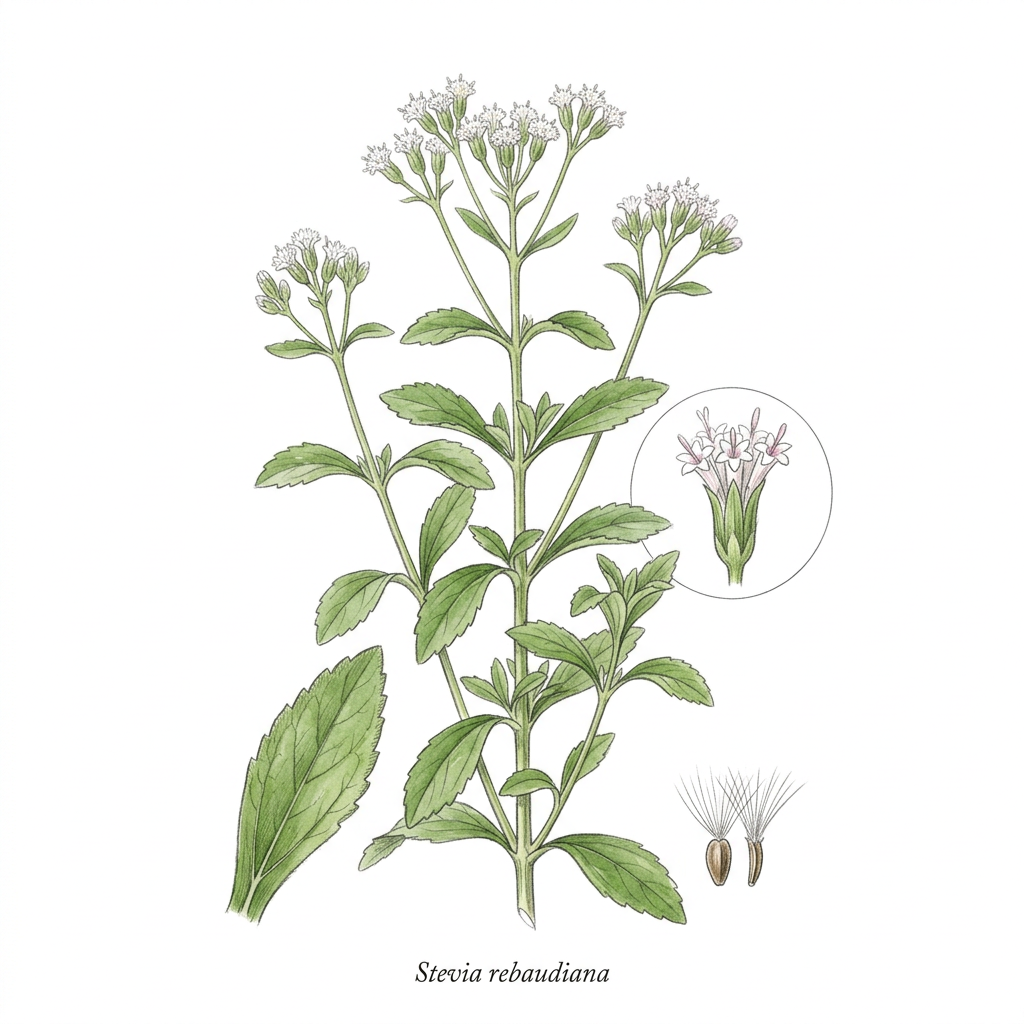
Stevia

Stevia

Stevia rebaudiana

low risk Risk
Asteraceae
sweet, bitter, cooling
<p>Stevia rebaudiana is a tender perennial shrub native to Paraguay and Brazil, belonging to the Asteraceae family. It is easily identified by its bright green, serrated lanceolate leaves and small, inconspicuous white flowers. The plant thrives in subtropical climates and is prized for the intense sweetness contained within its foliage, which is significantly more potent than sucrose without the associated caloric load.</p><p>Traditionally used by the Guaraní people of South America as a medicinal herb for centuries, it was primarily employed to sweeten maté tea and as a general tonic for wellbeing. It has long been valued for its digestive properties and its ability to soothe the stomach, serving as a staple in regional folk medicine. Historical use also suggests applications for skin health, though these are secondary to its primary status as a natural sweetener.</p><p>Modern scientific inquiry has focused on its constituent steviol glycosides and their impact on metabolic health. Current research indicates potential for supporting balanced blood sugar levels, though evidence remains limited and more large-scale human trials are required to confirm efficacy. It is generally considered a metabolic aid rather than a curative agent, with herbalists valuing it for its ability to provide sweetness for those needing to monitor glycaemic intake while offering mild cardiovascular support.</p><p>In contemporary practice, Stevia is often integrated into herbal prescriptions to improve the palatability of bitter formulas, making them more acceptable to patients. It is increasingly used as a metabolic-friendly alternative for patients seeking to manage their dietary sugar intake. Practitioners emphasize the difference between refined stevia extracts used in the food industry and the whole-leaf preparation, which offers a broader spectrum of phytochemicals.</p>

Uses & Conditions

Weight Reduction
Metabolic Improvement
Emotional Well-being
Type 2 Diabetes Mellitus
Hypertension
Obesity
Hyperlipidaemia
Inflammation
Digestive Disorders
Metabolic Syndrome

Actions

Anti-diabetic
Antioxidant
NFkB Inhibitor
Anti-bacterial
Hypotensive

Parts Used

Dried leaves
Whole leaf powder

Native Countries

Paraguay
Brazil
Argentina

USDA Hardiness Zones

9
10
11

Contraindications

  • Pregnancy: insufficient safety data available for therapeutic use
  • Breastfeeding: avoidance is advised due to lack of clinical studies
  • Known allergy to members of the Asteraceae/Compositae family
  • Hypoglycaemia: use with caution in patients with history of low blood sugar
  • Scheduled surgery: discontinue use two weeks prior to elective procedures

Potential Side Effects

  • Occasional mild bloating
  • Flatulence
  • Potential for mild nausea
  • Rare allergic reactions manifesting as skin irritation or hives

Interactions

  • Antidiabetic medications: may potentiate hypoglycaemic effects
  • Antihypertensive drugs: potential additive effects on blood pressure modulation
  • Lithium: steviol glycosides may potentially affect renal clearance rates
  • Pharmacological extracts: use caution due to potential interaction

Dosages, tincture ratios & research — members only

Unlock Garreth's dosing guidance, tincture ratios, the dosage calculator and the research studies for Stevia.

Your assessment and results stay saved — upgrading only unlocks more of them.

See membership plans

Community Photos

No community photos yet. Sign in to upload photos.

Reviews & Ratings

Sign in to leave a review.

No reviews yet. Be the first!

GF

Garreth Falls — B.Th., Dip. H.M., MNIMH

Content curated and reviewed by Garreth Falls, Consultant Medical Herbalist · The Wild Sage

Medical Disclaimer: This information is for educational purposes only and is not intended as medical advice. Always consult with qualified healthcare professionals before starting any herbal treatment.
Western tradition
Chinese tradition

Sustainability & quality

Cultivated

Extensively farmed globally as a non-caloric sweetener; purchase high-purity extracts from reliable suppliers.

Key constituents

Steviol glycosides, Rebaudiosides A, B, C, D, and E, Stevioside, Dulcoside A, Essential oils, Flavonoids, Chlorogenic acid

References

  1. Mills & Bone "The Essential Guide to Herbal Safety" 2005
  2. Herbal Reality. Herb monographs. herbalreality.com

Reviewed by Garreth, Medical Herbalist (MNIMH) · November 2026

Related conditions

Explore conditions where Stevia is traditionally used.

Related Herbs
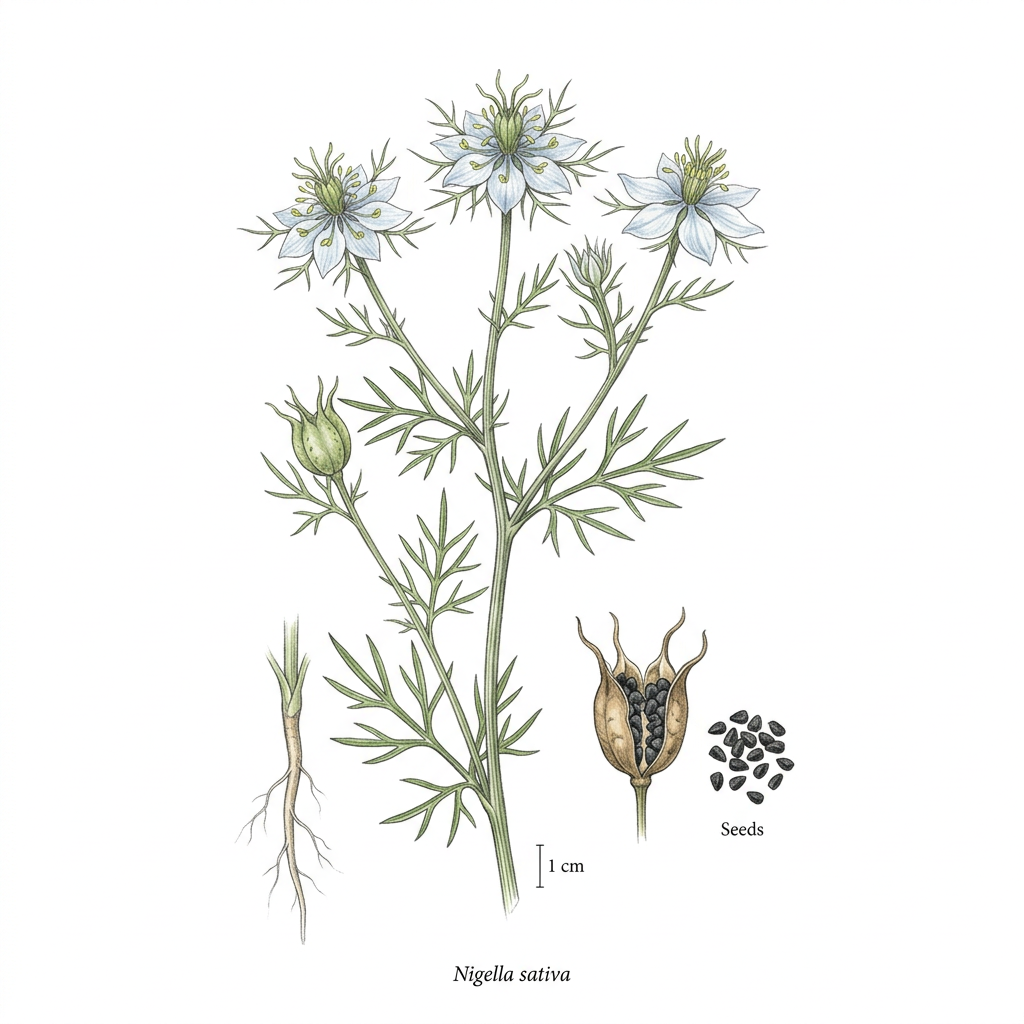
Black Cumin Seed

Black Cumin Seed

Nigella sativa

Antioxidant Support
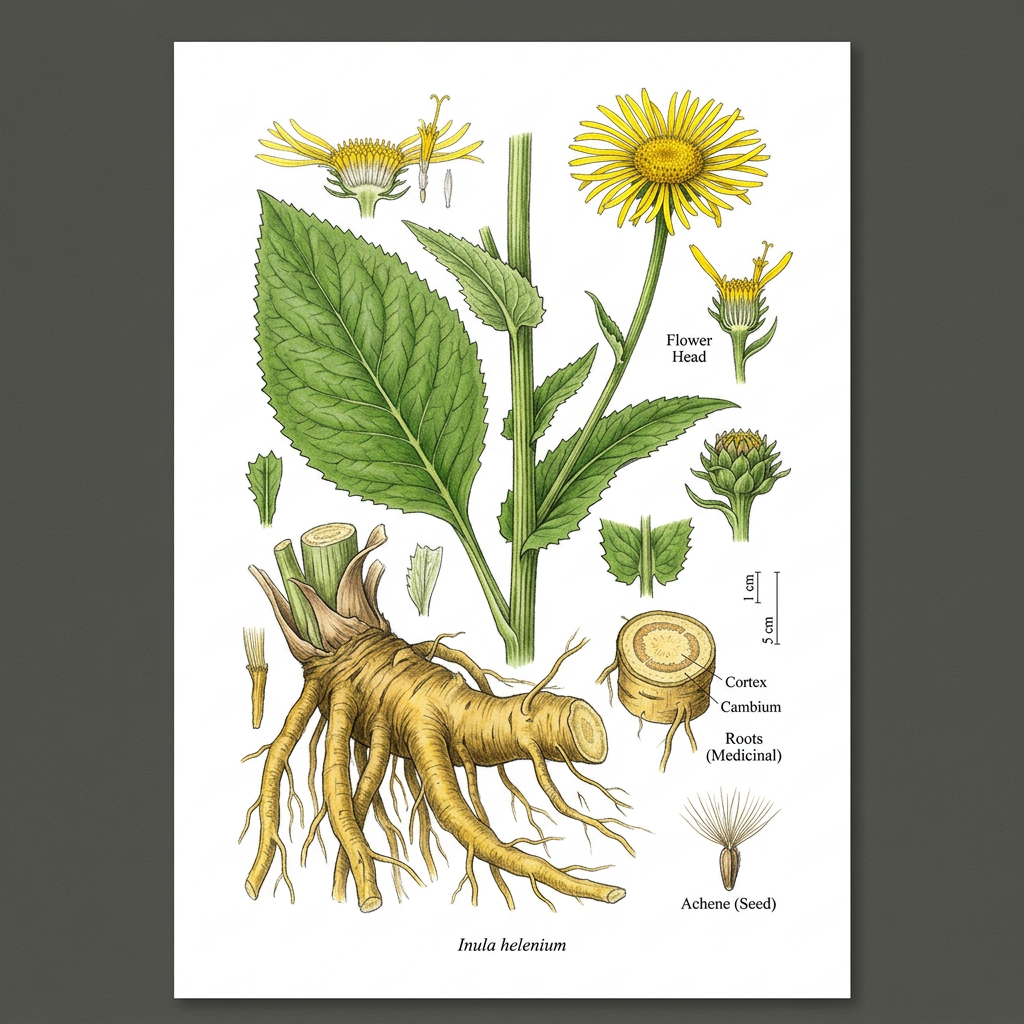
Elecampane

Elecampane

Inula helenium

Lung Health
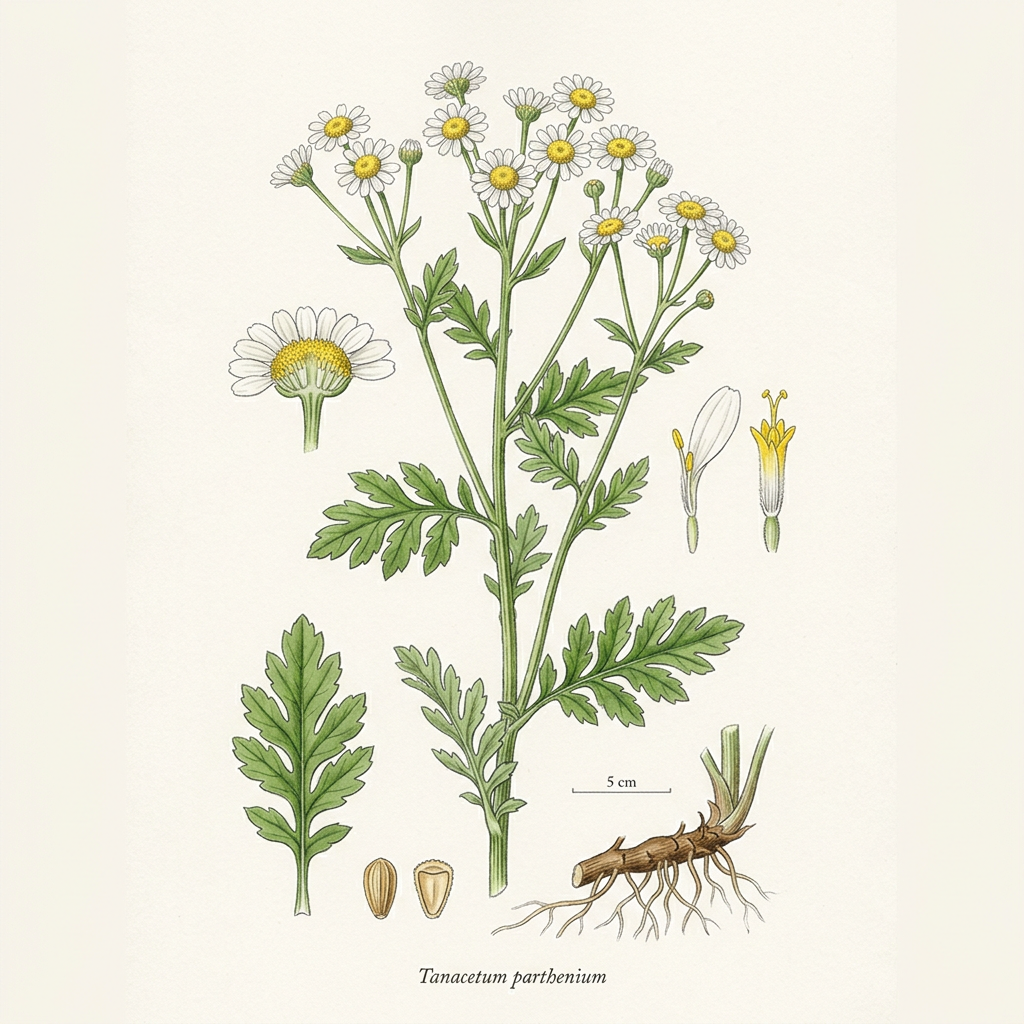
Feverfew

Feverfew

Tanacetum parthenium

Headache Relief
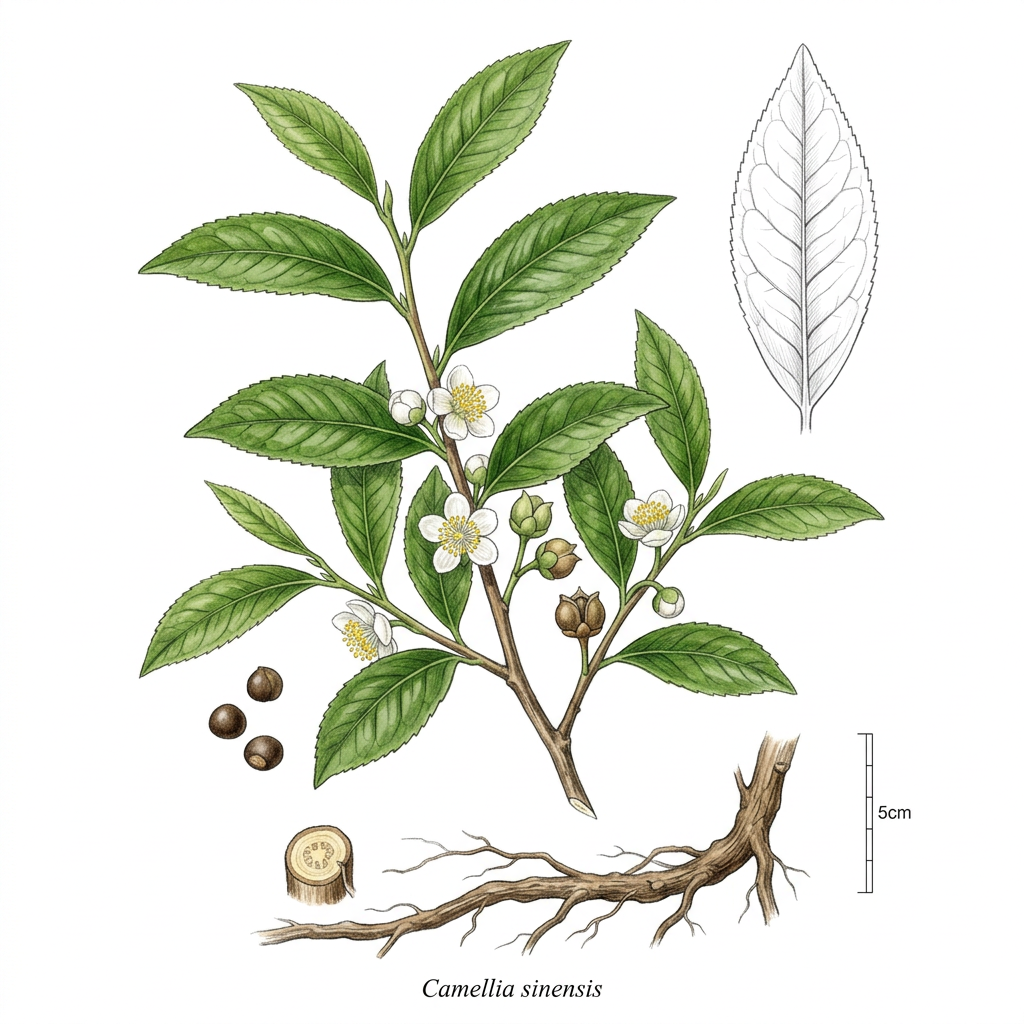
Green Tea

Green Tea

Camellia sinensis

Hypertension