The Wild Sage logo
The Wild Sage Logo

Herbal Medicine at your fingertips

Comprehensive database of herbal remedies with detailed safety information and traditional uses

New to herbal terms? Read the glossary →
ADHD
Abcess
Acid Reflux Relief
Acinetobacter
Acne
Acne Vulgaris
Addisons
Adenomyosis
Adenovirus
Adrenal fatigue
Aging
Aids
Alcaligenes faecalis
Alcoholism
Allergic Rhinitis
Allergies
Allergy
Alopoecia
Alopoecia nervosa
Alzheimer's, Dementia & Cognitive Decline
420 herbs found
Important: This information is for educational purposes only. Always consult with qualified healthcare professionals before using herbal remedies, especially if you have existing health conditions or take medications.
Stone breaker

Stone breaker

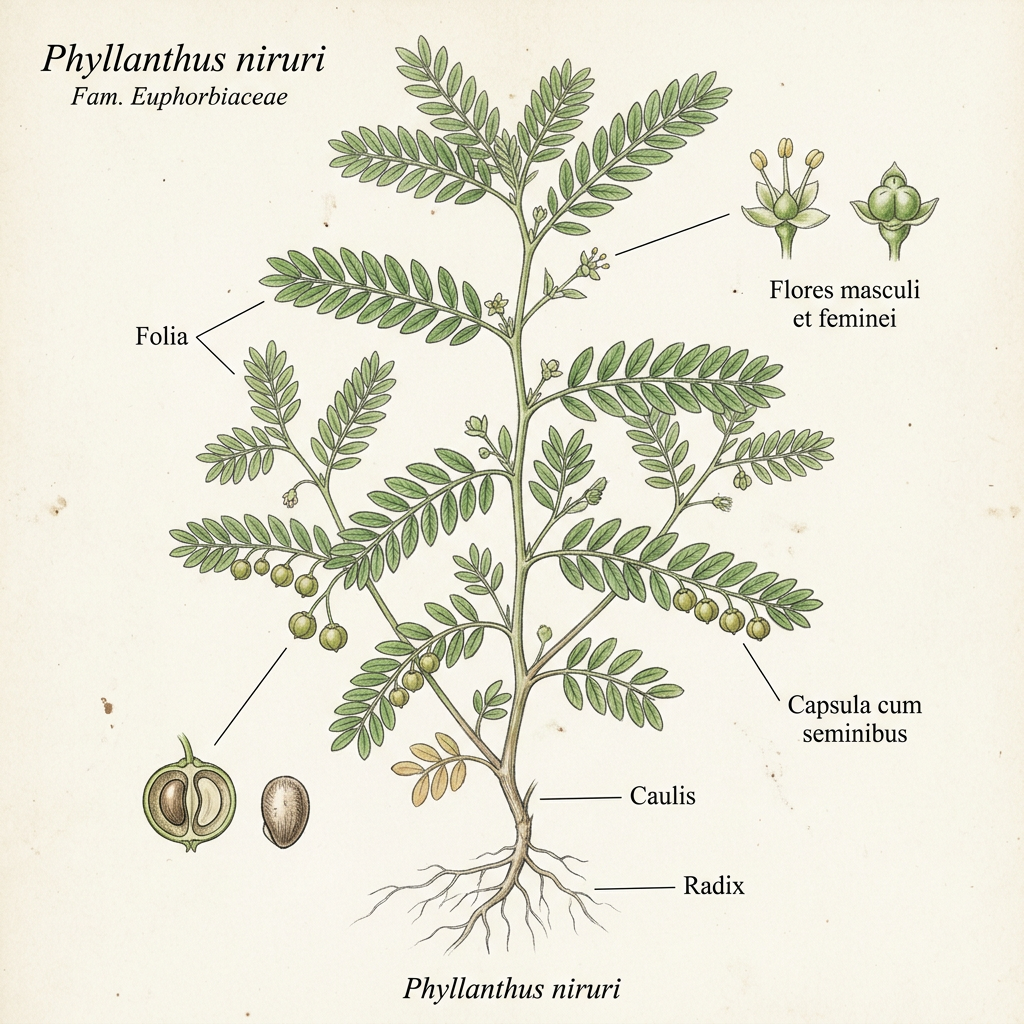
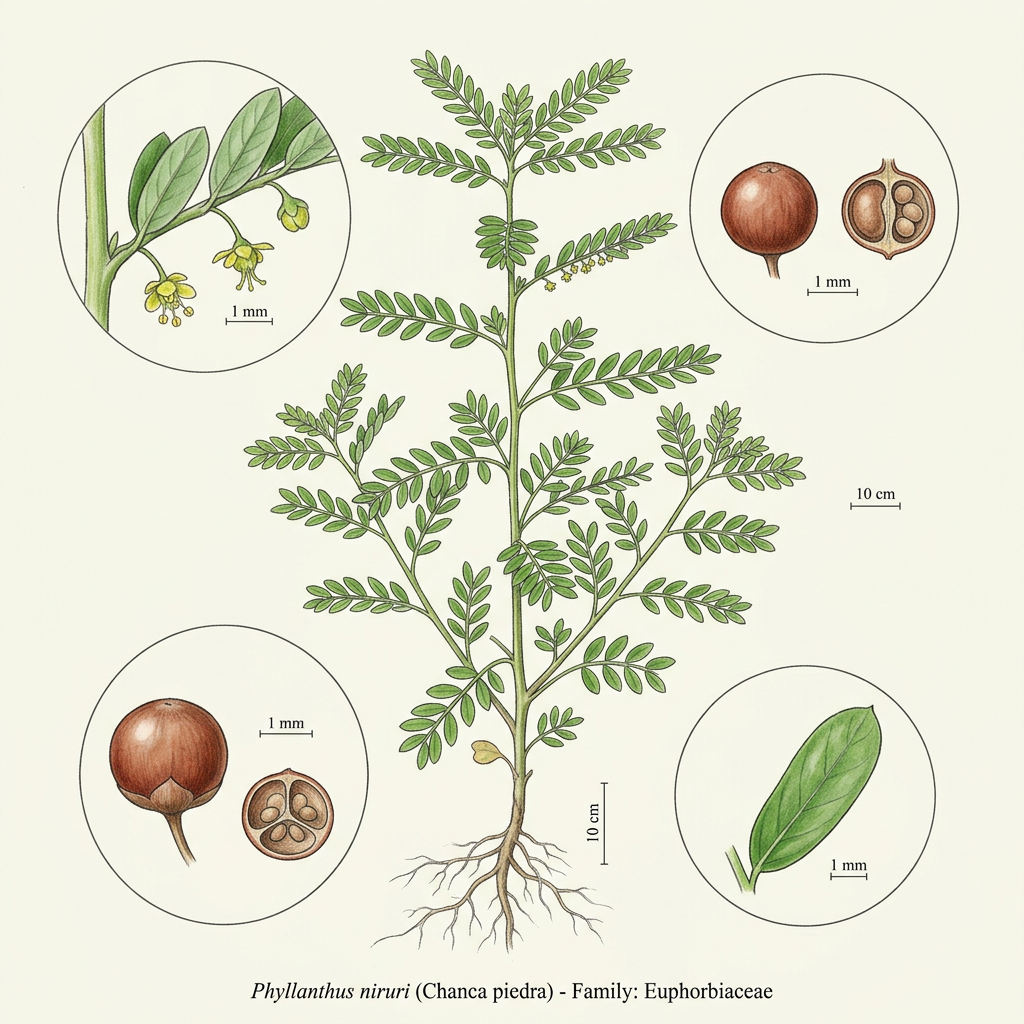
Phyllanthus niruri

low risk Risk
Euphorbiaceae
warming bitter
<p>Phyllanthus niruri is a small, herbaceous, annual plant belonging to the Euphorbiaceae family, widely distributed across tropical regions. It is easily identified by its slender, reddish stems and pinnate leaves that bear numerous tiny, drooping, seed-bearing capsules on the undersides of the branches. Its common name, 'stone breaker,' reflects its long-standing reputation in diverse traditional systems of medicine, particularly in India, Brazil, and throughout the Caribbean, for supporting urinary health and managing gravelly deposits.</p><p>Traditionally used for the gentle support of the urinary tract and as a bitter digestive tonic, the plant has a deep history of use in Ayurvedic and South American herbalism. It has historically been employed to address the discomfort associated with urinary stones and to support the liver during bouts of digestive sluggishness or viral-related malaise. Its reputation for cooling the system often dictates its use in hot, inflammatory presentations.</p><p>Modern research has focused on the plant's phytochemical constituents, such as lignans and flavonoids, which show promise in in-vitro studies regarding their smooth muscle relaxant properties and potential effects on crystal aggregation. While human clinical trials provide some suggestive evidence, further rigorous, large-scale studies are required to confirm its clinical efficacy for renal stone dissolution. In contemporary practice, it is often employed in short-term courses to support renal detoxification processes and liver function. Practitioners advise using high-quality material from sustainable sources, ensuring careful screening for heavy metals or contaminants given the plant's potent capacity for environmental accumulation.</p>

Uses & Conditions

Renal function improvement
Uric acid reduction
Glycemic control improvement
Insulin sensitivity improvement
Blood pressure reduction
Hypertension
Diabetes mellitus
Chronic kidney disease
Gout
Renal calculus
Kidney stones
Kidney inflammation
Renal weakness
Gall stones
Bladder stones

Actions

Anti-inflammatory
Diuretic
Antimicrobial
ACE inhibitor
NFkB inhibitor
TNF-a reduction
IL-6 inhibition
Antibacterial
Anti-fungal

Parts Used

Aerial parts (leaves
stems
and seed capsules)

Native Countries

India
Brazil
Mexico
China
Southeast Asia

USDA Hardiness Zones

10
11

Contraindications

  • Pregnancy: avoid due to potential uterine stimulant activity.
  • Breastfeeding: lack of safety data precludes recommendation.
  • Known bleeding disorders: use with extreme caution due to potential antiplatelet properties.
  • Surgical procedures: discontinue at least two weeks before scheduled elective surgery.
  • Acute
  • sharp
  • or sudden-onset kidney pain: seek urgent medical investigation to rule out obstruction.

Potential Side Effects

  • Mild gastrointestinal upset or nausea.
  • Occasional loose stools if taken in high doses.
  • Potential for hypoglycaemia if taken alongside blood-sugar lowering medications.

Interactions

  • Antidiabetic medications: may potentiate blood glucose lowering effects; monitor blood sugar levels.
  • Antihypertensive drugs: potential additive effects on blood pressure; use under supervision.
  • Anticoagulants or antiplatelet agents: theoretical risk of interaction; clinical evidence is limited.
  • Hepatotoxic drugs: potential for altered hepatic metabolism due to enzyme modulation.

Dosages, tincture ratios & research — members only

Unlock Garreth's dosing guidance, tincture ratios, the dosage calculator and the research studies for Stone breaker.

Your assessment and results stay saved — upgrading only unlocks more of them.

See membership plans

Community Photos

No community photos yet. Sign in to upload photos.

Reviews & Ratings

Sign in to leave a review.

No reviews yet. Be the first!

GF

Garreth Falls — B.Th., Dip. H.M., MNIMH

Content curated and reviewed by Garreth Falls, Consultant Medical Herbalist · The Wild Sage

Medical Disclaimer: This information is for educational purposes only and is not intended as medical advice. Always consult with qualified healthcare professionals before starting any herbal treatment.
Ayurvedic tradition

Sustainability & quality

Abundant

Widely available plant. Ensure quality control for heavy metal testing if sourced from regions with high soil pollution levels.

Key constituents

Alkaloids, acetogenins, Cardiac glycosides, Ellatitannins, flavonoids, Lignans, Phenolic compounds

References

  1. Pole "Ayurvedic Medicine" 2006
  2. Herbal Reality. Herb monographs. herbalreality.com

Reviewed by Garreth, Medical Herbalist (MNIMH) · November 2026

Related conditions

Explore conditions where Stone breaker is traditionally used.

Related Herbs
Chanca piedra

Chanca piedra

Phyllanthus niruri

Detoxification Support
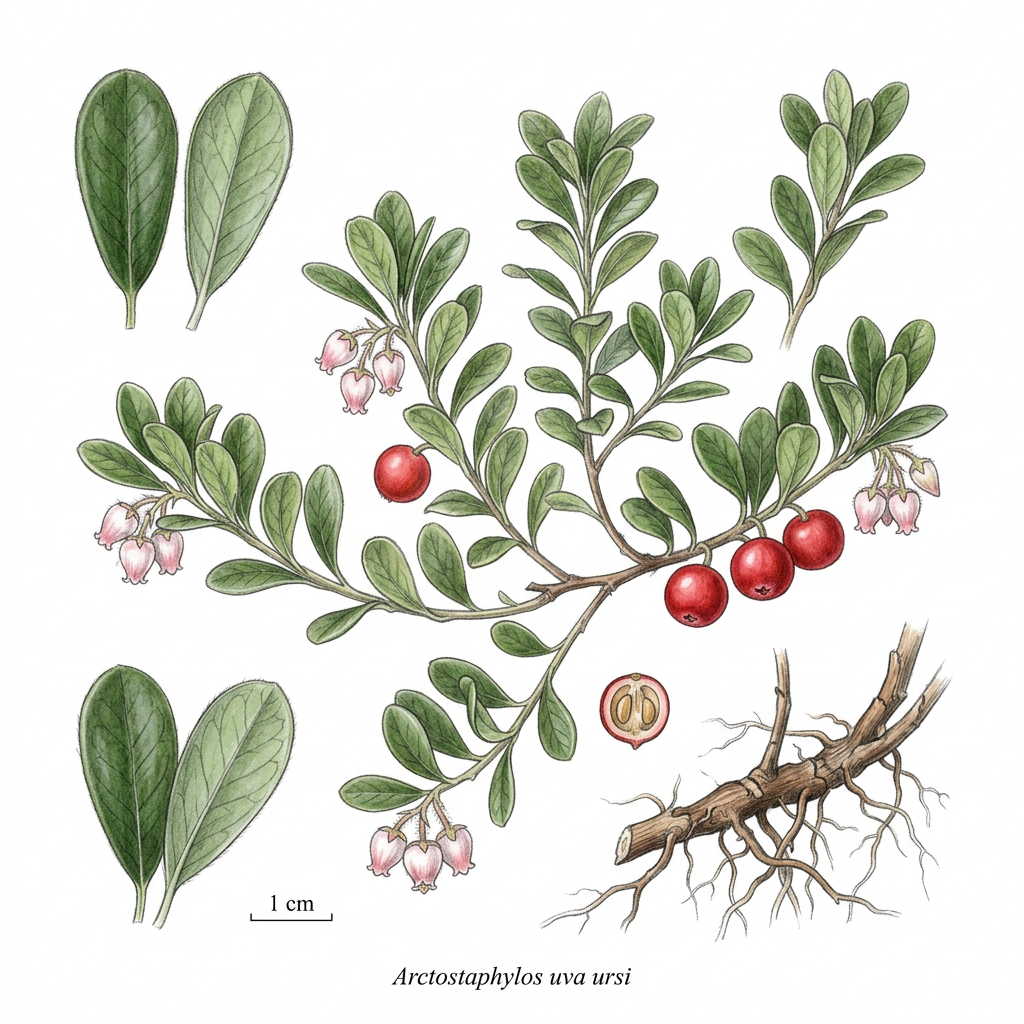
Bearberry

Bearberry

Arctostaphylos uva ursi

Urinary Health
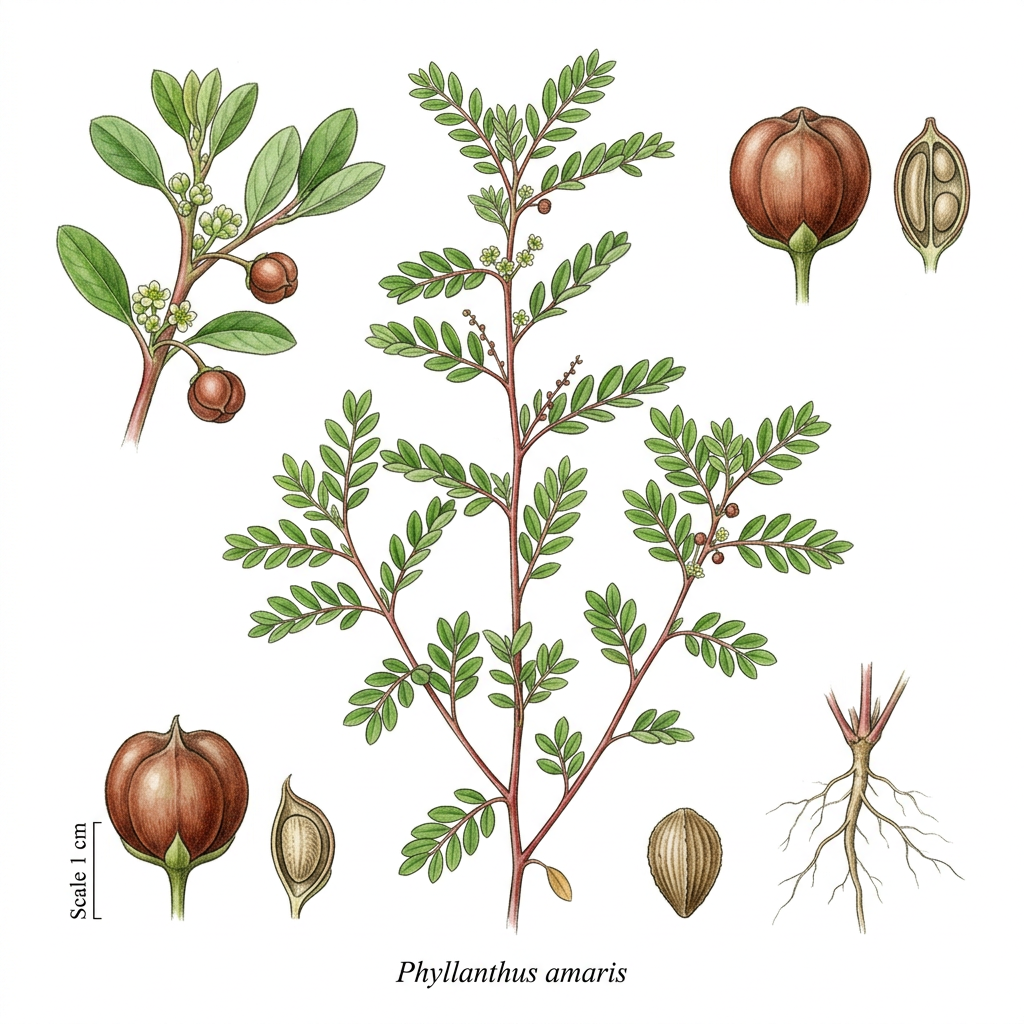
Bhumi amla

Bhumi amla

Phyllanthus amarus

Detoxification
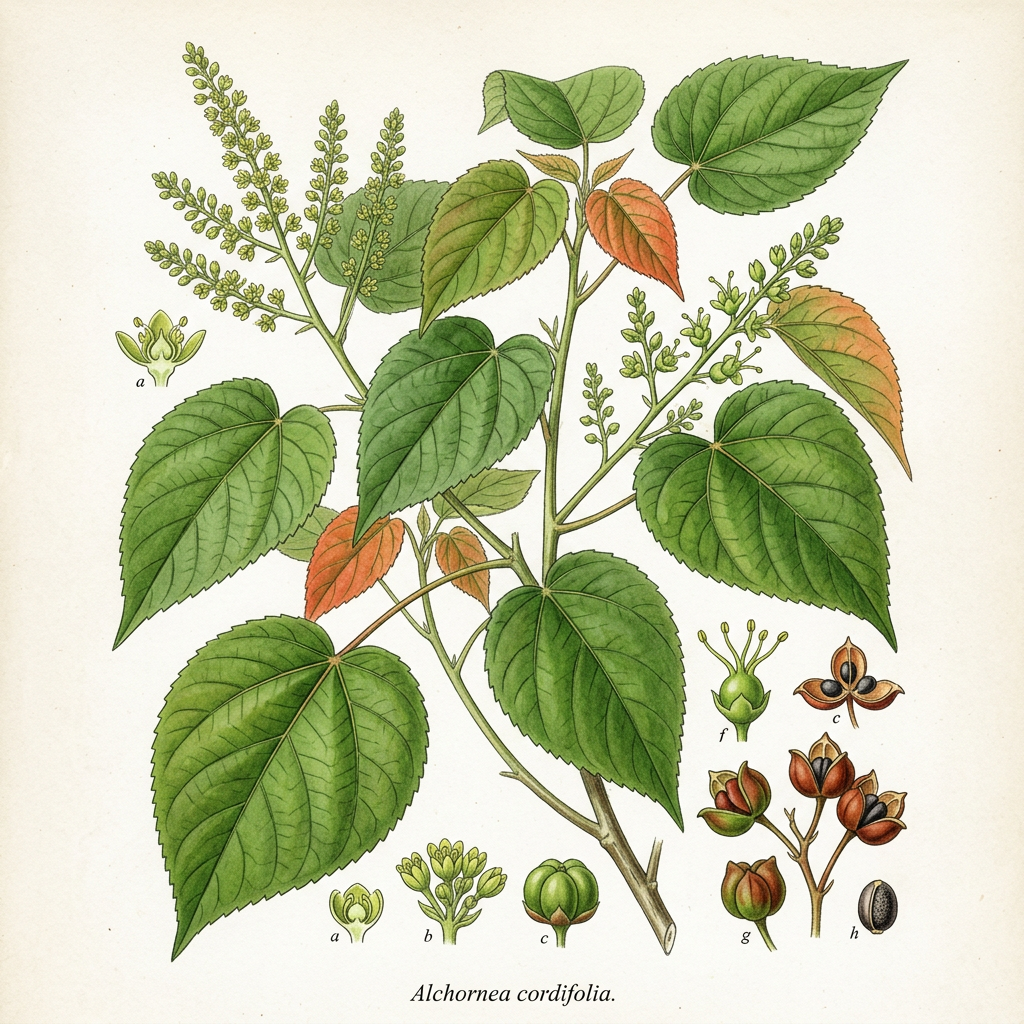
Christmas Bush

Christmas Bush

Alchornea cordifolia

Cardiovascular Support