The Wild Sage logo
The Wild Sage Logo

Herbal Medicine at your fingertips

Comprehensive database of herbal remedies with detailed safety information and traditional uses

New to herbal terms? Read the glossary →
ADHD
Abcess
Acid Reflux Relief
Acinetobacter
Acne
Acne Vulgaris
Addisons
Adenomyosis
Adenovirus
Adrenal fatigue
Aging
Aids
Alcaligenes faecalis
Alcoholism
Allergic Rhinitis
Allergies
Allergy
Alopoecia
Alopoecia nervosa
Alzheimer's, Dementia & Cognitive Decline
420 herbs found
Important: This information is for educational purposes only. Always consult with qualified healthcare professionals before using herbal remedies, especially if you have existing health conditions or take medications.

Stone root

Collinsonia canadensis

moderate risk Risk
Lamiaceae
Known for its grounding and stabilizing properties, it is often used to promote emotional balance and physical strength.
<p>Stone root, scientifically known as *Collinsonia canadensis*, is a perennial herb native to North America, particularly flourishing in the moist, wooded areas of the eastern United States and Canada. Traditionally revered by Indigenous peoples and early American settlers, stone root has played a significant role in herbal medicine for centuries. It was commonly employed to alleviate various ailments, ranging from digestive issues to respiratory complaints. The rich historical use of stone root is rooted in its reputation as a versatile botanical, harnessed not only for its physical remedies but also as a support for overall wellness. The therapeutic properties of stone root are largely attributed to its ability to act as an AMPK activator, which is associated with energy regulation in the body, promoting metabolic health and balance. This unique herb is recognized for its adrenal tonic qualities, aiding in the support of adrenal function and enhancing resilience to stress. In addition to its tonic effects, stone root exhibits anti-inflammatory properties, making it beneficial for addressing conditions characterized by inflammation and discomfort. Its deprurative action helps to clear excess fluid from the body, further contributing to its traditional uses in alleviating urinary tract disturbances. Additionally, stone root serves as a digestive aid, stimulating the digestive system and promoting better nutrient absorption, which underscores its application in holistic health practices. The mechanism by which stone root exerts its effects is multifaceted. As an AMPK activator, it plays a critical role in cellular energy homeostasis, influencing pathways that regulate metabolism and fat oxidation. Furthermore, the herb's anti-inflammatory properties likely stem from its bioactive compounds, which modulate inflammatory pathways, helping to reduce swelling and pain. The adaptability of stone root within various herbal formulations highlights its integrative potential in addressing a range of health concerns, reinforcing its prominent place in both traditional and modern herbal medicine. Through a combination of historical legacy and scientific investigation, stone root continues to inspire both practitioners and enthusiasts within the field of herbalism.</p>

Uses & Conditions

Energy Regulation
Resilience to Stress
Adrenal Fatigue
Asthma
Chronic Fatigue Syndrome
Colic
COPD
Diarrhoea
Dyspepsia
Gastroesophageal Reflux Disease
Headache
Hormonal Imbalance
Hydropericardium
Inflammation
Irritable Bowel Syndrome
Laryngitis
Peptic Ulcer
Renal Weakness

Actions

Adrenal Tonic
AMPK Activator
Anabolic
Anti-inflammatory
Depurative
Digestive Aid
NFkB Inhibitor
TNF-a Reduction

Parts Used

Roots

Native Countries

North America

USDA Hardiness Zones

USDA 3-10

Contraindications

  • Pregnancy
  • Contains irritant essential oils
  • Antagonism of anticoagulant effect of warfarin

Potential Side Effects

  • Mild gastric irritation or nausea at high doses
  • Diuretic-induced frequency if taken in the evening
  • Theoretical risk of allergic skin reaction if applied topically

Interactions

  • Potentiation of prescribed diuretic medications leading to electrolyte imbalance
  • Additive effects with antihypertensive drugs
  • Use caution if taking prescription medicines for chronic conditions

Dosages, tincture ratios & research — members only

Unlock Garreth's dosing guidance, tincture ratios, the dosage calculator and the research studies for Stone root.

Your assessment and results stay saved — upgrading only unlocks more of them.

See membership plans

Community Photos

No community photos yet. Sign in to upload photos.

Reviews & Ratings

Sign in to leave a review.

No reviews yet. Be the first!

GF

Garreth Falls — B.Th., Dip. H.M., MNIMH

Content curated and reviewed by Garreth Falls, Consultant Medical Herbalist · The Wild Sage

Medical Disclaimer: This information is for educational purposes only and is not intended as medical advice. Always consult with qualified healthcare professionals before starting any herbal treatment.
Western tradition

Sustainability & quality

At risk

Considered at-risk in some native North American ranges due to habitat loss; prefer cultivated stock.

Key constituents

Volatile oils, Resins, Saponins, Tannins, Mucilage, Flavonoids

References

  1. British Herbal Pharmacopoeia 1983
  2. Herbal Reality. Herb monographs. herbalreality.com

Reviewed by Garreth, Medical Herbalist (MNIMH) · November 2026

Related conditions

Explore conditions where Stone root is traditionally used.

Related Herbs
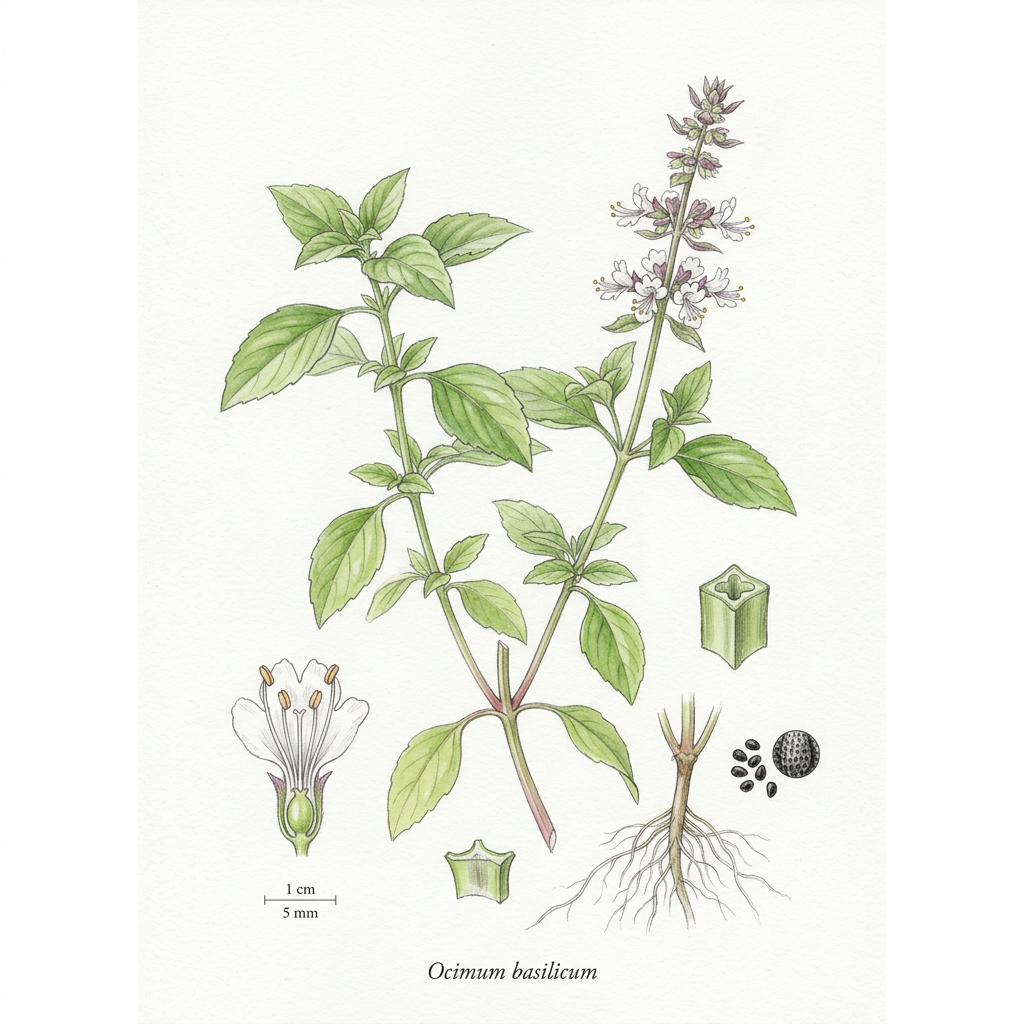
Basil

Basil

Ocimum basilicum

Convalescence
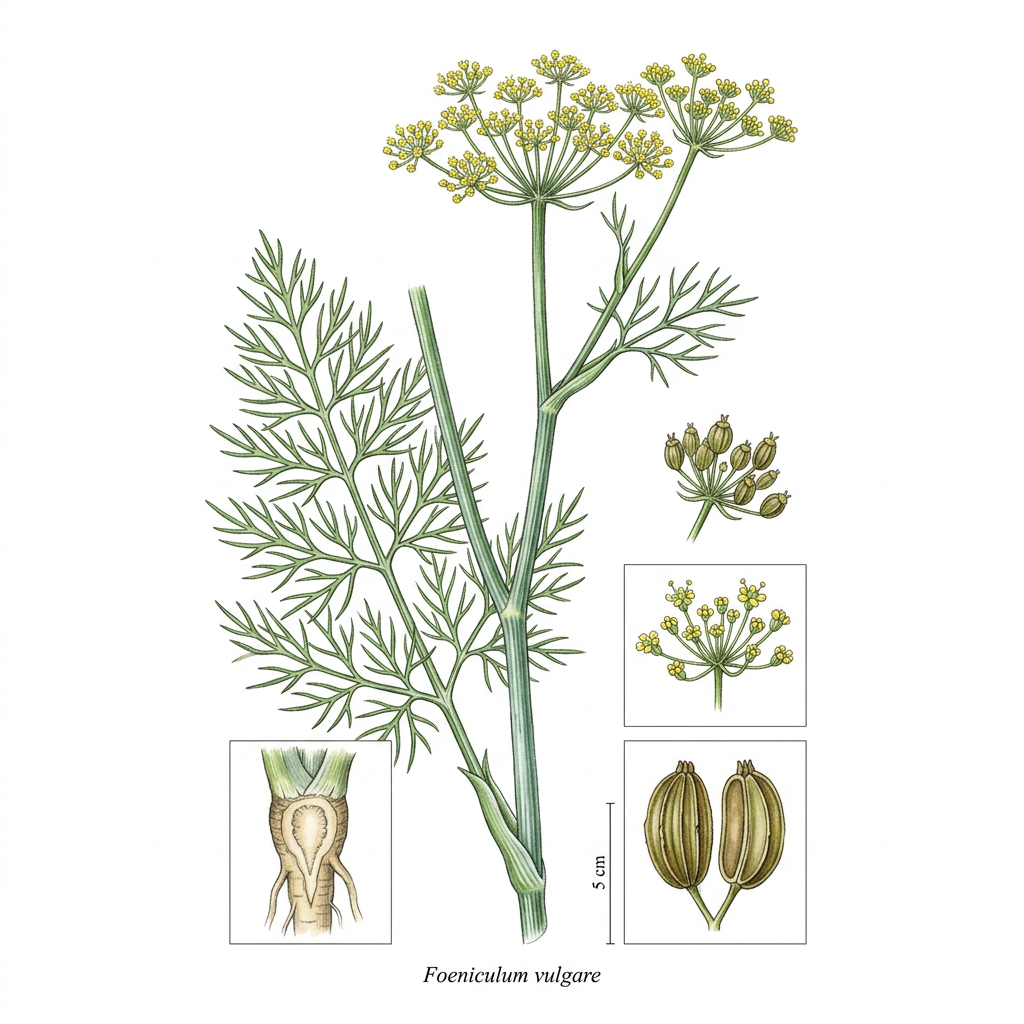
Fennel

Fennel

Foeniculum vulgare

Digestive Aid
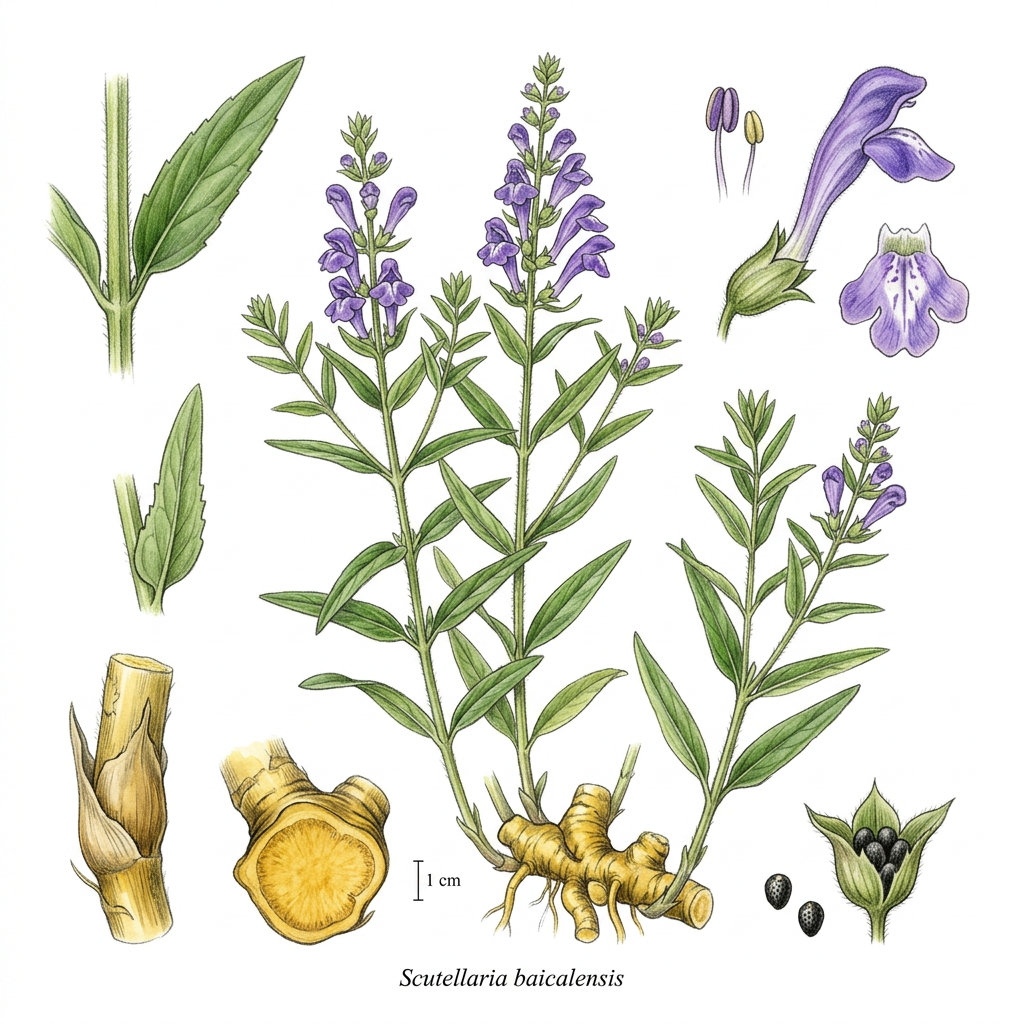
Chinese Skullcap

Chinese Skullcap

Scutellaria baicalensis
Immune Support
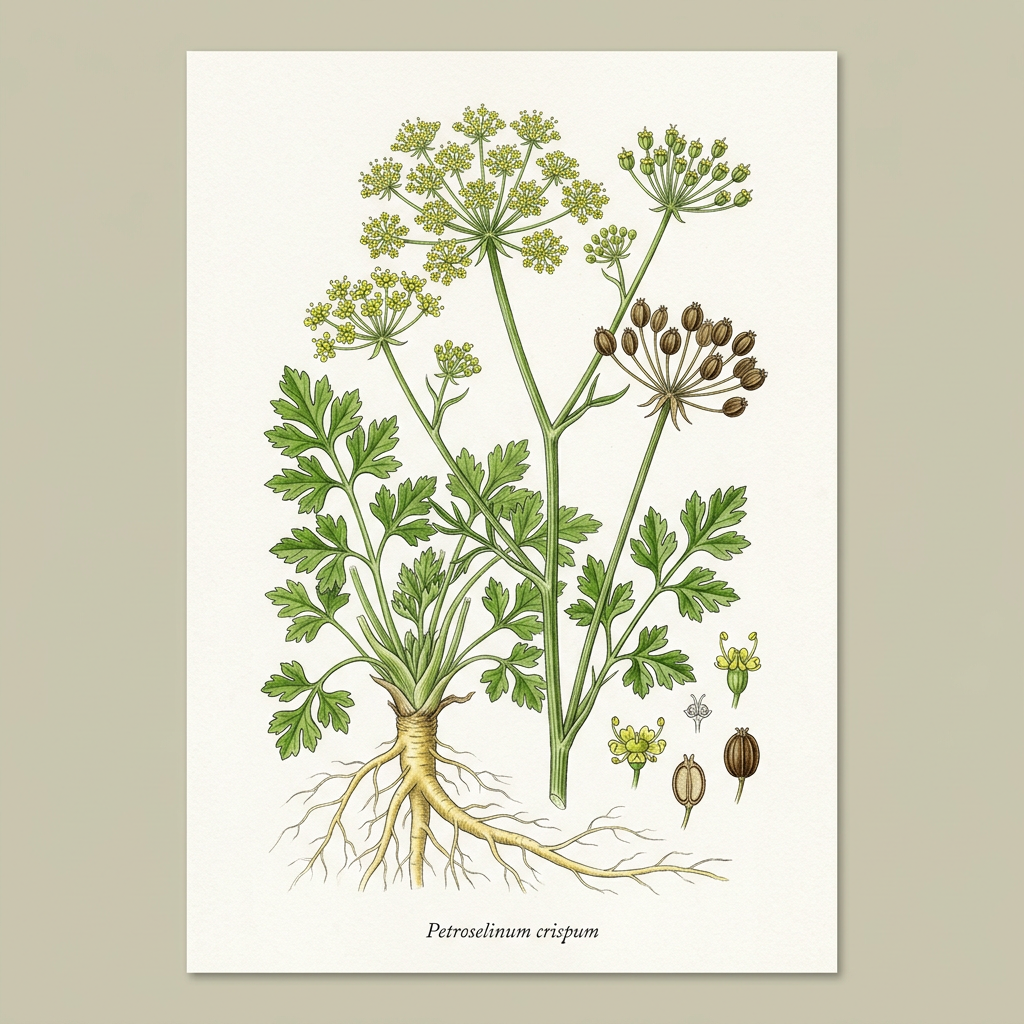
Parsley

Parsley

Petroselinum crispum

Digestive Aid