The Wild Sage logo
The Wild Sage Logo

Herbal Medicine at your fingertips

Comprehensive database of herbal remedies with detailed safety information and traditional uses

New to herbal terms? Read the glossary →
ADHD
Abcess
Acid Reflux Relief
Acinetobacter
Acne
Acne Vulgaris
Addisons
Adenomyosis
Adenovirus
Adrenal fatigue
Aging
Aids
Alcaligenes faecalis
Alcoholism
Allergic Rhinitis
Allergies
Allergy
Alopoecia
Alopoecia nervosa
Alzheimer's, Dementia & Cognitive Decline
420 herbs found
Important: This information is for educational purposes only. Always consult with qualified healthcare professionals before using herbal remedies, especially if you have existing health conditions or take medications.
Suma Root

Suma Root

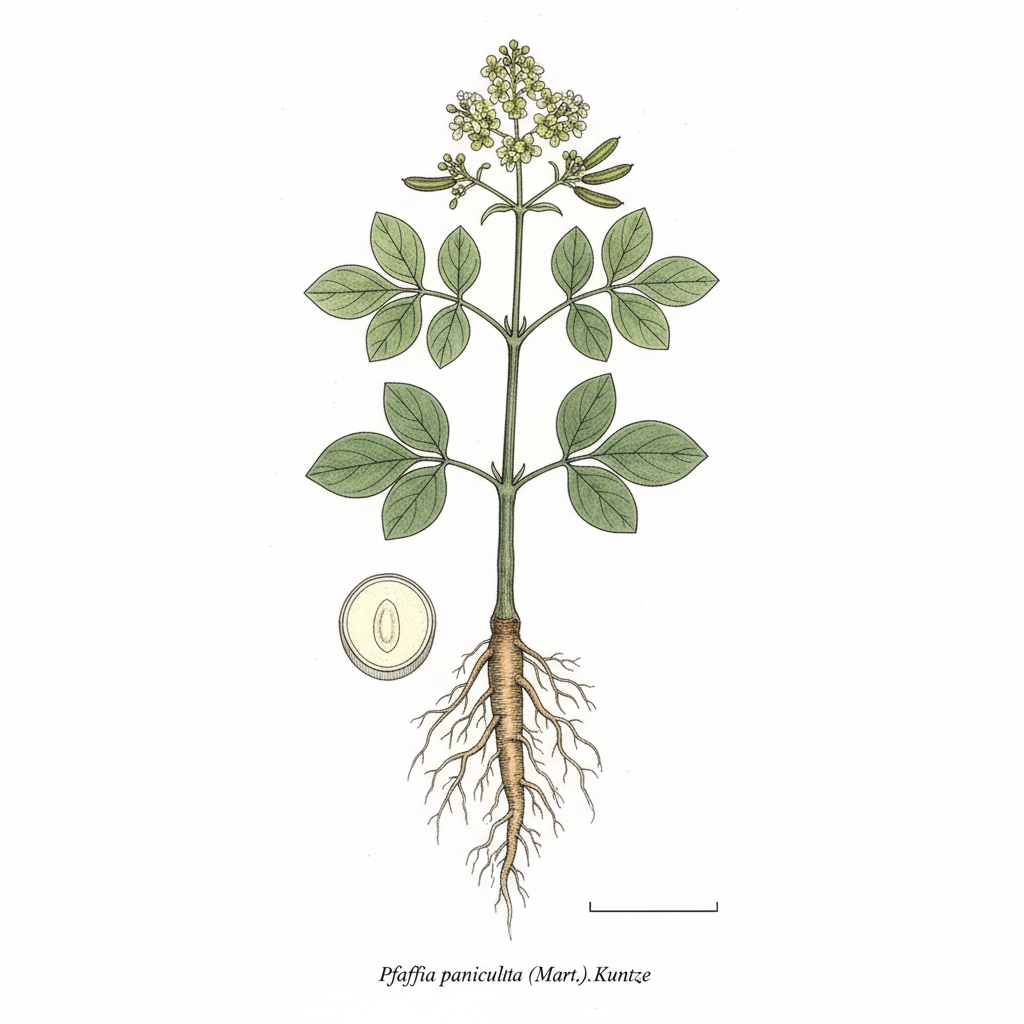
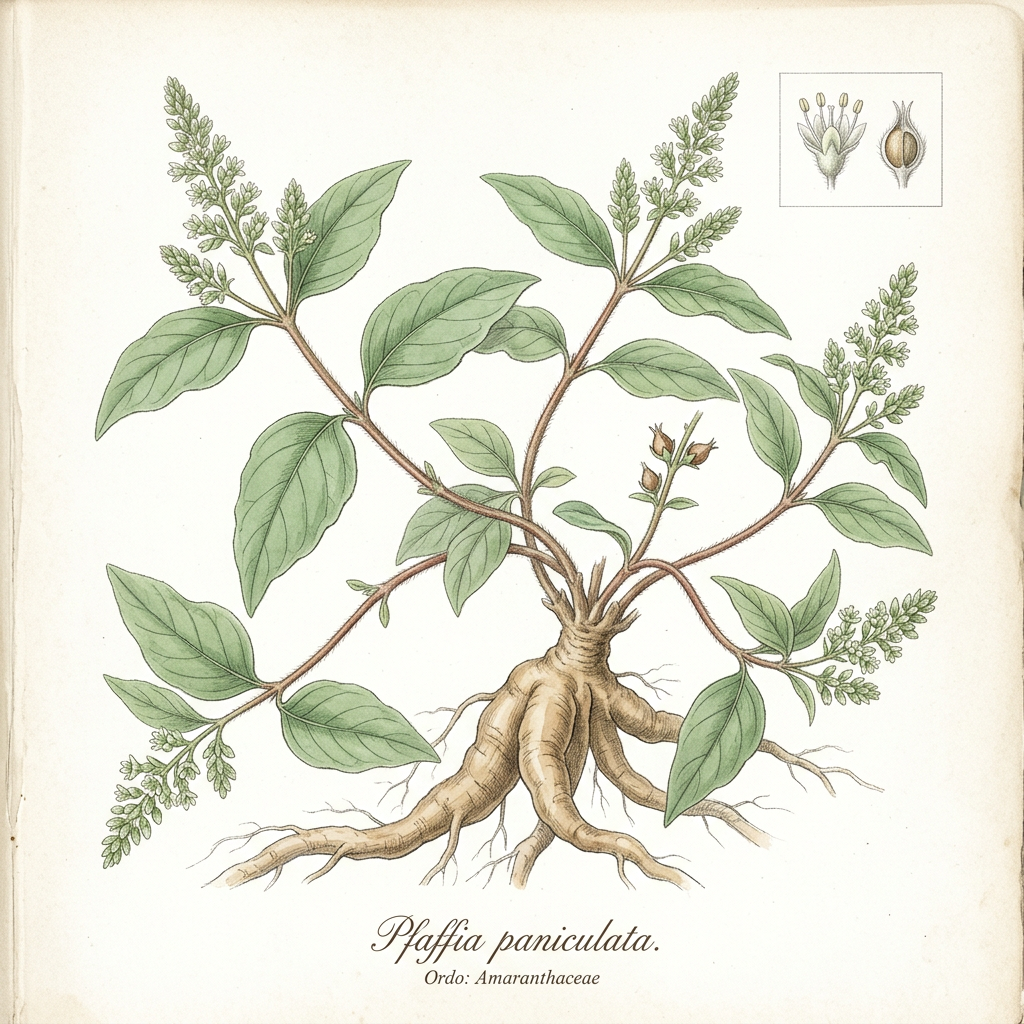
Pfaffia paniculata

low risk Risk
Amaranthaceae
<p>**Herb Name:** Suma Root **Scientific Name:** Pfaffia paniculata Suma root, also known as Brazilian ginseng, is a powerful adaptogenic herb native to the Amazon rainforest. Traditionally utilized by indigenous tribes, Suma has a rich history of use for its invigorating and restorative properties. It has been lauded for its potential to boost overall vitality, enhance physical performance, and support sexual health. Historically, the herb has been employed as a general tonic to combat fatigue, improve stamina, and promote a sense of well-being, making it a cornerstone in traditional herbal practices within its native range. Beyond its traditional applications, contemporary research has begun to uncover the scientific basis for Suma root’s numerous therapeutic benefits. Among its key properties, it has been noted for its ability to naturally enhance plasma testosterone levels, thus supporting energy, muscle mass, and sexual function. Additionally, Suma exhibits anti-inflammatory effects, particularly through the reduction of tumor necrosis factor-alpha (TNF-a), a pro-inflammatory cytokine. Its role as an inhibitor of nuclear factor kappa-light-chain-enhancer of activated B cells (NFkB) further highlights its potential in modulating inflammatory responses within the body. As a consequence, users may experience not only improved physical performance but also enhanced immune function and reduced stress levels. The mechanisms by which Suma exerts its effects can be attributed to a complex interplay of bioactive compounds, including saponins, sterols, and flavonoids. These constituents are believed to influence hormonal balance and support the body’s stress response, thereby enhancing resilience against both physical and mental fatigue. By promoting the synthesis of key hormones and mitigating the inflammatory response, Suma root serves as a remarkable ally in achieving optimal health and vitality. Its adaptogenic properties empower individuals to cope with the demands of modern life while fostering a sense of balance and wellness, forging a strong connection between traditional herbal wisdom and contemporary medicinal application.</p>

Uses & Conditions

Energy Support
Physical Performance
Sexual Health
Muscle Mass Support
Stamina Improvement
Adaptogenic Support
Hypogonadism
Mononucleosis
Tremor
Hyperglycaemia
Libido
Poor Circulation
Fatigue
Cognitive Performance
Epstein-Barr Virus
Hypertension
Stress
Ulcers
Muscle Weakness
Osteoarthritis
Erectile Dysfunction
Chronic Lymphocytic Leukaemia
Anaemia

Actions

Adaptogen
Aphrodisiac
Anti-inflammatory
Androgenic
Immunomodulator

Parts Used

Dried root
Rhizome

Native Countries

Brazil
Peru
Colombia
Venezuela
Bolivia

USDA Hardiness Zones

9
10
11

Contraindications

  • Pregnancy and breastfeeding
  • Hormone-sensitive cancers including breast
  • ovarian
  • or prostate cancer
  • Endometriosis
  • Uterine fibroids
  • Pre-operative phase: discontinue at least two weeks before surgery

Potential Side Effects

  • Mild gastrointestinal discomfort including nausea or bloating
  • Insomnia if taken close to bedtime
  • Allergic skin reactions

Interactions

  • Hormone-sensitive medications
  • Immunosuppressants
  • Anticoagulants or antiplatelet drugs

Dosages, tincture ratios & research — members only

Unlock Garreth's dosing guidance, tincture ratios, the dosage calculator and the research studies for Suma Root.

Your assessment and results stay saved — upgrading only unlocks more of them.

See membership plans

Community Photos

No community photos yet. Sign in to upload photos.

Reviews & Ratings

Sign in to leave a review.

No reviews yet. Be the first!

GF

Garreth Falls — B.Th., Dip. H.M., MNIMH

Content curated and reviewed by Garreth Falls, Consultant Medical Herbalist · The Wild Sage

Medical Disclaimer: This information is for educational purposes only and is not intended as medical advice. Always consult with qualified healthcare professionals before starting any herbal treatment.
Western tradition

Sustainability & quality

Cultivated

Increasingly cultivated in South America; generally stable supply if sourced from reputable exporters.

Key constituents

Pfaffic acid, Ecdysterone (beta-ecdysone), Pfaffosides (saponin glycosides), Allantoin, Germanium, Essential amino acids, Trace minerals (iron, zinc, magnesium)

References

  1. Mills & Bone "The Essential Guide to Herbal Safety" 2005
  2. Herbal Reality. Herb monographs. herbalreality.com

Reviewed by Garreth, Medical Herbalist (MNIMH) · November 2026

Related conditions

Explore conditions where Suma Root is traditionally used.

Related Herbs
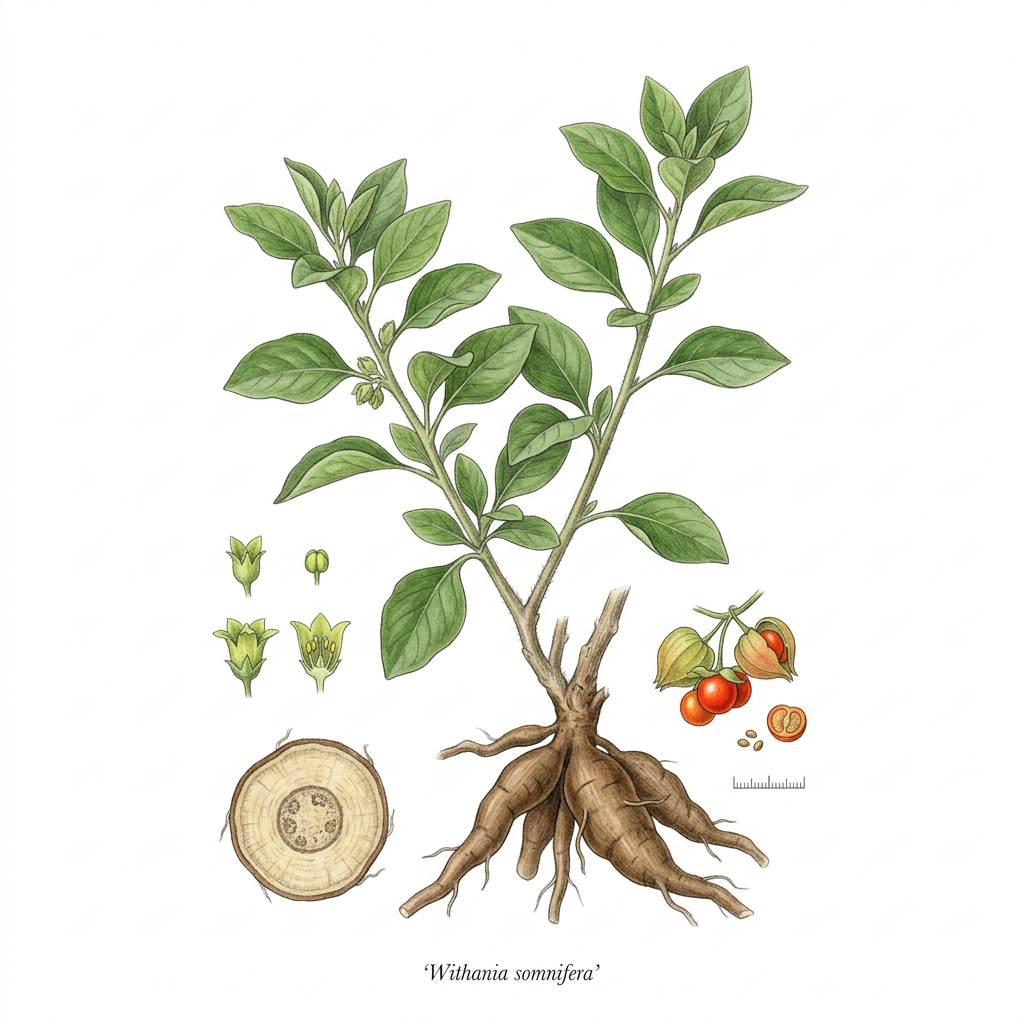
Ashwagandha

Ashwagandha

Withania somnifera

Immune Support
Brazillian ginseng

Brazillian ginseng

Pfaffia paniculata

Adaptation to Stress
Cordyceps

Cordyceps

Cordyceps sinensis

Athletic Performance
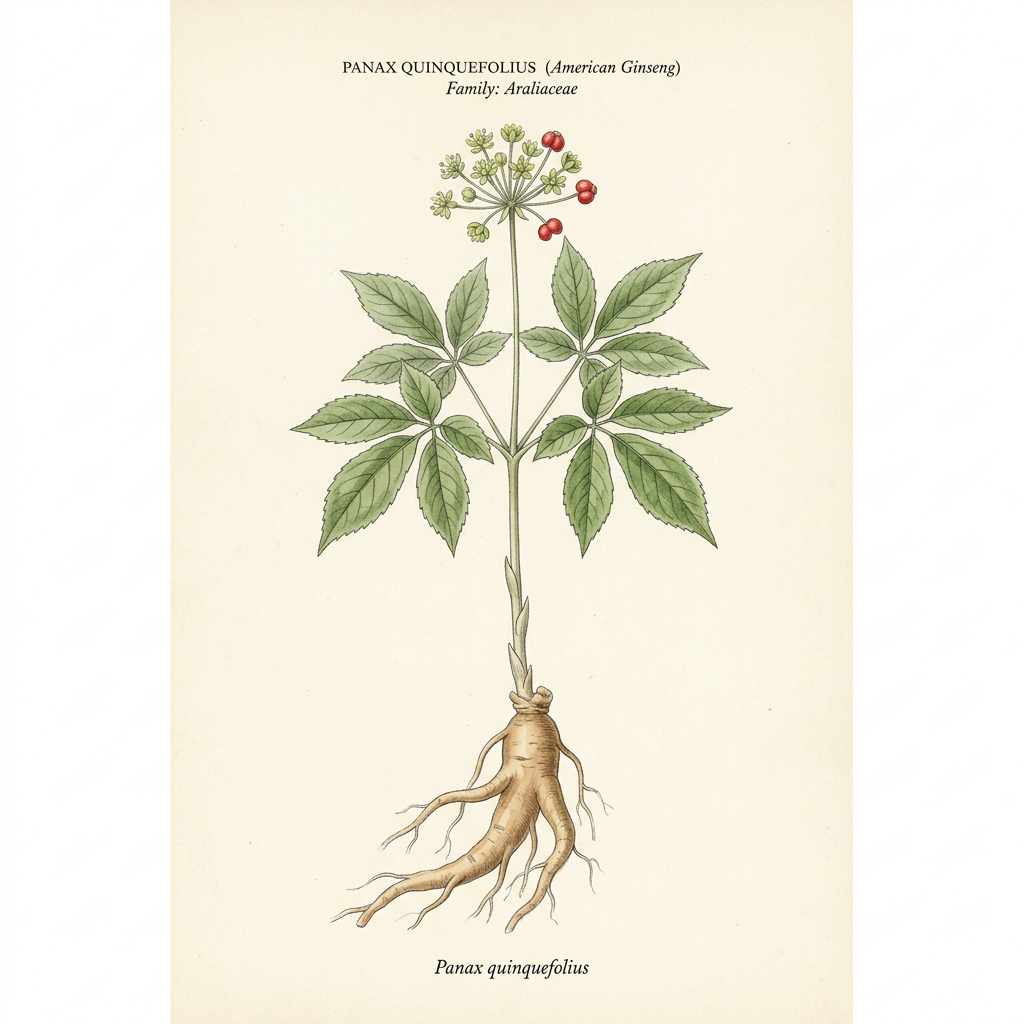
Panax quinquefolius

Panax quinquefolius

Panax quinquefolius

Adaptogen