The Wild Sage logo
The Wild Sage Logo

Herbal Medicine at your fingertips

Comprehensive database of herbal remedies with detailed safety information and traditional uses

New to herbal terms? Read the glossary →
ADHD
Abcess
Acid Reflux Relief
Acinetobacter
Acne
Acne Vulgaris
Addisons
Adenomyosis
Adenovirus
Adrenal fatigue
Aging
Aids
Alcaligenes faecalis
Alcoholism
Allergic Rhinitis
Allergies
Allergy
Alopoecia
Alopoecia nervosa
Alzheimer's, Dementia & Cognitive Decline
420 herbs found
Important: This information is for educational purposes only. Always consult with qualified healthcare professionals before using herbal remedies, especially if you have existing health conditions or take medications.
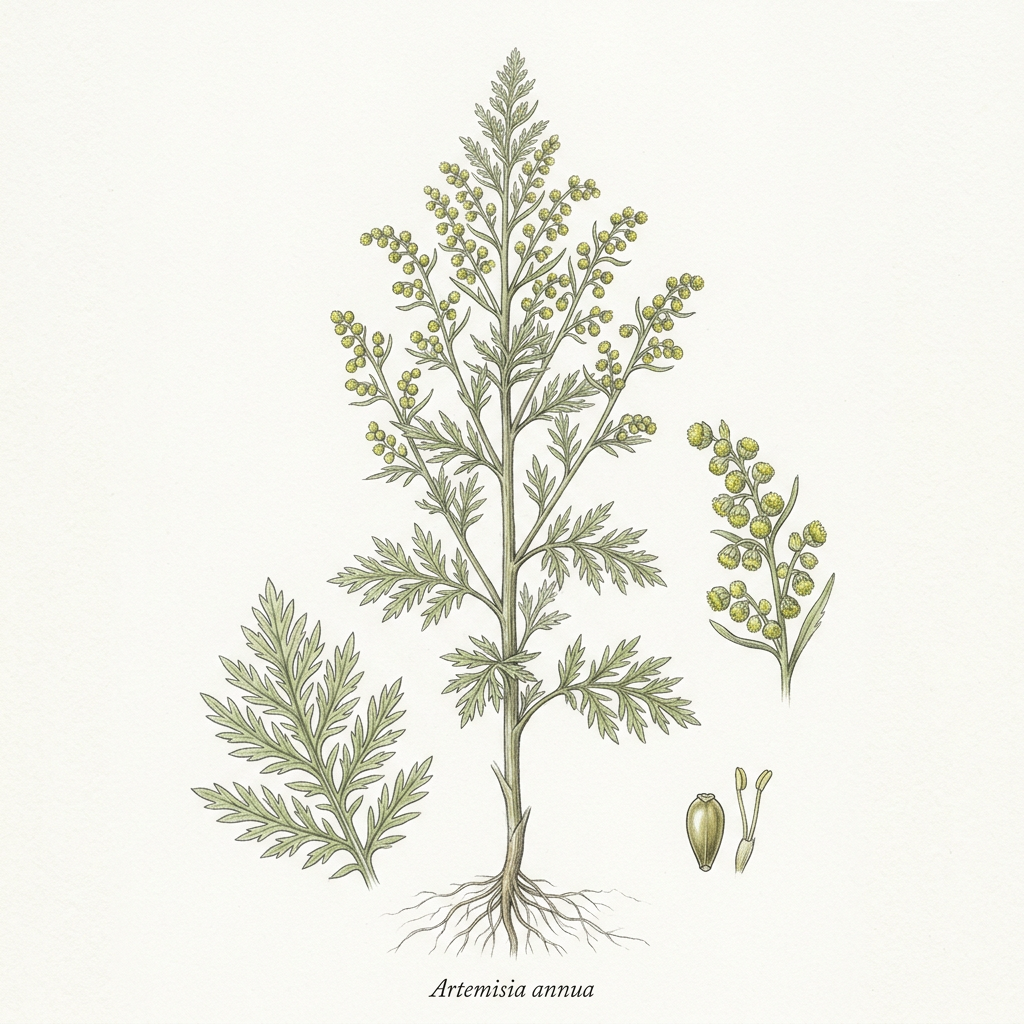
Sweet Annie

Sweet Annie

Artemisia annua

moderate risk Risk
Asteraceae
Cooling, bitter, dispersing; useful for heat, inflammation, and digestive issues.
<p>Sweet Annie, scientifically recognized as Artemisia annua, is a notable perennial herb belonging to the Asteraceae family. Traditionally revered in Chinese medicine, this aromatic plant has a rich historical context, where it has been utilized for centuries to combat fever and various infectious diseases. Its use can be traced back to ancient texts, with the most significant application documented during the Tang Dynasty, where it was employed as a remedy for malaria and other fever-associated conditions. Known for its delicate, feathery leaves and bright yellow flowers, Sweet Annie not only garners attention for its therapeutic efficacy but also for its role in enhancing traditional herbal formulations. The therapeutic prowess of Sweet Annie primarily stems from its active compound, artemisinin, which has garnered significant acclaim for its anti-haematoparasitical properties. This makes it a cornerstone in the treatment of malaria, effectively disrupting the lifecycle of the Plasmodium parasite. Beyond its antimalarial effects, Sweet Annie exhibits an impressive spectrum of biological activities. It functions as a potent anti-bacterial and anti-parasitic agent, aiding in the treatment of infections caused by various pathogens. Additionally, its febrifuge properties contribute to its ability to reduce fever, providing symptomatic relief without the harsh side effects associated with synthetic medications. Furthermore, emerging studies suggest its potential anti-cancer properties, where it may induce apoptosis in certain cancer cell lines, thus broadening its therapeutic relevance. The mechanism by which Sweet Annie operates within the body is multifaceted. Artemisinin and its derivatives within the plant interact with iron in the cellular environment, leading to the generation of free radicals that effectively target and damage the membranes of the malaria parasite. Additionally, the herb influences the immune response, enhancing the body's natural defense mechanisms against various infectious agents. Its cooling properties are believed to contribute to its febrifuge effect, offering comfort during febrile states. With a growing body of research supporting its efficacy, Sweet Annie stands as a testament to the rich potential of herbal medicine, showcasing how ancient wisdom aligns with modern therapeutic needs in combating infectious diseases and promoting overall health.</p>

Uses & Conditions

Convalescence
Immune support
Babesia
Bovine diarrhoea virus
Candida
Cancer
Cerebrovascular disorders
Clonorchis sinensis
EBV - Glandular fever
Eimeria acervulina
Eimeria tenella
Enterococcus
Escherichia coli
Epilepsy
Fasciola hepatica
Inflammatory bowel disease
Klebsiella
Leishmania amazonensis
Lupus / SLE
Malaria
Mycobacterium tuberculosis
Myeloma
Neospora caninum
Opisthorchis viverrini
Plasmodium
Proteus
Pseudomonas aeruginosa
Schizophrenia
Staphylococcus infection
Streptococcus infection
Toxoplasma gondii
Trypanosoma spp.

Actions

Anti-bacterial
Anti-cancer
Anti-haematoparasitical
Anti-parasitic
Cooling
Febrifuge
Hepatoprotective
Hepatic
Nervine
NFkB inhibitor
TNF-a reduction

Synonyms

Sweet annie
Sweet wormwood

Parts Used

Aerial parts
Leaves
Whole plant

Native Countries

Asia

USDA Hardiness Zones

USDA 3-10
USDA 3-9
USDA 4-8

Contraindications

  • Pregnancy
  • Known history of epilepsy
  • Individuals hypersensitive to sesquiterpene lactones

Potential Side Effects

  • Contact dermatitis
  • Abdominal pain
  • Diarrhoea
  • Nausea
  • Dizziness
  • Headache
  • Temporary reduction in heart rate

Interactions

  • Anticoagulants and antiplatelet drugs: theoretically may increase the risk of bleeding
  • Cytochrome P450 substrates: may alter the metabolism of certain prescription medications
  • Anticonvulsant medications: potential for decreased efficacy
  • Hepatotoxic substances: monitor liver function
  • Omeprazole: potential drug-herb interaction

Dosages, tincture ratios & research — members only

Unlock Garreth's dosing guidance, tincture ratios, the dosage calculator and the research studies for Sweet Annie.

Your assessment and results stay saved — upgrading only unlocks more of them.

See membership plans

Community Photos

No community photos yet. Sign in to upload photos.

Reviews & Ratings

Sign in to leave a review.

No reviews yet. Be the first!

GF

Garreth Falls — B.Th., Dip. H.M., MNIMH

Content curated and reviewed by Garreth Falls, Consultant Medical Herbalist · The Wild Sage

Medical Disclaimer: This information is for educational purposes only and is not intended as medical advice. Always consult with qualified healthcare professionals before starting any herbal treatment.
Chinese tradition

Sustainability & quality

Cultivated

Largely farmed commercially to meet the demands of pharmaceutical and nutraceutical production.

Key constituents

Bitter, Artemisinin, Terpenes, Sesquiterpine lactones

References

  1. Bensky "Chinese Herbal Medicine: Materia Medica" 3rd ed. 2004
  2. Herbal Reality. Herb monographs. herbalreality.com

Reviewed by Garreth, Medical Herbalist (MNIMH) · November 2026

Related conditions

Explore conditions where Sweet Annie is traditionally used.

Related Herbs
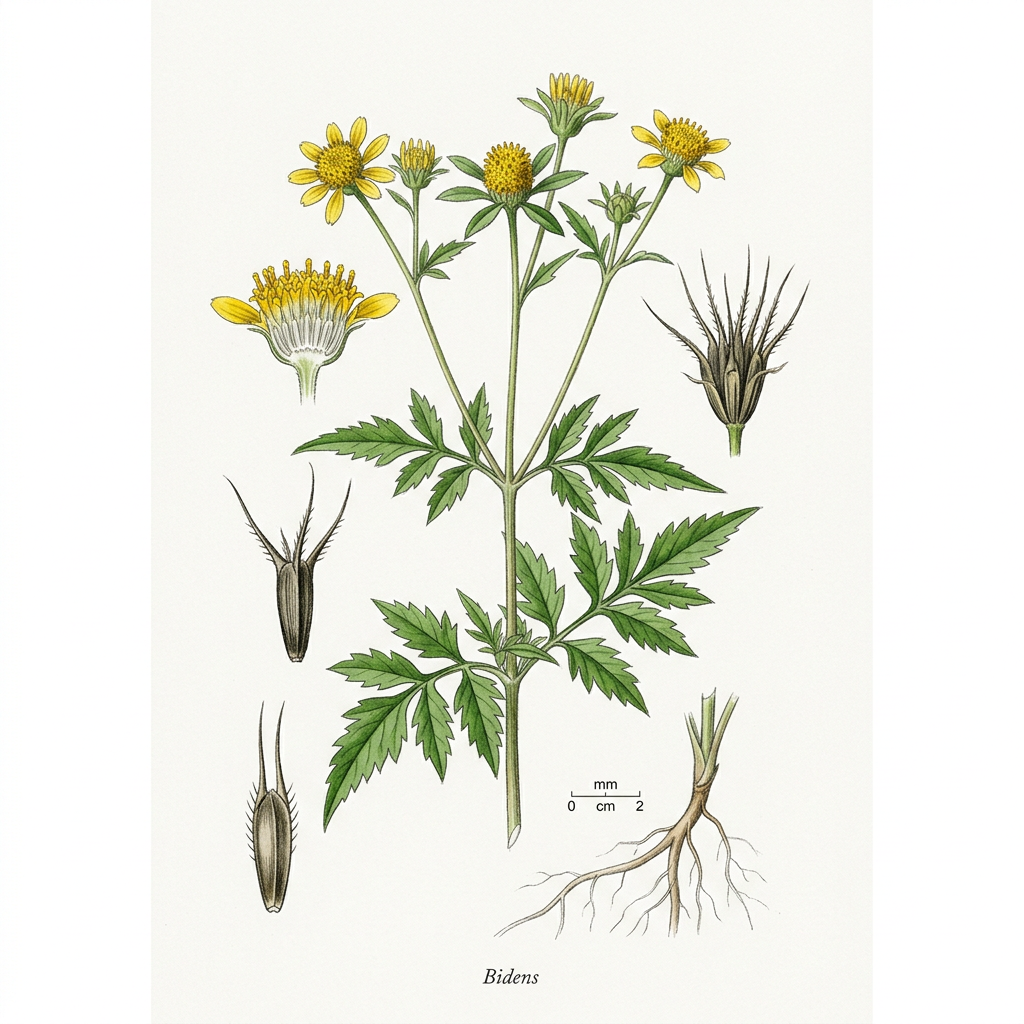
Bidens

Bidens

Bidens pilosa

Systemic Infection Support
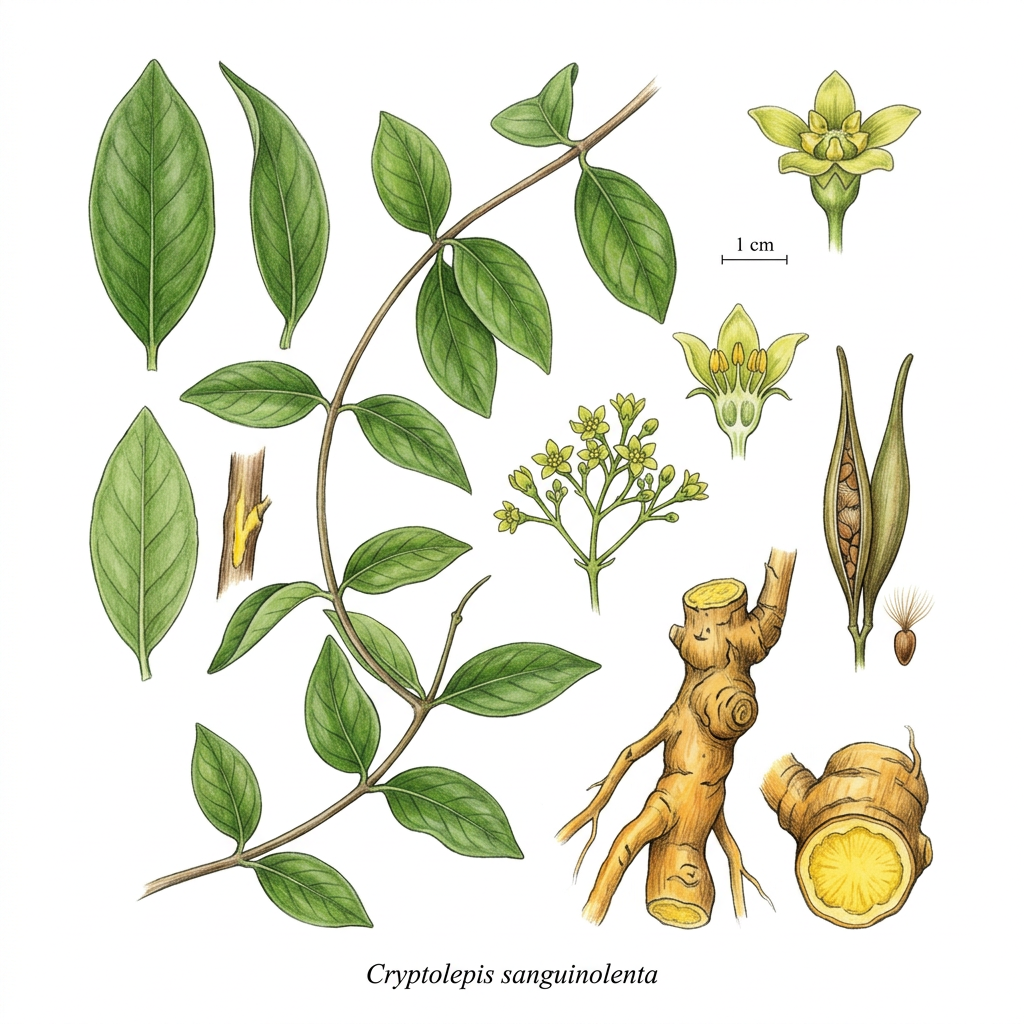
Cryptolepis

Cryptolepis

Cryptolepis sanguinolenta
Immunomodulatory Support
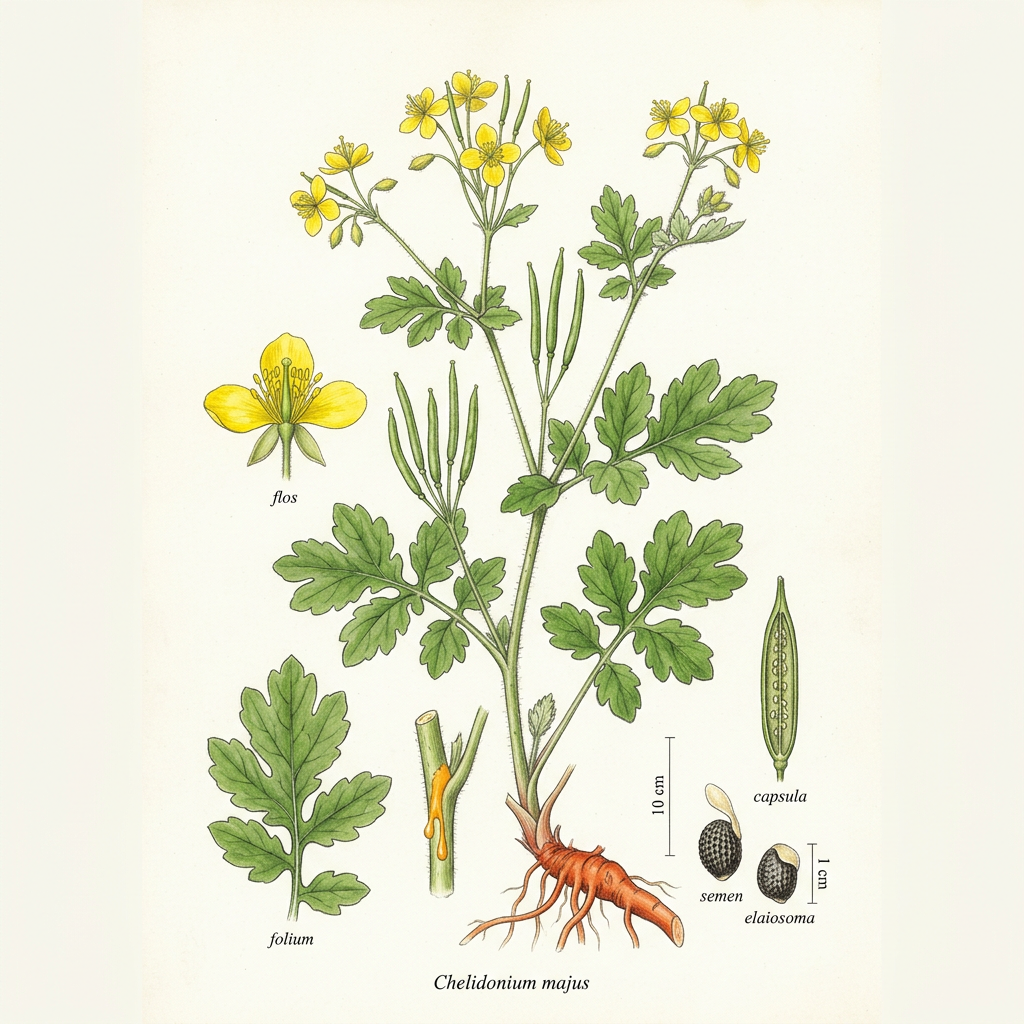
Greater Celandine

Greater Celandine

Chelidonium majus

Liver Support
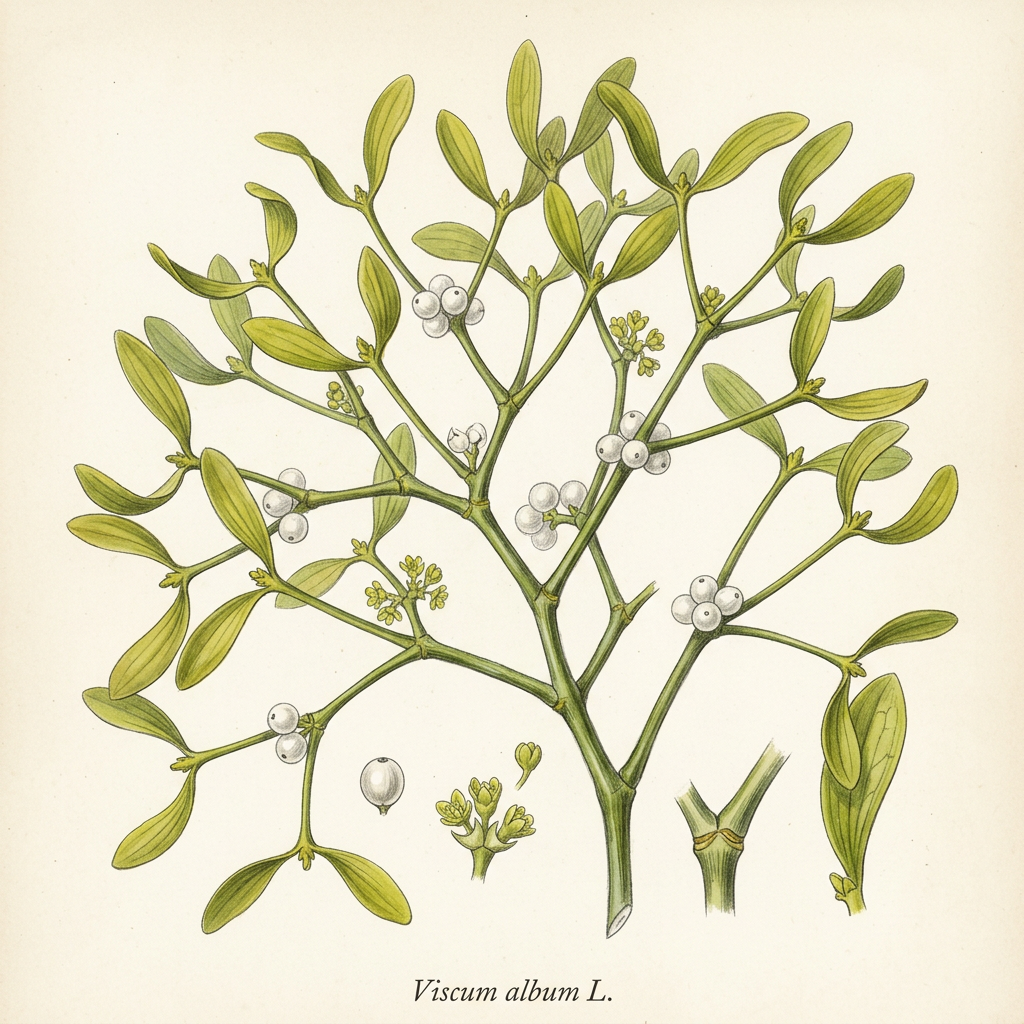
Mistletoe

Mistletoe

Viscum album

Immune Support