The Wild Sage logo
The Wild Sage Logo

Herbal Medicine at your fingertips

Comprehensive database of herbal remedies with detailed safety information and traditional uses

New to herbal terms? Read the glossary →
ADHD
Abcess
Acid Reflux Relief
Acinetobacter
Acne
Acne Vulgaris
Addisons
Adenomyosis
Adenovirus
Adrenal fatigue
Aging
Aids
Alcaligenes faecalis
Alcoholism
Allergic Rhinitis
Allergies
Allergy
Alopoecia
Alopoecia nervosa
Alzheimer's, Dementia & Cognitive Decline
420 herbs found
Important: This information is for educational purposes only. Always consult with qualified healthcare professionals before using herbal remedies, especially if you have existing health conditions or take medications.
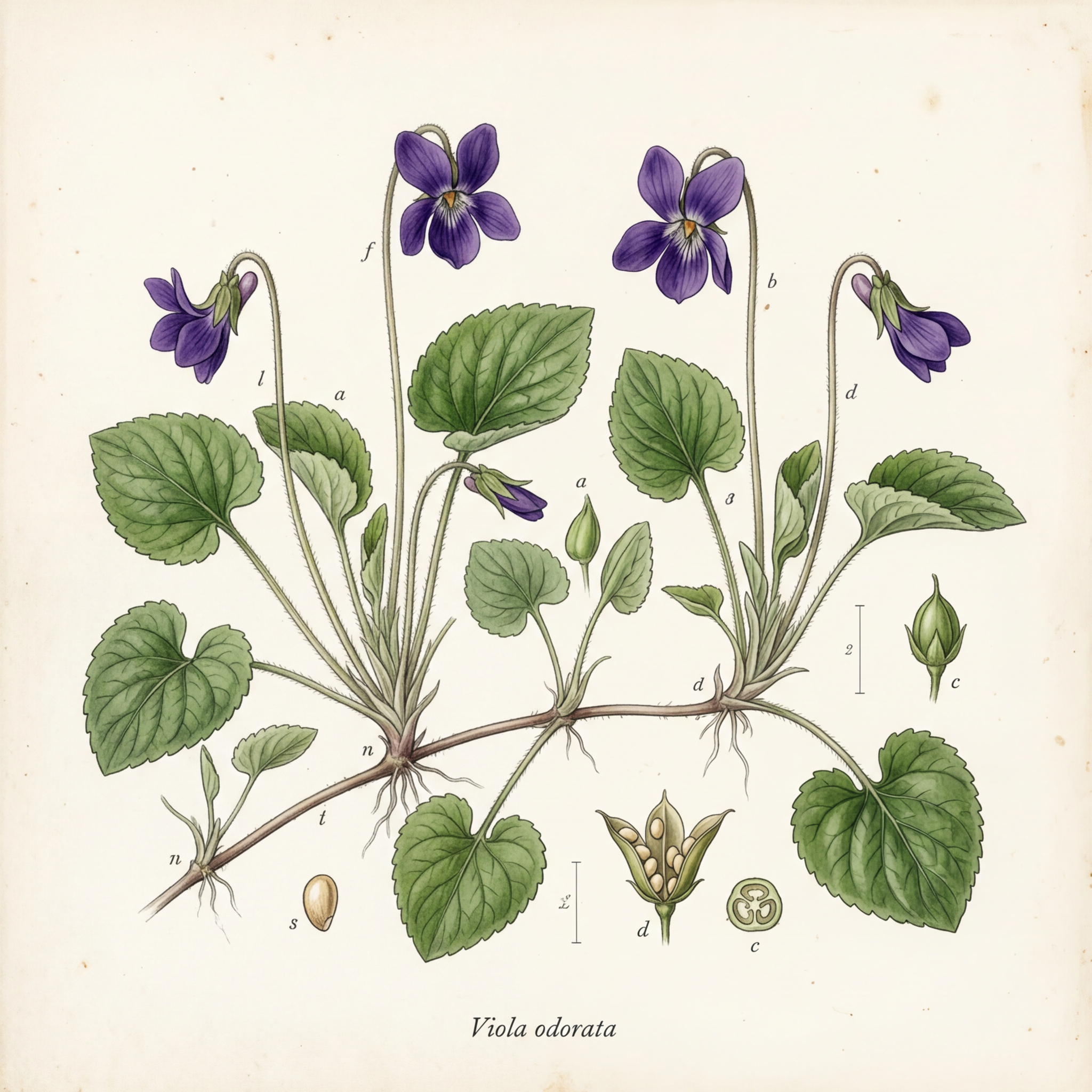
Sweet violet

Sweet violet

Viola odorata

low risk Risk
Violaceae
<p>Sweet violet, scientifically known as *Viola odorata*, is a perennial herbaceous plant belonging to the Violaceae family. Renowned for its charming purple flowers and distinctively heart-shaped leaves, sweet violet has captured human interest for centuries, serving both as a delightful ornamental plant and a valuable medicinal herb. Its historical use can be traced back to ancient cultures, where it was employed by the Greeks and Romans for its soothing properties. Historically, sweet violet was used to treat a variety of ailments, including respiratory issues, digestive problems, and inflammation. The ancient herbalists recognized its calming effects and celebrated its beauty, making sweet violet a symbol of love and purity. In contemporary herbal medicine, sweet violet is lauded for its diverse therapeutic applications. It exhibits potent anti-allergenic and anti-inflammatory properties, making it a beneficial ally for individuals suffering from seasonal allergies and conditions characterized by inflammation, such as arthritis. Additionally, its antioxidant capabilities play a crucial role in neutralizing free radicals, potentially reducing oxidative stress and supporting overall cellular health. Sweet violet is often prepared in various forms, including herbal teas, tinctures, and extracts, allowing practitioners to harness its medicinal benefits in a variety of contexts—whether as a soothing drink or a topical application. At a physiological level, sweet violet's therapeutic effects arise from its rich array of phytochemicals, including flavonoids and glycosides. These bioactive compounds are known to modulate the body's inflammatory pathways, thereby reducing symptoms associated with allergic responses and inflammation. Furthermore, sweet violet enhances circulation and promotes tissue healing, making it a versatile herb in the treatment of minor cuts and bruises. Overall, sweet violet stands out not only for its enchanting beauty but also for its multifaceted role in traditional and modern herbal medicine, underscoring its importance as a holistic therapeutic agent.</p>

Uses & Conditions

Tissue healing
Antioxidant support
Allergy
Eczema
Catarrhal states
Bronchitis
Colds
Cough
Inflammation
Arthritis
Respiratory issues
Digestive problems
Minor cuts
Bruises
Seasonal allergies
Breast cancer
Rhinitis
Lymphatic swelling

Actions

Anti-inflammatory
Anti-allergenic
Antioxidant
NFkB inhibitor
TNF-a reduction

Parts Used

Aerial parts

Native Countries

Europe

USDA Hardiness Zones

USDA 3-9

Contraindications

  • Pregnancy due to lack of safety data regarding uterine effects
  • Breastfeeding until further evidence confirms safety
  • Hypersensitivity to plants in the Violaceae family
  • Chronic or undiagnosed lymphatic swelling
  • Surgery: discontinue at least two weeks prior to procedures

Potential Side Effects

  • Mild gastrointestinal upset or nausea at high doses
  • Allergic skin reaction or contact dermatitis
  • Laxative effect if consumed in excessive quantities

Interactions

  • Diuretics: potential additive effect on fluid balance
  • Antihypertensive medication: potential to lower blood pressure
  • Sedatives or CNS depressants: possible synergistic effect

Dosages, tincture ratios & research — members only

Unlock Garreth's dosing guidance, tincture ratios, the dosage calculator and the research studies for Sweet violet.

Your assessment and results stay saved — upgrading only unlocks more of them.

See membership plans

Community Photos

No community photos yet. Sign in to upload photos.

Reviews & Ratings

Sign in to leave a review.

No reviews yet. Be the first!

GF

Garreth Falls — B.Th., Dip. H.M., MNIMH

Content curated and reviewed by Garreth Falls, Consultant Medical Herbalist · The Wild Sage

Medical Disclaimer: This information is for educational purposes only and is not intended as medical advice. Always consult with qualified healthcare professionals before starting any herbal treatment.
Western tradition

Sustainability & quality

Abundant

Common garden plant; if wildcrafting, ensure positive identification as Viola odorata.

Key constituents

Viola compounds, Violet extract, Viola odorata extract, flavonoids, Furulic acid, Saponins, Sinapic acid, Triterpenoids, Phenolic compounds, Salicylic acid, Mucilage

References

  1. British Herbal Pharmacopoeia 1983
  2. Herbal Reality. Herb monographs. herbalreality.com

Reviewed by Garreth, Medical Herbalist (MNIMH) · November 2026

Related conditions

Explore conditions where Sweet violet is traditionally used.

Related Herbs

Elder

Elder

Sambucus nigra

Immune Support
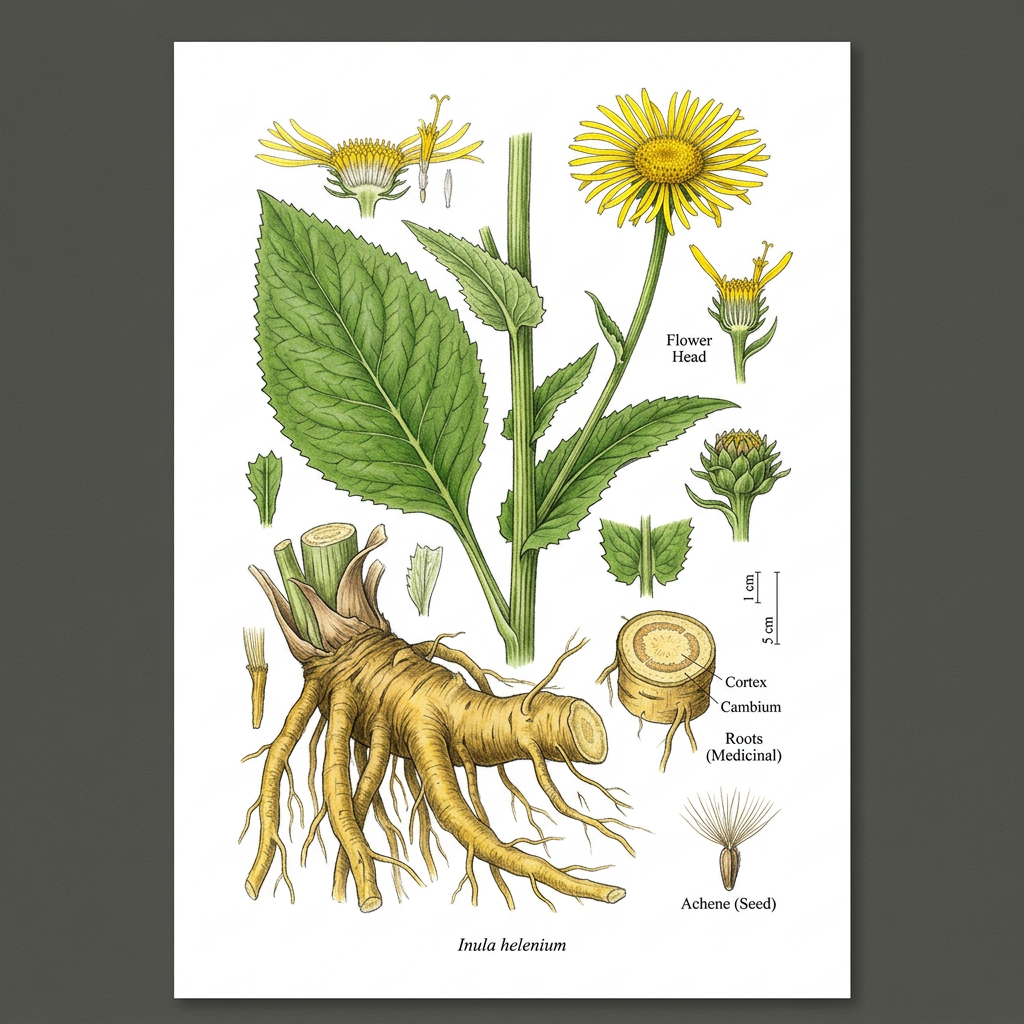
Elecampane

Elecampane

Inula helenium

Lung Health
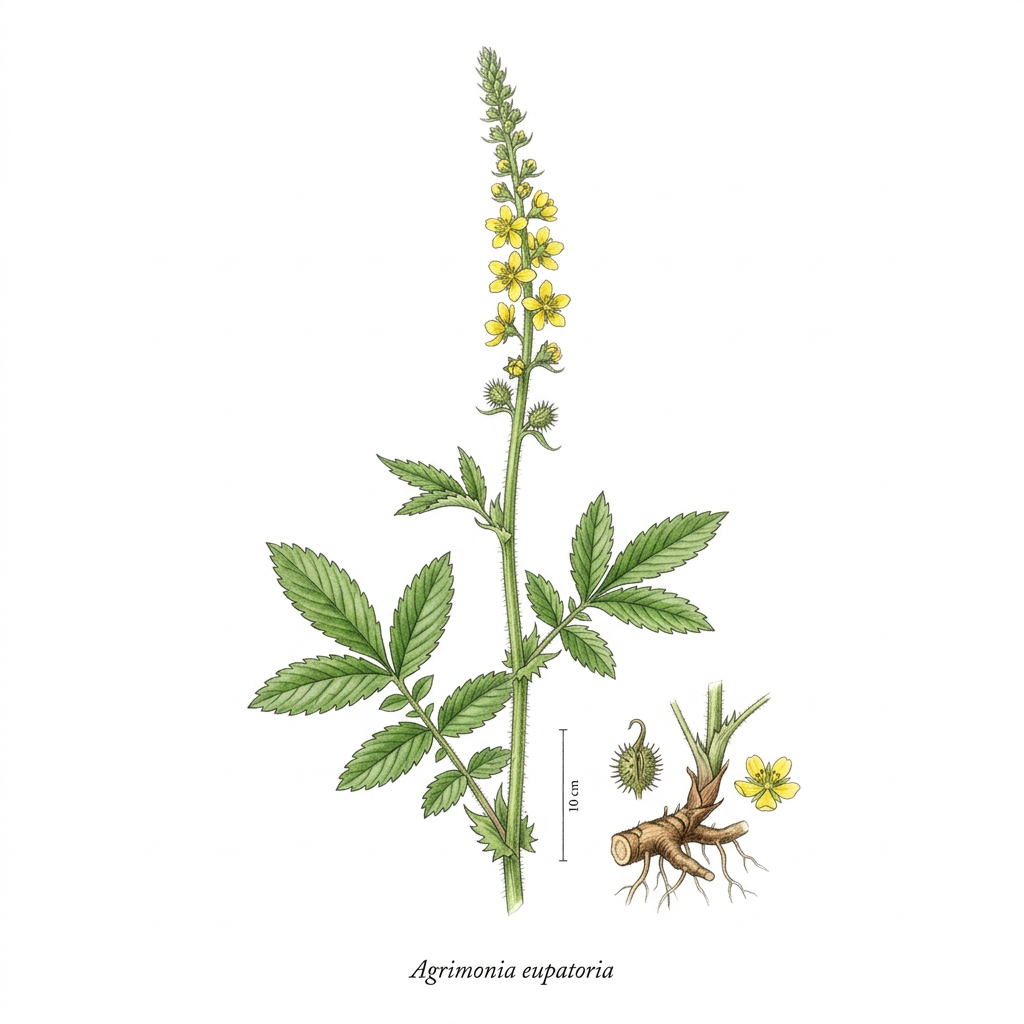
Agrimony

Agrimony

Agrimonia eupatoria

Digestive Aid
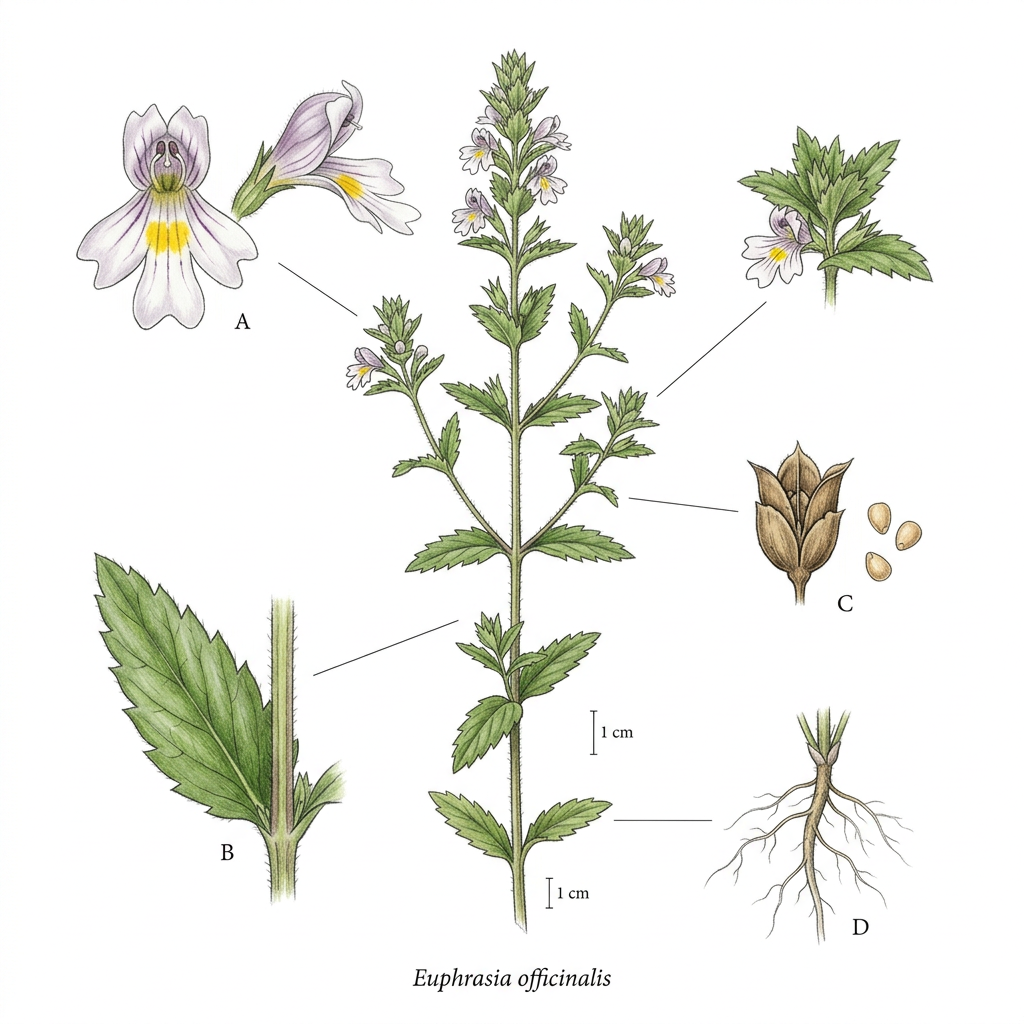
Eyebright

Eyebright

Euphrasia officinalis

Ocular Health