The Wild Sage logo
The Wild Sage Logo

Herbal Medicine at your fingertips

Comprehensive database of herbal remedies with detailed safety information and traditional uses

New to herbal terms? Read the glossary →
ADHD
Abcess
Acid Reflux Relief
Acinetobacter
Acne
Acne Vulgaris
Addisons
Adenomyosis
Adenovirus
Adrenal fatigue
Aging
Aids
Alcaligenes faecalis
Alcoholism
Allergic Rhinitis
Allergies
Allergy
Alopoecia
Alopoecia nervosa
Alzheimer's, Dementia & Cognitive Decline
420 herbs found
Important: This information is for educational purposes only. Always consult with qualified healthcare professionals before using herbal remedies, especially if you have existing health conditions or take medications.
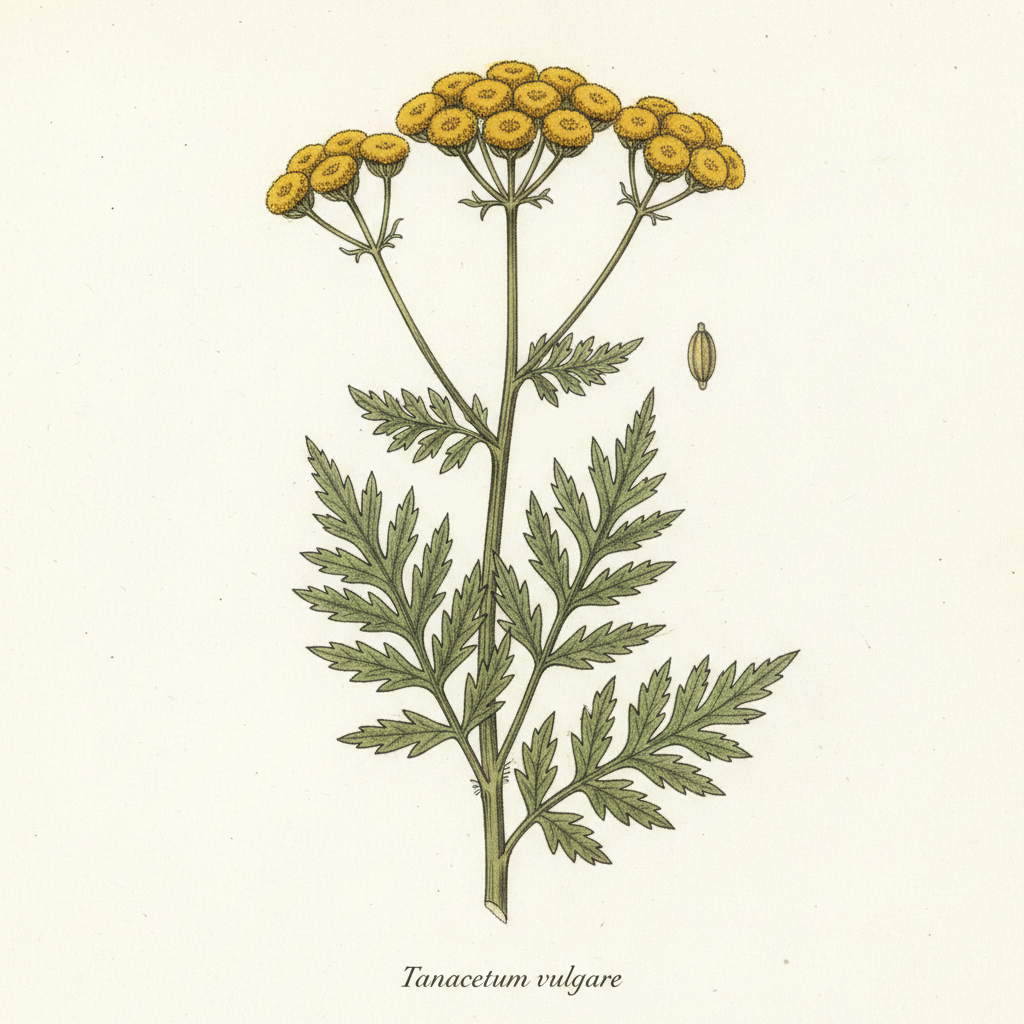
Tansy

Tansy

Tanacetum vulgare

moderate risk Risk
Asteraceae
Tansy is linked to cleansing and protection, enhancing vitality and the body's defenses.
<p>Tansy (Tanacetum vulgare) is a perennial herbaceous plant belonging to the Asteraceae family, characterized by its distinctive yellow button-like flowers and fern-like foliage. Native to Europe, Tansy has a long history of use in traditional herbal medicine, dating back to ancient civilizations. Its name is derived from the Greek word "Athanasia," meaning "immortality," as it was believed to possess health-promoting properties that could confer longevity. Historically, Tansy was used for a variety of ailments, ranging from digestive issues and fevers to menstrual disorders. It has also been employed as an insect repellent and a flavoring agent in culinary applications, though caution is advised due to its potent nature. Tansy is most renowned for its anti-parasitic properties, particularly its efficacy against intestinal worms and other parasites. The herb contains active compounds such as thujone, camphor, and various flavonoids, which contribute to its therapeutic actions. When consumed, Tansy is thought to enhance digestive health by promoting the expulsion of parasites and reducing bloating and discomfort. Additionally, its potential anti-inflammatory and antimicrobial effects make it a valuable ally for supporting the immune system. Tansy's historical applications in herbal medicine also point to its use in alleviating symptoms associated with menstrual irregularity and easing the discomfort of migraines, likely tied to its ability to promote relaxation and reduce tension in smooth muscle. The mechanisms by which Tansy operates in the body are intriguing. Its active constituents, particularly thujone, interact with the nervous system and may stimulate gastrointestinal motility, thereby aiding in the expulsion of parasitic invaders. Furthermore, Tansy's anti-inflammatory properties may help alleviate discomfort associated with a variety of conditions, promoting overall wellness by supporting the body's natural defenses. Despite its benefits, it is essential to approach the use of Tansy with respect to dosage and preparation, as high amounts can be toxic. Overall, Tansy remains a fascinating herb with a rich historical palette of uses and a potential role in contemporary herbal practices.</p>

Uses & Conditions

Digestive Health
Immune Support
Energy Levels
Sleep Quality
Mood Enhancement
Liver Detoxification
Dysmenorrhea
Chronic Fatigue Syndrome
Allergic Rhinitis
Insomnia
Parasitic Infestation
Repetitive Strain Injury
Bursitis
Tendonitis

Actions

Anti-parasitic
NFkB Inhibitor
Choleretic
CNS Stimulant

Synonyms

Asteraceae

Parts Used

Aerial parts

Native Countries

Europe

USDA Hardiness Zones

USDA 3-9

Contraindications

  • Pregnancy: Strictly contraindicated due to potent emmenagogue and abortifacient potential
  • Breastfeeding: Avoid use as volatile oils can be excreted in breast milk and cause infant toxicity
  • History of epilepsy or seizure disorders: Contraindicated due to neurotoxic potential of alpha-thujone
  • Asteraceae/Compositae allergy: High risk of hypersensitivity or contact dermatitis
  • Severe hepatic or renal impairment: Contraindicated due to metabolic processing of terpene compounds

Potential Side Effects

  • Gastrointestinal distress including nausea
  • vomiting
  • and abdominal cramping
  • Central nervous system stimulation including dizziness
  • tremors
  • or convulsions
  • Contact dermatitis or skin irritation upon topical application
  • Elevated heart rate or palpitations

Interactions

  • Anticonvulsants: Potential risk of reduced efficacy or interference due to thujone-induced GABAergic effects
  • CNS depressants: May theoretically enhance the sedative effects of barbiturates or benzodiazepines
  • Warfarin or antiplatelet drugs: Caution advised due to potential phytochemical influence on blood viscosity
  • Hepatotoxic drugs: Potential for compounded strain on liver metabolic pathways

Dosages, tincture ratios & research — members only

Unlock Garreth's dosing guidance, tincture ratios, the dosage calculator and the research studies for Tansy.

Your assessment and results stay saved — upgrading only unlocks more of them.

See membership plans

Community Photos

No community photos yet. Sign in to upload photos.

Reviews & Ratings

Sign in to leave a review.

No reviews yet. Be the first!

GF

Garreth Falls — B.Th., Dip. H.M., MNIMH

Content curated and reviewed by Garreth Falls, Consultant Medical Herbalist · The Wild Sage

Medical Disclaimer: This information is for educational purposes only and is not intended as medical advice. Always consult with qualified healthcare professionals before starting any herbal treatment.
Western tradition

Sustainability & quality

Abundant

Often treated as a weed; avoid harvesting from contaminated areas.

Key constituents

Volatile Oils, Thujone

References

  1. British Herbal Pharmacopoeia 1983
  2. Herbal Reality. Herb monographs. herbalreality.com

Reviewed by Garreth, Medical Herbalist (MNIMH) · November 2026

Related conditions

Explore conditions where Tansy is traditionally used.

Related Herbs
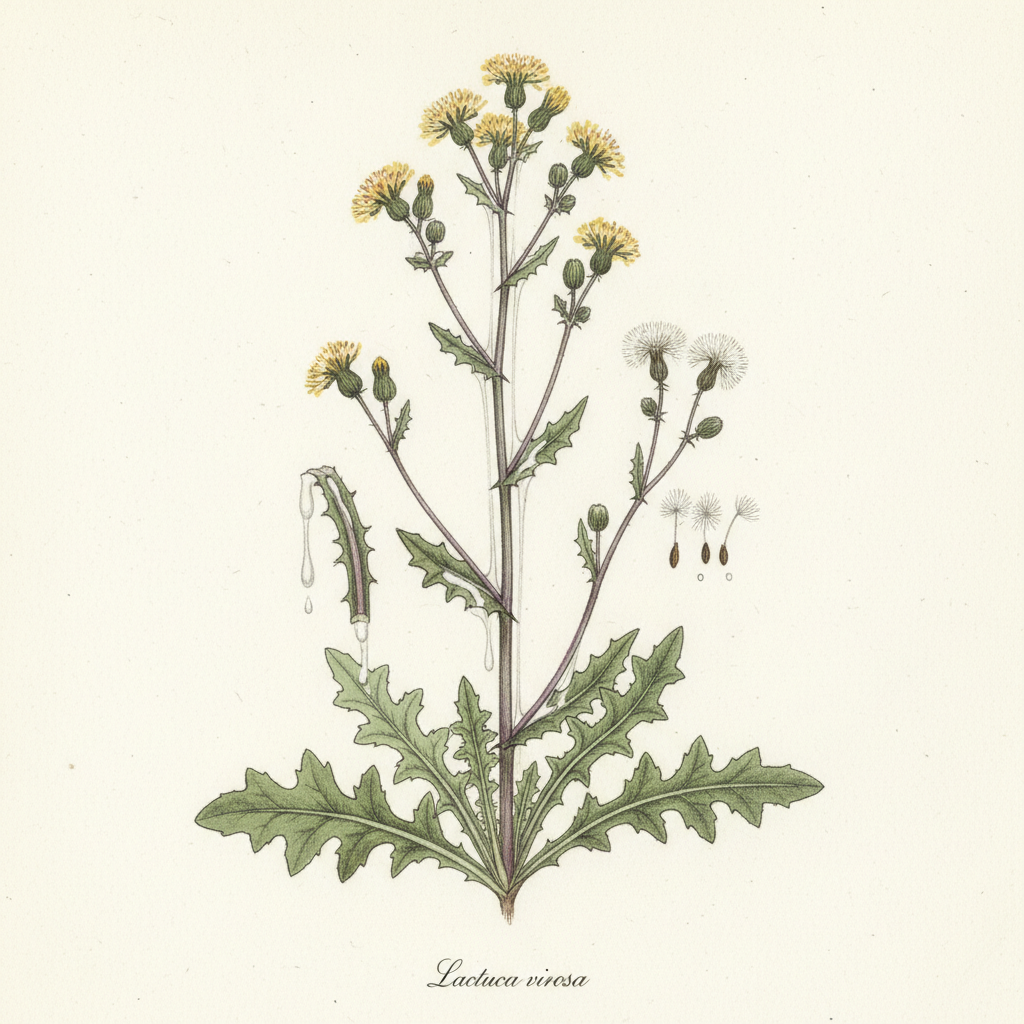
Wild Lettuce

Wild Lettuce

Lactuca virosa

Emotional Well-being
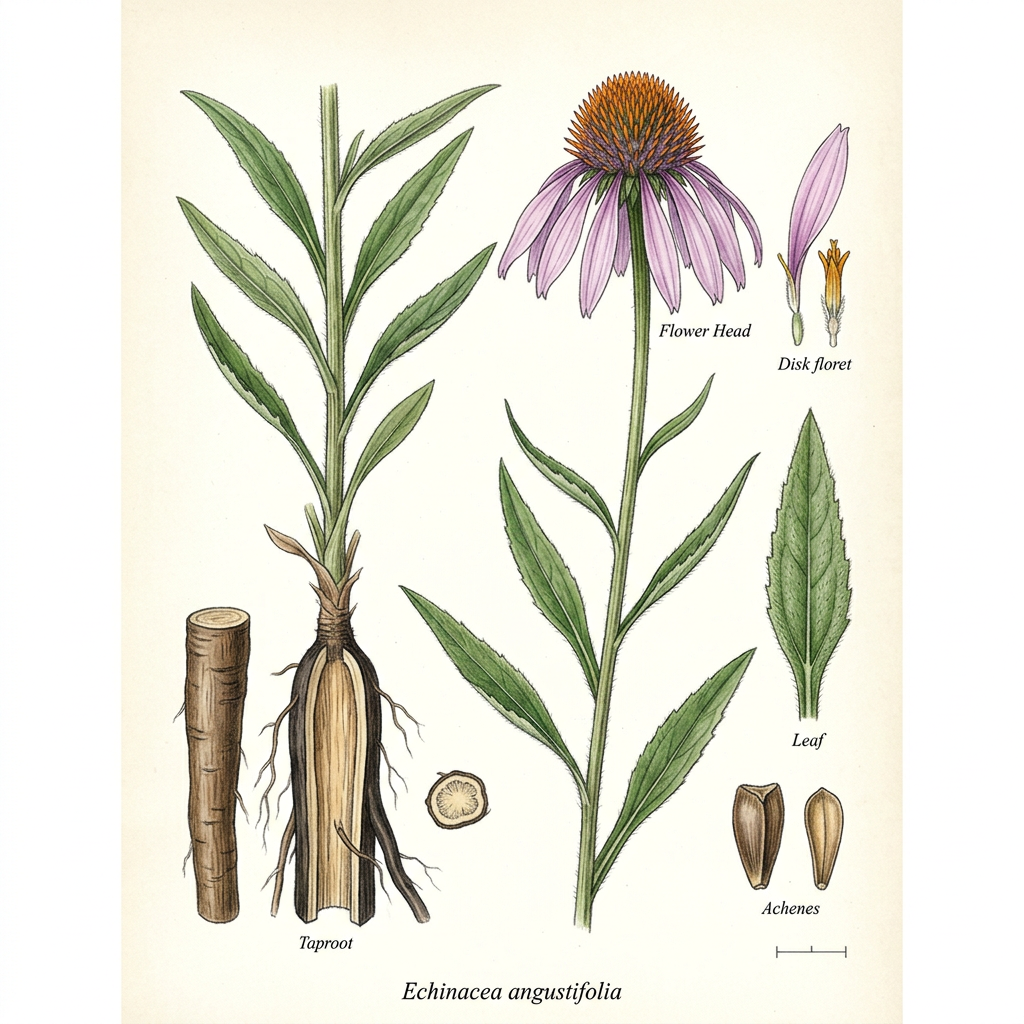
Echinacea angustifolia

Echinacea angustifolia
Echinacea angustifolia

Immune System Support
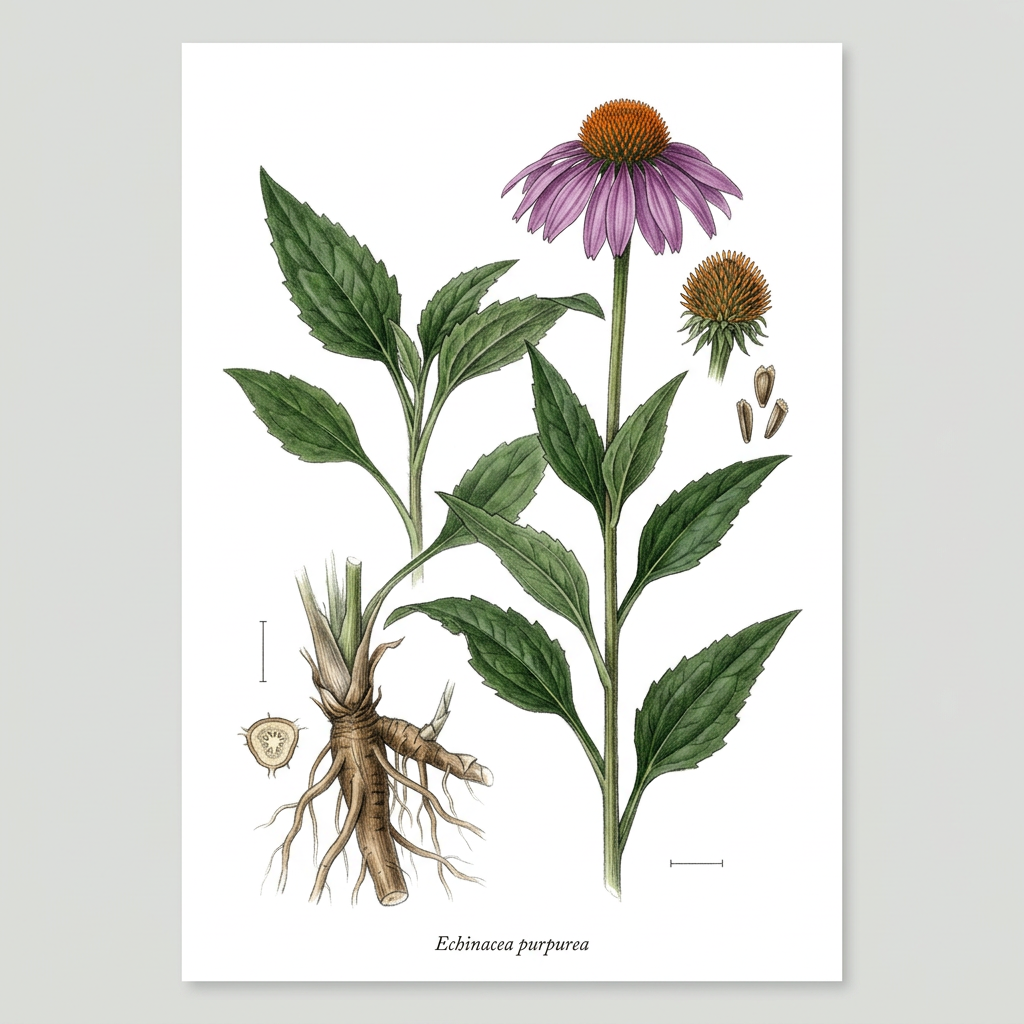
Echinacea purpurea

Echinacea purpurea
Echinacea purpurea

Immune Support
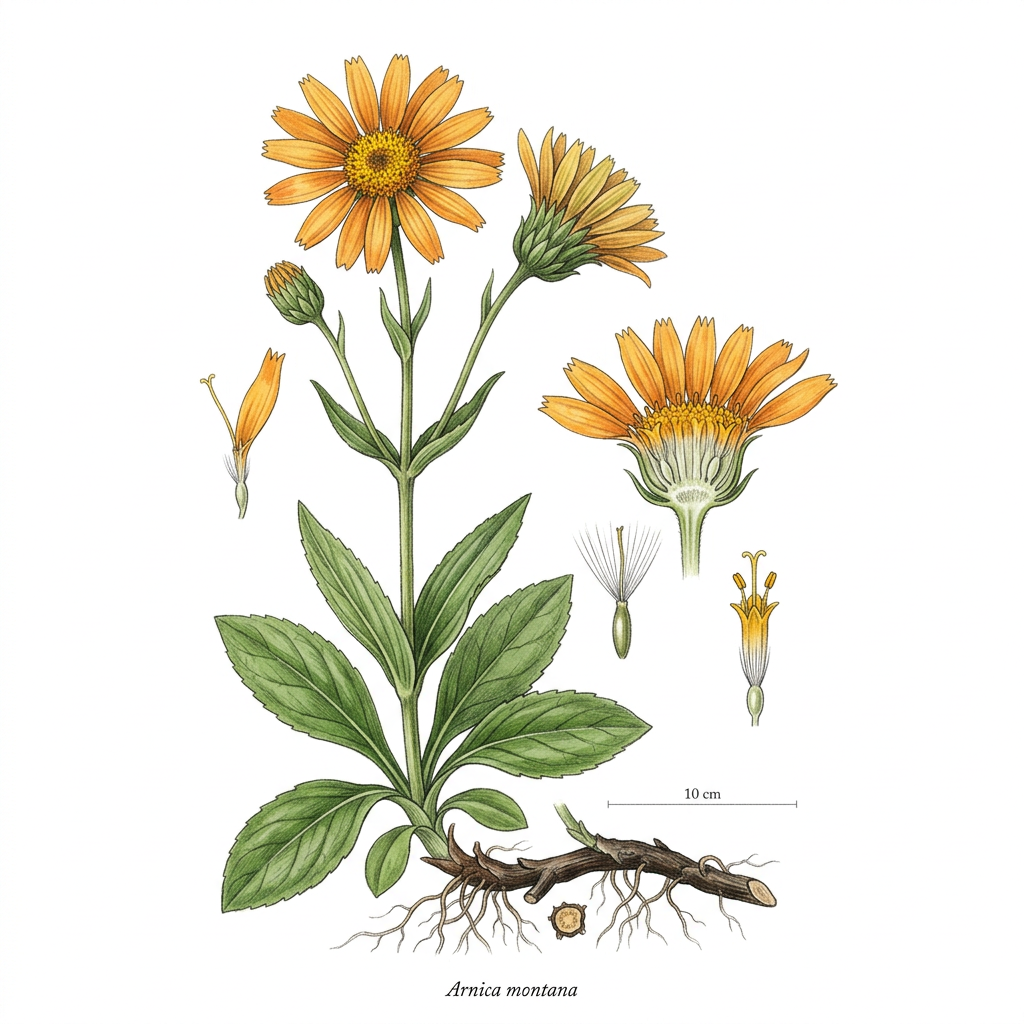
Arnica

Arnica

Arnica montana

Tissue Repair