The Wild Sage logo
The Wild Sage Logo

Herbal Medicine at your fingertips

Comprehensive database of herbal remedies with detailed safety information and traditional uses

New to herbal terms? Read the glossary →
ADHD
Abcess
Acid Reflux Relief
Acinetobacter
Acne
Acne Vulgaris
Addisons
Adenomyosis
Adenovirus
Adrenal fatigue
Aging
Aids
Alcaligenes faecalis
Alcoholism
Allergic Rhinitis
Allergies
Allergy
Alopoecia
Alopoecia nervosa
Alzheimer's, Dementia & Cognitive Decline
420 herbs found
Important: This information is for educational purposes only. Always consult with qualified healthcare professionals before using herbal remedies, especially if you have existing health conditions or take medications.
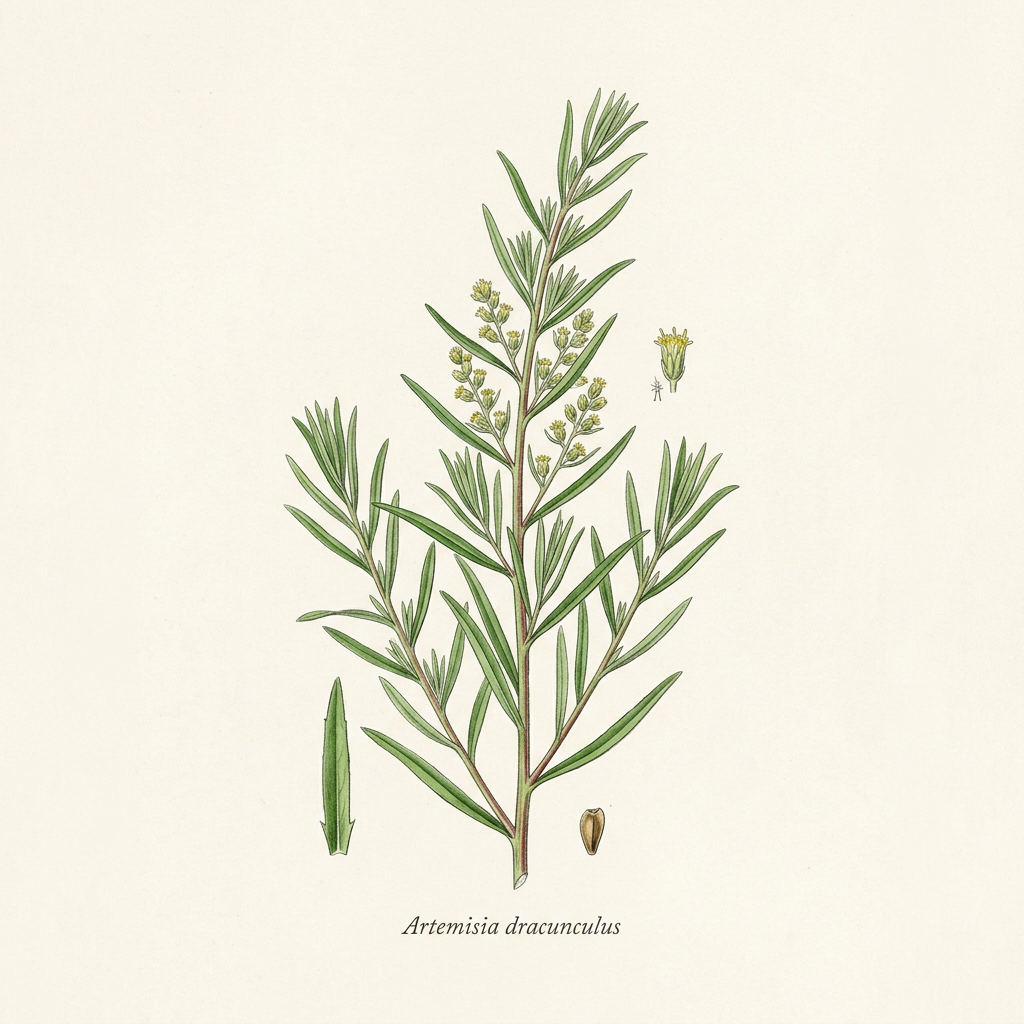
Tarragon

Tarragon

Artemisia dracunculus

low risk Risk
Asteraceae
<p>Artemisia dracunculus is a perennial member of the Asteraceae family, easily distinguished by its slender, smooth, lanceolate leaves and the characteristic anise-like aroma produced by its volatile oils. Unlike many of its relatives in the Artemisia genus, it produces few viable seeds and is typically propagated through root division. It prefers well-drained soil and a sunny position, growing to approximately 60-120cm in height, and is a staple in both culinary and traditional herbal repertoires across Europe and Central Asia.</p><p>Traditionally used for the support of digestive function, Tarragon has long been valued for its ability to stimulate appetite and ease flatulence. Historically, it was employed as a carminative and a gentle digestive bitter to assist in the assimilation of complex meals. While it remains a popular culinary herb, its medicinal application focuses on its mild, aromatic bitterness which encourages the secretion of digestive juices without being as aggressive as some of the stronger wormwoods.</p><p>Modern research into Artemisia dracunculus has highlighted its potential as a hypoglycaemic agent, with several studies investigating its influence on insulin sensitivity and glucose uptake in muscle tissue. While promising, clinical evidence in humans remains limited, and it should be viewed primarily as an adjunctive support for metabolic health rather than a standalone treatment. Its pharmacological profile is significantly shaped by constituents like estragole, which warrants a cautious approach to long-term high-dose usage.</p><p>In contemporary practice, I often utilise Tarragon for patients experiencing sluggish digestion, post-prandial bloating, or mild appetite loss. Its flavour profile makes it an excellent choice for patients who struggle with the intensely bitter taste of other herbs like Gentiana. It is best approached as a dietary support herb or a short-term digestive aid, with due consideration given to its specific chemical profile and the individual patient's concurrent medication regime.</p>

Uses & Conditions

Digestive Aid
Cognitive Function Support
Digestive Inflammation
Loss Of Appetite
Sleep Disorders
Anxiety
Stress
Menstrual Discomfort
Fatigue
Nausea
Bloating
Heartburn
Liver Health
Respiratory Issues
Low Mood

Actions

Antioxidant
Antimicrobial
Antispasmodic
Sedative

Parts Used

Aerial parts (leaves and flowering tops)

Native Countries

Italy
France
Russia
United States
Spain

USDA Hardiness Zones

3
4
5
6
7
8

Contraindications

  • Pregnancy: avoid medicinal doses due to potential emmenagogue properties.
  • Breastfeeding: avoid therapeutic intake due to lack of safety data.
  • Asteraceae allergy: avoid if there is a known sensitivity to ragweed
  • marigolds
  • or daisies.
  • Surgery: discontinue use at least two weeks prior to scheduled procedures.
  • Epilepsy: use with caution as some Artemisia species contain thujone.

Potential Side Effects

  • Mild gastrointestinal irritation from excessive consumption.
  • Allergic contact dermatitis in sensitive individuals.
  • Theoretical risk of hepatotoxicity with chronic
  • high-dose ingestion of estragole-rich cultivars.

Interactions

  • Anticoagulants: potential increased risk of bleeding due to antiplatelet activity.
  • Antidiabetic medications: may potentiate blood glucose lowering effects.
  • Cytochrome P450 substrates: potential interaction with drugs metabolised by liver enzymes.

Dosages, tincture ratios & research — members only

Unlock Garreth's dosing guidance, tincture ratios, the dosage calculator and the research studies for Tarragon.

Your assessment and results stay saved — upgrading only unlocks more of them.

See membership plans

Community Photos

No community photos yet. Sign in to upload photos.

Reviews & Ratings

Sign in to leave a review.

No reviews yet. Be the first!

GF

Garreth Falls — B.Th., Dip. H.M., MNIMH

Content curated and reviewed by Garreth Falls, Consultant Medical Herbalist · The Wild Sage

Medical Disclaimer: This information is for educational purposes only and is not intended as medical advice. Always consult with qualified healthcare professionals before starting any herbal treatment.
Western tradition

Sustainability & quality

Cultivated

Easily grown in gardens; prioritize local, fresh, or dried cultivated material to avoid unnecessary transit.

Key constituents

Estragole, Methyl chavicol, Coumarins, Flavonoids, Tannins, Bitter principles, Terpenoids

References

  1. Herbal Reality. Herb monographs. herbalreality.com

Reviewed by Garreth, Medical Herbalist (MNIMH) · November 2026

Related conditions

Explore conditions where Tarragon is traditionally used.

Related Herbs
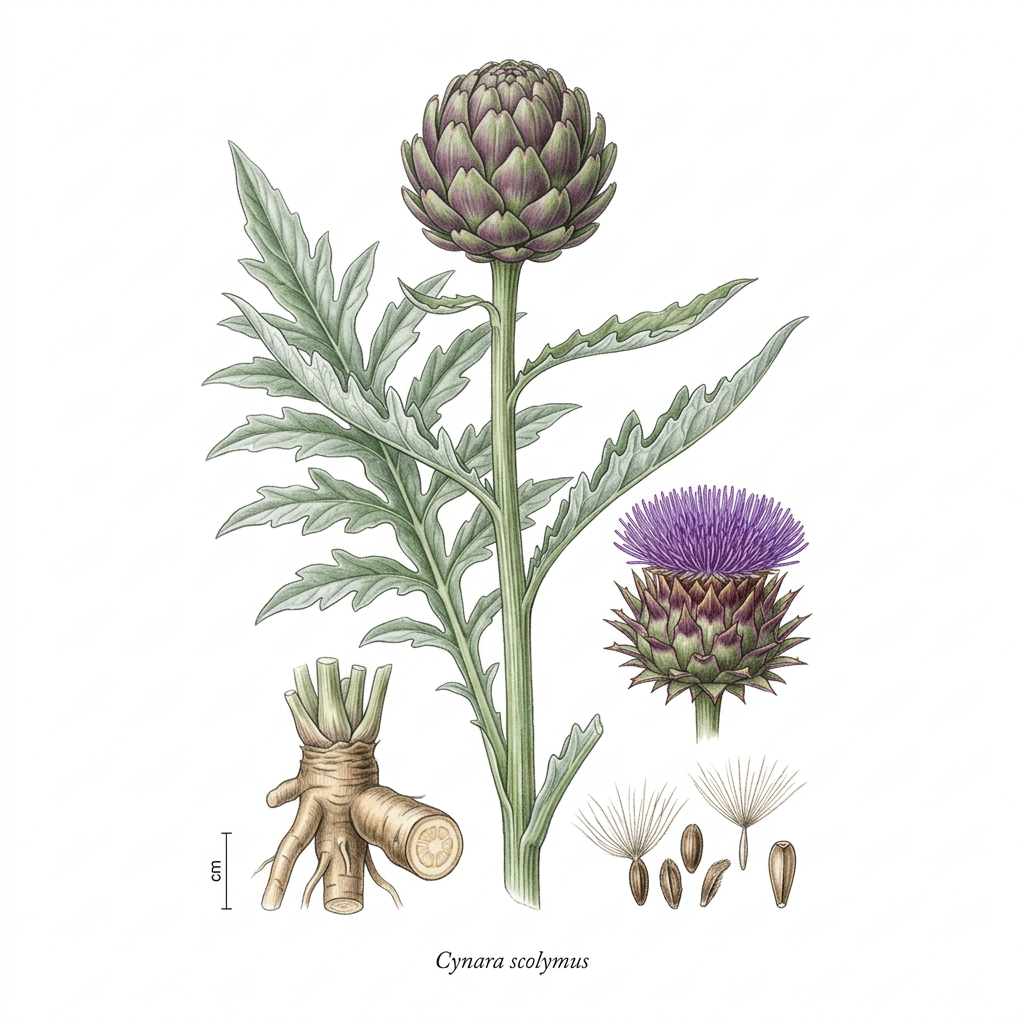
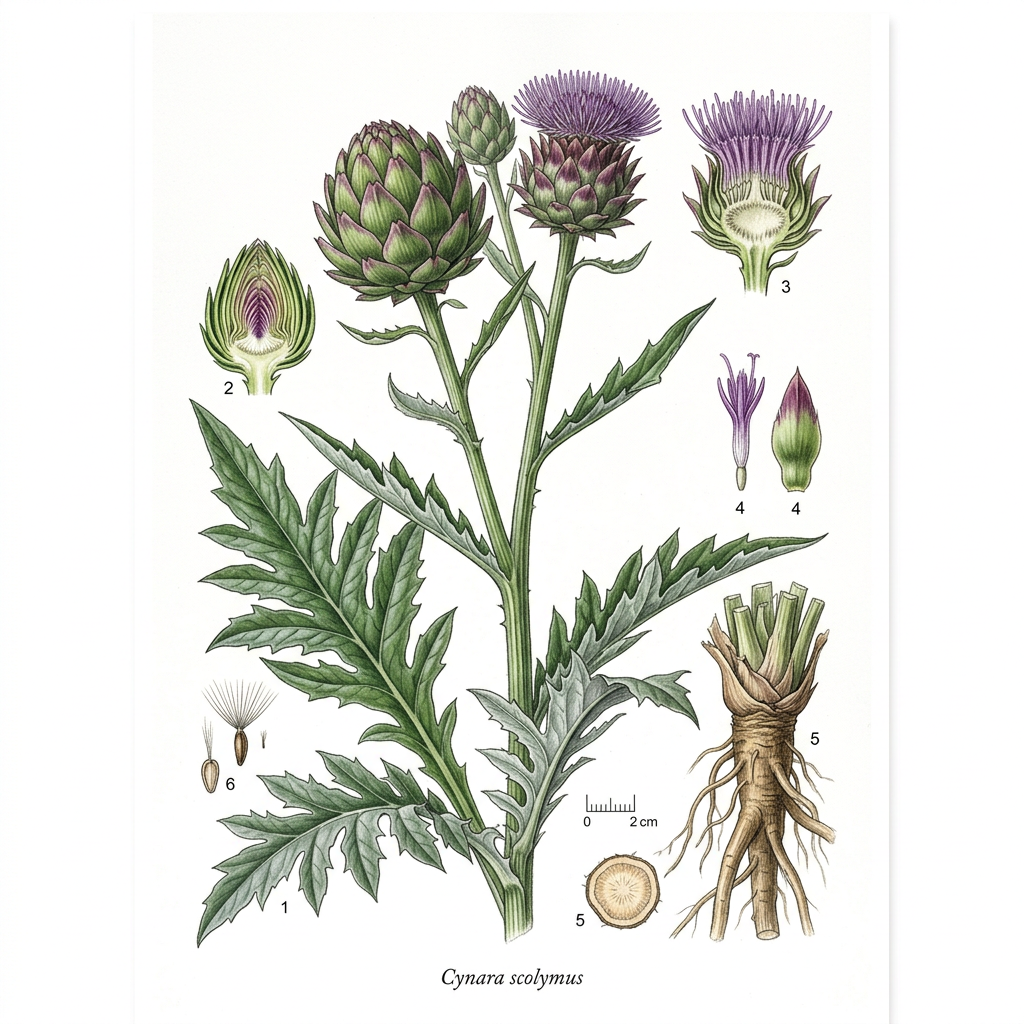
Globe artichoke

Globe artichoke

Cynara scolymus

Liver Support
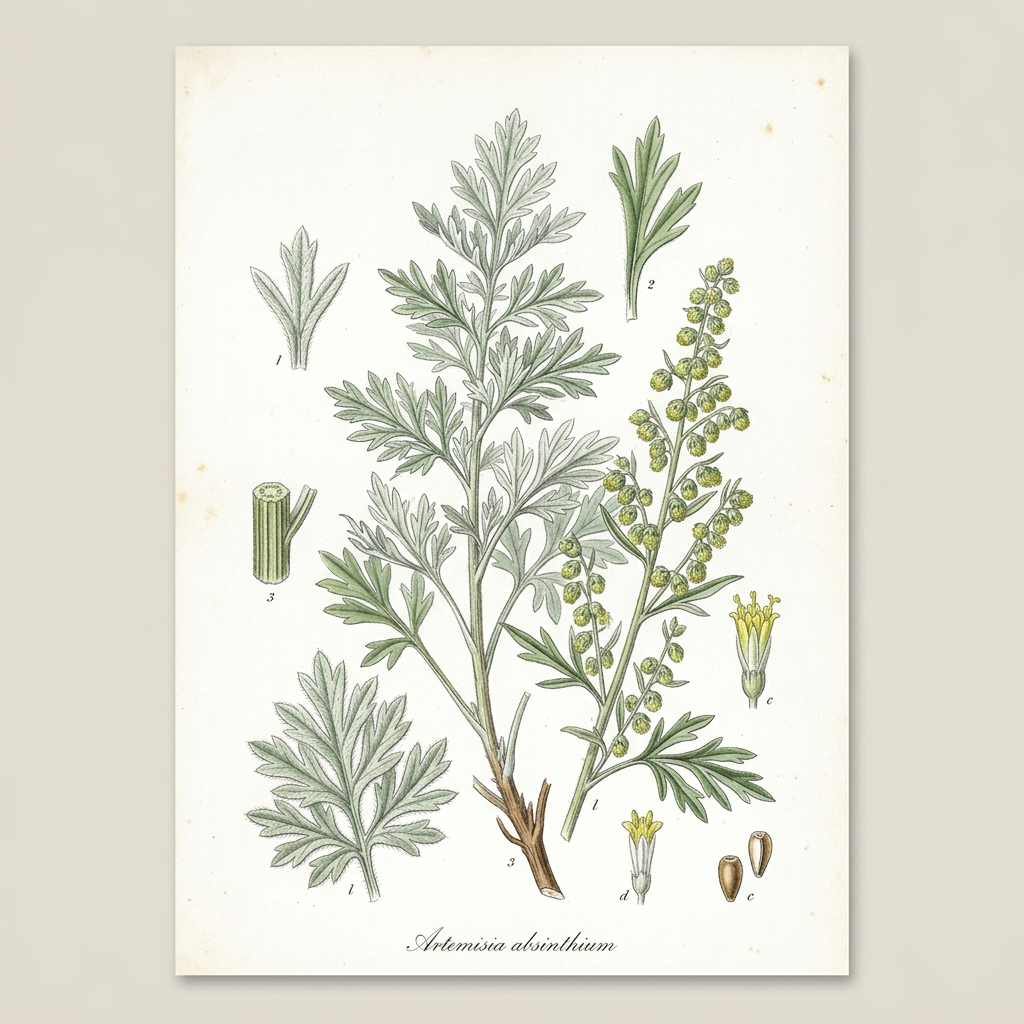
Wormwood

Wormwood

Artemisia absinthium

Artichoke

Artichoke

Cynara scolymus

Liver Support
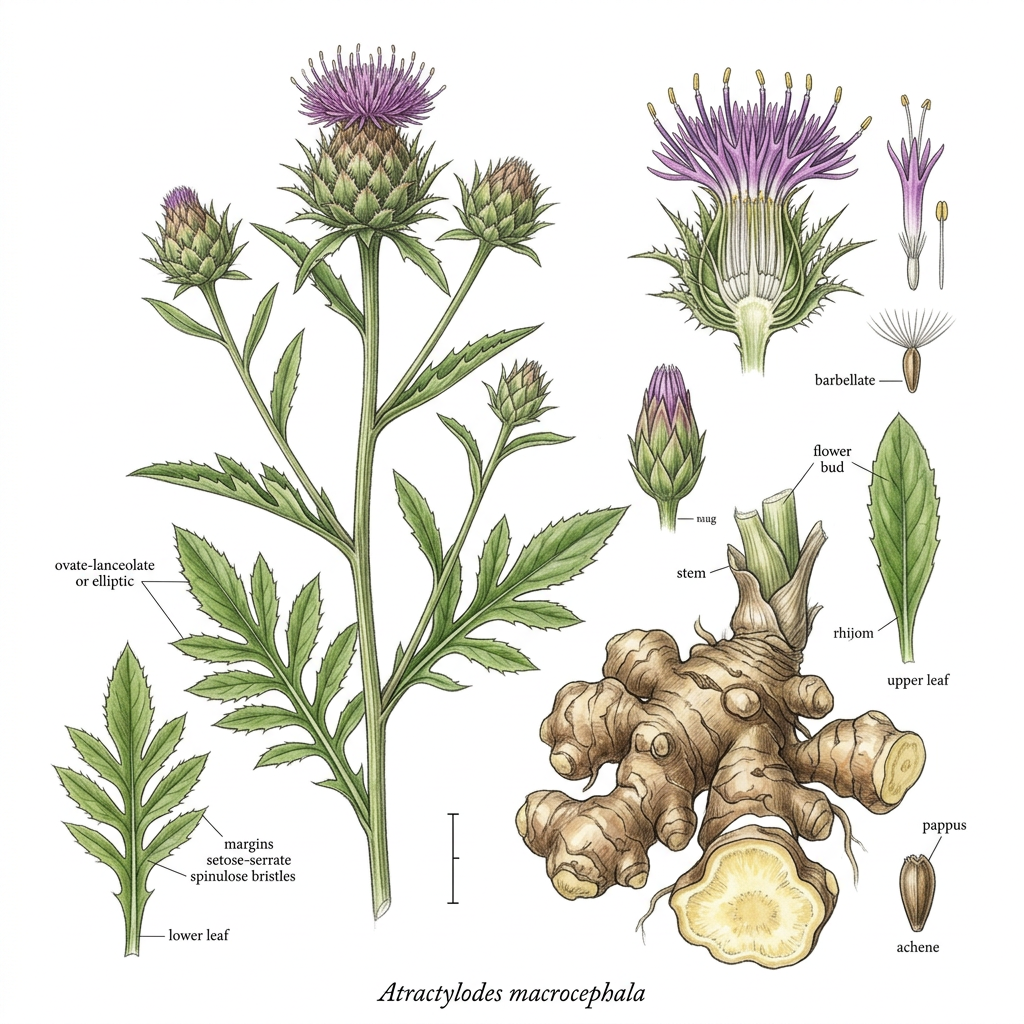
Atractylodes macrocephala

Atractylodes macrocephala

Atractylodes macrocephala

Digestive Tonic