The Wild Sage logo
The Wild Sage Logo

Herbal Medicine at your fingertips

Comprehensive database of herbal remedies with detailed safety information and traditional uses

New to herbal terms? Read the glossary →
ADHD
Abcess
Acid Reflux Relief
Acinetobacter
Acne
Acne Vulgaris
Addisons
Adenomyosis
Adenovirus
Adrenal fatigue
Aging
Aids
Alcaligenes faecalis
Alcoholism
Allergic Rhinitis
Allergies
Allergy
Alopoecia
Alopoecia nervosa
Alzheimer's, Dementia & Cognitive Decline
420 herbs found
Important: This information is for educational purposes only. Always consult with qualified healthcare professionals before using herbal remedies, especially if you have existing health conditions or take medications.
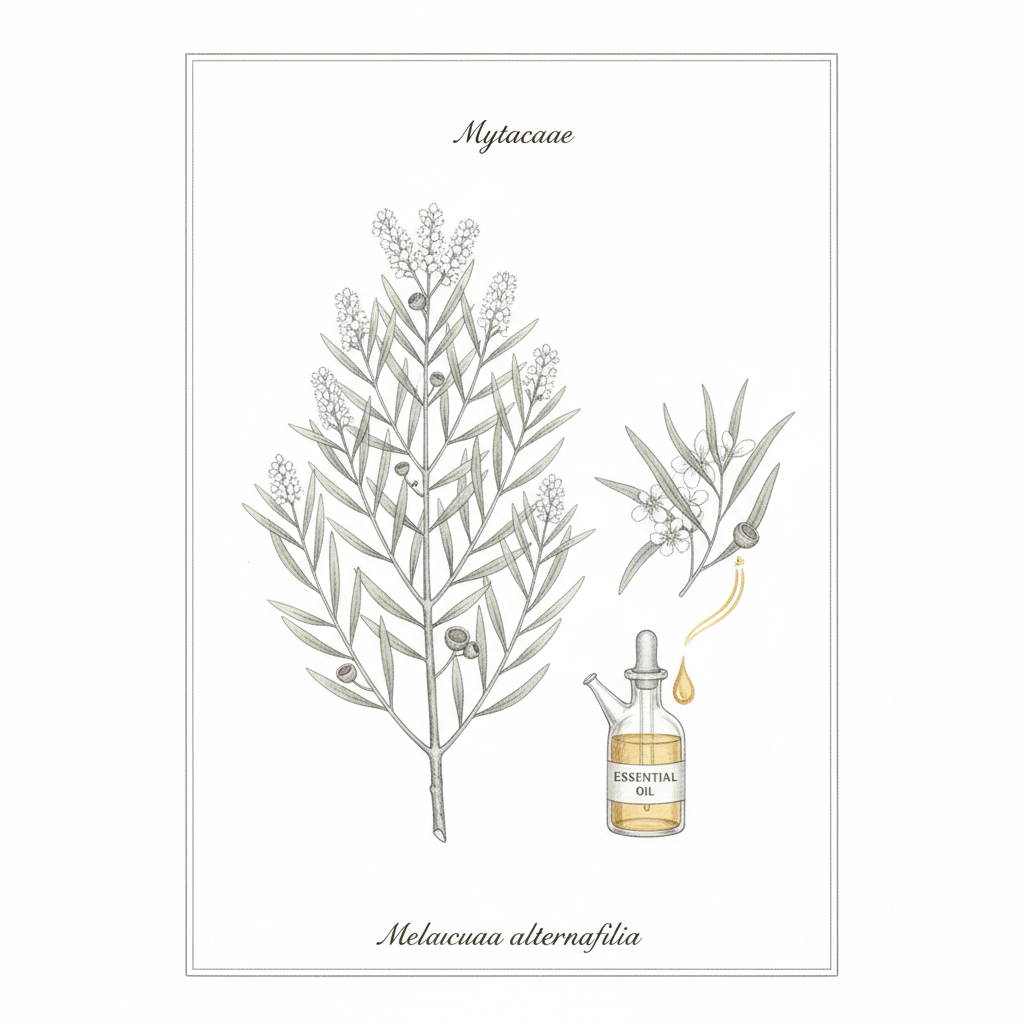
Tea Tree

Tea Tree

Melaleuca alternifolia

low risk Risk
Myrtaceae
<p>Tea Tree, or Melaleuca alternifolia, is an evergreen tree native to Australia, particularly notable for its essential oil, which has been utilized by Indigenous Australian peoples for centuries. Traditionally, the leaves of the Tea Tree were crushed and applied topically to minor cuts, wounds, and skin infections—practices that mirrored the plant's powerful antiseptic properties. Its historical significance is deeply embedded in the rich tapestry of Aboriginal medicine, where its leaves were revered not just for their healing capabilities but also for their role in cultural rituals and practices. The therapeutic properties of Tea Tree are multifaceted, primarily attributed to its unique composition of bioactive compounds, most notably terpinen-4-ol, which exhibits potent antibacterial, antifungal, and antiviral effects. Tea Tree oil is widely recognized for its effectiveness in treating skin conditions such as acne, athlete’s foot, and dandruff, making it a staple in both holistic and conventional therapeutic approaches. Beyond dermatological applications, research suggests that Tea Tree oil may also support respiratory health by alleviating symptoms associated with coughs and colds, showcasing its versatile medicinal benefits. Biochemically, Tea Tree oil interacts with the body’s immune response in several ways. When applied topically, its active constituents penetrate the skin to disrupt cellular integrity in pathogens, inhibiting their growth and survival. This mechanism not only fosters quicker healing but also modulates inflammatory responses, reducing redness and irritation in afflicted areas. Additionally, the inhalation of Tea Tree oil vapor may provide respiratory relief, as it can help in clearing mucus and providing a soothing effect on the airways. As research into its efficacy continues to grow, Tea Tree remains a compelling subject for clinical investigation, promising a wealth of potential that bridges traditional wisdom with modern scientific inquiry.</p>

Uses & Conditions

Respiratory Health
Acne
Athlete’s Foot
Colds
Coughs
Dandruff
Fungal Toe-Nail Infections
Inflammation
Psoriasis
Skin Infections
Wounds

Actions

Anti-Fungal
Anti-Inflammatory
Antimicrobial
NFkB Inhibitor
TNF-a Reduction

Parts Used

Essential oil

Native Countries

Australia

USDA Hardiness Zones

USDA 8-11

Contraindications

  • Known allergy or hypersensitivity to the Myrtaceae family or Melaleuca species
  • Use caution during pregnancy and breastfeeding due to a lack of robust clinical safety data
  • Avoid applying to broken skin or mucous membranes at high concentrations
  • Do not ingest undiluted essential oil
  • as it is toxic if swallowed

Potential Side Effects

  • Contact dermatitis
  • Skin reaction if using old essential oil

Interactions

  • Topical acne medications: concurrent use with benzoyl peroxide or retinoids may increase local skin irritation
  • Immunosuppressants: topical application over large areas may theoretically impact systemic immune markers
  • Use caution with prescription medicines

Dosages, tincture ratios & research — members only

Unlock Garreth's dosing guidance, tincture ratios, the dosage calculator and the research studies for Tea Tree.

Your assessment and results stay saved — upgrading only unlocks more of them.

See membership plans

Community Photos

No community photos yet. Sign in to upload photos.

Reviews & Ratings

Sign in to leave a review.

No reviews yet. Be the first!

GF

Garreth Falls — B.Th., Dip. H.M., MNIMH

Content curated and reviewed by Garreth Falls, Consultant Medical Herbalist · The Wild Sage

Medical Disclaimer: This information is for educational purposes only and is not intended as medical advice. Always consult with qualified healthcare professionals before starting any herbal treatment.
Western tradition

Sustainability & quality

Cultivated

Largely farmed; ensure supply chain transparency to support sustainable plantation methods.

Key constituents

Terpinen-4-ol, Gamma-terpinene, Alpha-terpinene, 1, 8-cineole, Para-cymene, Alpha-terpineol

References

  1. Bone & Mills "Principles and Practice of Phytotherapy" 2nd ed. 2013
  2. ESCOP Monographs 2nd ed. 2003
  3. Herbal Reality. Herb monographs. herbalreality.com

Reviewed by Garreth, Medical Herbalist (MNIMH) · November 2026

Related conditions

Explore conditions where Tea Tree is traditionally used.

Related Herbs
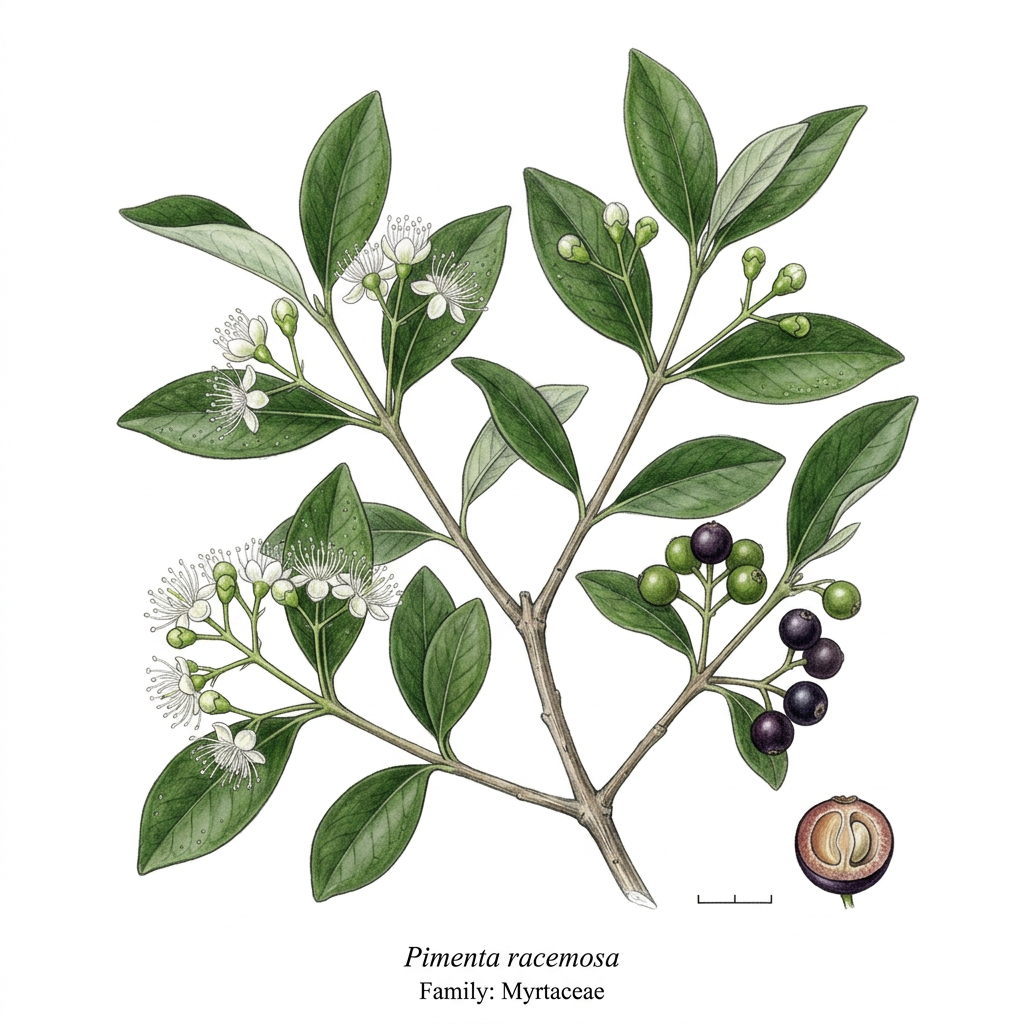
Bay rum

Bay rum

Pimenta racemosa

Appetite stimulation
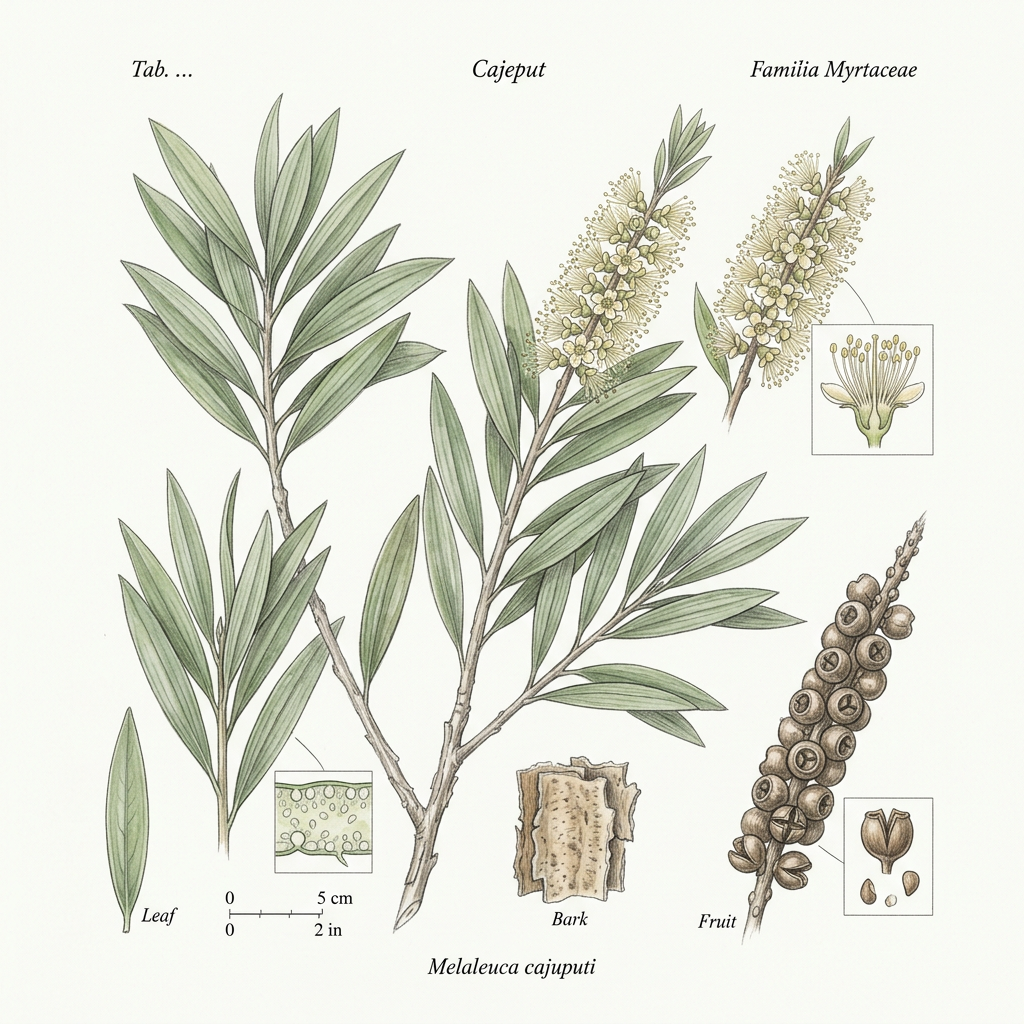
Cajeput

Cajeput

Melaleuca leucadendra

Aromatherapy
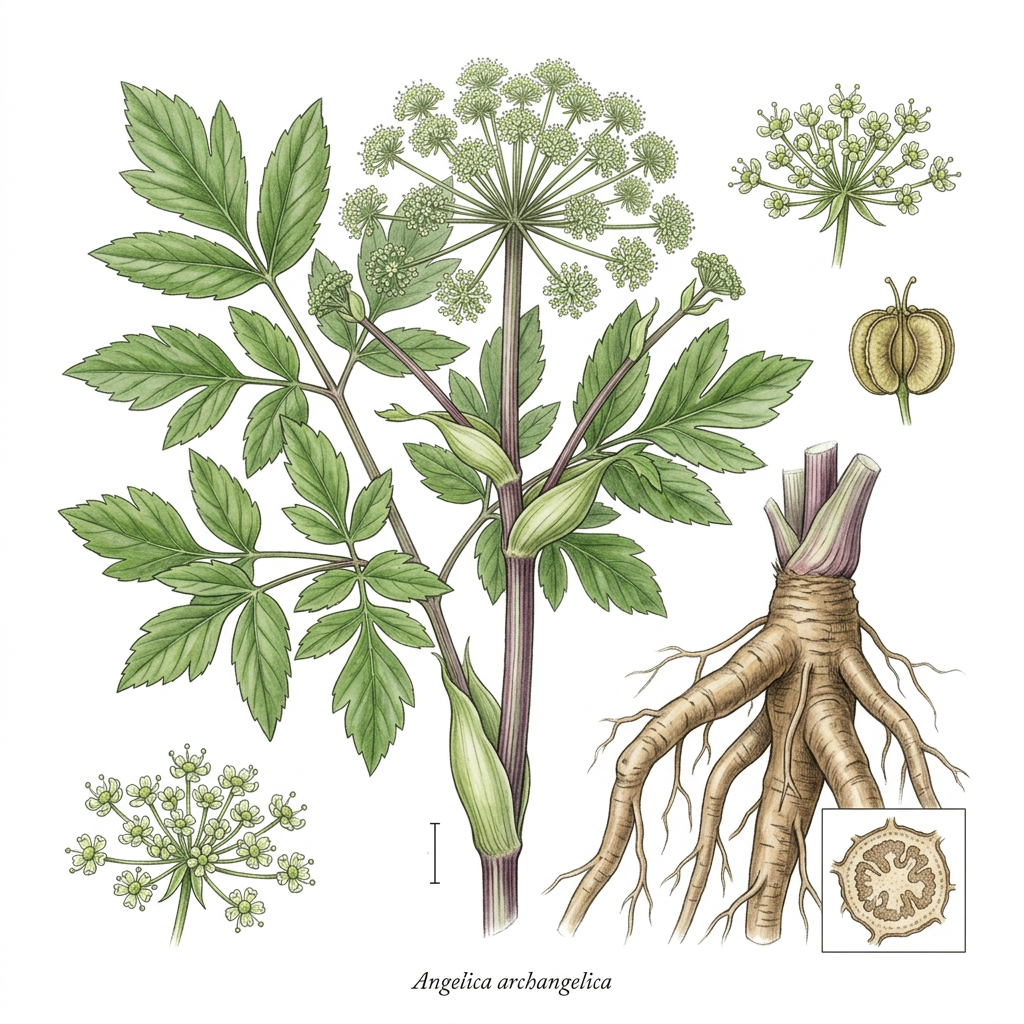
Angelica

Angelica

Angelica archangelica

Circulatory Stimulant
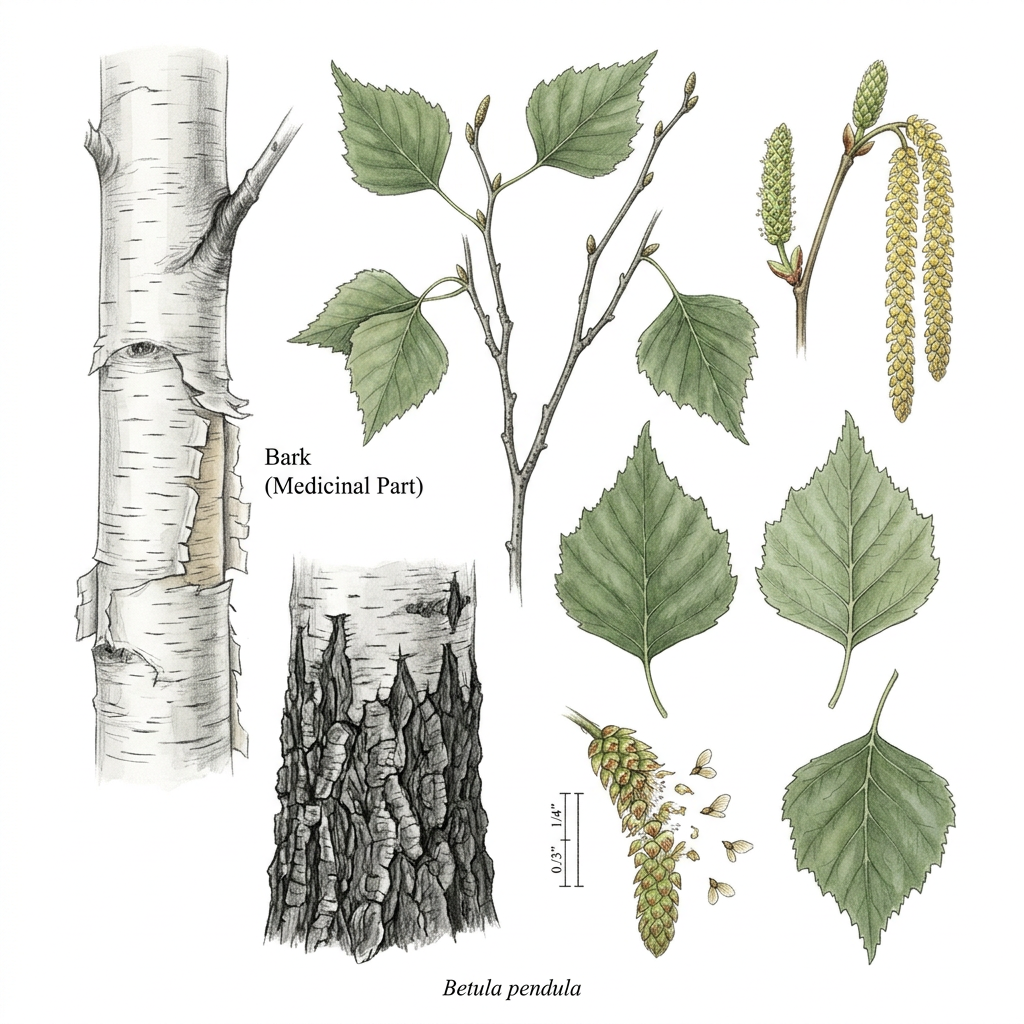
Birch

Birch

Betula pendula

Kidney Support