The Wild Sage logo
The Wild Sage Logo

Herbal Medicine at your fingertips

Comprehensive database of herbal remedies with detailed safety information and traditional uses

New to herbal terms? Read the glossary →
ADHD
Abcess
Acid Reflux Relief
Acinetobacter
Acne
Acne Vulgaris
Addisons
Adenomyosis
Adenovirus
Adrenal fatigue
Aging
Aids
Alcaligenes faecalis
Alcoholism
Allergic Rhinitis
Allergies
Allergy
Alopoecia
Alopoecia nervosa
Alzheimer's, Dementia & Cognitive Decline
420 herbs found
Important: This information is for educational purposes only. Always consult with qualified healthcare professionals before using herbal remedies, especially if you have existing health conditions or take medications.
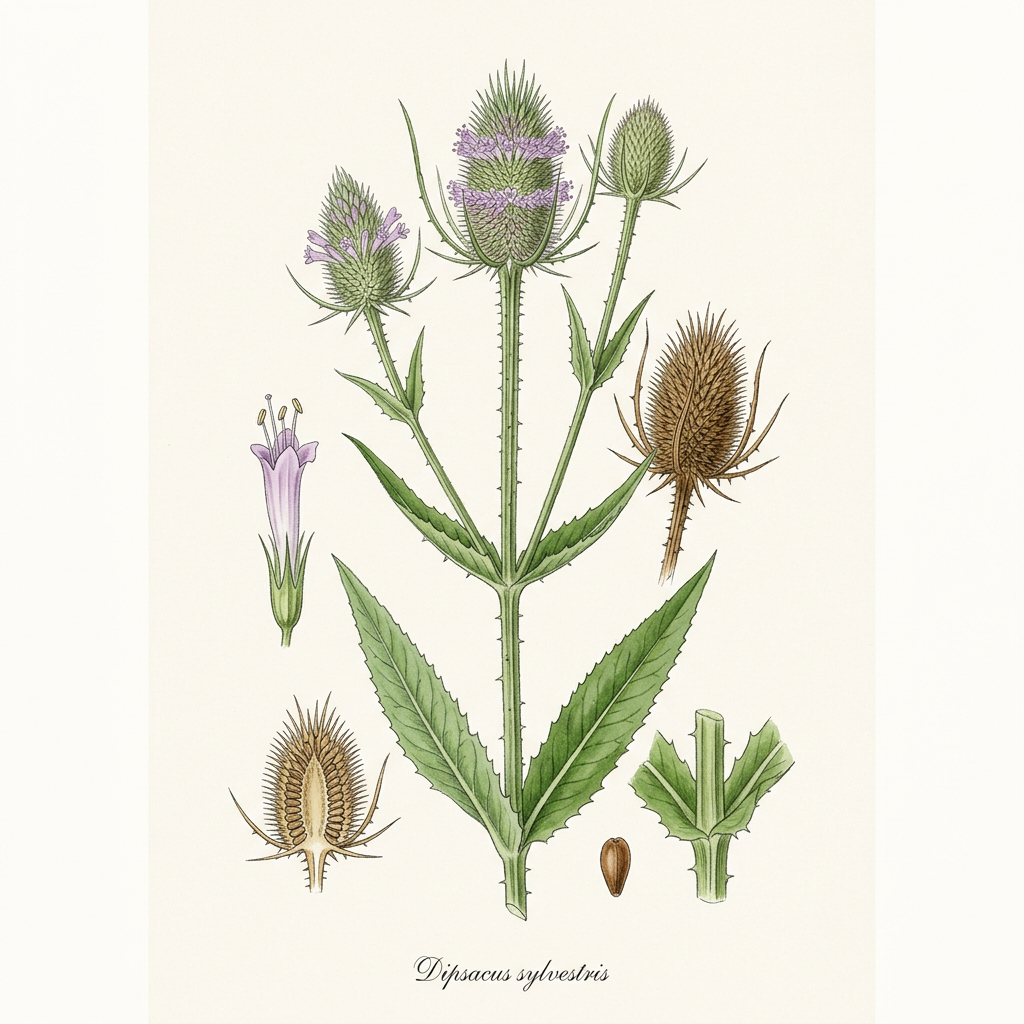
Teasel

Teasel

Dipsacus fullonum

low risk Risk
Dipsacaceae
Beneficial for large individuals prone to joint damage and excessive facial wrinkles.
<p>Tasel, scientifically known as **Dipsacus sylvestrus**, is a perennial herb belonging to the Dipsacaceae family. This plant, often characterized by its tall, spiky stems and distinctive flower heads, has been revered in traditional herbal medicine for centuries, particularly in European and Asian cultures. Historically, Tasel has been employed for its robust medicinal properties, utilized by herbal practitioners to support a variety of health concerns. Its applications range from wound healing and tissue regeneration to addressing conditions related to the musculoskeletal system. In traditional Chinese medicine, for example, the root of Tasel is known as "Xu Duan" and is considered vital for enhancing bone health and promoting blood flow, emphasizing its longstanding role in holistic health practices. The therapeutic properties of Tasel are quite diverse, thanks to its rich composition of active compounds. This herb is particularly lauded for its anti-inflammatory, analgesic, and diuretic effects. It is often used to alleviate conditions such as joint pain, sprains, and fractures due to its ability to support the body’s natural healing processes. Additionally, its rich, sweet flavor profile not only makes it a desirable addition in herbal formulations but also points to its ability to nourish and strengthen the body. Preliminary studies suggest that compounds found in Tasel may promote blood circulation and enhance tissue repair, making it a valuable ally for those seeking to recover from injuries or chronic conditions affecting mobility. In terms of its action within the body, Tasel works by stimulating blood flow and enhancing nutrient delivery to tissues, which is crucial for healing and regeneration. Its anti-inflammatory properties help to reduce swelling and discomfort, while its diuretic effects assist in eliminating excess fluid, thereby promoting overall wellness. The root of the plant, when prepared as a decoction or extract, delivers these beneficial effects, allowing for optimal absorption and efficacy. As researchers continue to explore its pharmacological components, Tasel remains a pivotal herb in the realm of alternative medicine, offering a blend of tradition and modern science for those interested in harnessing the healing power of nature.</p>

Uses & Conditions

Bone Building
Blood Tonic
Tissue Regeneration
Mobility Recovery
Nutrient Delivery
Back Pain
Carpal Tunnel Syndrome
Chronic Fatigue
Withered Structure
Ehlers-Danlos Syndrome
Joint Pain
Sprains
Fractures
Psoriasis
Osteoporosis
Parasitic Infestations
Jaundice
Impetigo
Lyme Disease
Eye Strain
Eczema
Poor Appetite

Actions

Anti-inflammatory
Analgesic
Diuretic

Parts Used

Aerial parts

Native Countries

Europe

USDA Hardiness Zones

3
4
5
6
7

Contraindications

  • Pregnancy: Avoid during gestation as safety has not been established.
  • Breastfeeding: Avoid due to insufficient safety data regarding excretion in breast milk.
  • Surgery: Discontinue use at least two weeks before scheduled elective surgery.
  • Active haemorrhagic conditions: Avoid use where there is a risk of internal bleeding.

Potential Side Effects

  • Temporary exacerbation of symptoms may occur at 2-3 weeks; continue use up to 6 weeks.

Interactions

  • Anticoagulants and antiplatelet drugs: Monitor for increased bleeding risk.
  • Blood pressure medication: Potential for additive effects; monitor blood pressure regularly.
  • Potent medicinal herbs: Exercise caution when combining with multiple potent herbs.

Dosages, tincture ratios & research — members only

Unlock Garreth's dosing guidance, tincture ratios, the dosage calculator and the research studies for Teasel.

Your assessment and results stay saved — upgrading only unlocks more of them.

See membership plans

Community Photos

No community photos yet. Sign in to upload photos.

Reviews & Ratings

Sign in to leave a review.

No reviews yet. Be the first!

GF

Garreth Falls — B.Th., Dip. H.M., MNIMH

Content curated and reviewed by Garreth Falls, Consultant Medical Herbalist · The Wild Sage

Medical Disclaimer: This information is for educational purposes only and is not intended as medical advice. Always consult with qualified healthcare professionals before starting any herbal treatment.
Western tradition

Sustainability & quality

Abundant

Very common biennial plant in roadsides and waste areas. Easily wild-harvested; ensure the plants are healthy and not affected by mildew or pests.

Key constituents

Saponins, Tannins, Alkaloids, Essential oils

References

  1. Bensky "Chinese Herbal Medicine: Materia Medica" 3rd ed. 2004
  2. Herbal Reality. Herb monographs. herbalreality.com

Reviewed by Garreth, Medical Herbalist (MNIMH) · November 2026

Related conditions

Explore conditions where Teasel is traditionally used.

Related Herbs
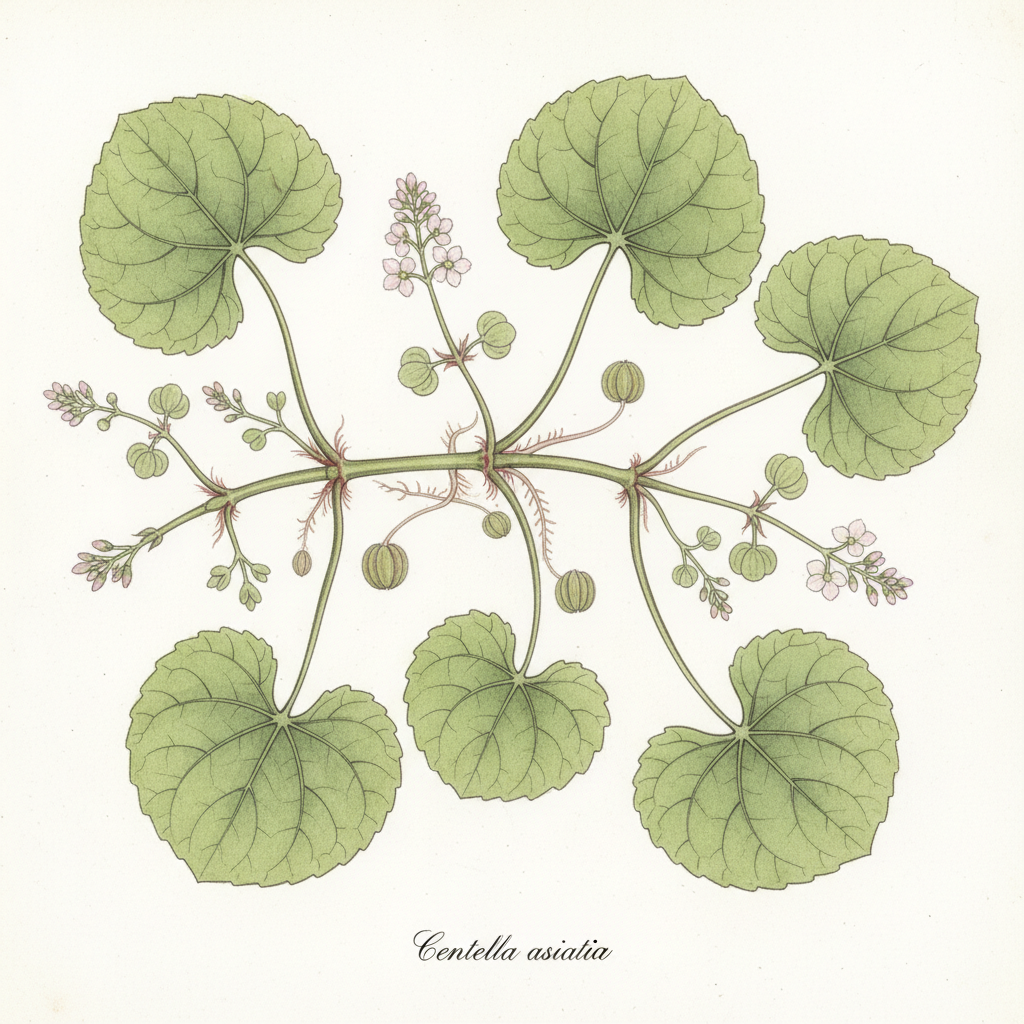
Gotu Kola

Gotu Kola

Centella asiatica

Cognitive Support
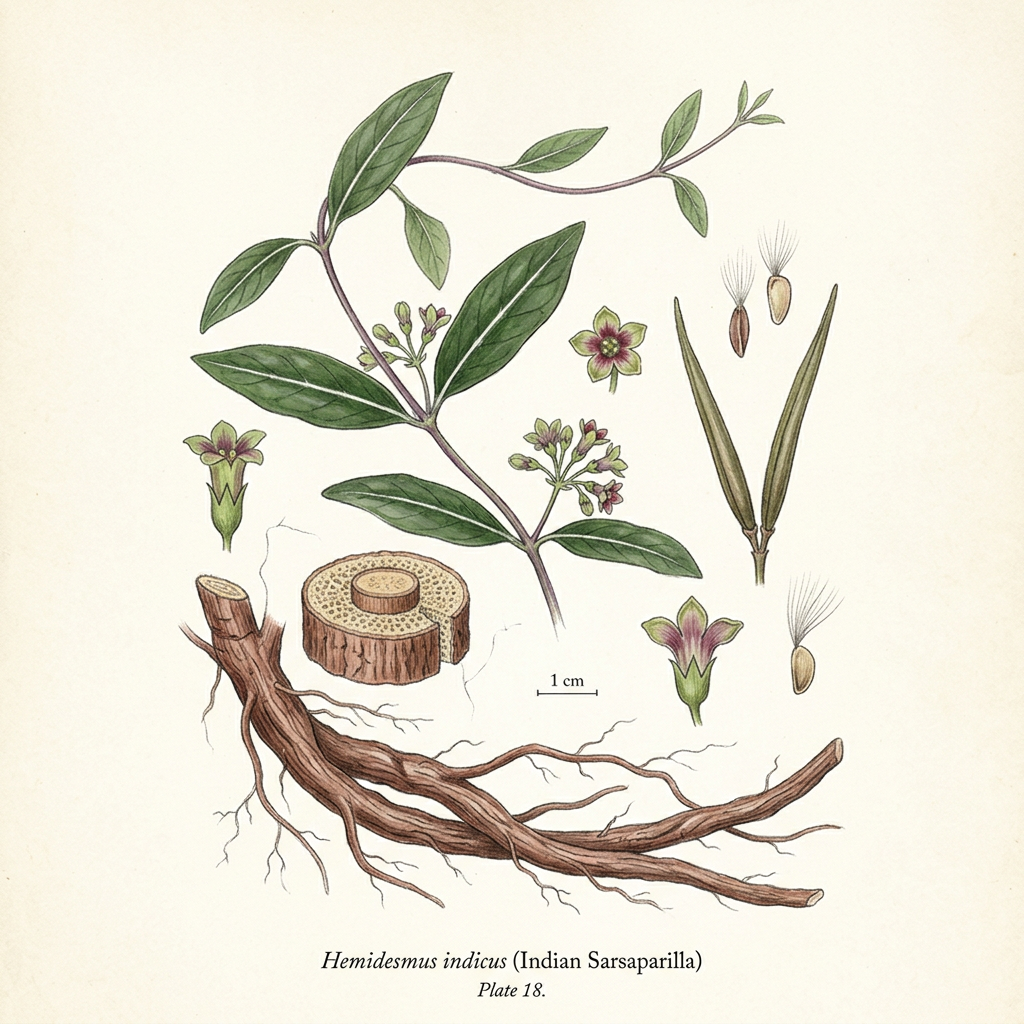
Indian sarsparilla

Indian sarsparilla

Hemidesmus

Detoxification
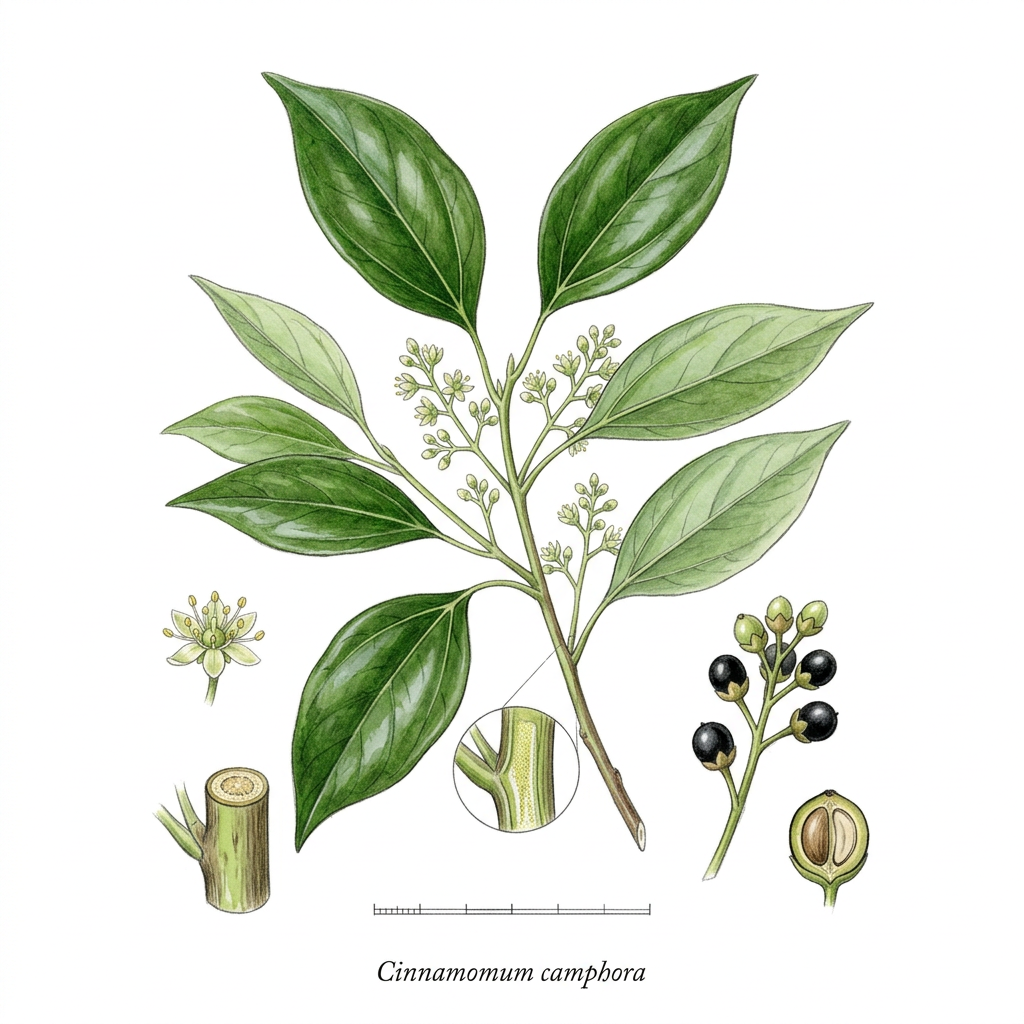
Camphor

Camphor

Cinnamomum camphora

Purification
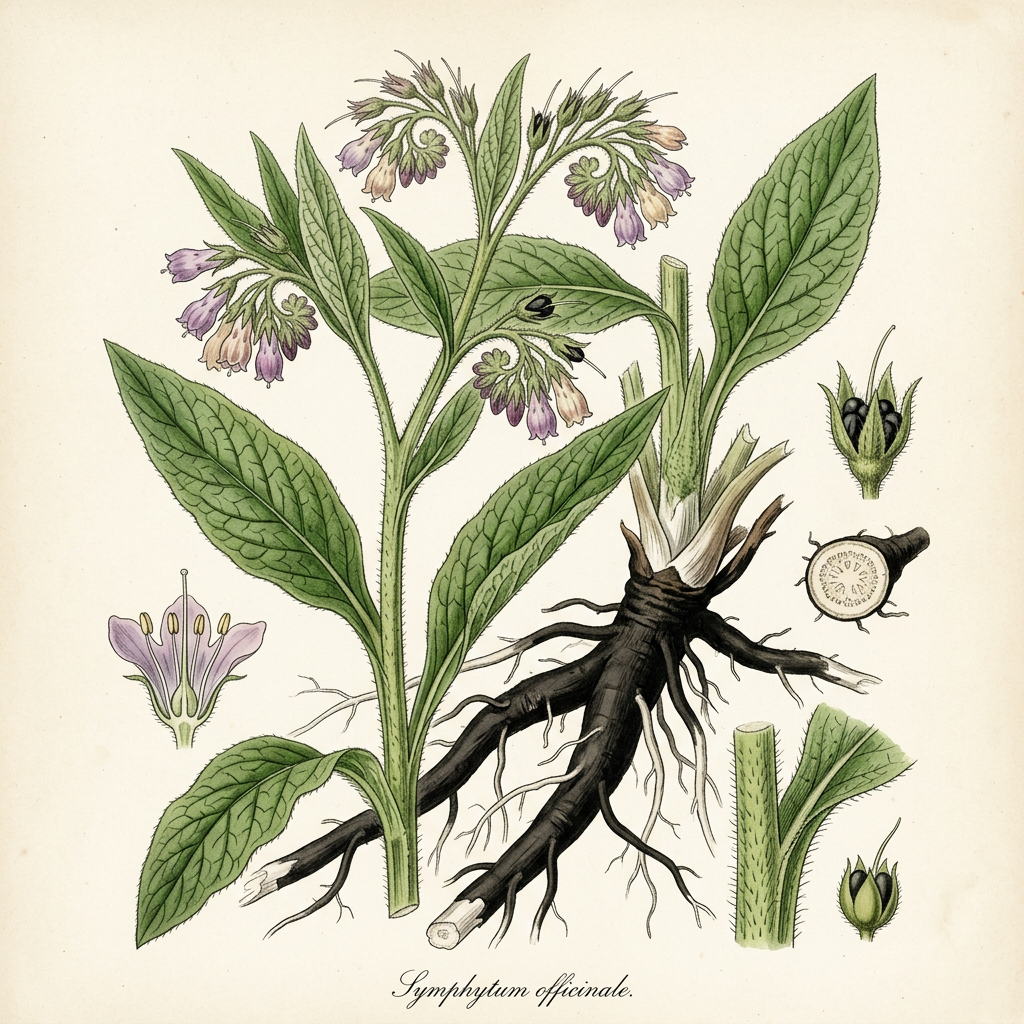
Comfrey

Comfrey

Symphytum officinale

Tissue Regeneration