The Wild Sage logo
The Wild Sage Logo

Herbal Medicine at your fingertips

Comprehensive database of herbal remedies with detailed safety information and traditional uses

New to herbal terms? Read the glossary →
ADHD
Abcess
Acid Reflux Relief
Acinetobacter
Acne
Acne Vulgaris
Addisons
Adenomyosis
Adenovirus
Adrenal fatigue
Aging
Aids
Alcaligenes faecalis
Alcoholism
Allergic Rhinitis
Allergies
Allergy
Alopoecia
Alopoecia nervosa
Alzheimer's, Dementia & Cognitive Decline
420 herbs found
Important: This information is for educational purposes only. Always consult with qualified healthcare professionals before using herbal remedies, especially if you have existing health conditions or take medications.
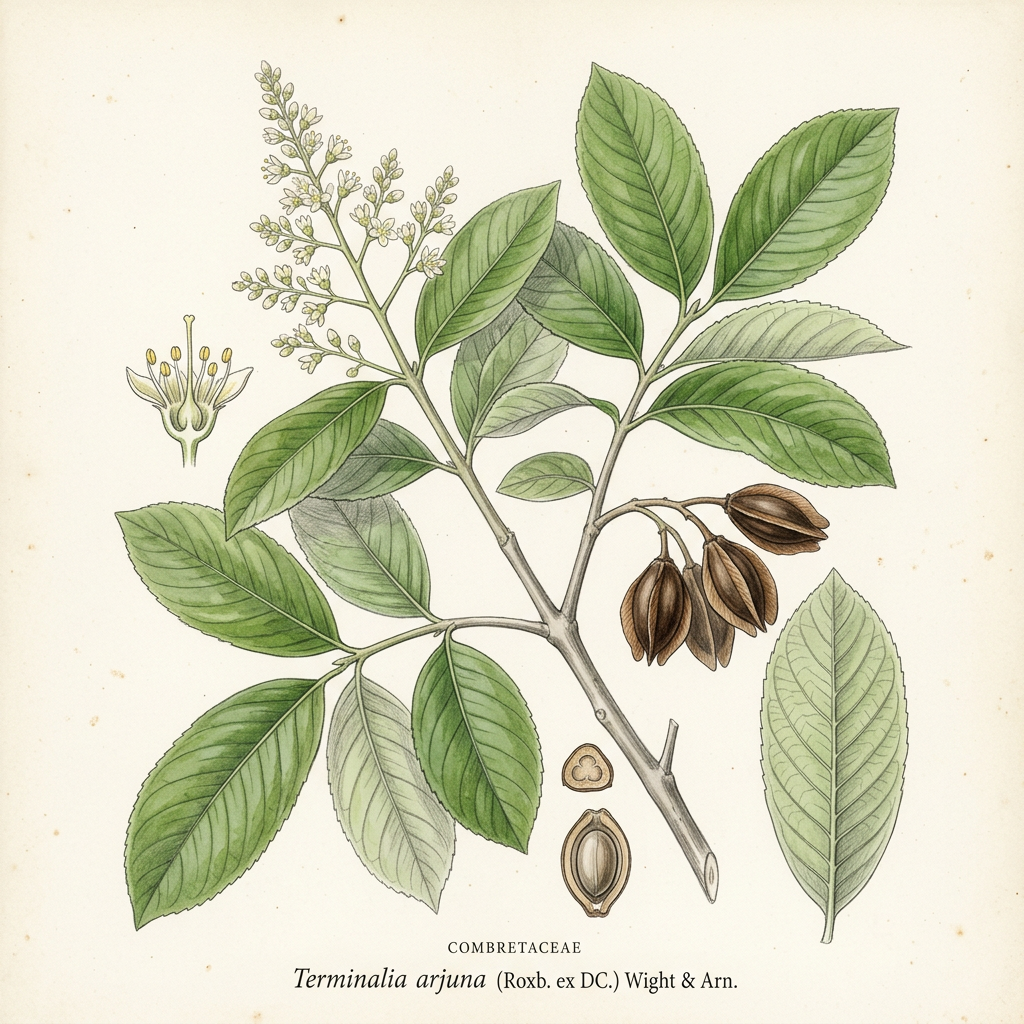
Terminalia arjuna

Terminalia arjuna

Terminalia arjuna

low risk Risk
Combretaceae
It is believed to promote emotional balance and resilience.
<p>Terminalia arjuna is a large, deciduous tree native to the Indian subcontinent, belonging to the Combretaceae family. It is easily identified by its smooth, grey, peeling bark and buttressed trunk, typically found growing along riverbanks and in dry, seasonal forest areas. The bark is the primary medicinal component, featuring a distinct, slightly bitter, and astringent profile that has been valued for centuries within Ayurvedic systems of medicine as a potent cardiovascular tonic, often referred to as 'hridya', or supportive of the heart. Traditionally used for its cooling and strengthening properties, it has long been employed to support heart health and emotional well-being.</p><p>Modern pharmacological research has focused heavily on the cardioprotective potential of the bark, particularly concerning its ability to support normal blood pressure levels and healthy cholesterol markers. The primary action is viewed as cardiotonic; clinical studies have investigated its role in supporting left ventricular function and enhancing exercise tolerance in those with cardiac concerns. While evidence is promising, it is essential to note that these trials are often limited in scope, and it should be viewed as an adjunct to professional cardiovascular management rather than a standalone intervention for acute cardiac events.</p><p>In clinical practice, it is typically employed as a restorative tonic rather than for acute symptomatic relief. It is most frequently indicated for individuals presenting with signs of fatigue, palpitations, or a 'weak' pulse, often where there is an underlying constitutional need for strengthening the cardiac tissues. As a herbalist, I monitor patients closely for any changes in cardiac rhythm or blood pressure when introducing this herb into a protocol. Due to its astringent nature, it is often paired with nervine tonics or gentle circulatory stimulants to ensure a balanced approach to treatment.</p>

Uses & Conditions

Blood Sugar Regulation
Cardiovascular Health
Hepatic Health
Inflammation
Emotional Balance
Diabetes Mellitus
Hyperglycaemia
Insulin Resistance
Impaired Glucose Tolerance
Cardiovascular Disease
Hyperlipidaemia
Atherosclerosis
Hypertension
NAFLD
Cardiomyopathy
Cardiac Failure
Angina
Arrhythmia
Liver Disease
Mood Disorders
Depression
Anxiety

Actions

Cardioprotective
Blood Tonic
Hepatic
Blood Sugar Modulator

Parts Used

Stem bark

Native Countries

India
Bangladesh
Nepal
Sri Lanka
Pakistan

USDA Hardiness Zones

9
10
11

Contraindications

  • Gastritis
  • Headache
  • Constipation

Potential Side Effects

  • Nausea
  • Gastric irritation
  • Hypoglycaemia when taken with diabetes medication
  • Dizziness
  • Lightheadedness

Interactions

  • Anticoagulants and antiplatelet drugs: may enhance effects and increase bleeding risk
  • Antihypertensive medication: may have an additive effect leading to hypotension
  • Thyroid hormone replacement: may influence thyroxine levels

Dosages, tincture ratios & research — members only

Unlock Garreth's dosing guidance, tincture ratios, the dosage calculator and the research studies for Terminalia arjuna.

Your assessment and results stay saved — upgrading only unlocks more of them.

See membership plans

Community Photos

No community photos yet. Sign in to upload photos.

Reviews & Ratings

Sign in to leave a review.

No reviews yet. Be the first!

GF

Garreth Falls — B.Th., Dip. H.M., MNIMH

Content curated and reviewed by Garreth Falls, Consultant Medical Herbalist · The Wild Sage

Medical Disclaimer: This information is for educational purposes only and is not intended as medical advice. Always consult with qualified healthcare professionals before starting any herbal treatment.
Ayurvedic tradition

Sustainability & quality

At risk

Wild populations are under pressure. Use only cultivated bark products to ensure long-term availability and avoid environmental degradation.

Key constituents

Triterpenoid saponins, Arjunolic acid, Flavonoids, Tannins, Calcium salts, Magnesium salts, Phytosterols

References

  1. Pole "Ayurvedic Medicine" 2006
  2. Herbal Reality. Herb monographs. herbalreality.com

Reviewed by Garreth, Medical Herbalist (MNIMH) · November 2026

Related conditions

Explore conditions where Terminalia arjuna is traditionally used.

Related Herbs
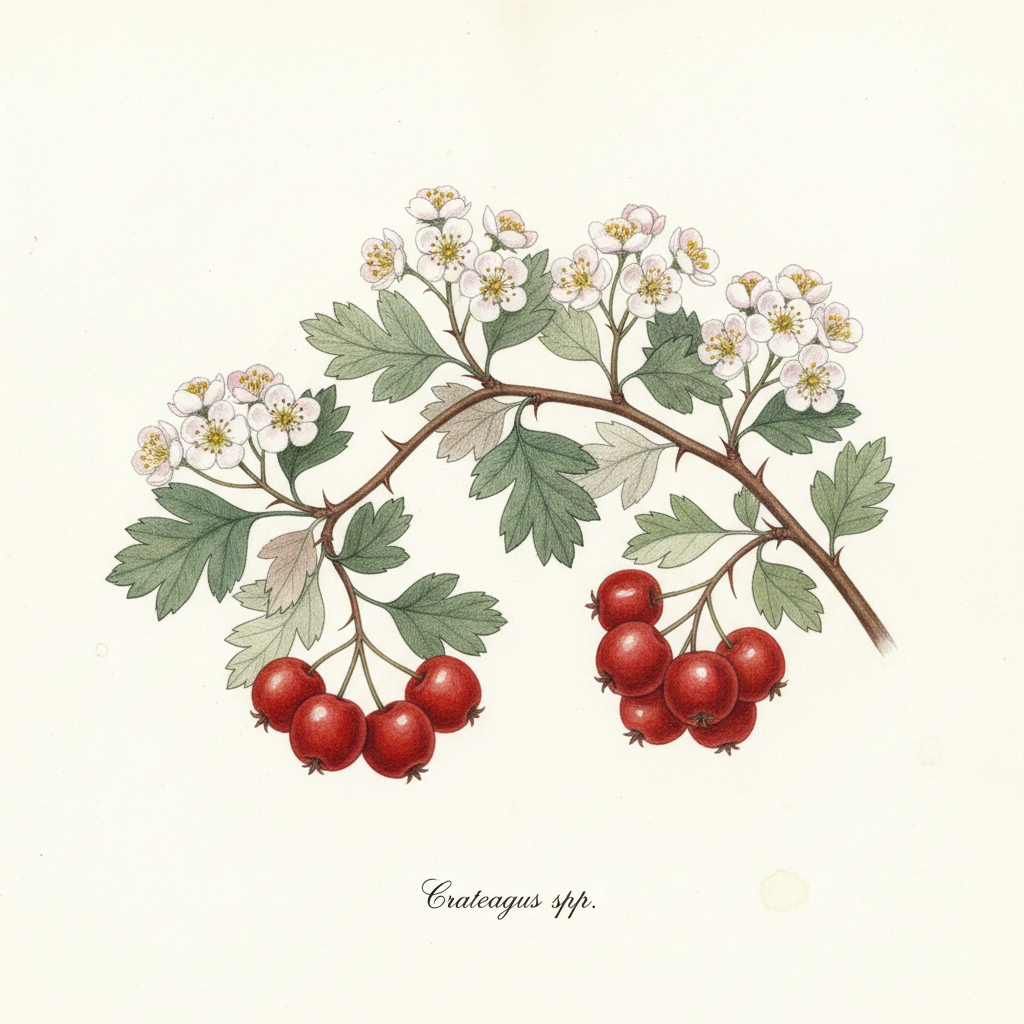
Hawthorn

Hawthorn

Crataegus spp

Cardiovascular Health
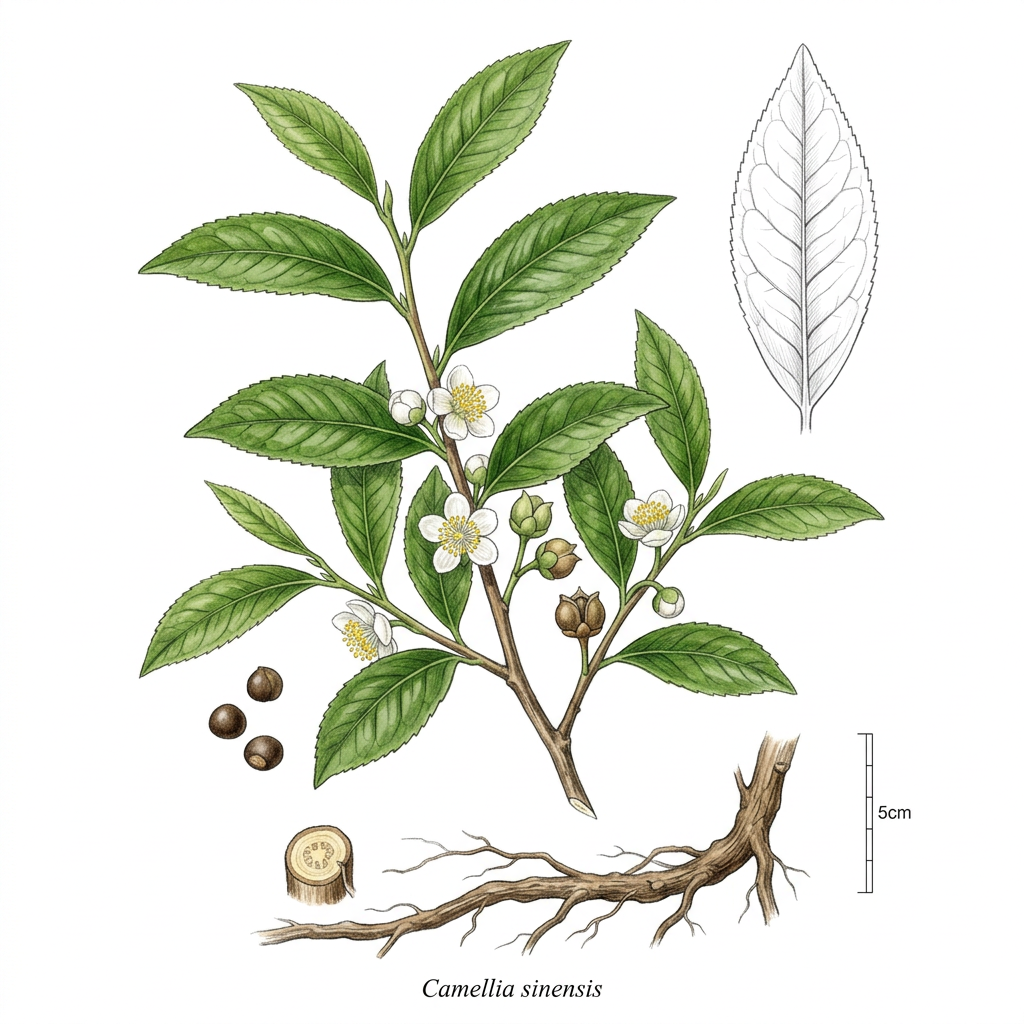
Green Tea

Green Tea

Camellia sinensis

Hypertension
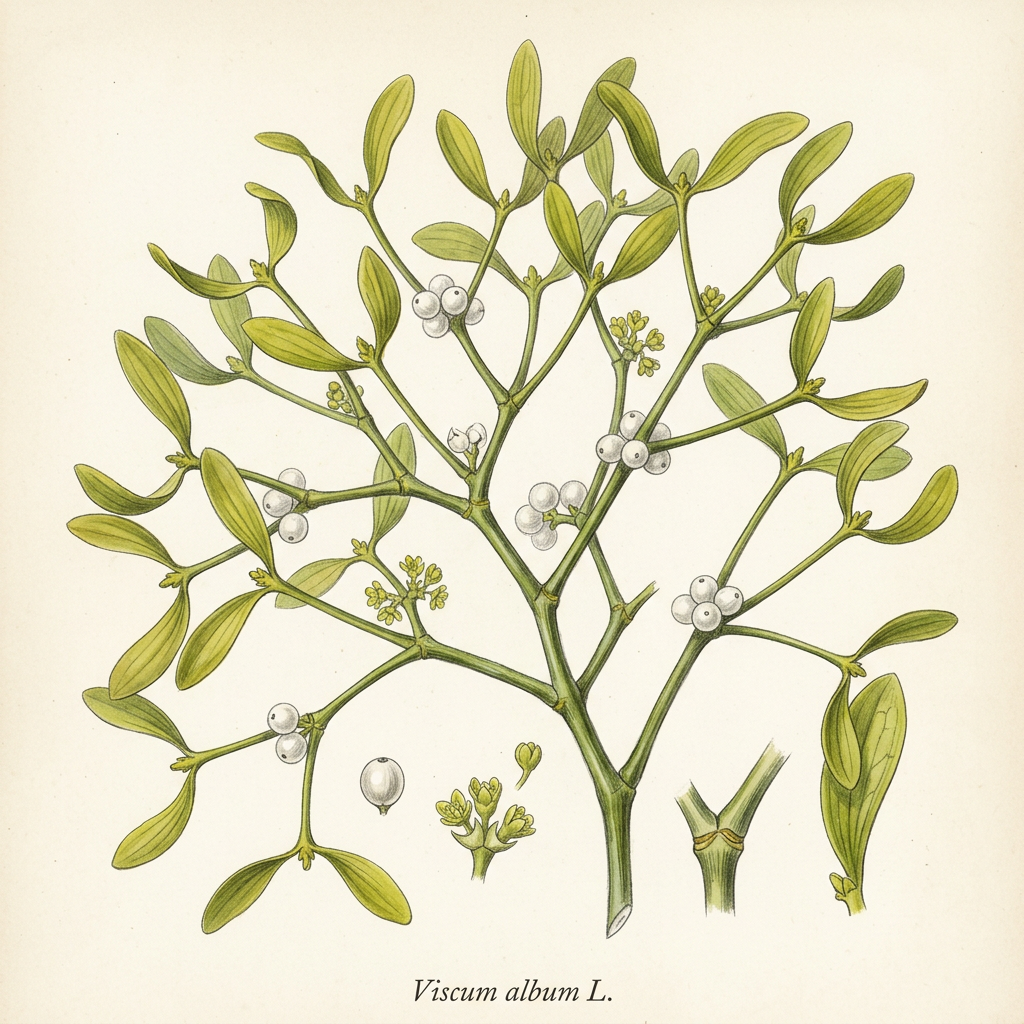
Mistletoe

Mistletoe

Viscum album

Immune Support
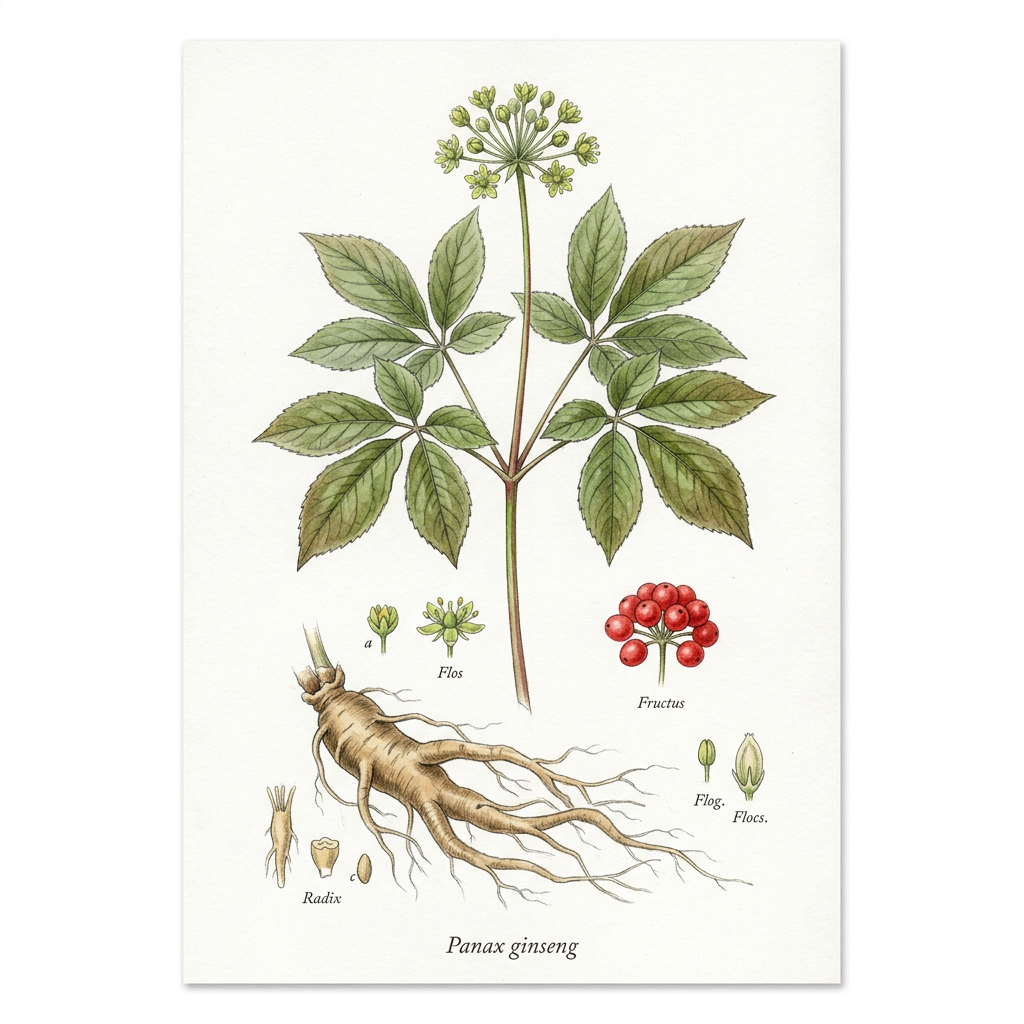
Panax ginseng

Panax ginseng

Panax ginseng

Energy Booster