The Wild Sage logo
The Wild Sage Logo

Herbal Medicine at your fingertips

Comprehensive database of herbal remedies with detailed safety information and traditional uses

New to herbal terms? Read the glossary →
ADHD
Abcess
Acid Reflux Relief
Acinetobacter
Acne
Acne Vulgaris
Addisons
Adenomyosis
Adenovirus
Adrenal fatigue
Aging
Aids
Alcaligenes faecalis
Alcoholism
Allergic Rhinitis
Allergies
Allergy
Alopoecia
Alopoecia nervosa
Alzheimer's, Dementia & Cognitive Decline
420 herbs found
Important: This information is for educational purposes only. Always consult with qualified healthcare professionals before using herbal remedies, especially if you have existing health conditions or take medications.
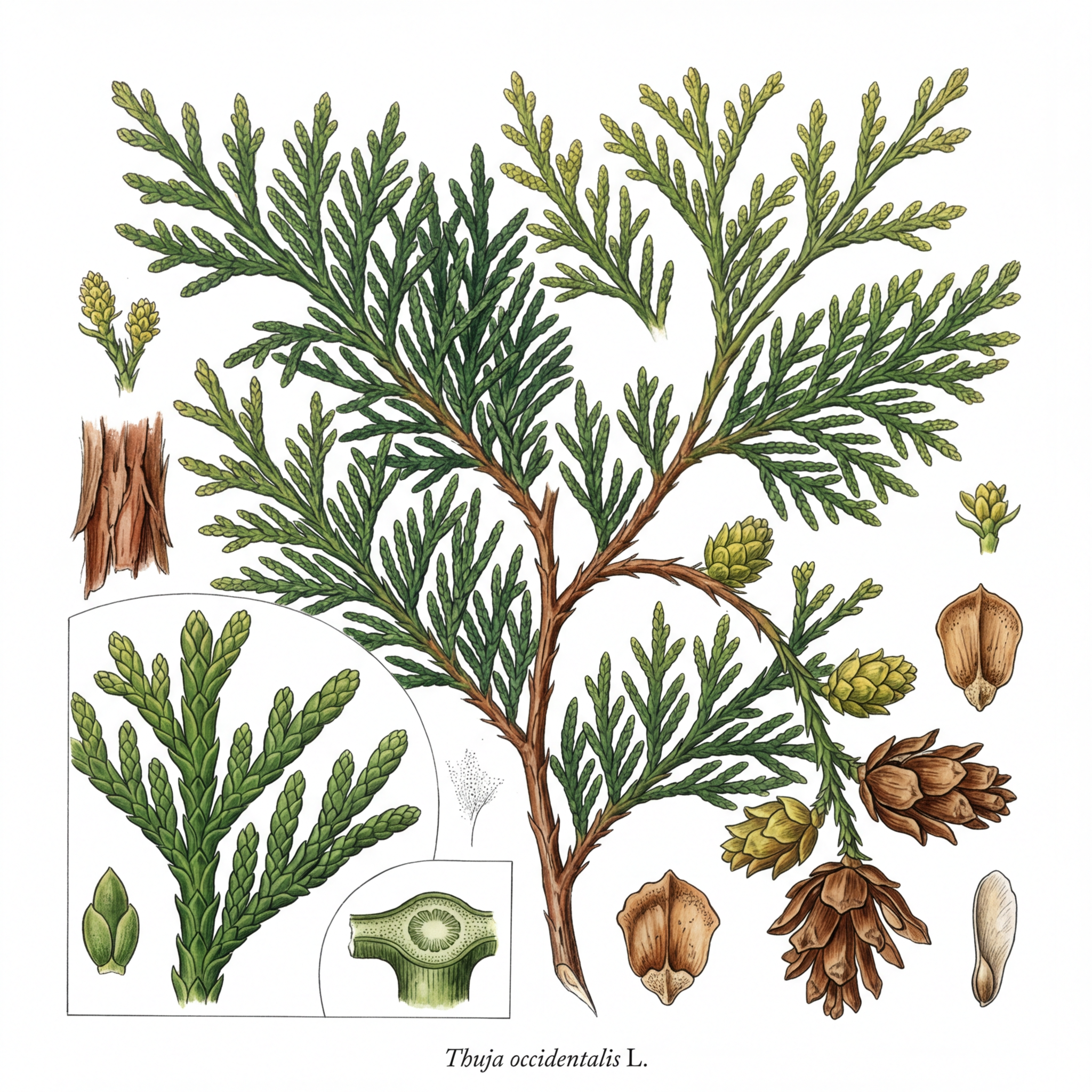
Thuja

Thuja

Thuja occidentalis

high risk Risk
Cupressaceae
Thuja is known for its protective qualities and promotes emotional balance.
<p>Thuja occidentalis, commonly known as Eastern Arborvitae or Northern White Cedar, is a coniferous tree native to the northeastern United States and Canada. Revered historically by Indigenous peoples, thuja has long been utilized for both its medicinal and ornamental properties. Traditional applications include the use of its leafy branches in steam baths and poultices for respiratory ailments, as well as the internal use of its essential oils for various infections. Renowned for its potential to support physical and immune health, thuja has a storied history as a versatile herb in folk medicine practices. **Key Therapeutic Properties**: Thuja is celebrated for its broad-spectrum antiviral properties, particularly in the topical treatment of warts and other skin lesions, where its sap and essential oils are applied to promote healing and reduce viral load. Beyond its dermatological applications, thuja is also recognized for its immune-supporting properties, which aid in bolstering the body's defenses against infections. The herb possesses anti-inflammatory characteristics, making it valuable for treating respiratory conditions, as its expectorant action can assist in alleviating congestion and promoting clearer airways. **Mechanism of Action**: The therapeutic benefits of thuja are attributed to its rich phytochemical profile, which includes essential oils, flavonoids, and phenolic compounds. These constituents exhibit immunomodulatory effects, stimulating the activity of immune cells and enhancing the body's ability to combat viral infections. Topically, thuja's compounds work by penetrating the skin's layers, initiating a local immune response that can effectively target wart-induced viruses. When ingested, thuja influences the respiratory system by dilating the airways and promoting mucus clearance, thereby providing relief from bronchial irritation and congestion. Through these multifaceted actions, Thuja occidentalis stands as a remarkable herb, bridging traditional wisdom with contemporary herbal practices in supporting overall health and viral resilience.</p>

Uses & Conditions

Immune Support
Respiratory Support
Warts
Breast Growths
Testicular Growths
Arthritis
Low Mood
Fungal Infections
Amenorrhoea
Bronchitis
Cervical Dysplasia
Colds
Sinusitis
Psoriasis
Cystitis
Benign Prostatic Hyperplasia
Vaccine Reaction
HPV

Actions

Antiviral
Antifungal
Anti-cancer
Calming
NFkB Inhibitor
Antimicrobial
TNF-a Reduction

Synonyms

Arbor Vitae
Tree of life
American Arbor Vitae
Western Arbor Vitae
White Cedar
Eastern White Cedar
Northern White Cedar
False White Cedar

Parts Used

leaf

Native Countries

North America

USDA Hardiness Zones

USDA3-10

Contraindications

  • Pregnancy due to abortifacient and uterine stimulant properties
  • Breastfeeding due to lack of safety data regarding thujone excretion
  • History of epilepsy or seizure disorders
  • Severe liver disease
  • Long-term continuous use

Potential Side Effects

  • Convulsions
  • Neurotoxicity

Interactions

  • Immunosuppressant drugs such as ciclosporin or corticosteroids
  • Hepatotoxic drugs
  • Seizure-threshold lowering medications

Dosages, tincture ratios & research — members only

Unlock Garreth's dosing guidance, tincture ratios, the dosage calculator and the research studies for Thuja.

Your assessment and results stay saved — upgrading only unlocks more of them.

See membership plans

Community Photos

No community photos yet. Sign in to upload photos.

Reviews & Ratings

Sign in to leave a review.

No reviews yet. Be the first!

GF

Garreth Falls — B.Th., Dip. H.M., MNIMH

Content curated and reviewed by Garreth Falls, Consultant Medical Herbalist · The Wild Sage

Medical Disclaimer: This information is for educational purposes only and is not intended as medical advice. Always consult with qualified healthcare professionals before starting any herbal treatment.
Western tradition

Sustainability & quality

Abundant

Widely grown as an ornamental. Ensure botanical accuracy as non-medicinal Thuja species are common.

Key constituents

Aromatic compounds, Anti-inflammatory, Volatile Oils, Thujone, Borneol, Camphor

References

  1. British Herbal Pharmacopoeia 1983
  2. Herbal Reality. Herb monographs. herbalreality.com

Reviewed by Garreth, Medical Herbalist (MNIMH) · November 2026

Related conditions

Explore conditions where Thuja is traditionally used.

Related Herbs
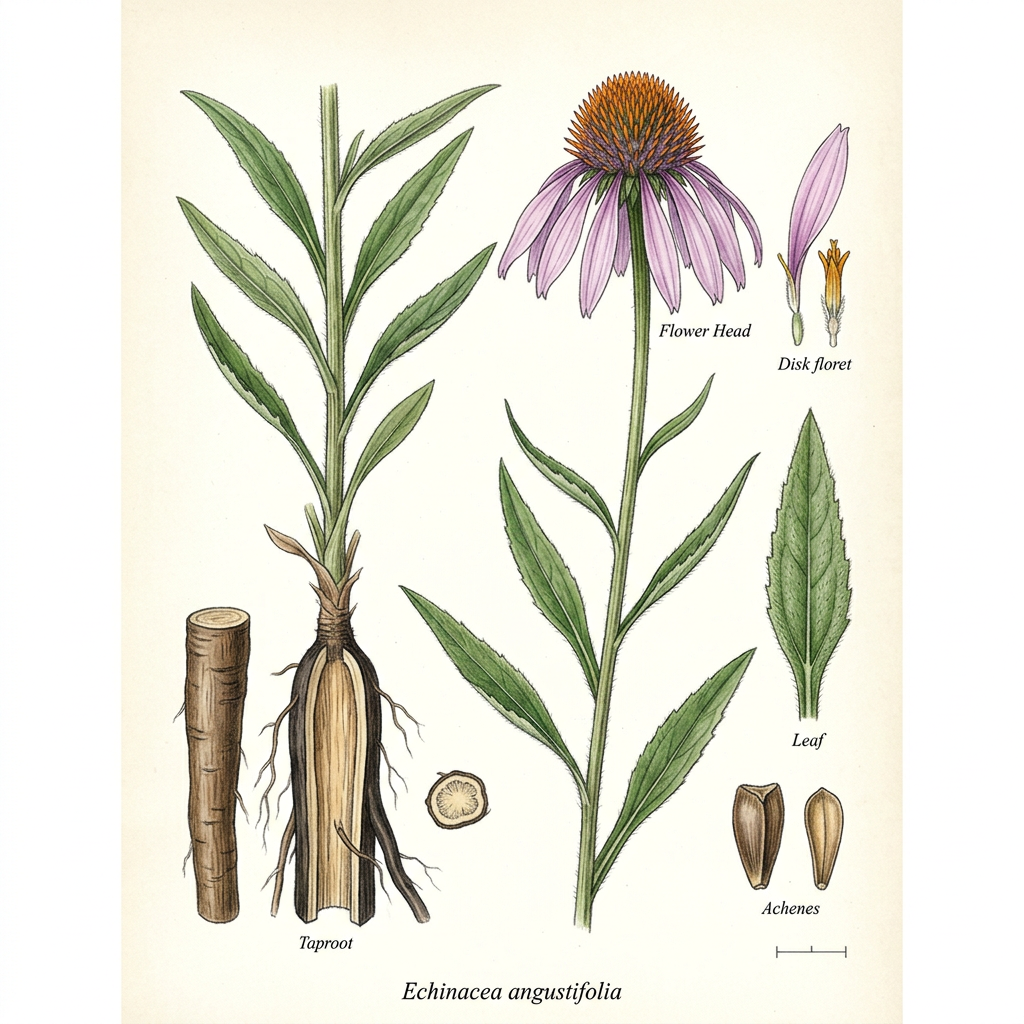
Echinacea angustifolia

Echinacea angustifolia
Echinacea angustifolia

Immune System Support
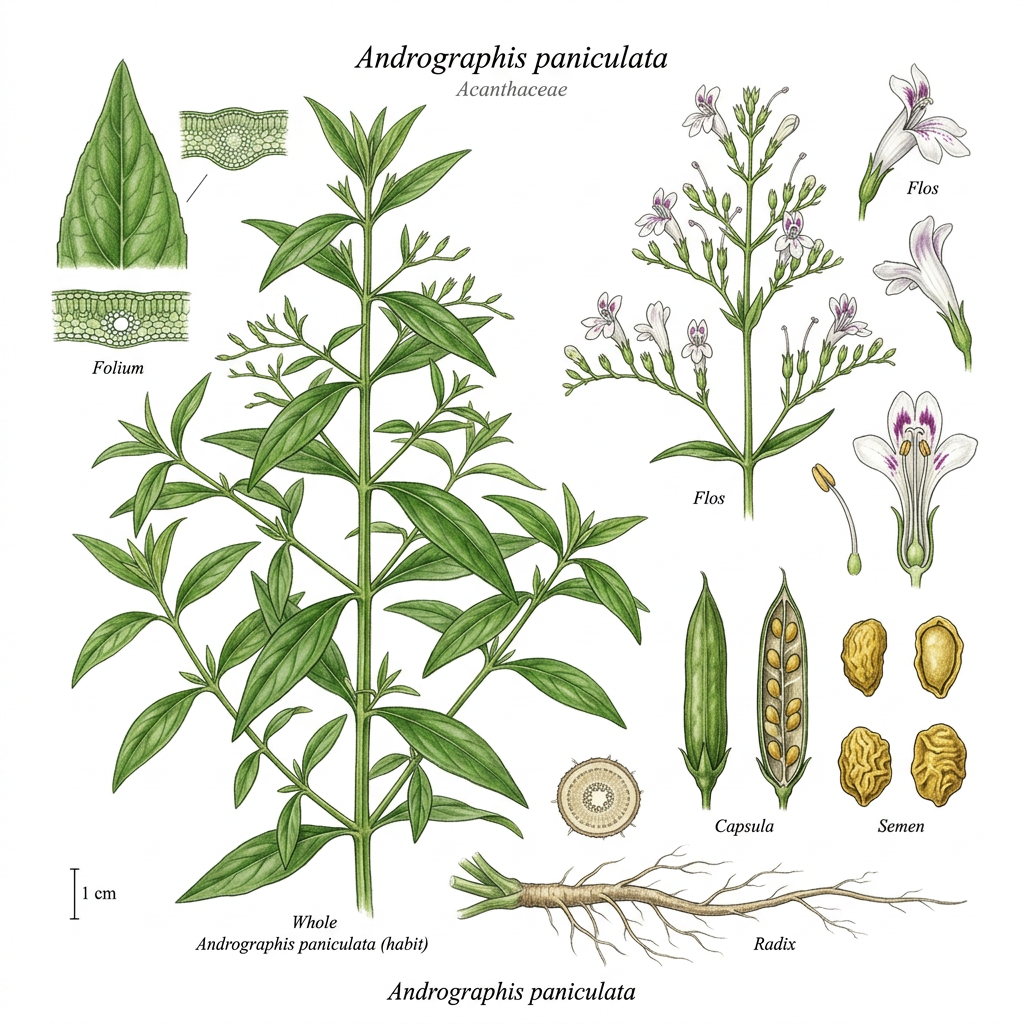
Andrographis

Andrographis

Andrographis paniculata

Immune Support
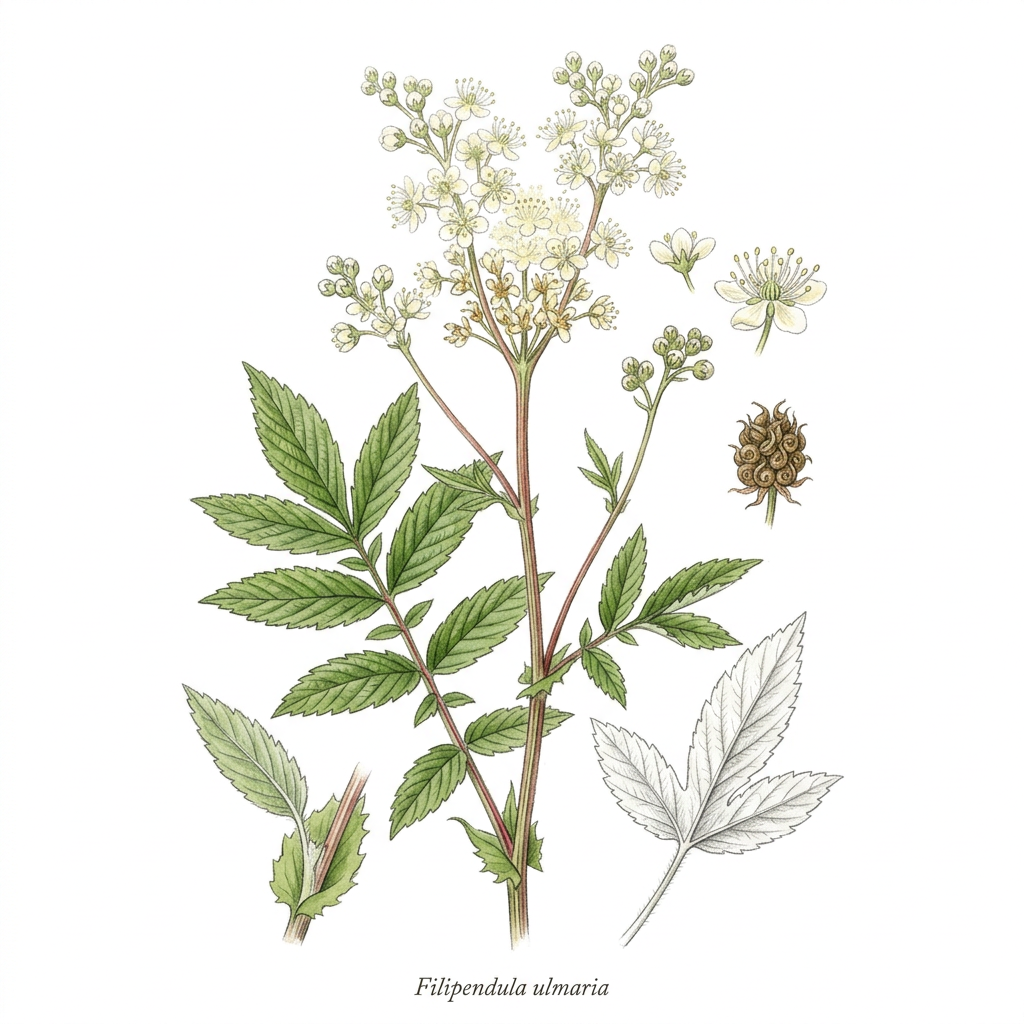
Filipendula ulmaria

Filipendula ulmaria
Filipendula ulmaria

Immune Support
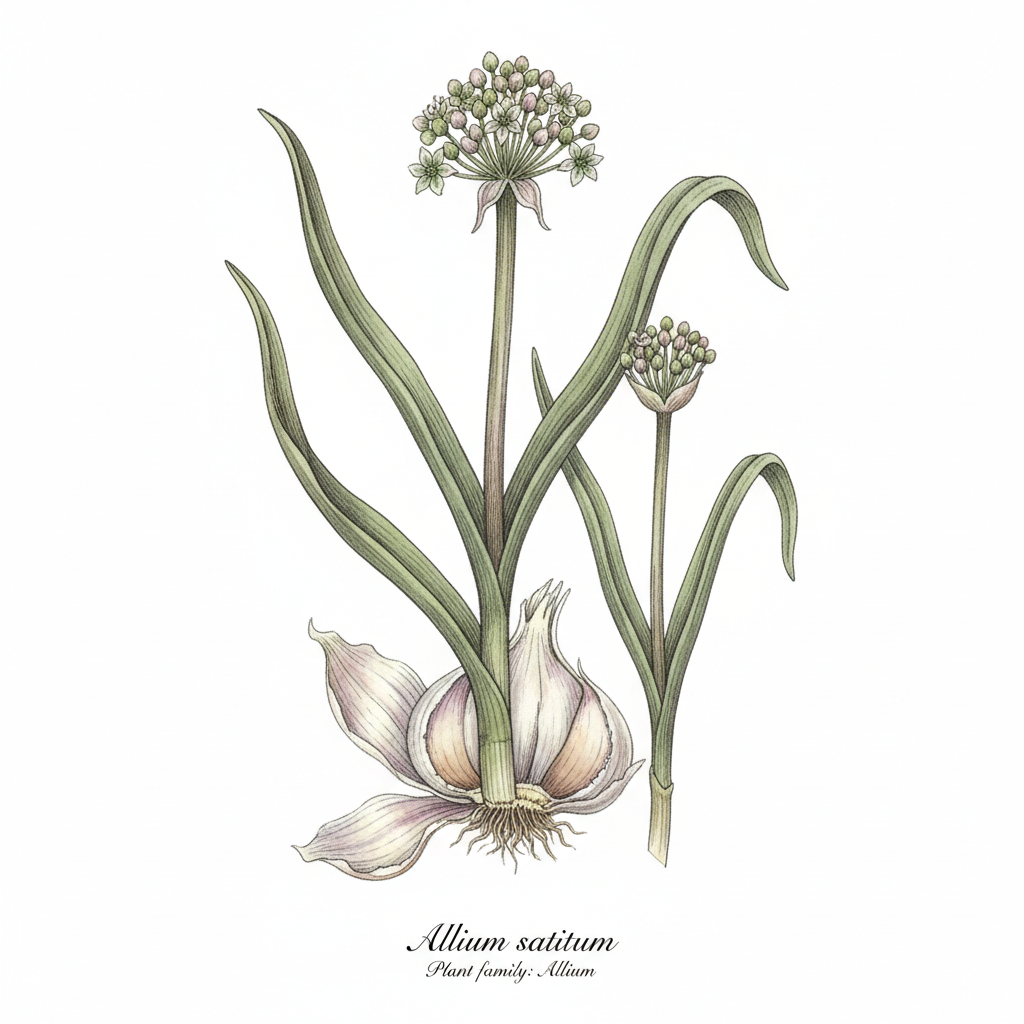
Garlic

Garlic

Allium sativum

Immune Support