

Herbal Medicine at your fingertips
Comprehensive database of herbal remedies with detailed safety information and traditional uses
New to herbal terms? Read the glossary →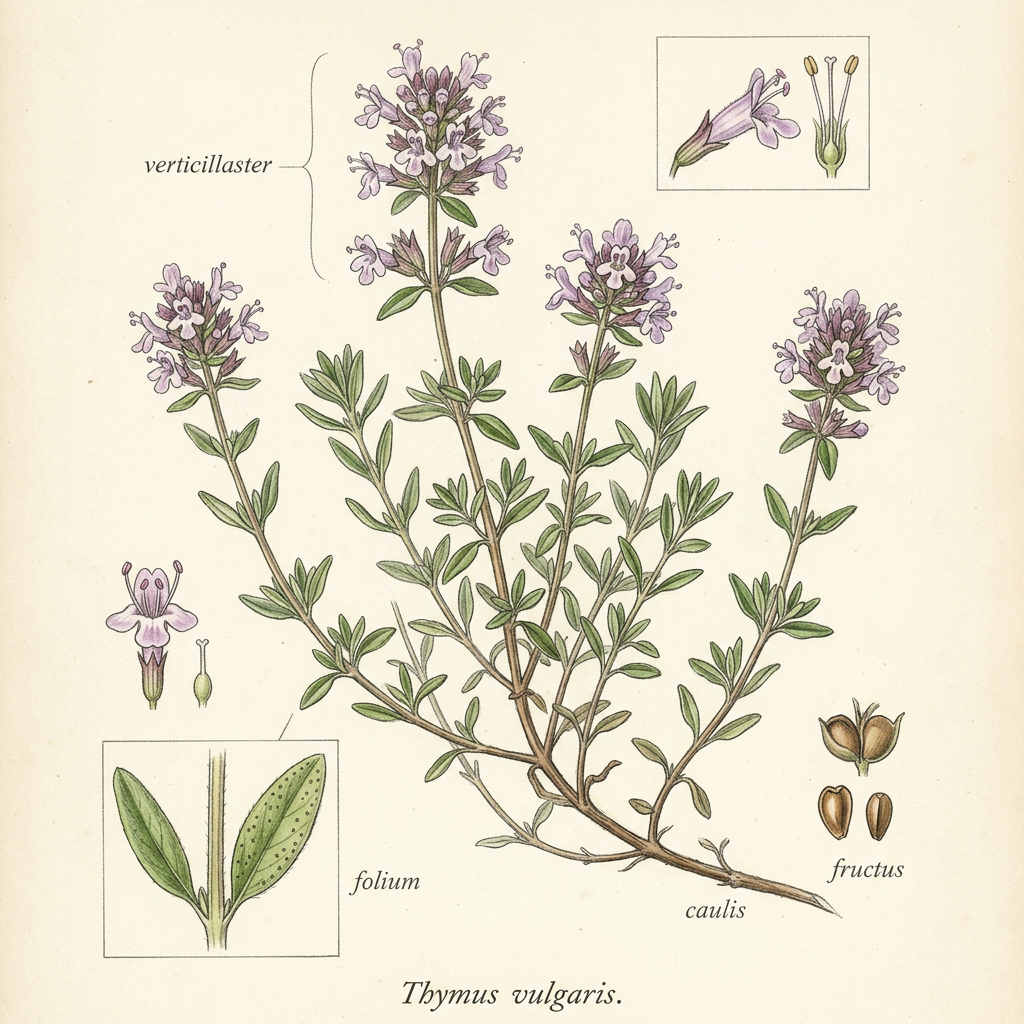
Thyme
Thymus vulgaris
Uses & Conditions
Actions
Synonyms
Parts Used
Native Countries
USDA Hardiness Zones
Preparations & Dosage
- Infusion: 1-2 g of dried herb in 150 ml of hot water, 3-4 times daily
- Tincture: 1:5, 70% ethanol, 2-6 ml three times daily
- Essential Oil: 0.2-0.25 ml, 3-5 times daily (oral); up to 10% concentration (topical)
Maximum weekly dose: 40 ml
Contraindications
- Avoid in large doses during pregnancy
- Avoid essential oil during pregnancy due to potential uterine stimulation
- Caution for individuals with epilepsy due to potential nervous system stimulation
- Do not use essential oil if suffering from hypertension
Potential Side Effects
- Ingestion of excessive essential oil may cause nausea
- vomiting or dizziness
- Topical application of undiluted essential oil can cause contact dermatitis or skin irritation
- Occasional mild gastrointestinal upset with high therapeutic doses
Interactions
- Anticoagulant or antiplatelet medications: use caution as the herb may theoretically influence blood clotting times
- Iron supplements: tannins may interfere with absorption if taken concurrently
- Antihypertensive medication: exercise caution as volatile oils may affect blood pressure regulation
Dosage Calculator
Community Photos
No community photos yet. Sign in to upload photos.
Scientific Studies & Sources
Thyme Tea and Primary Dysmenorrhea Among Young Female Students
Efficacy and tolerability of a fluid extract combination of thyme herb and ivy leaves and matched placebo in adults suffering from acute bronchitis with productive cough. A prospective, double-blind, placebo-controlled clinical trial
Comparative effect of thymus vulgaris and ibuprofen on primary dysmenorrhea: A triple-blind clinical study
Reviews & Ratings
Sign in to leave a review.
No reviews yet. Be the first!
Garreth Falls — B.Th., Dip. H.M., MNIMH
Content curated and reviewed by Garreth Falls, Consultant Medical Herbalist · The Wild Sage
Sustainability & quality
AbundantWidely cultivated in Europe; prefer commercial crops to avoid misidentification. Good quality is determined by volatile oil content.
Key constituents
Carvacrol, Geraniol, Linalol, Acetate, Geraniol monoterpene, Thujanol, Thymol
References
- ESCOP Monographs 2nd ed. 2003
- EMA/HMPC Community Herbal Monograph
- British Herbal Pharmacopoeia 1983
- Herbal Reality. Herb monographs. herbalreality.com
Reviewed by Garreth, Medical Herbalist (MNIMH) · November 2026
Related conditions
Explore conditions where Thyme is traditionally used.
Related Herbs
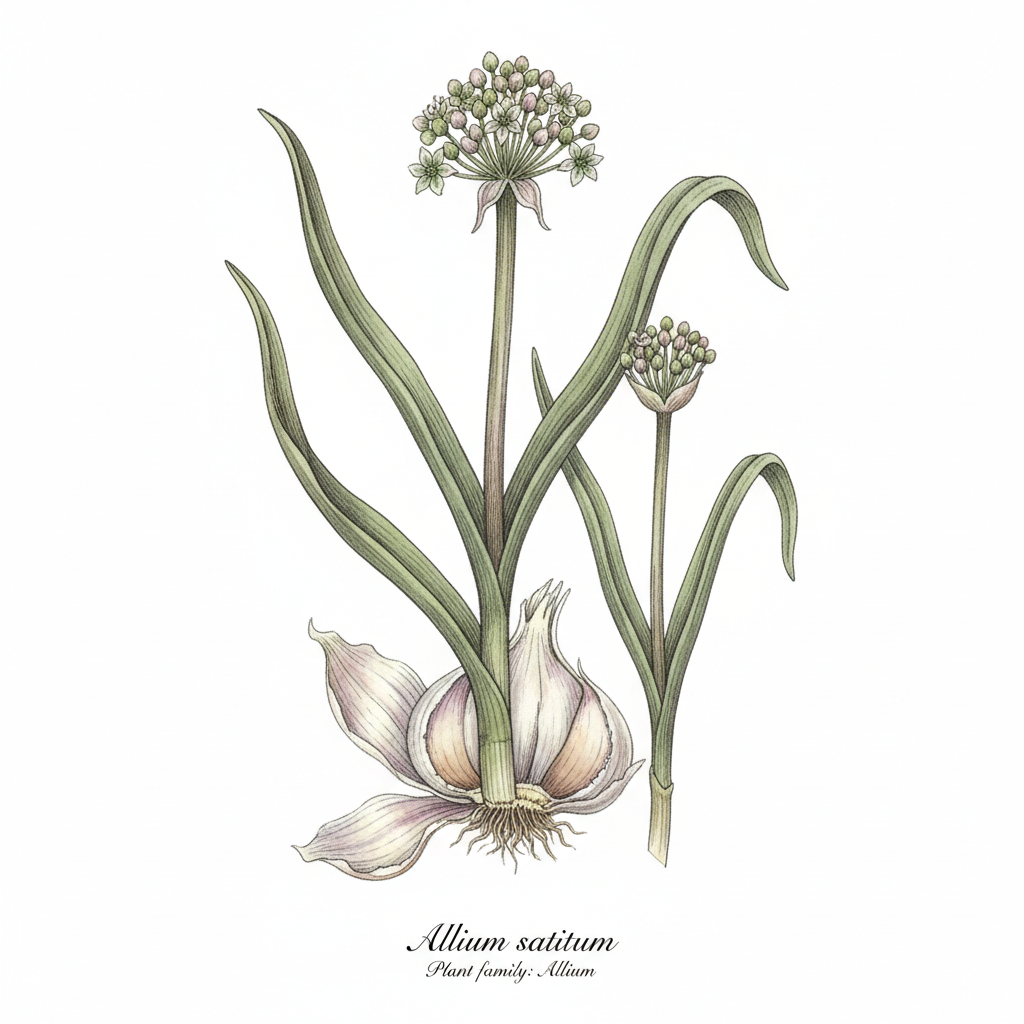
Garlic
Allium sativum
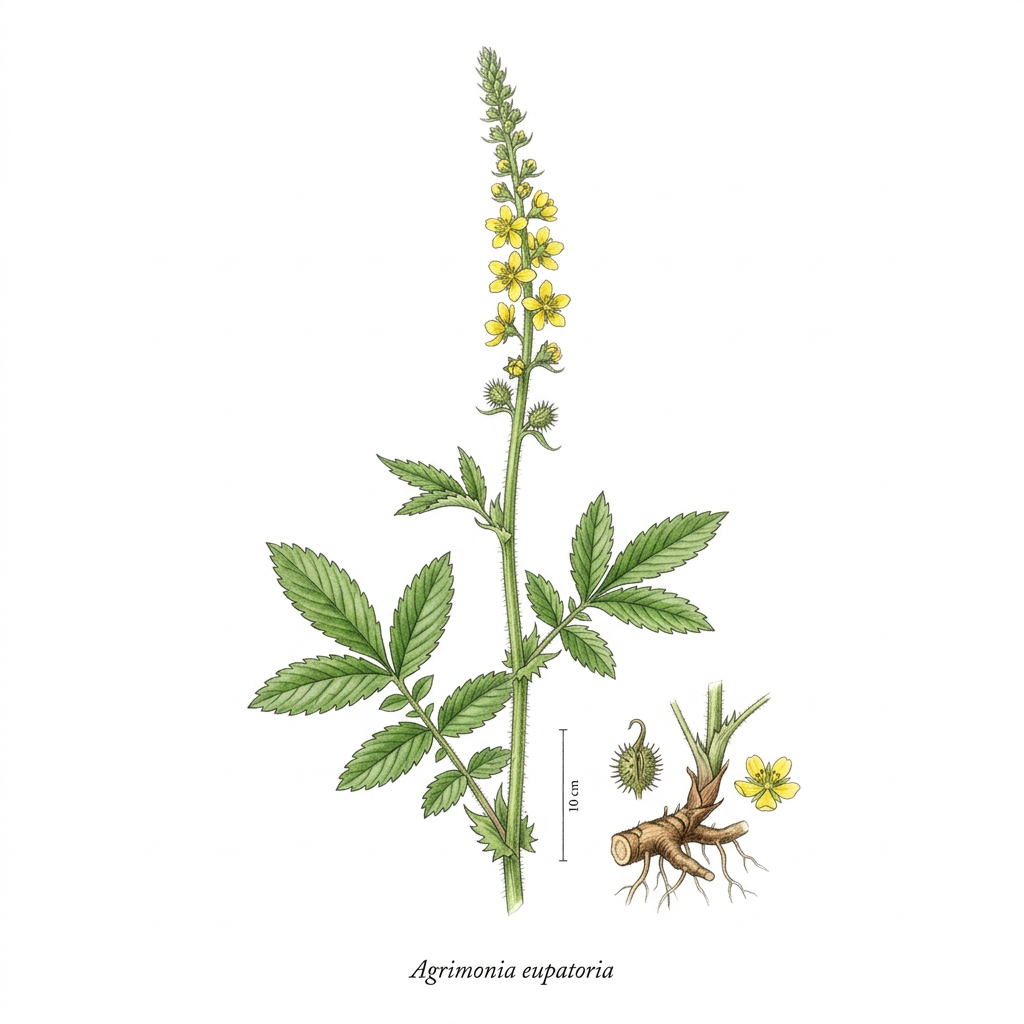
Agrimony
Agrimonia eupatoria
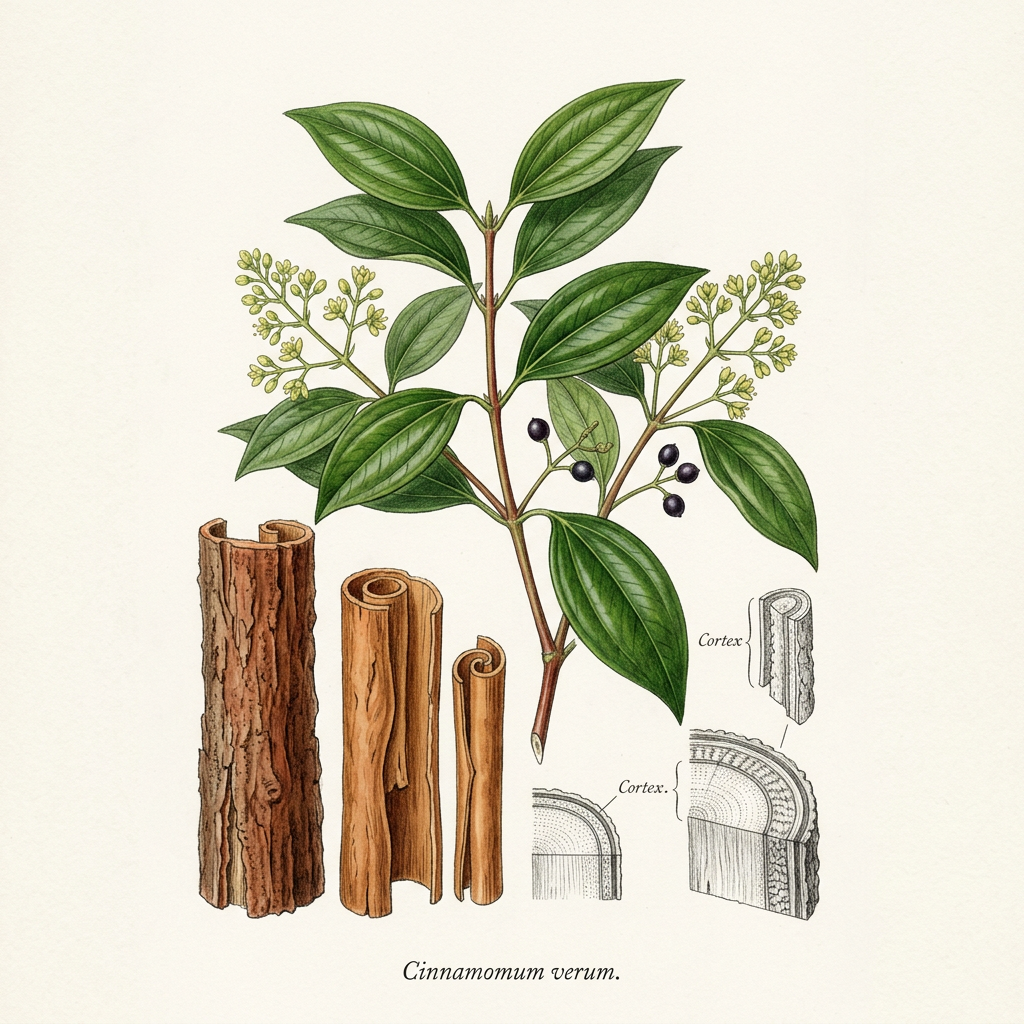
Cinnamomum verum
Cinnamomum verum
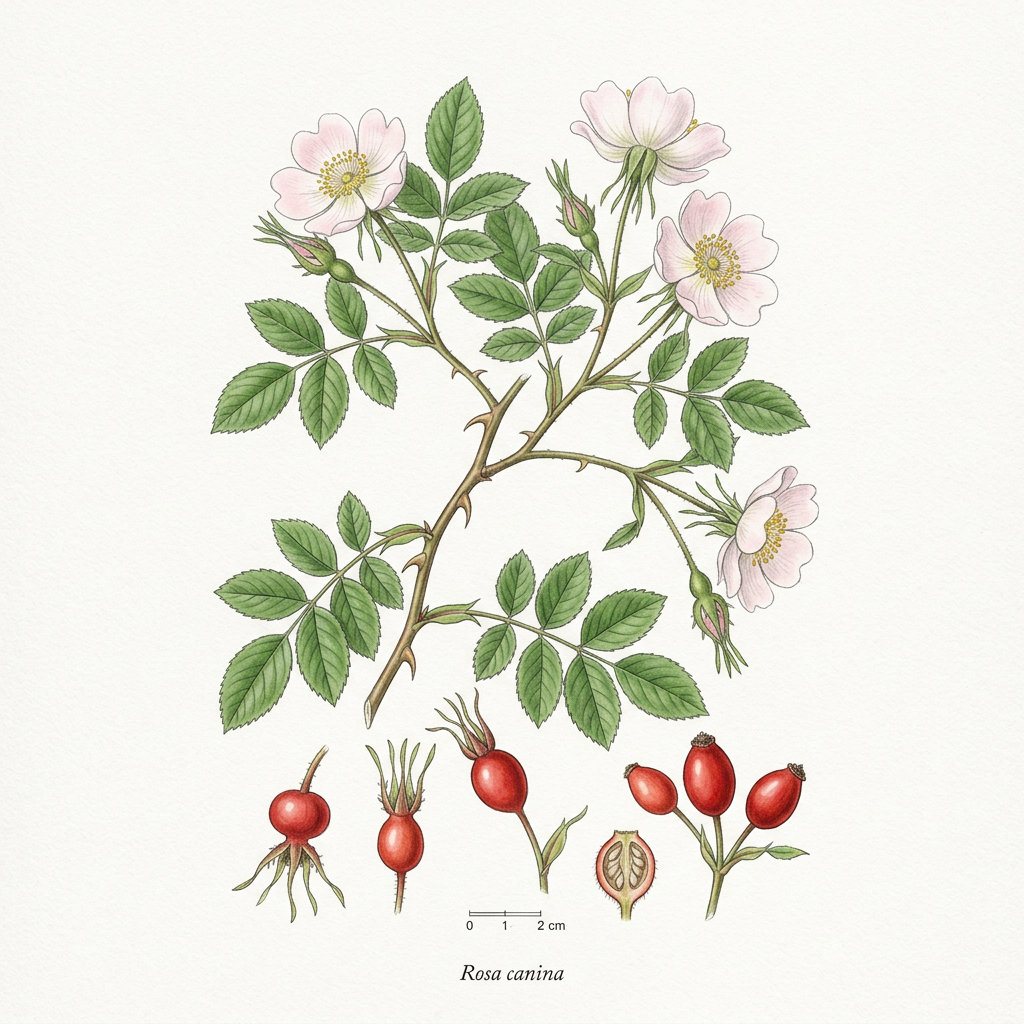
Dog rose
Rosa canina