The Wild Sage logo
The Wild Sage Logo

Herbal Medicine at your fingertips

Comprehensive database of herbal remedies with detailed safety information and traditional uses

New to herbal terms? Read the glossary →
ADHD
Abcess
Acid Reflux Relief
Acinetobacter
Acne
Acne Vulgaris
Addisons
Adenomyosis
Adenovirus
Adrenal fatigue
Aging
Aids
Alcaligenes faecalis
Alcoholism
Allergic Rhinitis
Allergies
Allergy
Alopoecia
Alopoecia nervosa
Alzheimer's, Dementia & Cognitive Decline
420 herbs found
Important: This information is for educational purposes only. Always consult with qualified healthcare professionals before using herbal remedies, especially if you have existing health conditions or take medications.
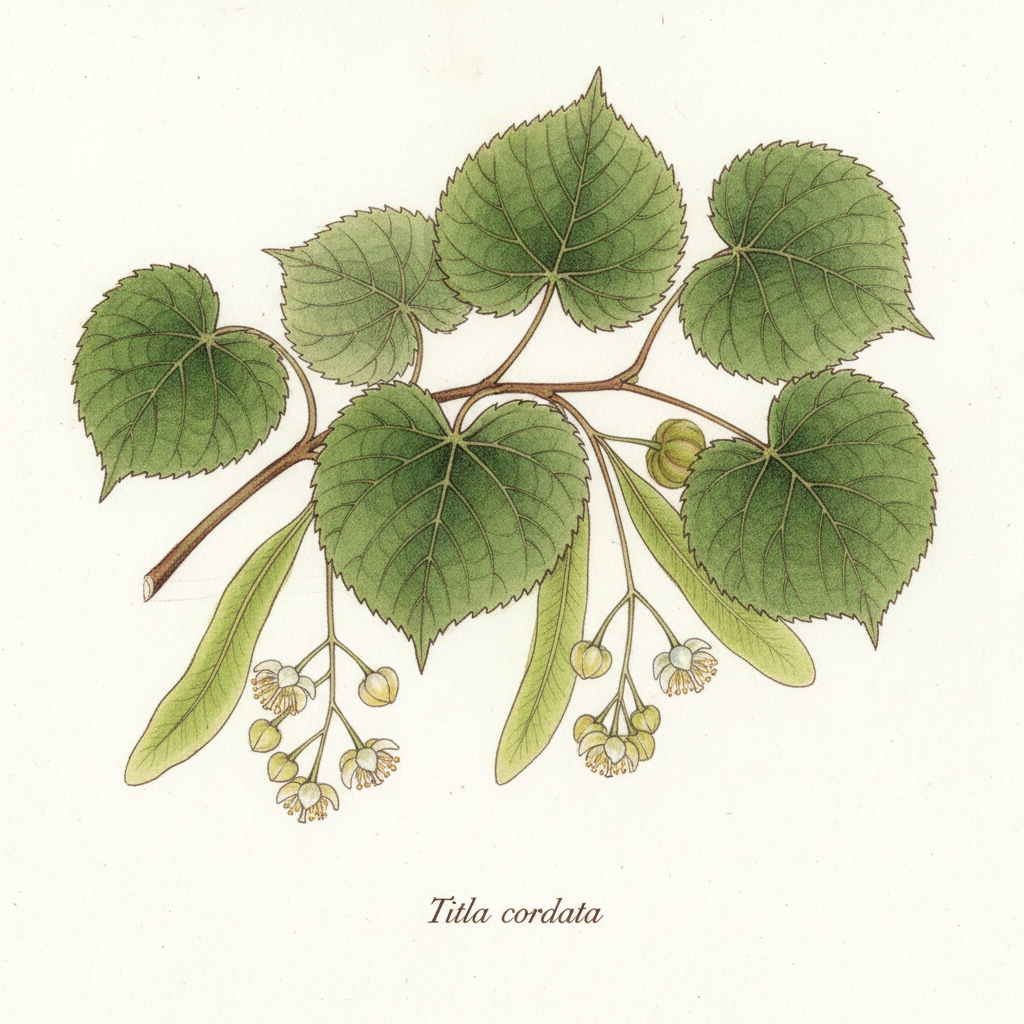
Tilia

Tilia

Tilia cordata

low risk Risk
Malvaceae
cooling, moist and sweet
<p>Tilia, commonly known as the European linden or lime tree, has been revered for centuries in traditional herbal medicine systems across Europe and beyond. Traditionally, the flowers and leaves of Tilia cordata have been utilized for their calming properties. Historical texts from ancient Greece to the Middle Ages describe the use of linden tea as a soothing remedy for both physical and emotional ailments, often employed to alleviate anxiety, promote restful sleep, and ease the symptoms of colds and fevers. The gentle yet effective nature of Tilia has made it a staple in herbal pharmacopoeias, cherished not only for its medicinal qualities but also for its sweetly fragrant blossoms and picturesque form, which grace gardens and landscapes throughout the temperate world. Tilia possesses a suite of therapeutic properties that makes it a valuable addition to herbal medicine. Its primary actions are anti-inflammatory, diuretic, and mildly sedative, which equip it to address a variety of common health concerns. The flowers of Tilia cordata are particularly noted for their ability to aid in respiratory conditions, acting as a gentle expectorant that helps to relieve coughs and bronchial irritation. Additionally, Tilia is known to support cardiovascular health by promoting healthy circulation and reducing high blood pressure, which further exemplifies its traditional use as a calming agent. The herb’s ability to facilitate relaxation can alleviate stress-related conditions and indirectly support the immune system, enhancing overall well-being. The mechanisms by which Tilia exerts its beneficial effects are multi-faceted. The flavonoids and other phytochemicals present in the flowers possess potent antioxidant and anti-inflammatory properties, which help mitigate oxidative stress in the body. By calming the nervous system, Tilia promotes a state of relaxation, which can lead to lower cortisol levels and improved mental clarity. Furthermore, its diuretic properties assist in flushing out excess fluids and toxins, supporting kidney function and overall detoxification. In sum, Tilia cordata stands as a testament to the wisdom of traditional herbal medicine, offering a gentle yet profound means of fostering health and tranquility in today’s fast-paced world.</p>

Uses & Conditions

Stress relief
Circulatory support
Detoxification
Immune support
Osteoarthritis
Anxiety
Insomnia
Hypertension
Type 2 Diabetes
Common Cold
Angina
Atherosclerosis
Cough
Respiratory conditions
Heart conditions
Bleeding disorders
Kidney function

Actions

Anti-inflammatory
Sedative
Anti-microbial
NFkB inhibitor
TNF-a reduction

Synonyms

Linden
Lime flower

Parts Used

Flowers
Leaves

Native Countries

Europe

USDA Hardiness Zones

USDA 3-9
USDA 4-10
USDA 5-10

Contraindications

  • Known hypersensitivity to Tilia species or members of the Malvaceae family
  • Use with caution during pregnancy and breastfeeding
  • Not recommended for individuals with severe cardiac conditions without professional supervision
  • Avoid self-prescribing if suffering from chronic oedema arising from heart or kidney failure

Potential Side Effects

  • Contact dermatitis
  • Mild drowsiness or lethargy
  • Minor gastrointestinal irritation

Interactions

  • Diuretic medications: may potentiate effect leading to increased fluid loss
  • Antihypertensive drugs: potential additive effect on blood pressure regulation
  • Lithium: diuretic activity may reduce renal clearance, increasing serum levels
  • Sedative or anxiolytic medications: may enhance sedative effects

Dosages, tincture ratios & research — members only

Unlock Garreth's dosing guidance, tincture ratios, the dosage calculator and the research studies for Tilia.

Your assessment and results stay saved — upgrading only unlocks more of them.

See membership plans

Community Photos

No community photos yet. Sign in to upload photos.

Reviews & Ratings

Sign in to leave a review.

No reviews yet. Be the first!

GF

Garreth Falls — B.Th., Dip. H.M., MNIMH

Content curated and reviewed by Garreth Falls, Consultant Medical Herbalist · The Wild Sage

Medical Disclaimer: This information is for educational purposes only and is not intended as medical advice. Always consult with qualified healthcare professionals before starting any herbal treatment.
Western tradition

Sustainability & quality

Abundant

Harvested from trees; ensure flowers are collected away from busy roads and pollution.

Key constituents

Flavonoids including quercetin, kaempferol and their glycosides, Mucilage polysaccharides, Volatile oils (farnesol), Phenolic acids such as caffeic and chlorogenic acid, Tannins, Amino acids

References

  1. ESCOP Monographs 2nd ed. 2003
  2. British Herbal Pharmacopoeia 1983
  3. Herbal Reality. Herb monographs. herbalreality.com

Reviewed by Garreth, Medical Herbalist (MNIMH) · November 2026

Related conditions

Explore conditions where Tilia is traditionally used.

Related Herbs
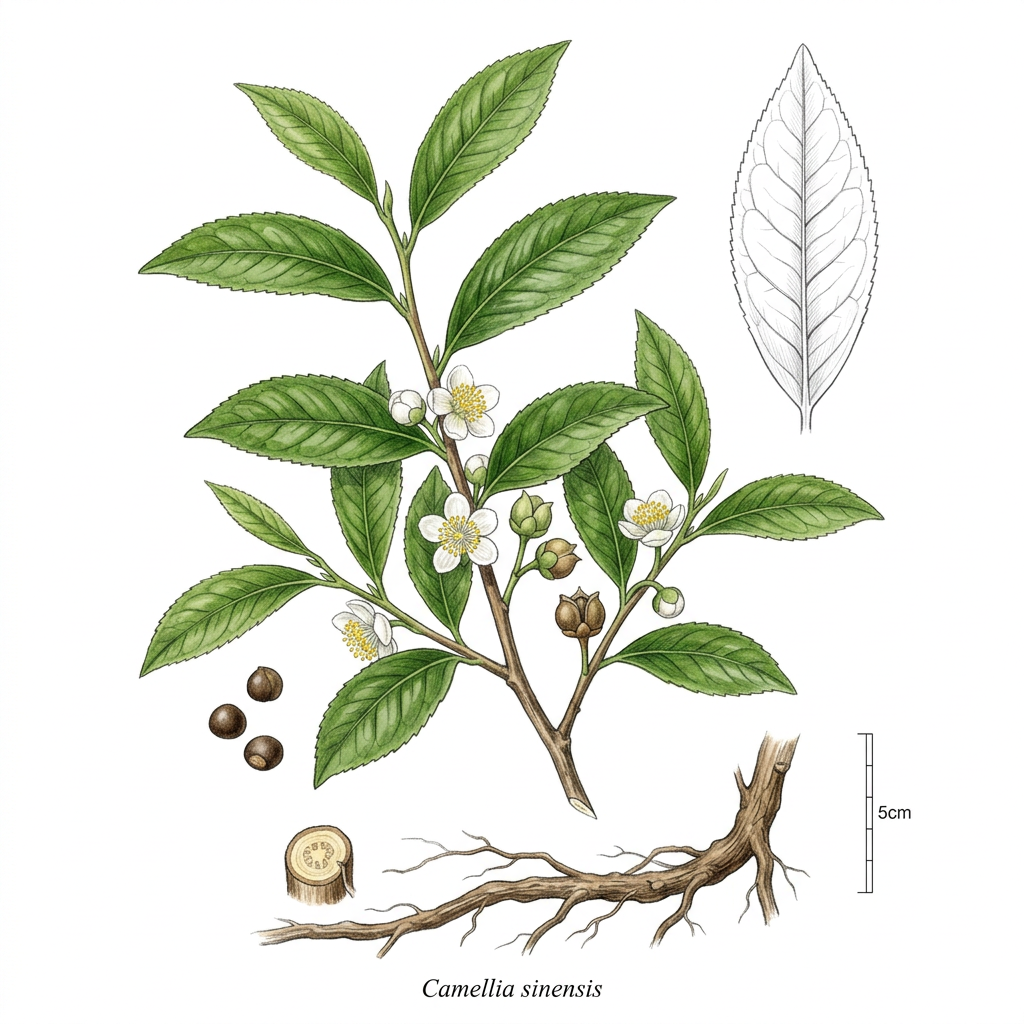
Green Tea

Green Tea

Camellia sinensis

Hypertension
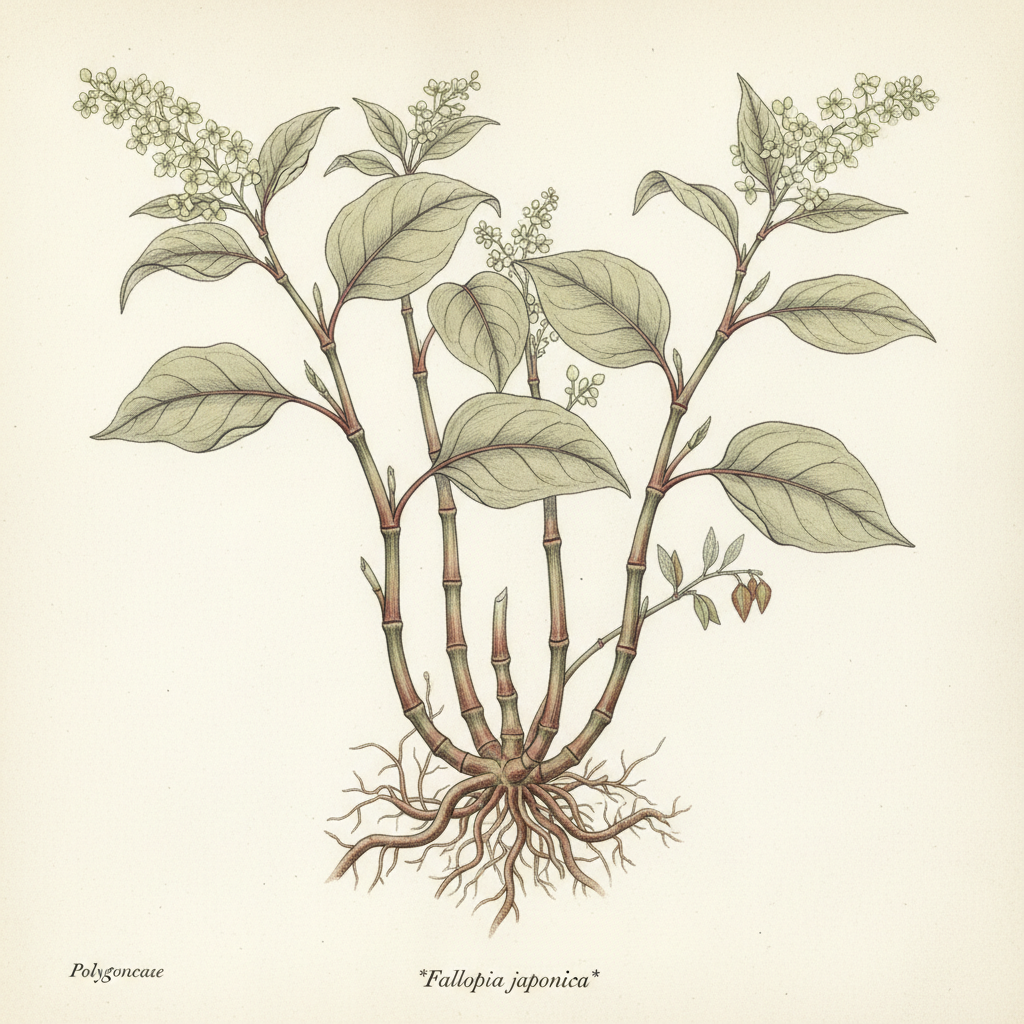
Japanese Knotweed

Japanese Knotweed

Fallopia japonica

Immune Support
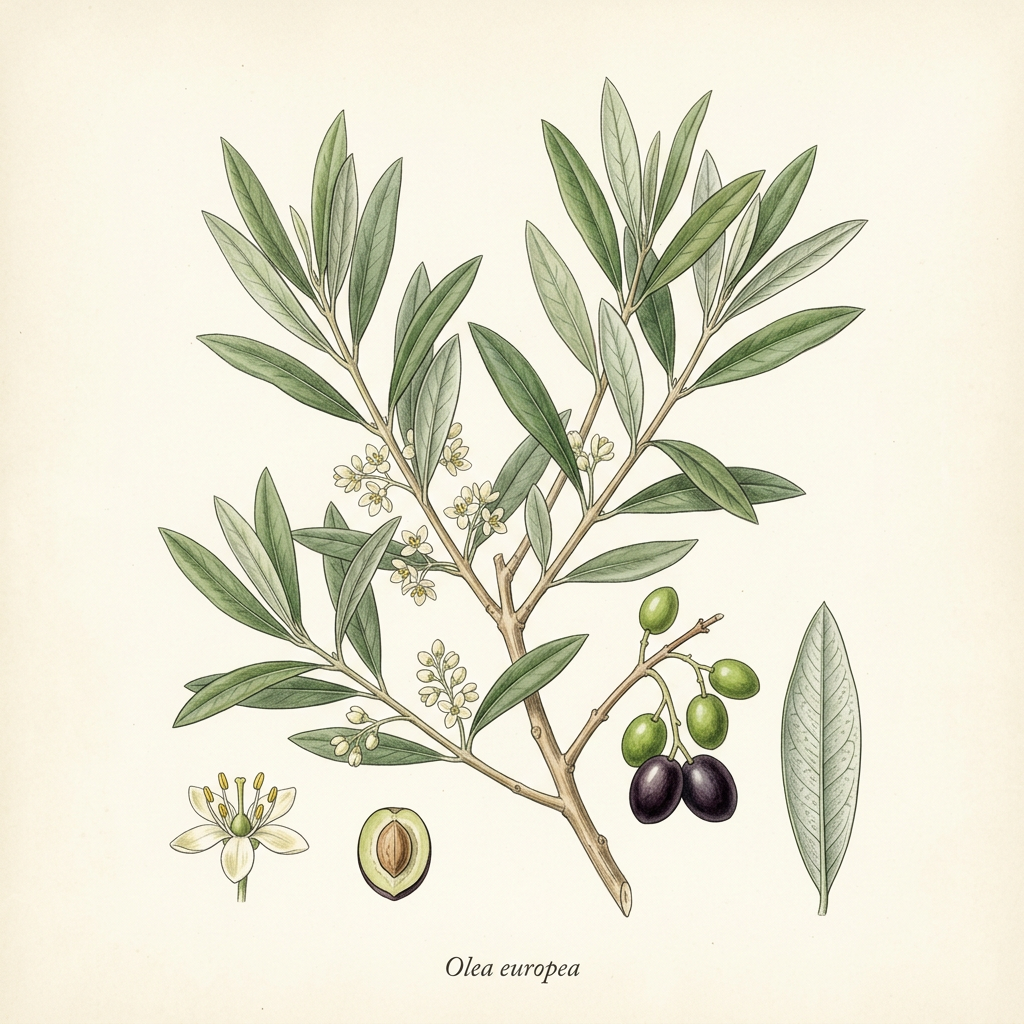
Olive Leaf

Olive Leaf

Olea europaea

Immune Support
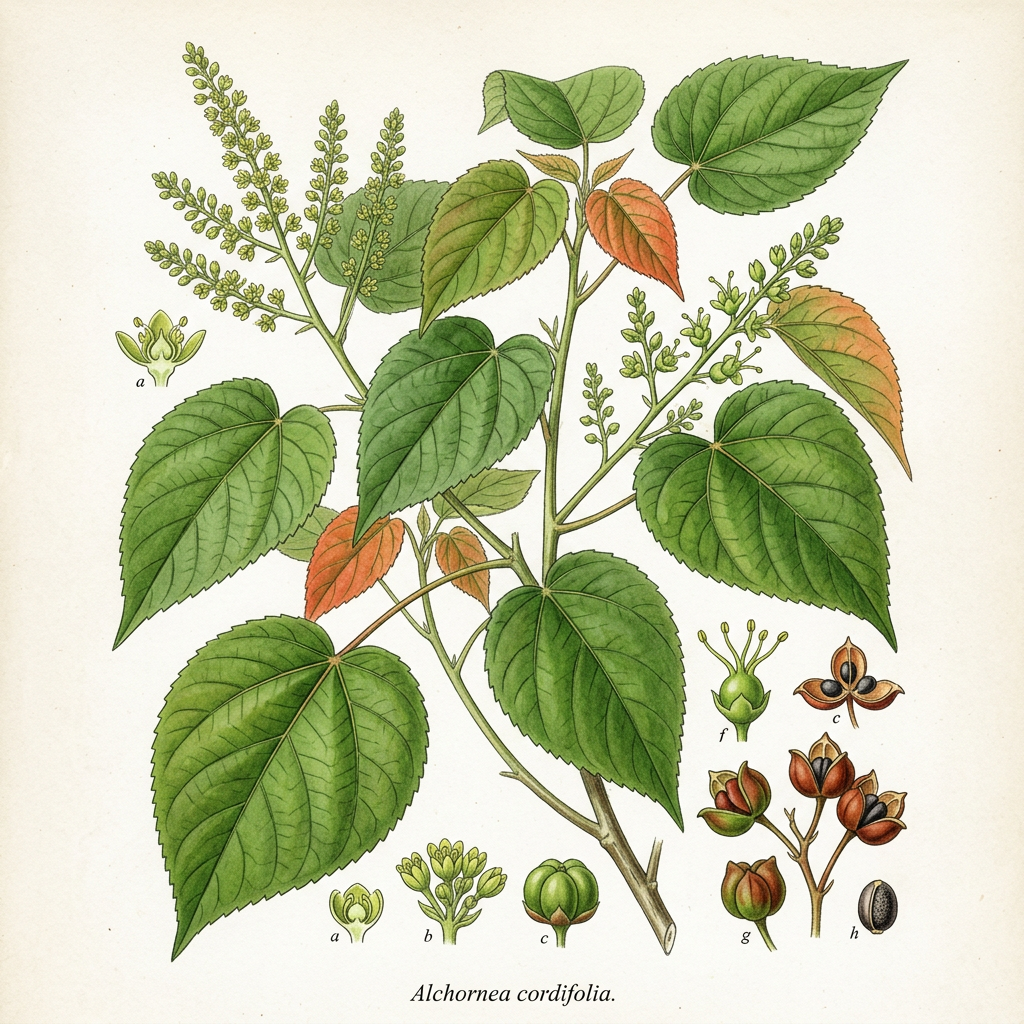
Christmas Bush

Christmas Bush

Alchornea cordifolia

Cardiovascular Support