The Wild Sage logo
The Wild Sage Logo

Herbal Medicine at your fingertips

Comprehensive database of herbal remedies with detailed safety information and traditional uses

New to herbal terms? Read the glossary →
ADHD
Abcess
Acid Reflux Relief
Acinetobacter
Acne
Acne Vulgaris
Addisons
Adenomyosis
Adenovirus
Adrenal fatigue
Aging
Aids
Alcaligenes faecalis
Alcoholism
Allergic Rhinitis
Allergies
Allergy
Alopoecia
Alopoecia nervosa
Alzheimer's, Dementia & Cognitive Decline
420 herbs found
Important: This information is for educational purposes only. Always consult with qualified healthcare professionals before using herbal remedies, especially if you have existing health conditions or take medications.
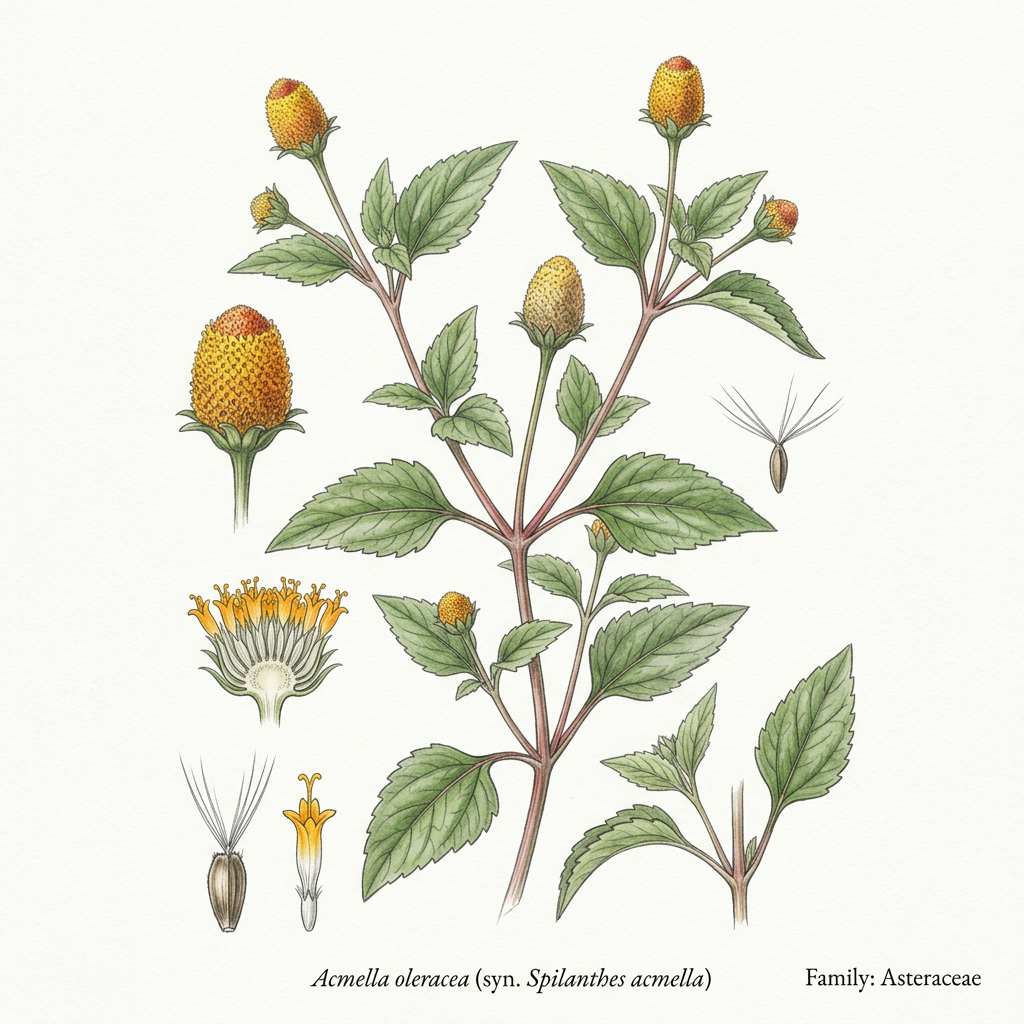
Toothache plant

Toothache plant

Spilanthes acmella

low risk Risk
Asteraceae
Bitter and slightly warming, effective for dispersing localized pain and inflammation.
<p>**Spilanthes acmella**, commonly known as the toothache plant or buzzing herb, is a remarkable member of the Asteraceae family, native to tropical regions of the Americas and parts of Africa and Asia. Historically, this herb has been utilized in traditional medicine systems for its potent analgesic properties, particularly in addressing oral pain and various inflammatory conditions. Indigenous cultures have long prized Spilanthes for its unique ability to induce a tingling sensation in the mouth, providing immediate feedback on its therapeutic effects. This feature has made it a popular choice for natural remedies aimed at alleviating toothaches and minor oral discomfort, resonating through generations as a go-to for dental health. The primary therapeutic benefits of Spilanthes acmella can be attributed to its active compound, spilanthol, which has been extensively studied for its analgesic and anti-inflammatory effects. Research supports its efficacy in significantly reducing acute pain severity, as evidenced by robust patient-reported outcomes measured through visual analog scales. Standard preparations, such as tinctures and extracts, are commonly utilized, with typical dosages ranging from 200-600 mg, depending on the nature of the pain being treated. In addition to oral pain relief, users have historically reported anecdotal success in managing broader pain conditions, credited to Spilanthes' traditional application in herbal teas, although empirical data on those uses remain largely qualitative. Mechanistically, Spilanthes acmella exerts its effects through modulation of the body's pain signaling pathways. The spilanthol compound engages with sensory receptors that mediate pain perception, effectively diminishing the body’s responsiveness to pain stimuli. Additionally, its anti-inflammatory action contributes to reducing swelling and irritation, particularly within the oral cavity. The herb's safety profile is generally favorable, although individuals with allergies to members of the Asteraceae family are advised to exercise caution. As a holistic remedy, Spilanthes acmella not only provides targeted relief but also embodies the wisdom of traditional botanical knowledge harmonizing with contemporary understandings of herbal pharmacology.</p>

Uses & Conditions

Dental Health Support
Toothache
Oral Pain
Headache
Oral Irritation

Actions

Anti-inflammatory
Analgesic

Parts Used

Flower heads
Leaves
Whole aerial parts

Native Countries

Brazil
Argentina
India
Africa
Thailand

USDA Hardiness Zones

9
10
11

Contraindications

  • Pregnancy
  • Breastfeeding
  • Known allergy to the Asteraceae family
  • Pre-surgery
  • Active gastric ulcers

Potential Side Effects

  • Intense tingling or numbing sensation of the tongue and oral mucosa
  • Increased salivation
  • Mild gastrointestinal irritation
  • Allergic contact dermatitis

Interactions

  • Diuretics
  • Hypotensive medications
  • Anticoagulants
  • Sedatives

Dosages, tincture ratios & research — members only

Unlock Garreth's dosing guidance, tincture ratios, the dosage calculator and the research studies for Toothache plant.

Your assessment and results stay saved — upgrading only unlocks more of them.

See membership plans

Community Photos

No community photos yet. Sign in to upload photos.

Reviews & Ratings

Sign in to leave a review.

No reviews yet. Be the first!

GF

Garreth Falls — B.Th., Dip. H.M., MNIMH

Content curated and reviewed by Garreth Falls, Consultant Medical Herbalist · The Wild Sage

Medical Disclaimer: This information is for educational purposes only and is not intended as medical advice. Always consult with qualified healthcare professionals before starting any herbal treatment.
Western tradition
Ayurvedic tradition

Sustainability & quality

Cultivated

Often grown as an annual in cooler climates; ensure the source is free from synthetic pesticides.

Key constituents

Spilanthol (an alkylamide), Polysaccharides, Essential oils, Flavonoids, Triterpenoids, Coumarins

References

  1. Pole "Ayurvedic Medicine" 2006
  2. Herbal Reality. Herb monographs. herbalreality.com

Reviewed by Garreth, Medical Herbalist (MNIMH) · November 2026

Related conditions

Explore conditions where Toothache plant is traditionally used.

Related Herbs
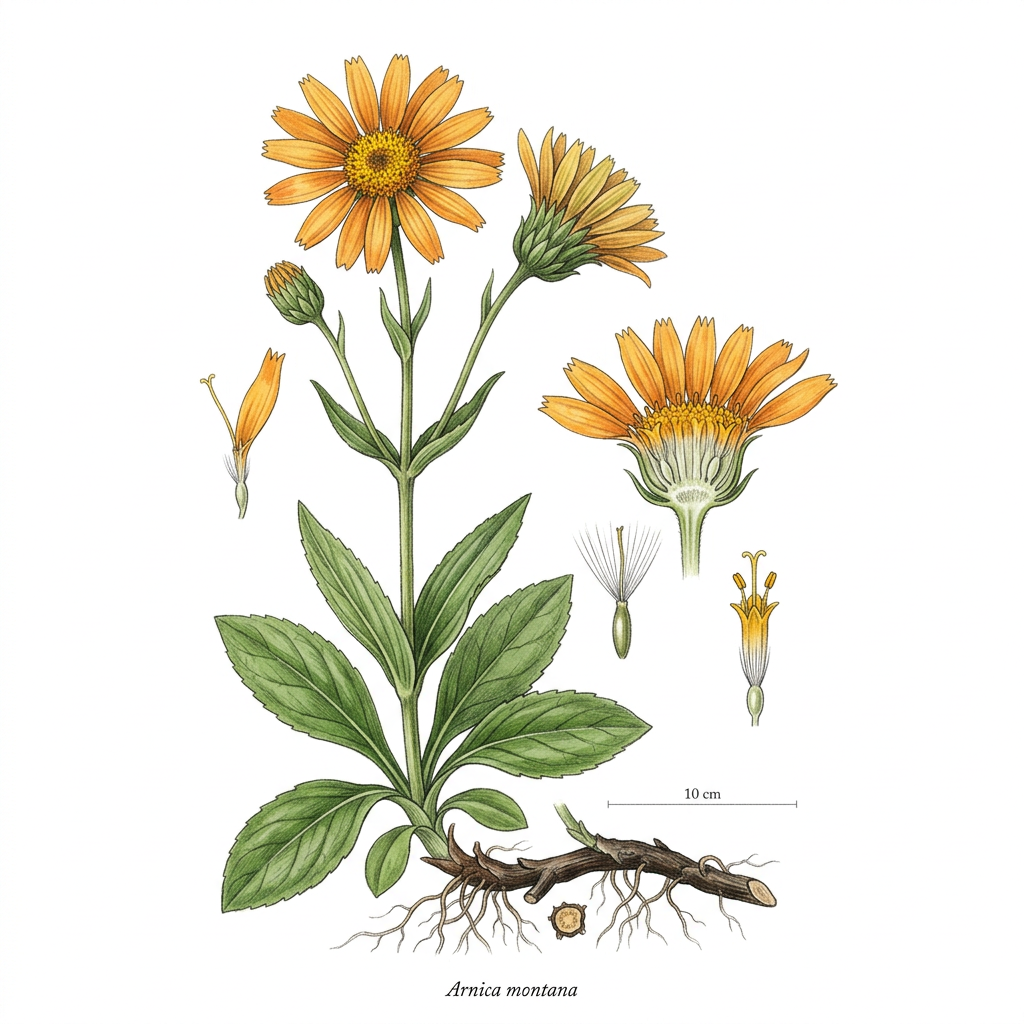
Arnica

Arnica

Arnica montana

Tissue Repair
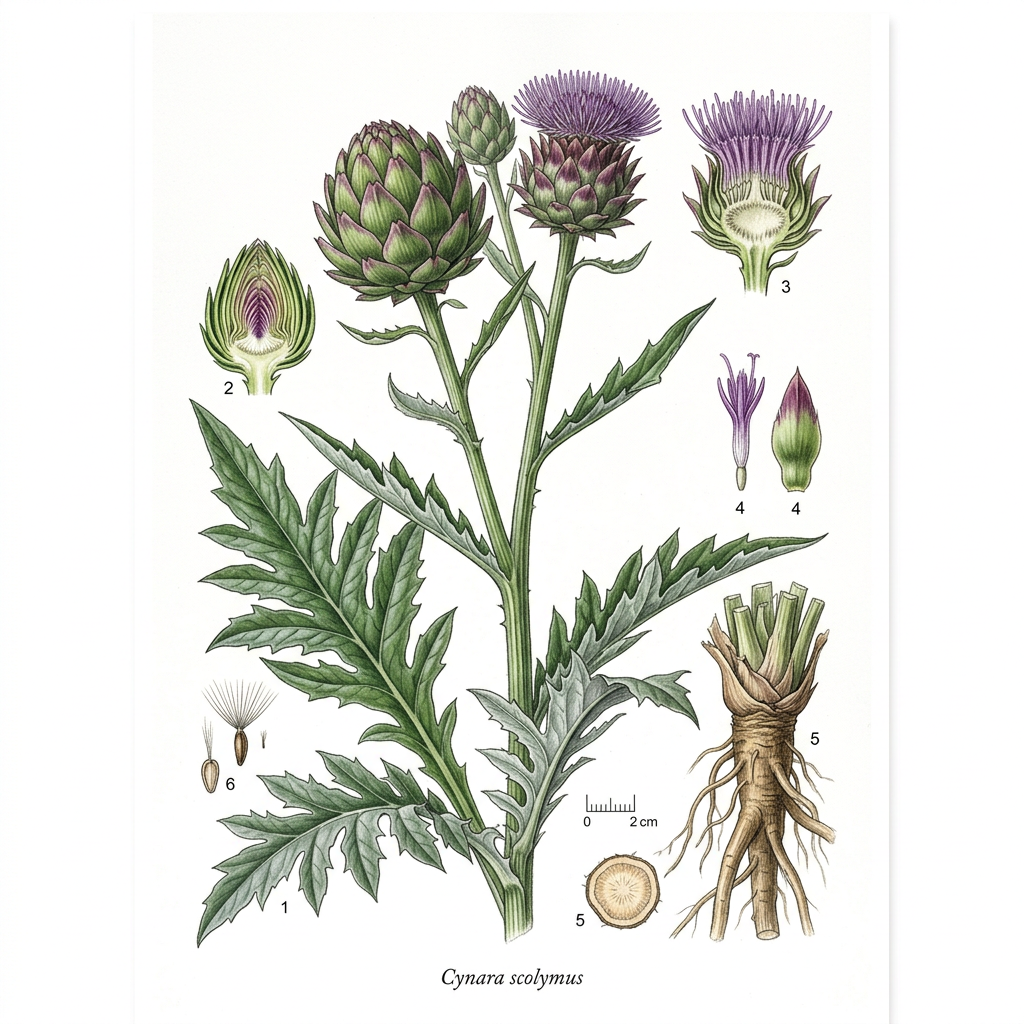
Artichoke

Artichoke

Cynara scolymus

Liver Support
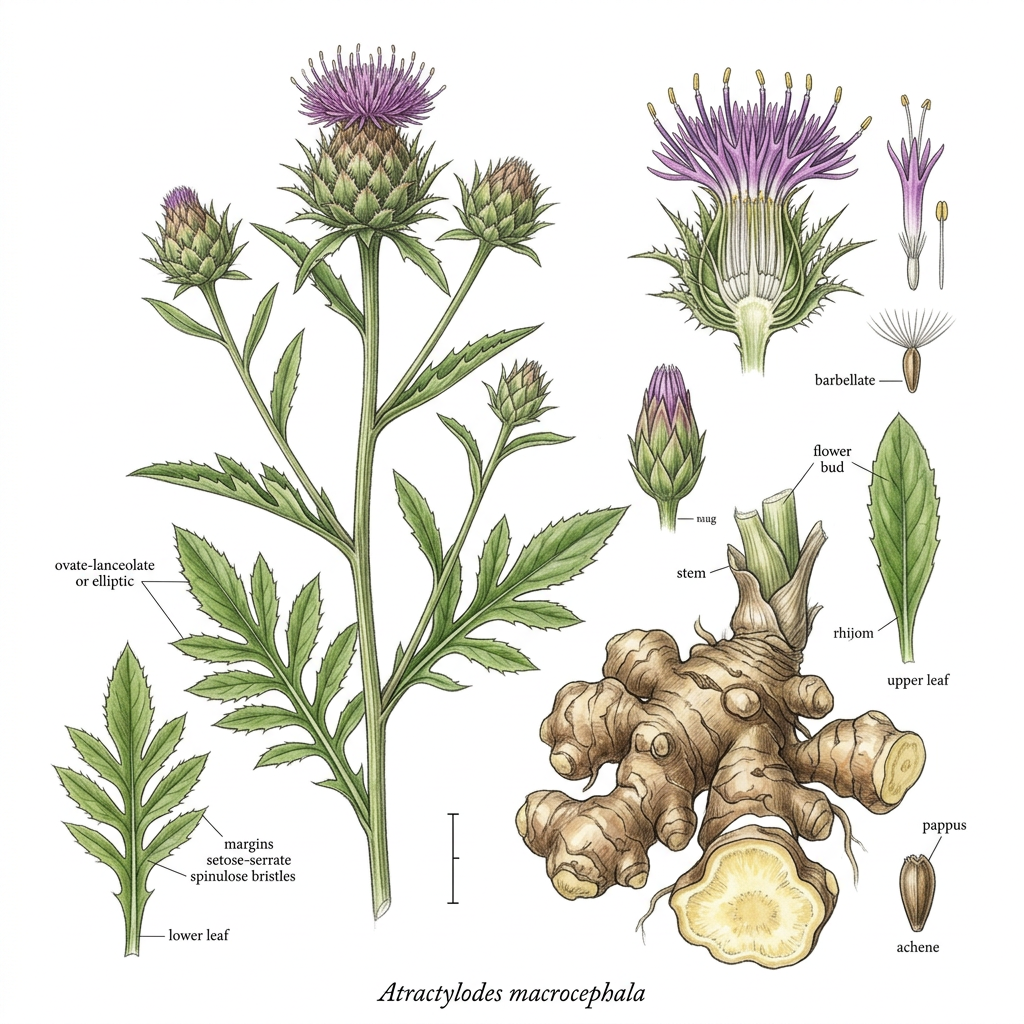
Atractylodes macrocephala

Atractylodes macrocephala
Atractylodes macrocephala

Digestive Tonic
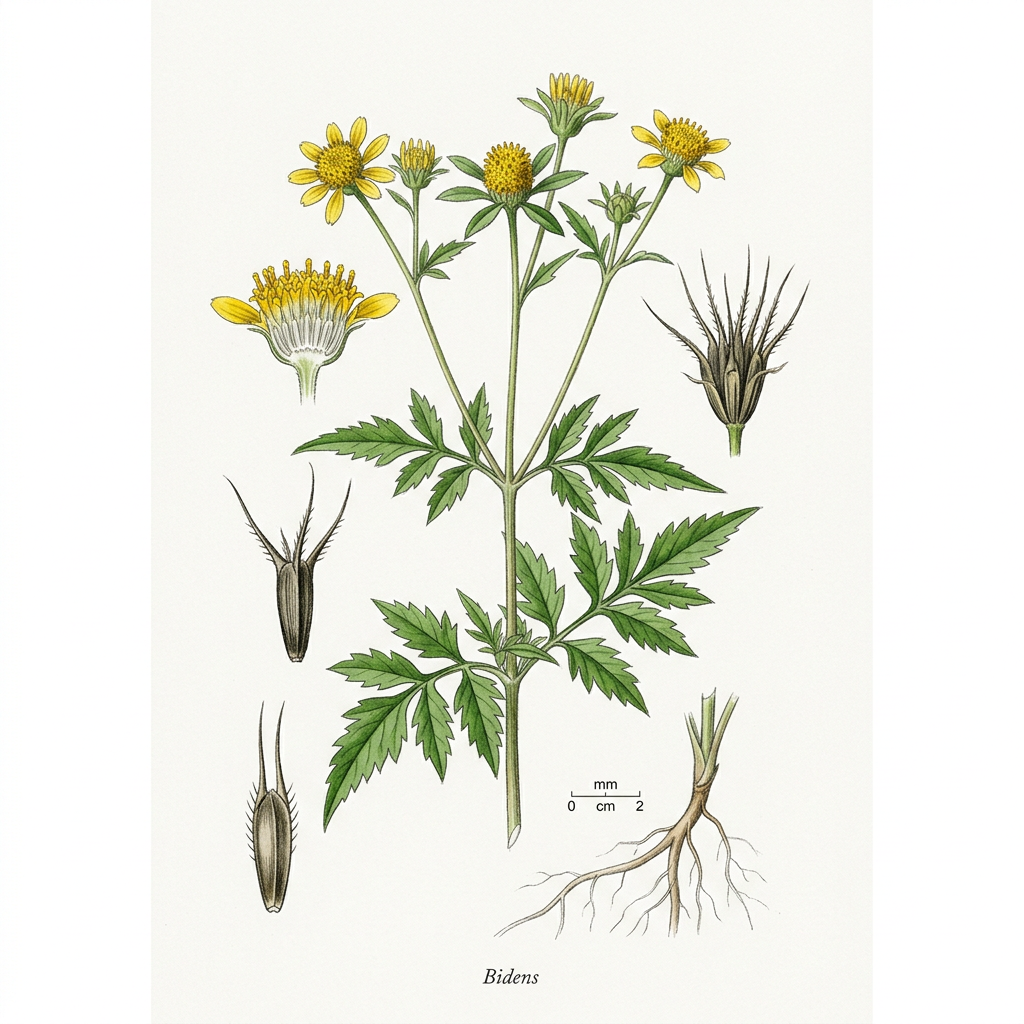
Bidens

Bidens

Bidens pilosa

Systemic Infection Support