The Wild Sage logo
The Wild Sage Logo

Herbal Medicine at your fingertips

Comprehensive database of herbal remedies with detailed safety information and traditional uses

New to herbal terms? Read the glossary →
ADHD
Abcess
Acid Reflux Relief
Acinetobacter
Acne
Acne Vulgaris
Addisons
Adenomyosis
Adenovirus
Adrenal fatigue
Aging
Aids
Alcaligenes faecalis
Alcoholism
Allergic Rhinitis
Allergies
Allergy
Alopoecia
Alopoecia nervosa
Alzheimer's, Dementia & Cognitive Decline
420 herbs found
Important: This information is for educational purposes only. Always consult with qualified healthcare professionals before using herbal remedies, especially if you have existing health conditions or take medications.
Toothpick

Toothpick

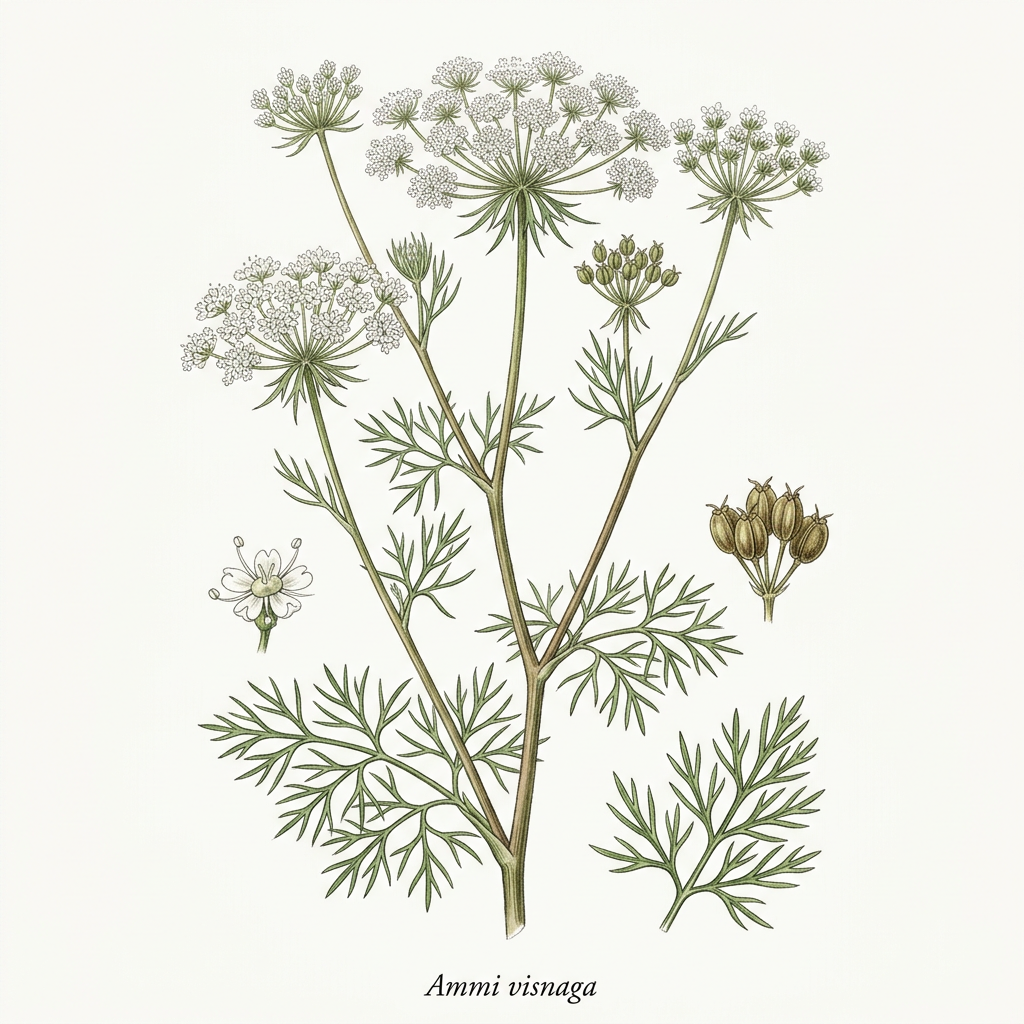
Ammi visnaga

low risk Risk
Apiaceae
<p>Amni visnaga: Commonly known as the Khella or Bishop's Weed, is an intriguing member of the Apiaceae family. This biennial herb is native to the Mediterranean region and North Africa, with historical roots deeply embedded in traditional herbal medicine. Historically, it has been utilized for its potent therapeutic properties, particularly among ancient Egyptian and Arabic practitioners who regarded it as an effective remedy for respiratory ailments. In folk medicine, Khella is known for its ability to relieve coughs and alleviate symptoms associated with asthmatic conditions, making it a staple in various herbal apothecaries. The primary therapeutic attributes of Amni visnaga are attributed to its unique phytochemical composition, which includes compounds such as visnagin. This herb exhibits notable anti-asthmatic and bronchodilator properties, making it particularly beneficial for individuals suffering from asthma and bronchitis. Additionally, it has been recognized for its antispasmodic and anti-inflammatory effects, which can help alleviate bronchial constriction and promote respiratory ease. Studies have shown that the compounds found in Khella can effectively relax the smooth muscle of the airways, providing relief from the tightness and discomfort often experienced during an asthma attack. On a physiological level, Amni visnaga operates by modulating the bioactivity of certain signaling pathways in the respiratory system. The herb enhances respiratory function by promoting vasodilation and reducing airway inflammation, allowing for increased airflow and oxygenation. By acting on specific receptors in the bronchial tissues, Khella assists in the relief of spasms that characterize asthma, thereby improving overall pulmonary function. This synergistic action not only makes Amni visnaga a valuable aid in managing chronic respiratory conditions but also highlights the importance of incorporating time-honored herbal remedies into modern therapeutic practices. With its rich history and significant health benefits, Amni visnaga continues to be a subject of interest in both herbalism and scientific research.</p>

Uses & Conditions

Respiratory function
Airway inflammation
Oxygenation
Asthma
Bronchitis
Renal calculi
Cough
Chronic respiratory conditions

Actions

Bronchodilator
Smooth muscle relaxant
Antispasmodic
Anti-inflammatory
Vasodilator
COX-2 inhibitor
TNF-alpha inhibitor

Parts Used

Dried ripe fruit (often referred to as 'seeds').

Native Countries

North Africa
Mediterranean
Spain
Italy
Tunisia

USDA Hardiness Zones

8
9
10

Contraindications

  • Pregnancy: strictly contraindicated as khellin may stimulate uterine contractions
  • Breastfeeding: lack of safety data suggests it should be avoided
  • Liver disease: use is generally advised against due to potential for elevated hepatic enzymes
  • History of photosensitivity: the furanochromones may exacerbate skin reactions to UV light
  • Paediatric use: clinical safety data is insufficient to support use in children

Potential Side Effects

  • Nausea
  • Gastrointestinal distress
  • Dizziness
  • Lightheadedness
  • Headache
  • Insomnia
  • Photosensitivity
  • Dermatological reactions

Interactions

  • Anticoagulants such as warfarin: may potentially increase the risk of bleeding due to coumarin constituents
  • Antihypertensive medications: may have an additive effect, potentially leading to hypotension
  • Calcium channel blockers: theoretical risk of additive pharmacodynamic effects
  • Photosensitising drugs: may increase sensitivity to sunlight
  • Hepatotoxic substances: use with caution as high doses may place strain on liver function

Dosages, tincture ratios & research — members only

Unlock Garreth's dosing guidance, tincture ratios, the dosage calculator and the research studies for Toothpick.

Your assessment and results stay saved — upgrading only unlocks more of them.

See membership plans

Community Photos

No community photos yet. Sign in to upload photos.

Reviews & Ratings

Sign in to leave a review.

No reviews yet. Be the first!

GF

Garreth Falls — B.Th., Dip. H.M., MNIMH

Content curated and reviewed by Garreth Falls, Consultant Medical Herbalist · The Wild Sage

Medical Disclaimer: This information is for educational purposes only and is not intended as medical advice. Always consult with qualified healthcare professionals before starting any herbal treatment.
Western tradition

Sustainability & quality

Cultivated

Primarily a cultivated crop; ensure good agricultural practice to avoid heavy metal accumulation.

Key constituents

Khellin, Flavonoids, Coumarins, Essential oils

References

  1. British Herbal Pharmacopoeia 1983
  2. ESCOP Monographs 2nd ed. 2003
  3. Herbal Reality. Herb monographs. herbalreality.com

Reviewed by Garreth, Medical Herbalist (MNIMH) · November 2026

Related conditions

Explore conditions where Toothpick is traditionally used.

Related Herbs
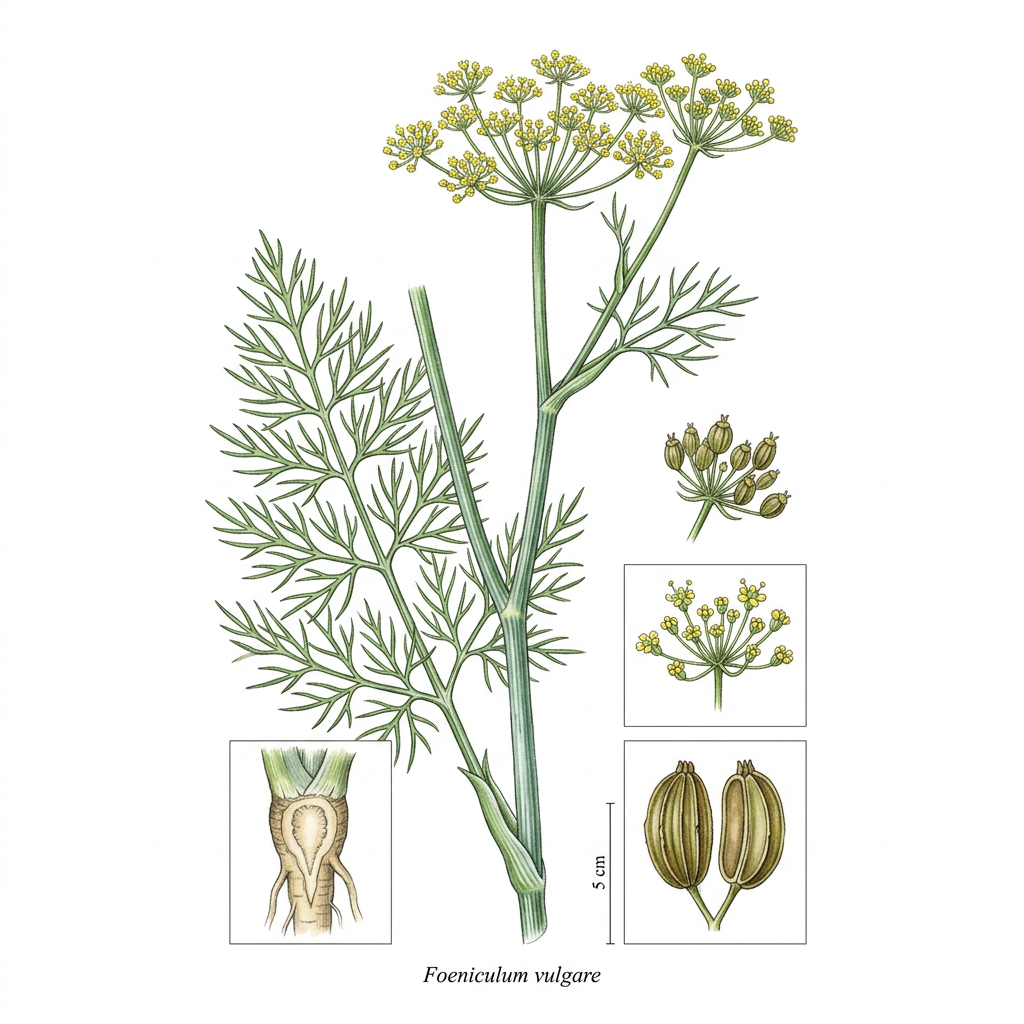
Fennel

Fennel

Foeniculum vulgare

Digestive Aid
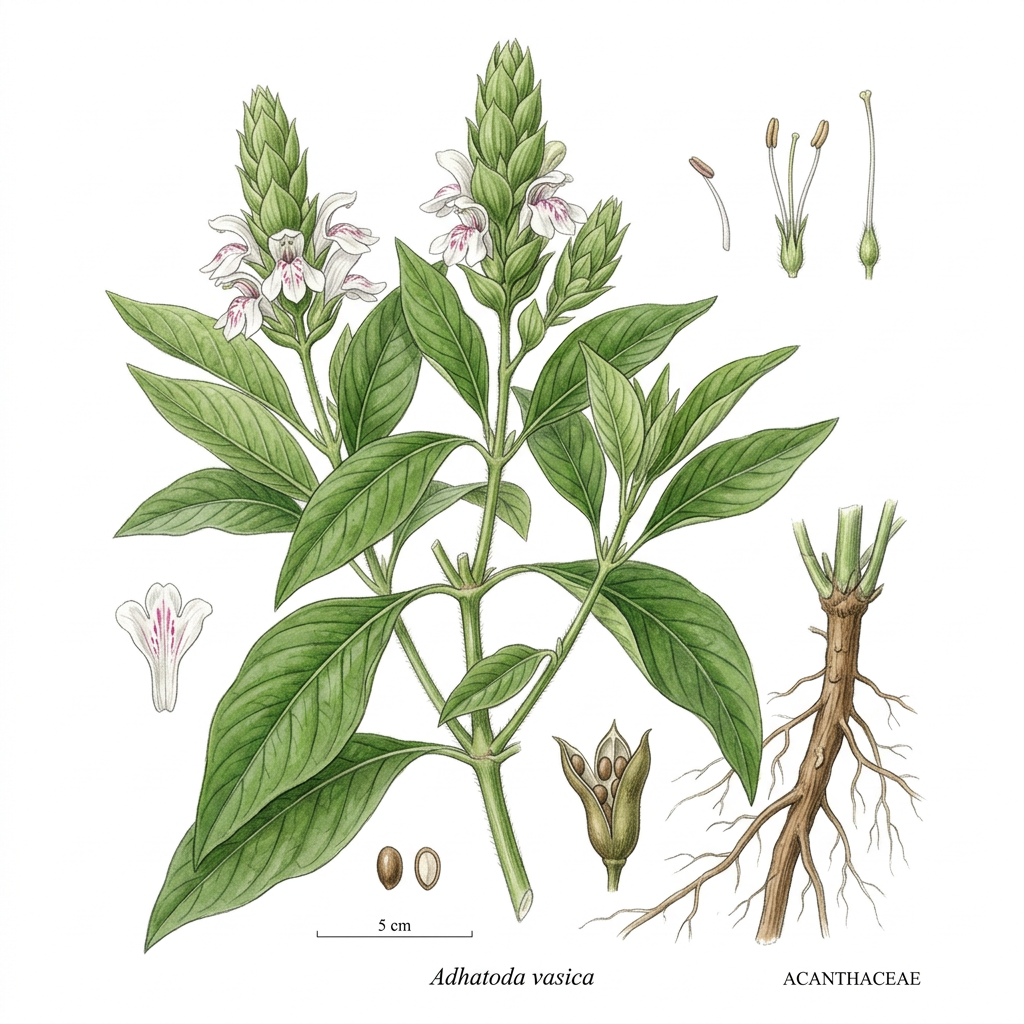
Adhatoda vasia

Adhatoda vasia

Adhatoda vasia

Diabetes
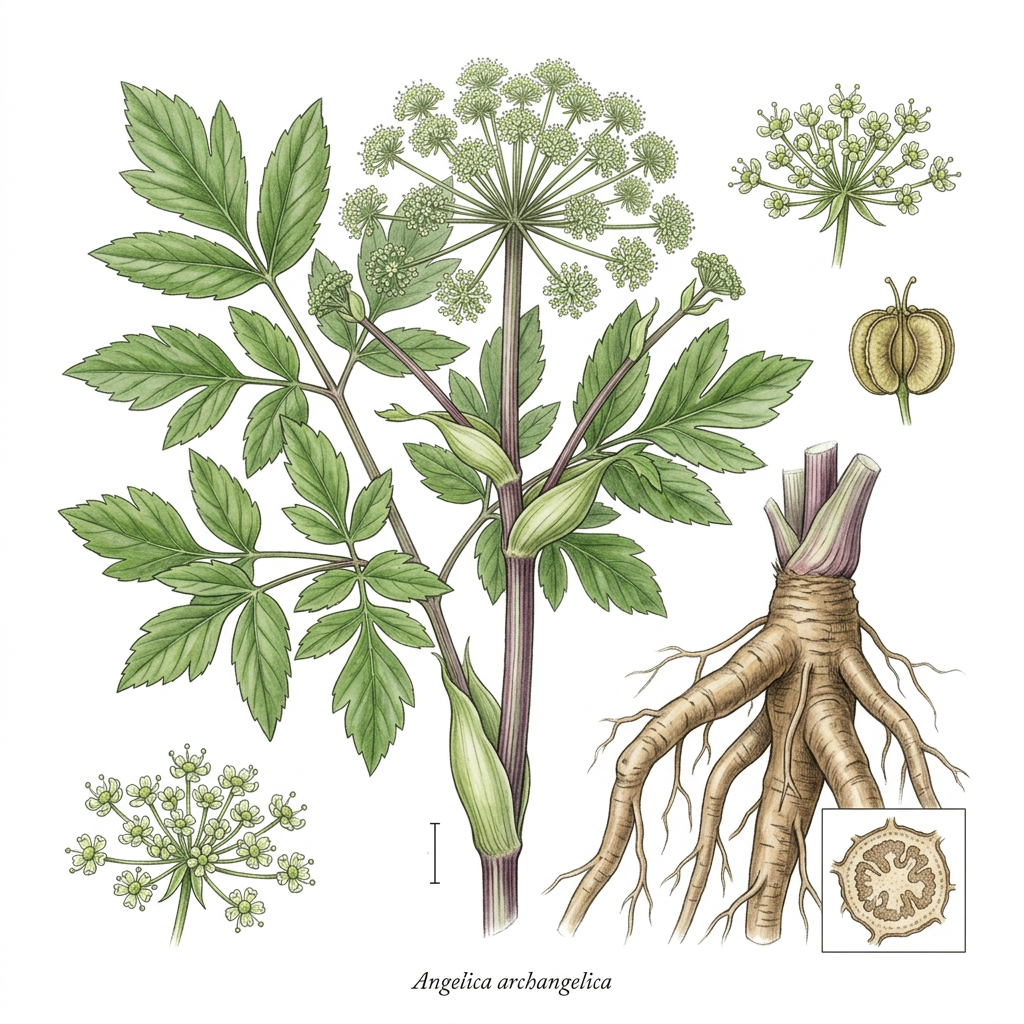
Angelica

Angelica

Angelica archangelica

Circulatory Stimulant
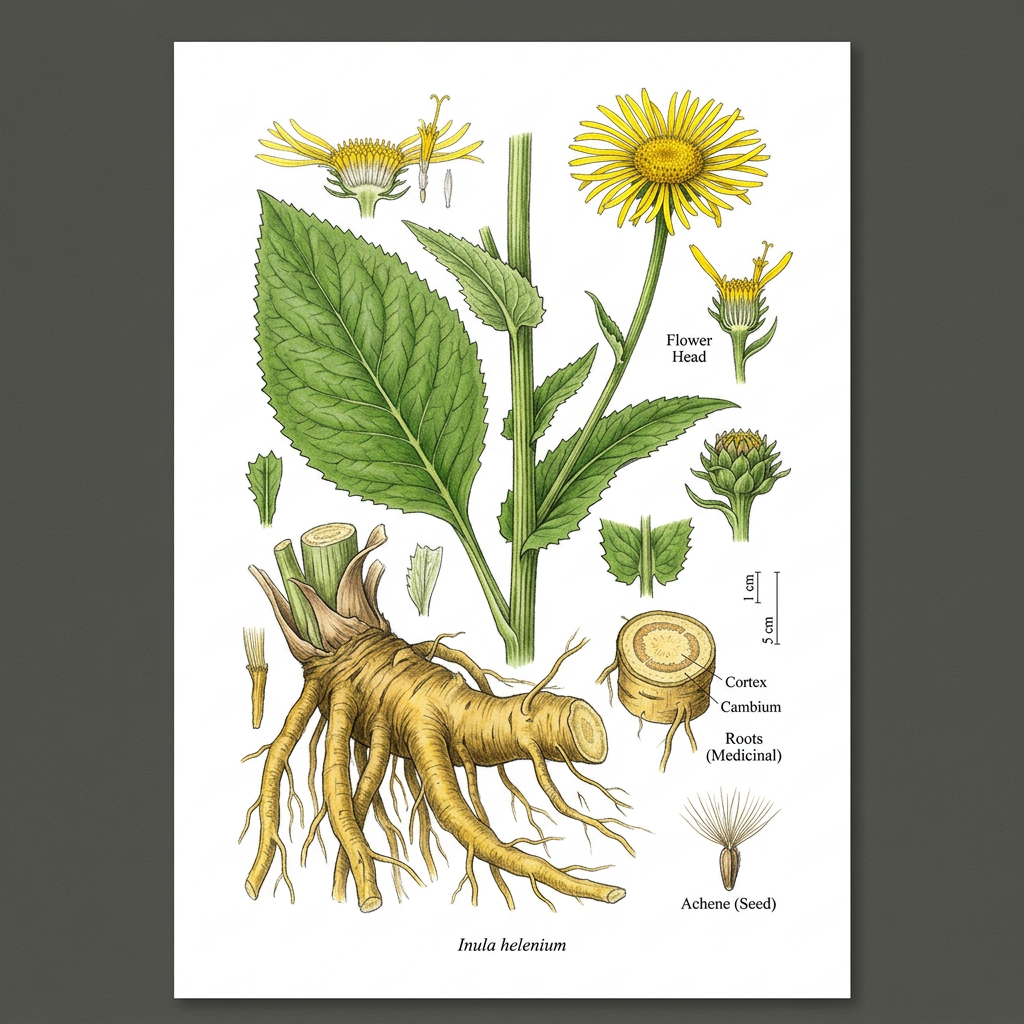
Elecampane

Elecampane

Inula helenium

Lung Health