The Wild Sage logo
The Wild Sage Logo

Herbal Medicine at your fingertips

Comprehensive database of herbal remedies with detailed safety information and traditional uses

New to herbal terms? Read the glossary →
ADHD
Abcess
Acid Reflux Relief
Acinetobacter
Acne
Acne Vulgaris
Addisons
Adenomyosis
Adenovirus
Adrenal fatigue
Aging
Aids
Alcaligenes faecalis
Alcoholism
Allergic Rhinitis
Allergies
Allergy
Alopoecia
Alopoecia nervosa
Alzheimer's, Dementia & Cognitive Decline
420 herbs found
Important: This information is for educational purposes only. Always consult with qualified healthcare professionals before using herbal remedies, especially if you have existing health conditions or take medications.
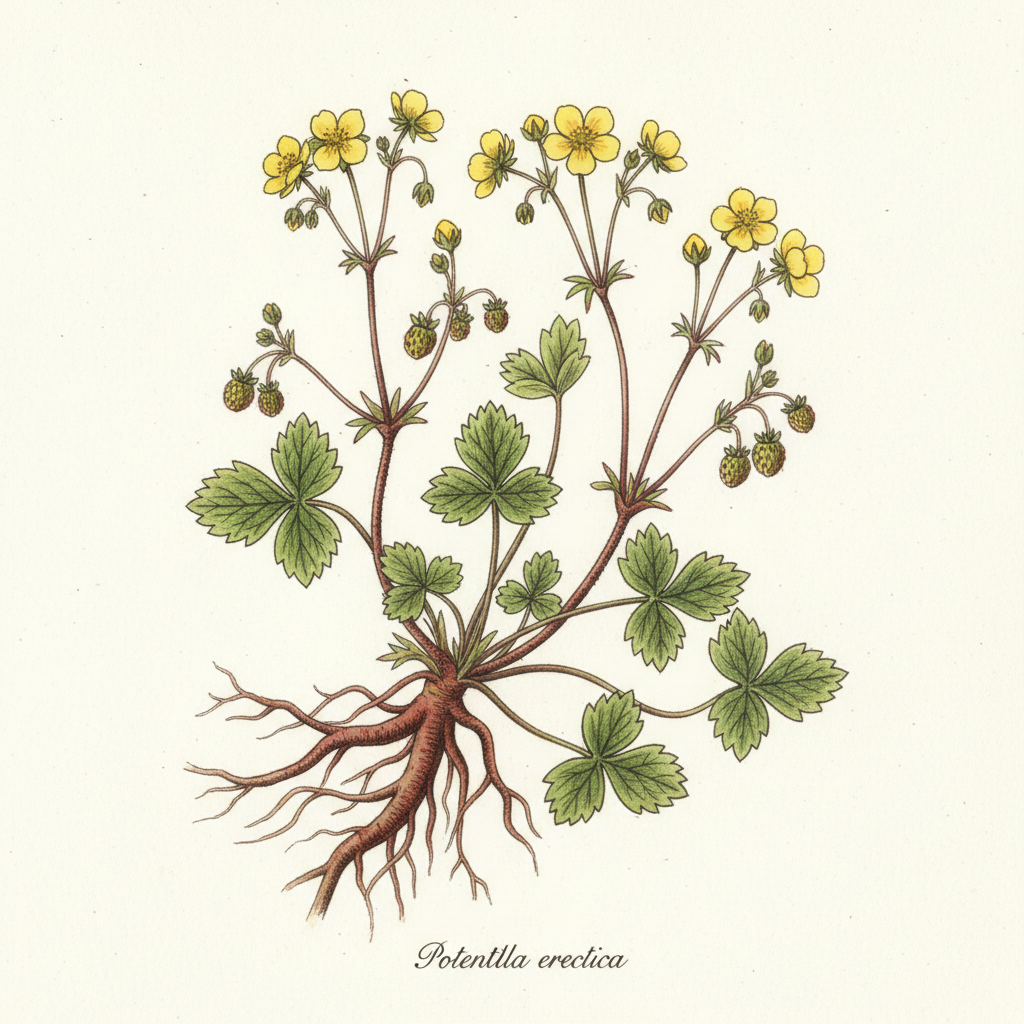
Tormentil

Tormentil

Potentilla erecta

low risk Risk
Rosaceae
Promotes a sense of safety and security, helps in overcoming fear and anxiety.
<p>Tormentil, scientifically known as Potentilla erecta, is a perennial herbaceous plant belonging to the Rosaceae family, commonly found in temperate regions of Europe and parts of Asia. Traditionally, tormentil has been utilized in herbal medicine for centuries, with its roots being employed as a healing remedy dating back to ancient times. The name “tormentil” is derived from the Latin word "tormentum," meaning torture or pain, reflecting its historical use in alleviating various ailments including gastrointestinal distress and skin irritations. Shamans and folk healers once revered tormentil for its purported ability to treat wounds, digestive disorders, and inflammation, making it a staple in the traditional herbal pharmacopeia. The primary therapeutic actions of tormentil include its astringent and digestive-promoting properties. As a potent astringent, tormentil is particularly effective in tightening mucous membranes and reducing inflammation, which makes it invaluable for managing conditions such as diarrhea, dysentery, and other gastrointestinal issues. The herb's tannins, notably its high content of ellagitannins, contribute to these properties by promoting the contraction of tissues and facilitating the healing of mucous membranes. Beyond digestive concerns, tormentil is also applied externally in tinctures or poultices to address skin ailments like eczema, ulcers, and minor wounds, where its astringent nature aids in reducing bleeding and fostering tissue repair. In terms of its mechanism of action, tormentil's therapeutic effects can be attributed primarily to its rich phytochemical profile. The tannins exert their influence by binding to proteins in the body, leading to a local tightening effect that helps to form protective barriers in the gut and skin. Moreover, its anti-inflammatory properties can counteract swelling and discomfort, promoting an overall sense of well-being. The herb has also been noted for its ability to modulate gut motility, providing relief from diarrhea while potentially soothing stomach cramps. With a growing body of research supporting its traditional uses, tormentil stands out as a valuable ally in the herbalist's toolkit, offering a blend of efficacy and time-honored wisdom for those seeking natural remedies.</p>

Uses & Conditions

Digestive Aid
Tissue Repair
Colic
Colitis
Colon Cancer
Diarrhea
Digestive Disorders
Dyspepsia
Eczema
Gastrointestinal Bleeding
Gut Motility Disorders
Inflammation
Minor Skin Irritations
Panic Attacks
Toothache
Wound Healing

Actions

Astringent
Anxiolytic
Anti-inflammatory

Synonyms

Potentilla tormentilla
potentilla erecta

Parts Used

roots

Native Countries

Europe

USDA Hardiness Zones

USDA 3-8

Contraindications

  • Pregnancy: Lack of sufficient safety data regarding high tannin content
  • Breastfeeding: Avoid due to limited safety evidence for nursing infants
  • Chronic constipation: Strong astringency may exacerbate slowed transit
  • Severe gastric ulceration: High tannin concentration may irritate inflamed mucosa

Potential Side Effects

  • Nausea or gastric discomfort on an empty stomach
  • Occasional digestive irritation or vomiting
  • Constipation with prolonged or excessive use

Interactions

  • Iron supplements: Tannins may reduce oral iron absorption
  • Alkaloid-containing medications: Tannins may precipitate alkaloids and reduce bioavailability
  • Oral medications: Potential for altered absorption due to astringent action on gut mucosa

Dosages, tincture ratios & research — members only

Unlock Garreth's dosing guidance, tincture ratios, the dosage calculator and the research studies for Tormentil.

Your assessment and results stay saved — upgrading only unlocks more of them.

See membership plans

Community Photos

No community photos yet. Sign in to upload photos.

Reviews & Ratings

Sign in to leave a review.

No reviews yet. Be the first!

GF

Garreth Falls — B.Th., Dip. H.M., MNIMH

Content curated and reviewed by Garreth Falls, Consultant Medical Herbalist · The Wild Sage

Medical Disclaimer: This information is for educational purposes only and is not intended as medical advice. Always consult with qualified healthcare professionals before starting any herbal treatment.
Western tradition

Sustainability & quality

Abundant

Common in the UK; ensure roots are cleaned thoroughly from soil.

Key constituents

Condensed tannins (proanthocyanidins), Hydrolysable tannins (ellagitannins), Tormentillin (triterpene glycoside), Quinic acid, Flavonoids, Resins, Starch

References

  1. ESCOP Monographs 2nd ed. 2003
  2. British Herbal Pharmacopoeia 1983
  3. Herbal Reality. Herb monographs. herbalreality.com

Reviewed by Garreth, Medical Herbalist (MNIMH) · November 2026

Related conditions

Explore conditions where Tormentil is traditionally used.

Related Herbs
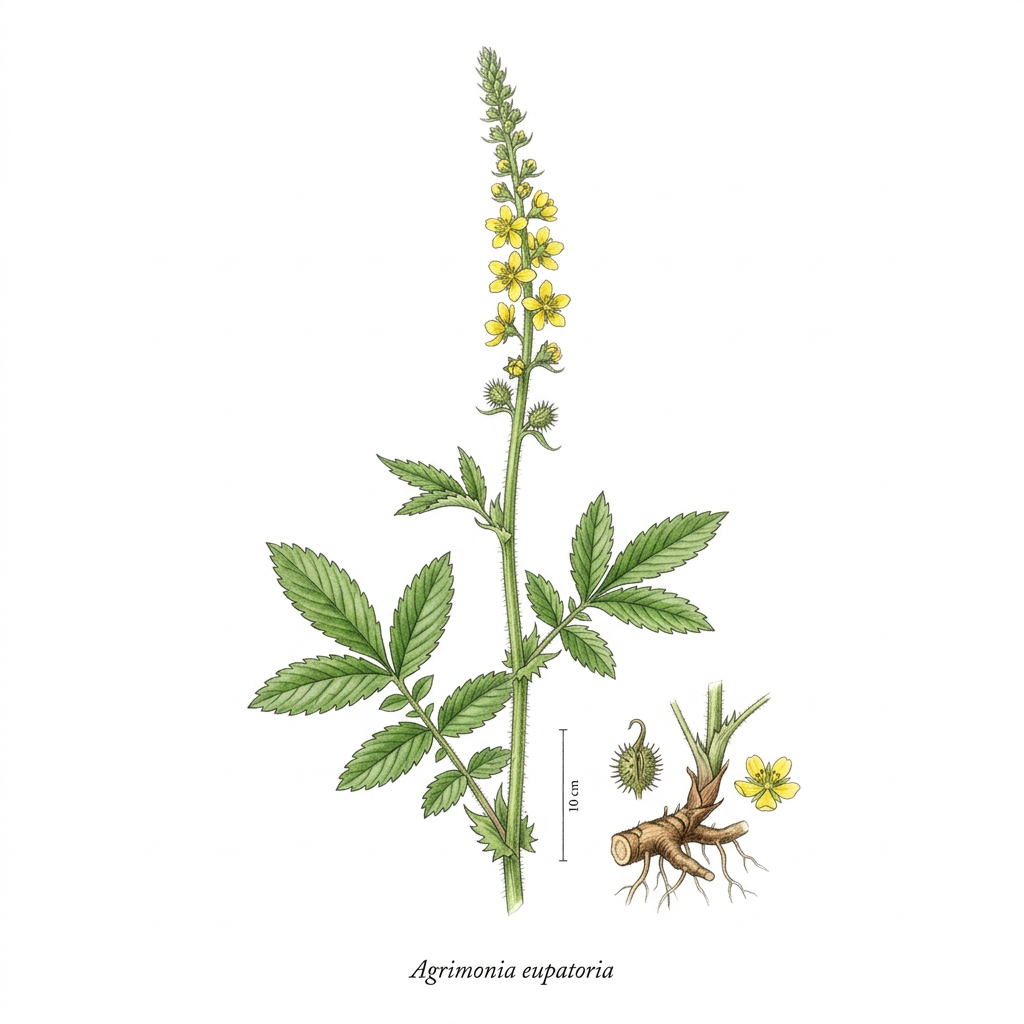
Agrimony

Agrimony

Agrimonia eupatoria

Digestive Aid
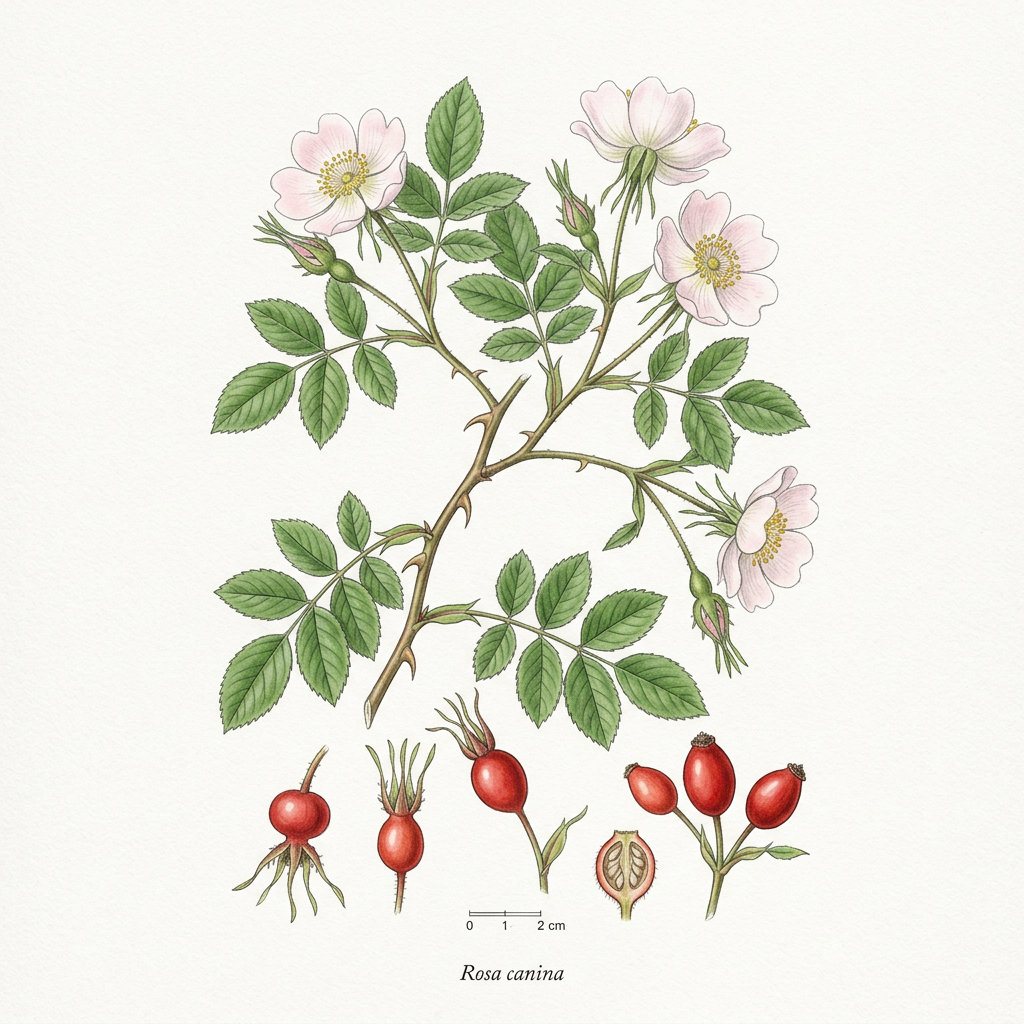
Dog rose

Dog rose

Rosa canina

Immune Support
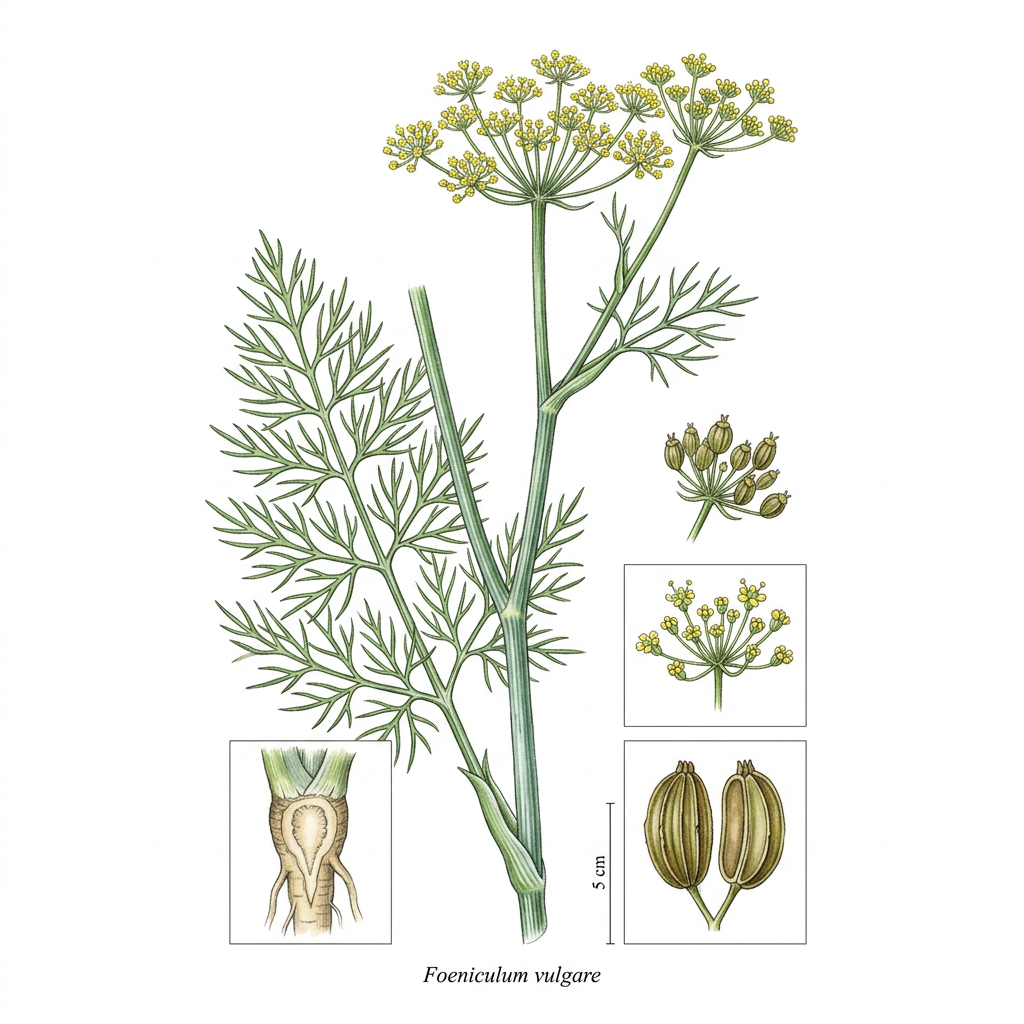
Fennel

Fennel

Foeniculum vulgare

Digestive Aid
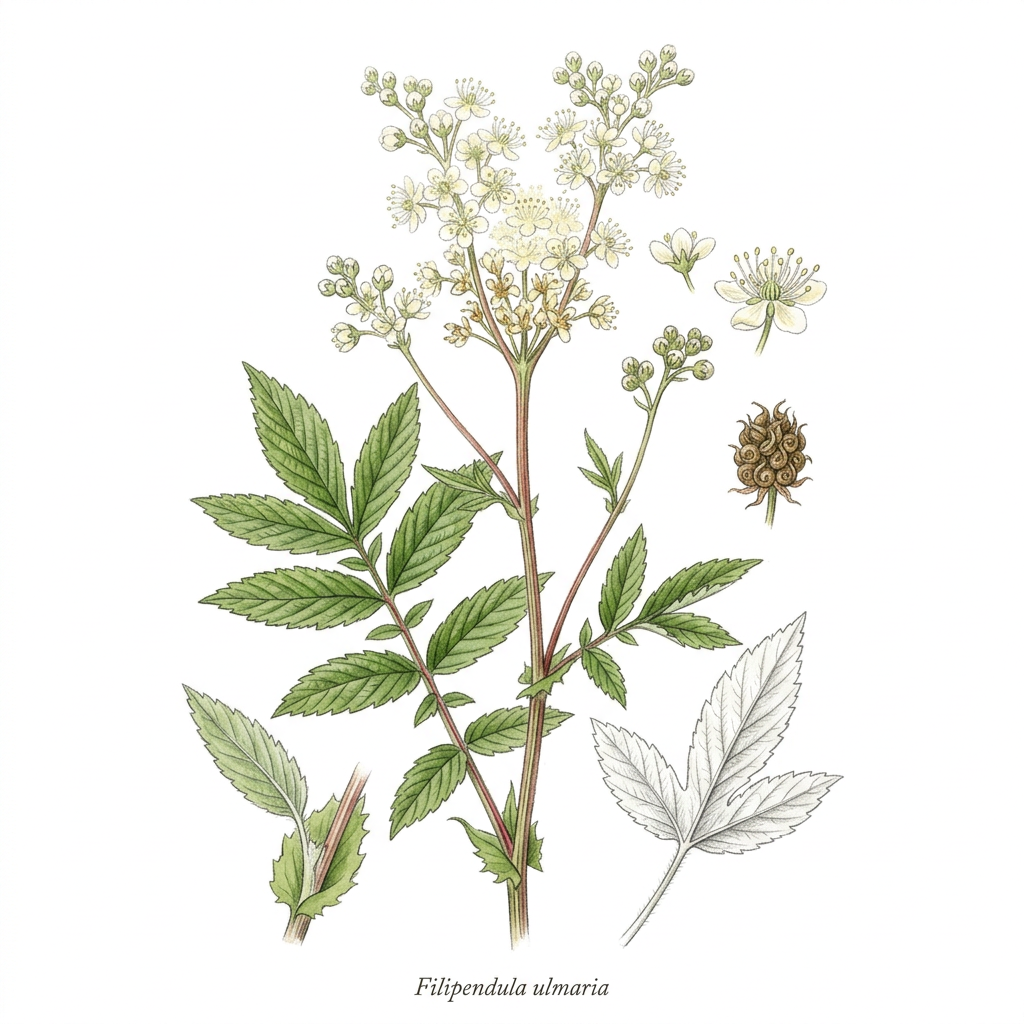
Filipendula ulmaria

Filipendula ulmaria

Filipendula ulmaria

Immune Support