The Wild Sage logo
The Wild Sage Logo

Herbal Medicine at your fingertips

Comprehensive database of herbal remedies with detailed safety information and traditional uses

New to herbal terms? Read the glossary →
ADHD
Abcess
Acid Reflux Relief
Acinetobacter
Acne
Acne Vulgaris
Addisons
Adenomyosis
Adenovirus
Adrenal fatigue
Aging
Aids
Alcaligenes faecalis
Alcoholism
Allergic Rhinitis
Allergies
Allergy
Alopoecia
Alopoecia nervosa
Alzheimer's, Dementia & Cognitive Decline
420 herbs found
Important: This information is for educational purposes only. Always consult with qualified healthcare professionals before using herbal remedies, especially if you have existing health conditions or take medications.
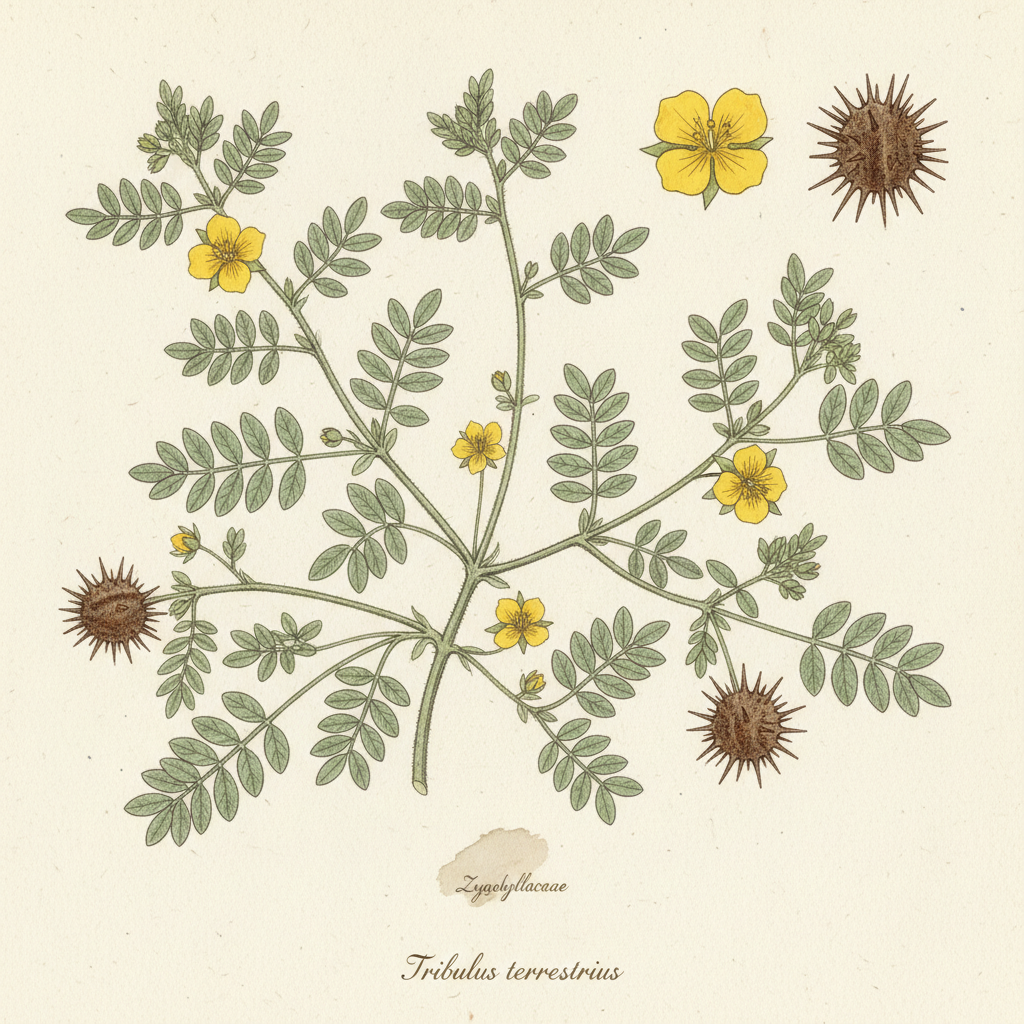
Tribulus

Tribulus

Tribulus terrestris

low risk Risk
Zygophyllaceae
Slightly warming and dry; enhances vitality and libido.
<p>Tribulus terrestris is a prostrate, annual herbaceous plant belonging to the Zygophyllaceae family, characterised by its pinnate leaves and distinctive spiky, woody fruit burs. It thrives in arid and sandy environments across warm temperate and tropical regions, often considered an invasive weed in non-native habitats due to its resilience. The plant possesses a sprawling habit and yellow flowers that open during the day and close at night, eventually developing into the schizocarp fruit that holds the therapeutic saponins.</p><p>Historically, the fruit and root have been utilised in Traditional Chinese Medicine and Ayurveda, where it is often referred to as Gokshura. Traditionally used for supporting urinary tract function, promoting vitality, and as a general tonic for the reproductive system. Its historical profile suggests it was favoured for supporting natural libido and addressing imbalances in male and female sexual health, whilst also being valued for its mild diuretic properties in clearing urinary stagnation.</p><p>Modern research has focused heavily on the steroidal saponins, specifically protodioscin, which is believed to underpin its biological activity. Whilst it is frequently marketed to athletes and bodybuilders, the evidence remains mixed and largely inconclusive regarding significant increases in testosterone levels or profound athletic performance enhancement in humans. Current pharmacological interest suggests it may influence the nitric oxide pathway and have mild cardioprotective or lipid-lowering effects, though robust human clinical trials remain limited.</p><p>In contemporary practice, it is typically employed as a tonic herb for those presenting with low libido or fatigue. As a herbalist, I approach Tribulus with a cautious perspective, primarily using it to support the endocrine and urinary systems rather than as a performance enhancer. It is generally reserved for short to medium-term use to ensure patient safety, whilst monitoring for any signs of gastrointestinal irritation or unintended hormonal influence.</p>

Uses & Conditions

Convalescence
Adaptogen
Testosterone Deficiency
Menopausal Symptoms
Male Infertility
Libido
Renal Calculi
Vertigo
Urticaria
Ovarian Pain
Premature Ejaculation
Headache
Erectile Dysfunction
Anorgasmia
Angina
Amenorrhoea

Actions

Aphrodisiac
Testosterone Booster
Mood Stabiliser
Urinary Tonic
Antilithic
Hypotensive
Diuretic
Demulcent
Cardiac Tonic
Sperm Mobility Enhancer
Sperm Quality Enhancer
Astringent
Antibacterial
Adaptogen
Anti-androgenic

Parts Used

Dried fruit
Root

Native Countries

Mediterranean
Asia
Africa
Australia
Indian subcontinent

USDA Hardiness Zones

7
8
9

Contraindications

  • Pregnancy and breastfeeding
  • Hormone-sensitive conditions including prostate or breast cancer
  • Hypersensitivity to the Zygophyllaceae family
  • Scheduled surgery within two weeks
  • Children and adolescents under 18

Potential Side Effects

  • Mild gastrointestinal upset
  • Sleep disturbance or vivid dreams
  • Skin irritation or contact dermatitis

Interactions

  • Antihypertensives: may potentiate hypotensive effects
  • Diuretics: potential for additive effects and electrolyte imbalances
  • Lithium: potential for decreased excretion and increased toxicity risk
  • Antidiabetic medications: potential enhancement of hypoglycaemic effects

Dosages, tincture ratios & research — members only

Unlock Garreth's dosing guidance, tincture ratios, the dosage calculator and the research studies for Tribulus.

Your assessment and results stay saved — upgrading only unlocks more of them.

See membership plans

Community Photos

No community photos yet. Sign in to upload photos.

Reviews & Ratings

Sign in to leave a review.

No reviews yet. Be the first!

GF

Garreth Falls — B.Th., Dip. H.M., MNIMH

Content curated and reviewed by Garreth Falls, Consultant Medical Herbalist · The Wild Sage

Medical Disclaimer: This information is for educational purposes only and is not intended as medical advice. Always consult with qualified healthcare professionals before starting any herbal treatment.
Ayurvedic tradition
Chinese tradition

Sustainability & quality

Abundant

A prolific, fast-growing plant often considered a weed. Generally sourced from large-scale cultivation to ensure purity.

Key constituents

Alkaloids, Saponins, Beta sitosterol, campesterol, 25-D-spirosta-35-diene, aspartic acid, Astragalin, Calcium, chlorogenic, cracillin, daucosterol, 27-deoxyactein, desoxydiogenin, Diosgenin, gitogenin, glutamic acid, harman, Harmine, Hecogenin, kaempferol-3-beta-d-glucoside, Linoleic acid, Neogitogenin, Neohecogenin glucopyranoside, Oleaic acid, palmitic acid

References

  1. Pole "Ayurvedic Medicine" 2006
  2. Bensky "Chinese Herbal Medicine: Materia Medica" 3rd ed. 2004
  3. Herbal Reality. Herb monographs. herbalreality.com

Reviewed by Garreth, Medical Herbalist (MNIMH) · November 2026

Related conditions

Explore conditions where Tribulus is traditionally used.

Related Herbs
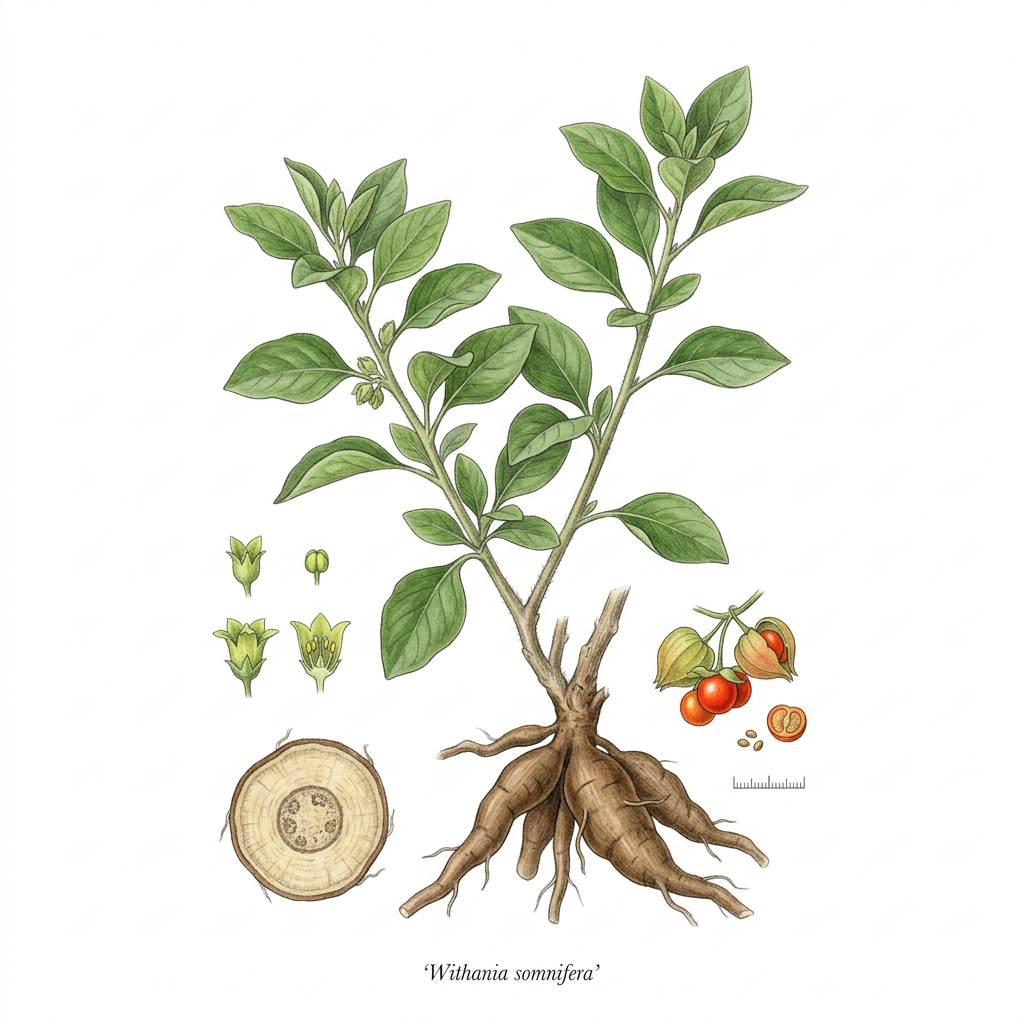
Ashwagandha

Ashwagandha

Withania somnifera

Immune Support
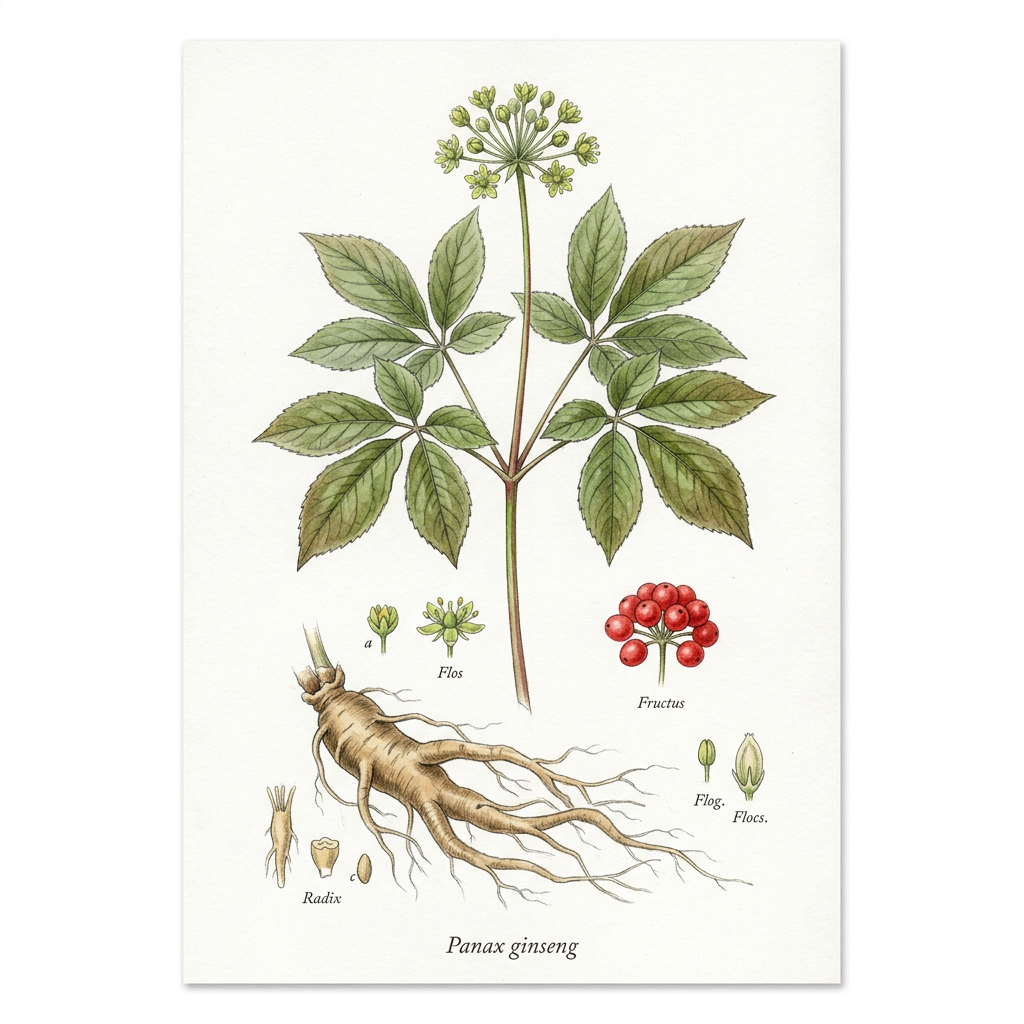
Panax ginseng

Panax ginseng

Panax ginseng

Energy Booster
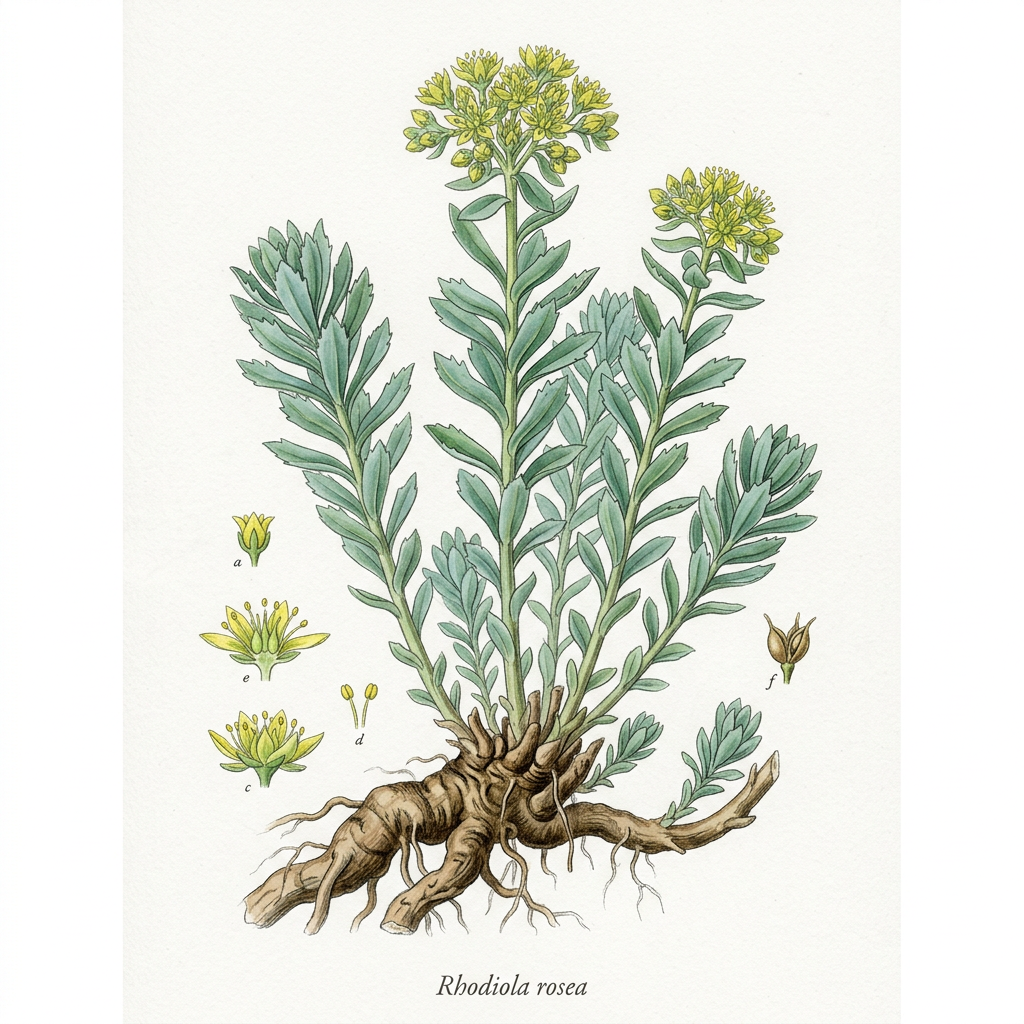
Rhodiola

Rhodiola

Rhodiola rosea

Adaptogen
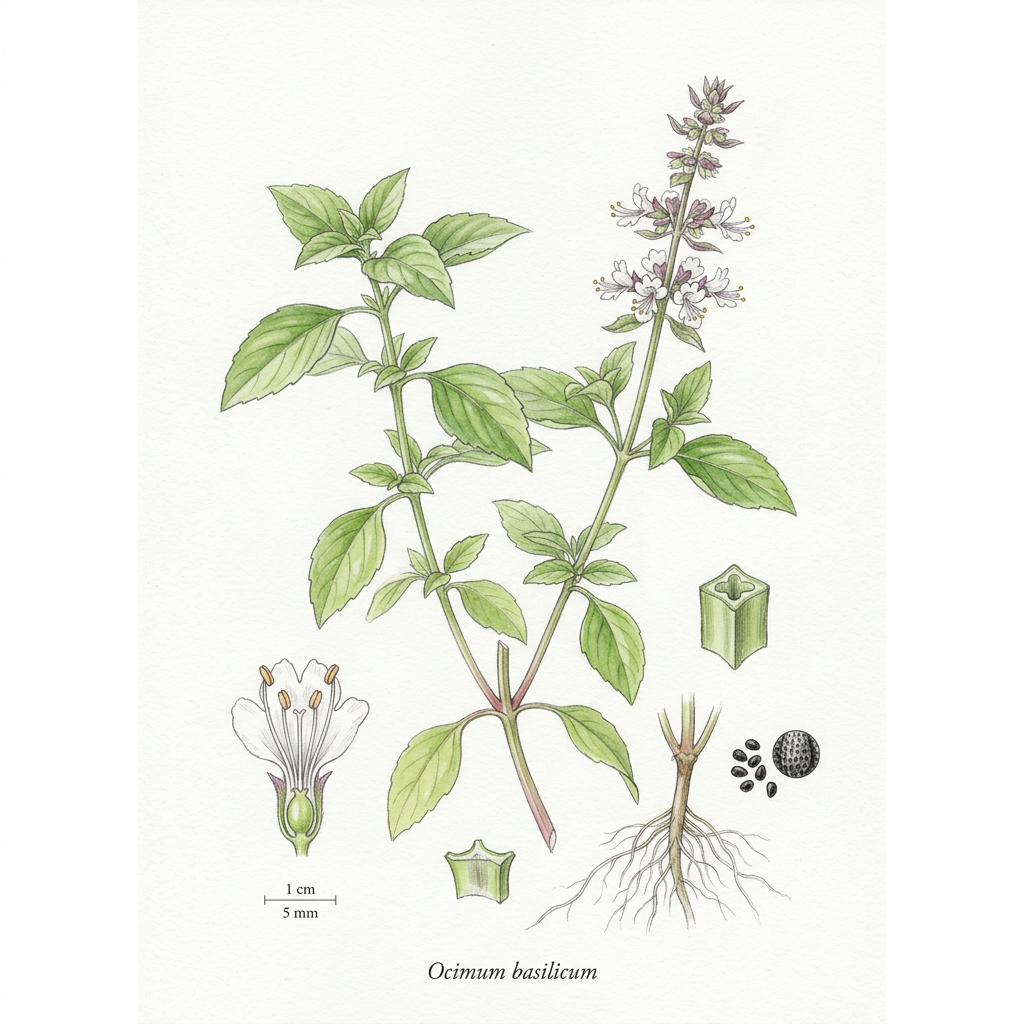
Basil

Basil

Ocimum basilicum

Convalescence