The Wild Sage logo
The Wild Sage Logo

Herbal Medicine at your fingertips

Comprehensive database of herbal remedies with detailed safety information and traditional uses

New to herbal terms? Read the glossary →
ADHD
Abcess
Acid Reflux Relief
Acinetobacter
Acne
Acne Vulgaris
Addisons
Adenomyosis
Adenovirus
Adrenal fatigue
Aging
Aids
Alcaligenes faecalis
Alcoholism
Allergic Rhinitis
Allergies
Allergy
Alopoecia
Alopoecia nervosa
Alzheimer's, Dementia & Cognitive Decline
420 herbs found
Important: This information is for educational purposes only. Always consult with qualified healthcare professionals before using herbal remedies, especially if you have existing health conditions or take medications.
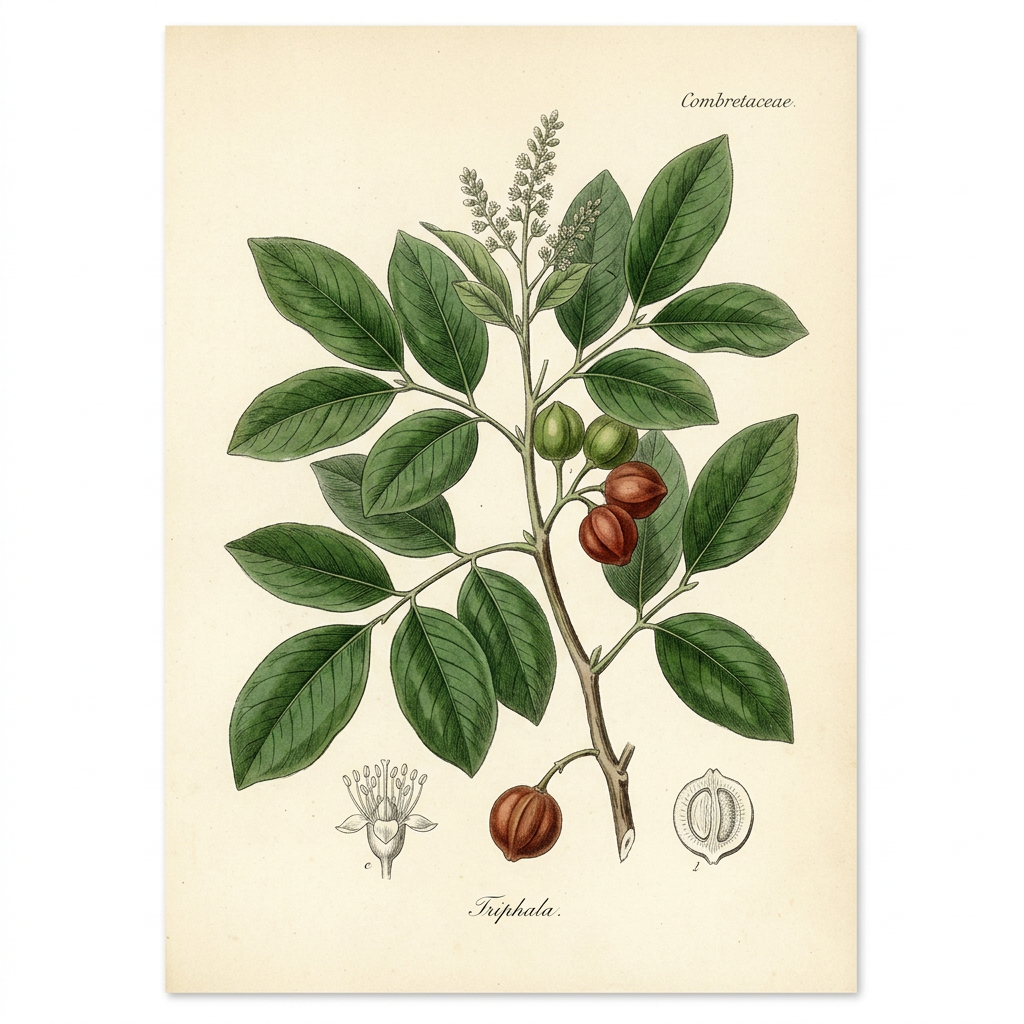
Triphala

Triphala

low risk Risk
Combretaceae
Promotes rejuvenation, digestion, and vitality with antioxidant and anti-inflammatory properties.
<p>Triphala is a classical Ayurvedic formulation consisting of three dried fruits: Emblica officinalis (Amalaki), Terminalia bellirica (Bibhitaki), and Terminalia chebula (Haritaki). Belonging to the Combretaceae family, these fruits are harvested, dried, and powdered to create a synergistic compound that balances the three doshas in traditional Indian medicine. It is a staple of Ayurvedic practice, valued for its gentle yet effective influence on digestion and systemic elimination.</p><p>Historically, Triphala has been used for centuries as a tonic to support gastrointestinal function and vitality. It is traditionally used for its mild laxative properties, promoting regular bowel movements without causing the irritation associated with harsher purgatives. Beyond the gut, it is traditionally used for its cooling and nutritive properties, often employed as a foundational herb to support metabolic health, ocular vitality, and immune resilience.</p><p>Modern research into Triphala focuses primarily on its high polyphenol content, particularly tannins, gallic acid, and ellagic acid, which exhibit antioxidant and anti-inflammatory activity in vitro. While clinical evidence remains limited, some pilot studies suggest potential benefits in reducing oxidative stress and supporting oral health. In modern clinical practice, it is often selected for its adaptogenic support and its ability to gently modulate the gut microbiome, making it a common recommendation for sluggish digestion and long-term vitality maintenance.</p>

Uses & Conditions

Weight Management
Chronic Inflammation
Diabetes Management
Detoxifier
Prebiotic
Dyspepsia
Constipation
Irritable Bowel Syndrome
Dysbiosis
Crohn’s Disease
Diverticulitis
Gastrointestinal Disorders

Actions

Digestive Aid
Laxative
NFkB Inhibitor
TNF-a Reduction
IL-6 Inhibition
Anti-bacterial
Anti-viral

Parts Used

Fruit of Emblica officinalis
Fruit of Terminalia bellirica
Fruit of Terminalia chebula

Native Countries

India
Nepal
Bangladesh
Sri Lanka
Pakistan

USDA Hardiness Zones

8
9
10

Contraindications

  • Pregnancy due to potential stimulating effects on the pelvic region
  • Breastfeeding due to lack of safety data
  • Acute or chronic diarrhoea
  • Dehydration
  • Prior to surgery: should be discontinued two weeks before elective procedures

Potential Side Effects

  • Abdominal cramping
  • Bloating
  • Loose stools
  • Diarrhoea with high doses
  • Mild nausea

Interactions

  • Anticoagulants and antiplatelet agents: potential risk of increased bleeding due to theoretical additive effects
  • Hypoglycaemic medications: may enhance glucose-lowering effects
  • Cytochrome P450 substrates: potential influence on drug metabolism

Dosages, tincture ratios & research — members only

Unlock Garreth's dosing guidance, tincture ratios, the dosage calculator and the research studies for Triphala.

Your assessment and results stay saved — upgrading only unlocks more of them.

See membership plans

Community Photos

No community photos yet. Sign in to upload photos.

Reviews & Ratings

Sign in to leave a review.

No reviews yet. Be the first!

GF

Garreth Falls — B.Th., Dip. H.M., MNIMH

Content curated and reviewed by Garreth Falls, Consultant Medical Herbalist · The Wild Sage

Medical Disclaimer: This information is for educational purposes only and is not intended as medical advice. Always consult with qualified healthcare professionals before starting any herbal treatment.
Ayurvedic tradition

Sustainability & quality

Cultivated

A compound preparation; ensure each component (Amla, Haritaki, Bibhitaki) is sustainably sourced and of high quality.

Key constituents

Tannins, Flavonoids, Phenolic acids, Vitamin C, 3.

References

  1. Pole "Ayurvedic Medicine" 2006
  2. Herbal Reality. Herb monographs. herbalreality.com

Reviewed by Garreth, Medical Herbalist (MNIMH) · November 2026

Related conditions

Explore conditions where Triphala is traditionally used.

Related Herbs
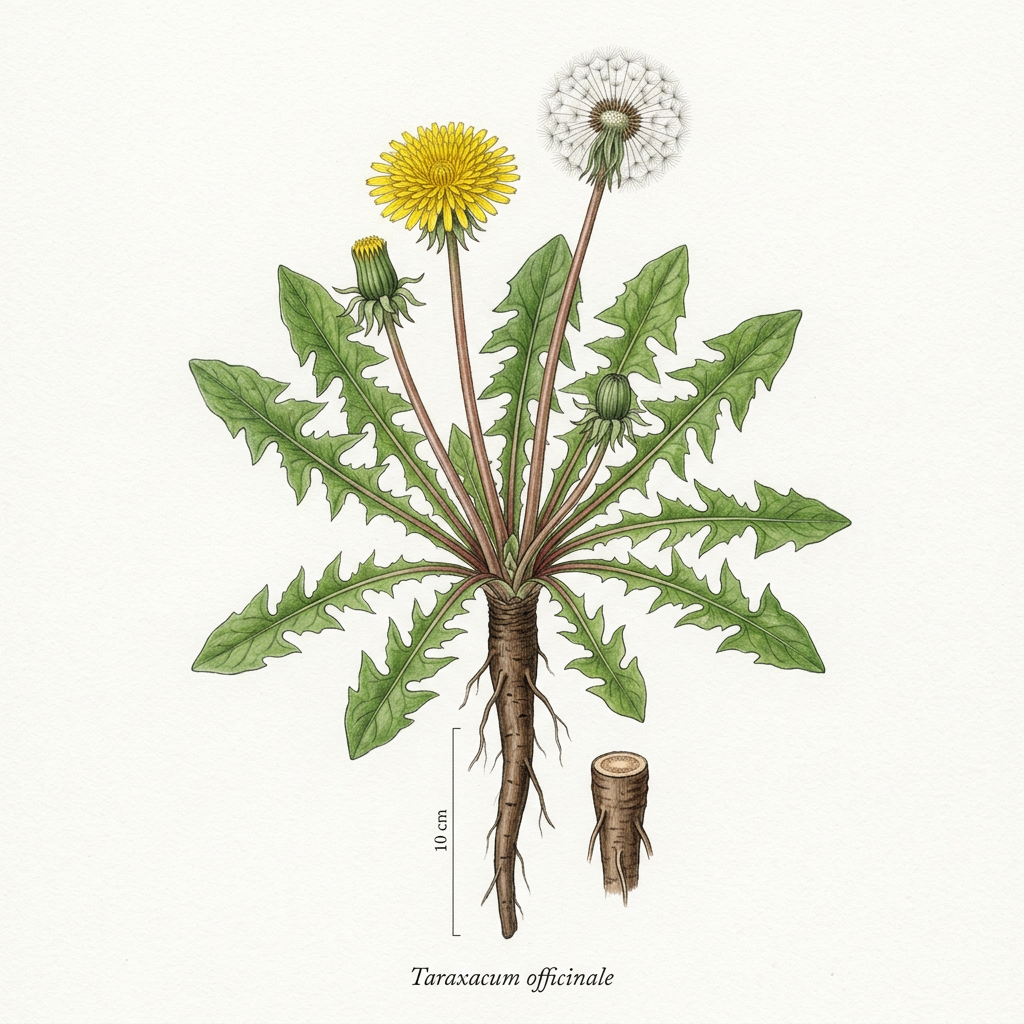
Dandelion

Dandelion

Taraxacum officinale

Detoxification
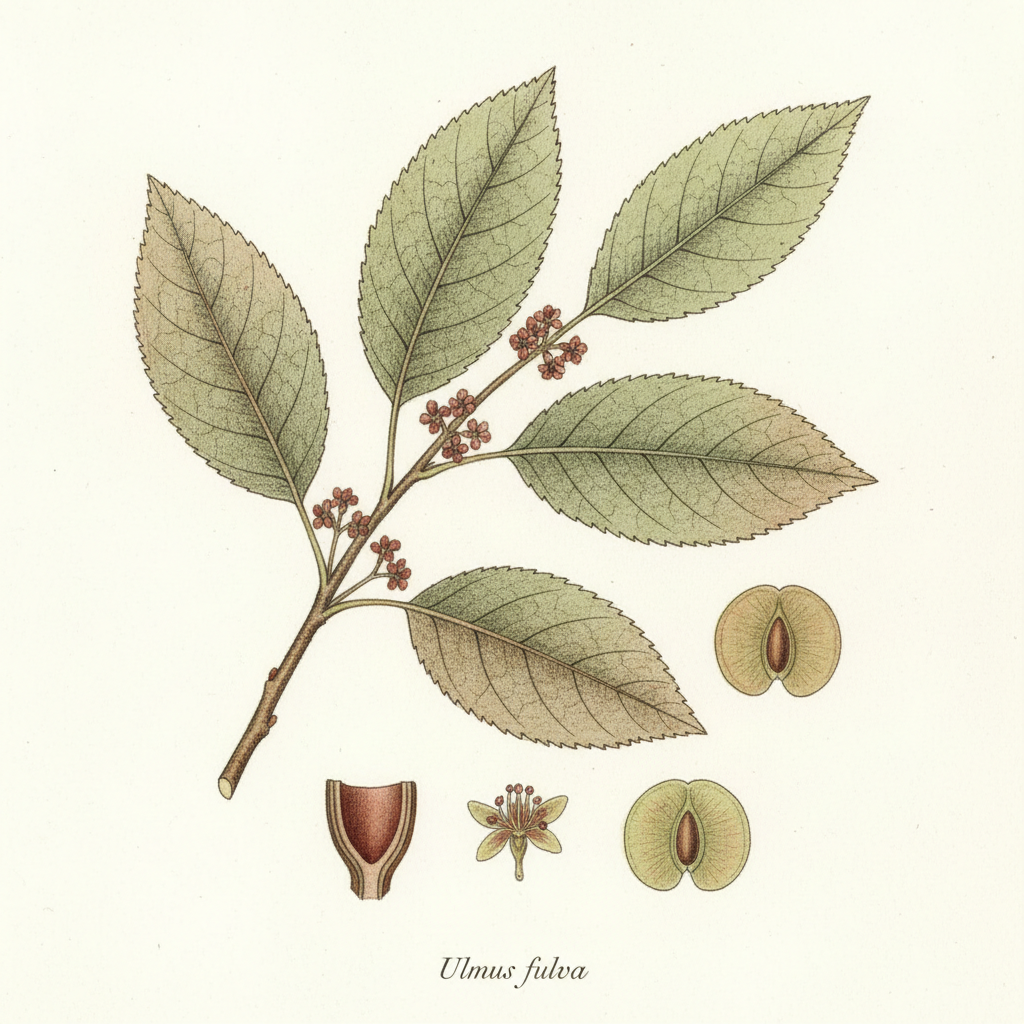
Slippery Elm

Slippery Elm

Ulmus fulva

Convalescence
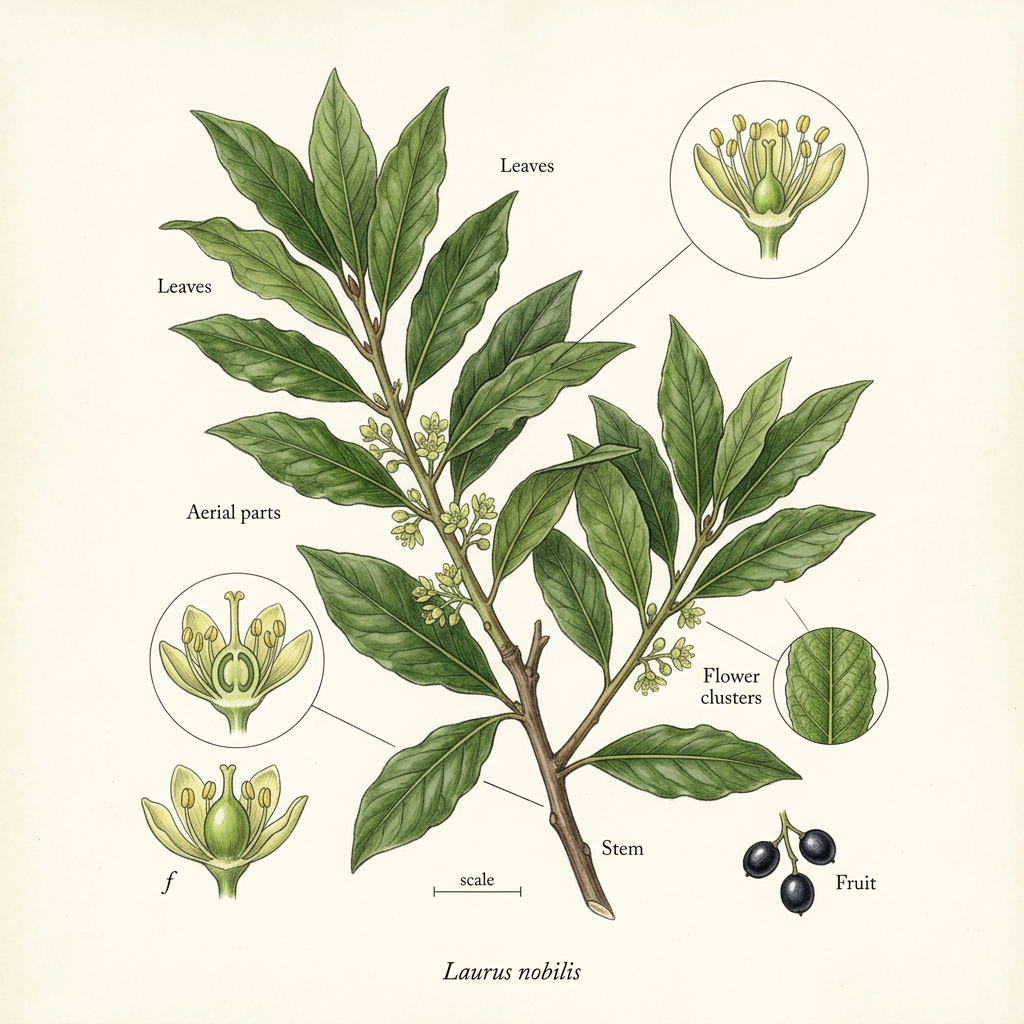
Bay Laurel

Bay Laurel

Laurus nobilis

Digestive Aid
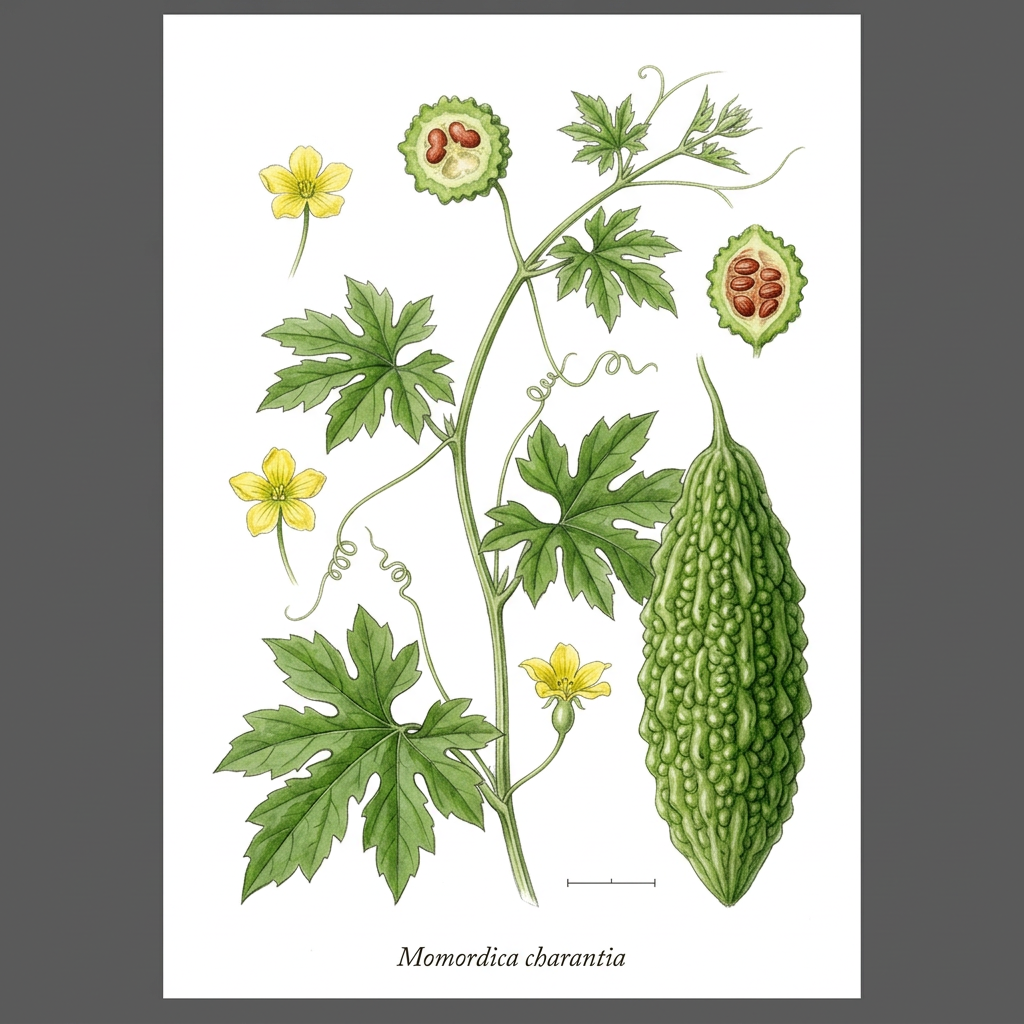
Bitter Melon

Bitter Melon

Momordica charantia

Blood Sugar Support