The Wild Sage logo
The Wild Sage Logo

Herbal Medicine at your fingertips

Comprehensive database of herbal remedies with detailed safety information and traditional uses

New to herbal terms? Read the glossary →
ADHD
Abcess
Acid Reflux Relief
Acinetobacter
Acne
Acne Vulgaris
Addisons
Adenomyosis
Adenovirus
Adrenal fatigue
Aging
Aids
Alcaligenes faecalis
Alcoholism
Allergic Rhinitis
Allergies
Allergy
Alopoecia
Alopoecia nervosa
Alzheimer's, Dementia & Cognitive Decline
420 herbs found
Important: This information is for educational purposes only. Always consult with qualified healthcare professionals before using herbal remedies, especially if you have existing health conditions or take medications.
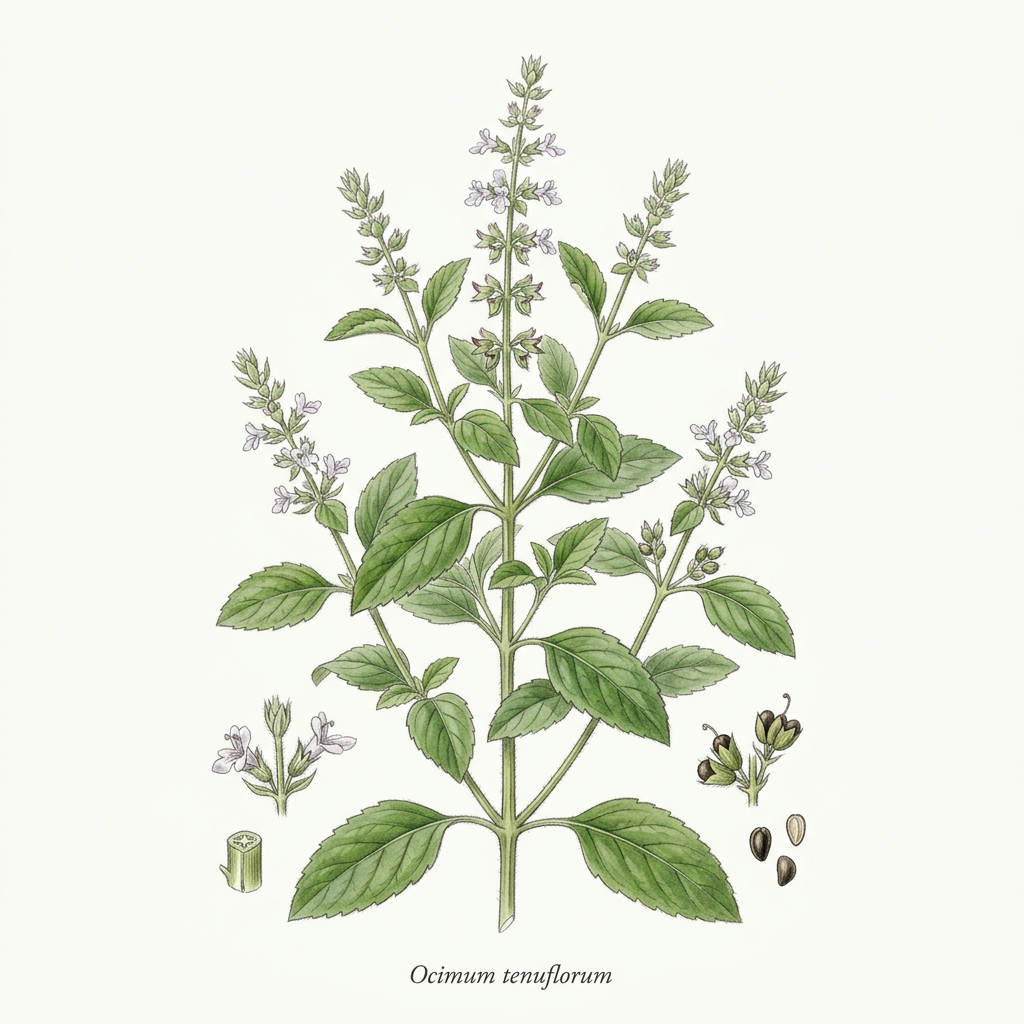
Tulsi

Tulsi

Ocimum tenuiflorum

moderate risk Risk
Lamiaceae
Promotes calmness and balance, enhancing peace and tranquility.
<p>Tulsi, also known as Holy Basil, is an aromatic, perennial shrub within the Lamiaceae family. It is characterised by its square stems, opposite, slightly serrated oval leaves, and spikes of small, pinkish-purple or white flowers. There are several varieties, most notably Krishna and Rama Tulsi, distinguished by leaf colour and intensity of aroma. It thrives in warm, humid climates and is native to the Indian subcontinent, where it is held in high cultural and religious regard.</p><p>Traditionally used for its role as an adaptogen in Ayurvedic medicine, Tulsi has been employed for centuries to support the body in managing stress, enhancing vitality, and promoting longevity. It is often regarded as a 'rasayana' or rejuvenative tonic, frequently used to support respiratory health, digestive comfort, and to clear the mind. Its use is deeply embedded in both daily ritual and formal herbal practice, valued for its ability to balance the nervous system.</p><p>Modern research into Tulsi has focused on its adaptogenic, antioxidant, and immunomodulatory activities, largely attributed to its volatile oils and phenolic compounds. Preliminary studies suggest it may help regulate blood glucose and lipid profiles, though human clinical evidence remains limited. In contemporary practice, it is widely indicated for stress-related fatigue, mild anxiety, and as a supportive tonic for maintaining general wellness during periods of heightened physical or mental demand.</p>

Uses & Conditions

Stress Management
Immune Support
Anxiety Disorders
Inflammation
Insomnia
Oxidative Stress
Digestive Disorders
Fever
Mouth Sores
Acne

Actions

Anxiolytic
Antioxidant
Immunomodulator
NF-kB Inhibitor
TNF-alpha Reduction
SOD Increasing
Glutathione Peroxidase Recycling Promoter

Parts Used

Leaves
Aerial parts

Native Countries

India
Nepal
Sri Lanka
Thailand
Bangladesh

USDA Hardiness Zones

10
11

Contraindications

  • Pregnancy: use is not recommended due to limited safety data
  • Breastfeeding: caution is advised as effects on nursing infants are unknown
  • Scheduled surgery: discontinue use at least two weeks prior to surgery due to potential influence on blood clotting and glycaemia
  • Patients with known hypoglycaemia or unstable blood sugar levels

Potential Side Effects

  • Mild gastrointestinal upset
  • Occasional allergic skin reactions

Interactions

  • Antidiabetic medications: potential for additive hypoglycaemic effects
  • Anticoagulant and antiplatelet drugs: theoretical risk of increased bleeding
  • CNS depressants and sedatives: may potentiate drowsiness
  • Thyroid hormone replacement therapy: potential for altering thyroid hormone levels

Dosages, tincture ratios & research — members only

Unlock Garreth's dosing guidance, tincture ratios, the dosage calculator and the research studies for Tulsi.

Your assessment and results stay saved — upgrading only unlocks more of them.

See membership plans

Community Photos

No community photos yet. Sign in to upload photos.

Reviews & Ratings

Sign in to leave a review.

No reviews yet. Be the first!

GF

Garreth Falls — B.Th., Dip. H.M., MNIMH

Content curated and reviewed by Garreth Falls, Consultant Medical Herbalist · The Wild Sage

Medical Disclaimer: This information is for educational purposes only and is not intended as medical advice. Always consult with qualified healthcare professionals before starting any herbal treatment.
Ayurvedic tradition

Sustainability & quality

Cultivated

Widely cultivated in pots or gardens; ensure plants are grown without synthetic pesticides. It is a highly popular herb, so reliable commercial supply chains are well-established.

Key constituents

Eugenol, Ursolic acid, Rosmarinic acid, Apigenin, Luteolin, Beta-caryophyllene, Ocimumosides

References

  1. Pole "Ayurvedic Medicine" 2006
  2. Herbal Reality. Herb monographs. herbalreality.com

Reviewed by Garreth, Medical Herbalist (MNIMH) · November 2026

Related conditions

Explore conditions where Tulsi is traditionally used.

Related Herbs
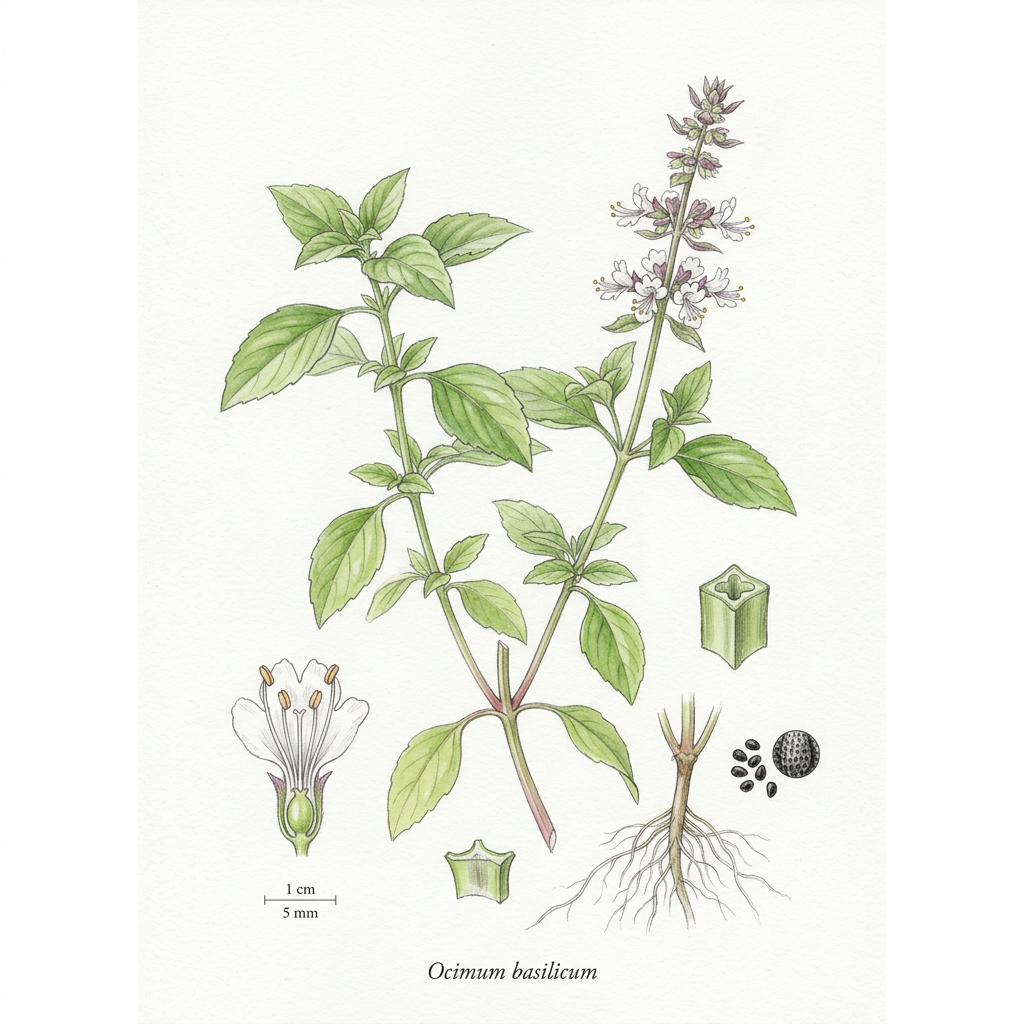
Basil

Basil

Ocimum basilicum

Convalescence
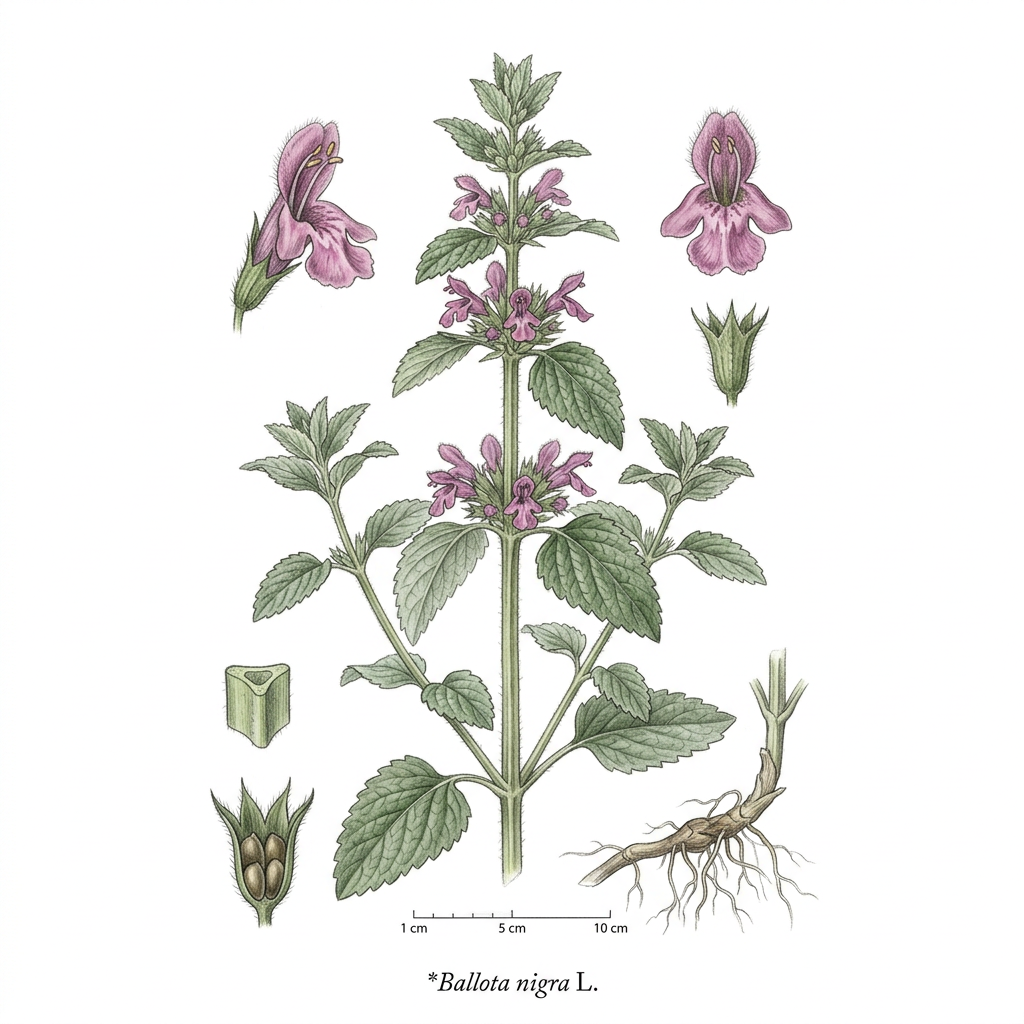
Black Horehound

Black Horehound

Ballota nigra

Digestive Aid
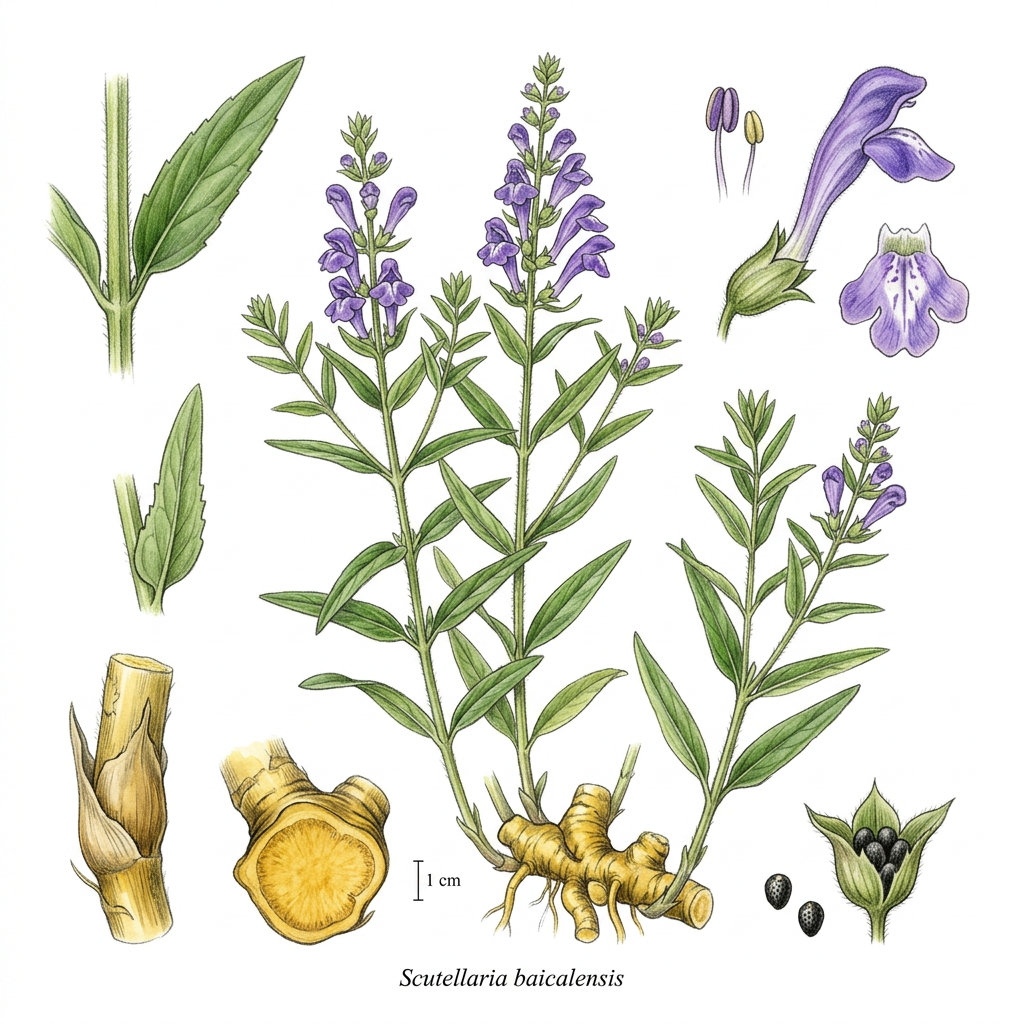
Chinese Skullcap

Chinese Skullcap

Scutellaria baicalensis
Immune Support
Ashwagandha

Ashwagandha

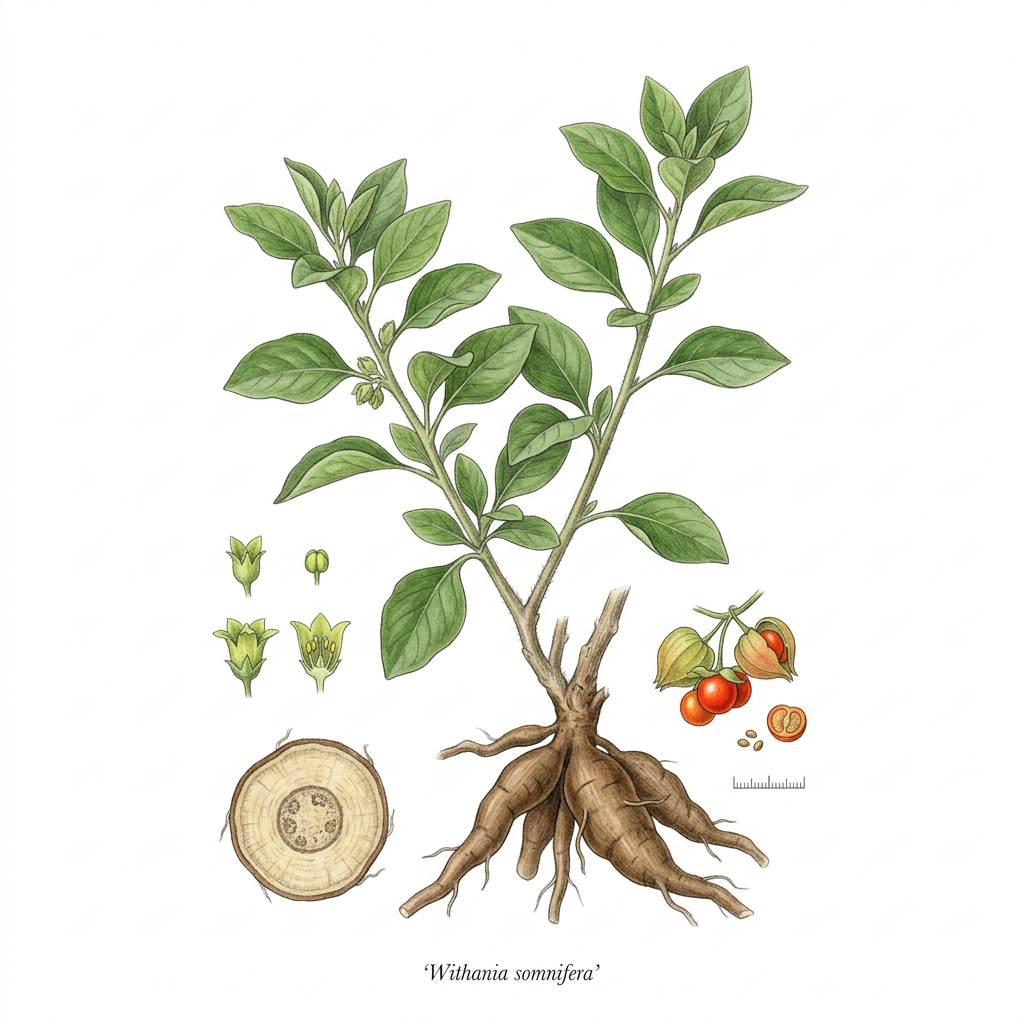
Withania somnifera

Immune Support