The Wild Sage logo
The Wild Sage Logo

Herbal Medicine at your fingertips

Comprehensive database of herbal remedies with detailed safety information and traditional uses

New to herbal terms? Read the glossary →
ADHD
Abcess
Acid Reflux Relief
Acinetobacter
Acne
Acne Vulgaris
Addisons
Adenomyosis
Adenovirus
Adrenal fatigue
Aging
Aids
Alcaligenes faecalis
Alcoholism
Allergic Rhinitis
Allergies
Allergy
Alopoecia
Alopoecia nervosa
Alzheimer's, Dementia & Cognitive Decline
420 herbs found
Important: This information is for educational purposes only. Always consult with qualified healthcare professionals before using herbal remedies, especially if you have existing health conditions or take medications.
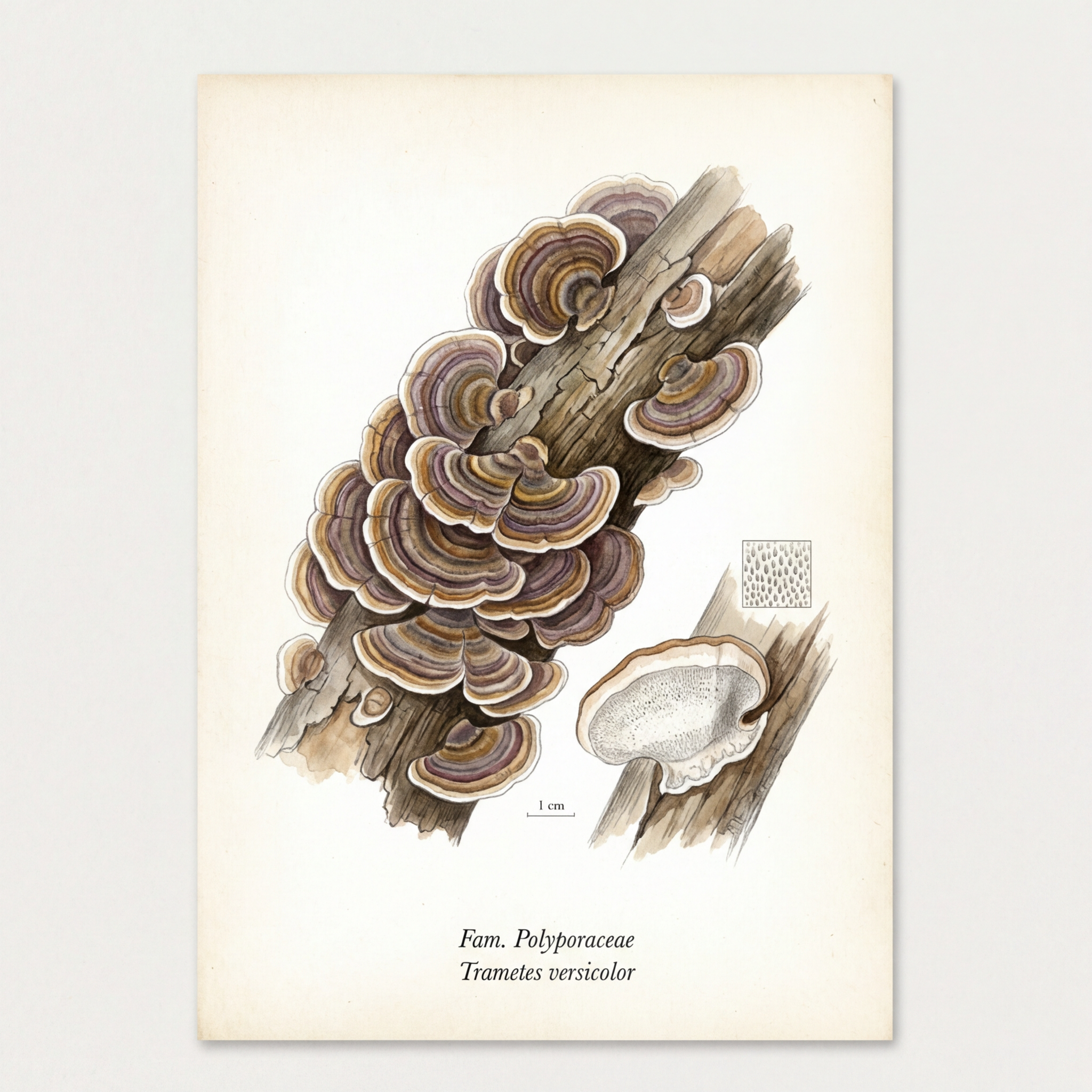
Turkey Tail

Turkey Tail

Trametes versicolor

low risk Risk
Polyporaceae
<p>Trametes versicolor, commonly known as the turkey tail mushroom, is a polypore fungus found throughout the world, notable for its distinctive multicolored concentric rings reminiscent of a turkey's tail feathers. This beneficial fungus has a rich history rooted in traditional medicine, particularly within various Asian cultures, where it has been employed for centuries as an immune enhancer and overall health tonic. In Traditional Chinese Medicine (TCM), for example, it is classified as a Qi tonic, used to bolster vitality and support overall well-being. The appreciation of Trametes versicolor has surged in recent years, drawing attention from both herbalists and modern science for its promising health benefits. The therapeutic properties of Trametes versicolor are attributed primarily to its rich composition of polysaccharopeptides, including the well-researched polysaccharide krestin (PSK) and polysaccharide peptide (PSP). These compounds are recognized for their ability to modulate the immune system, enhance cellular immunity, and potentially inhibit tumor growth. In clinical studies, Trametes versicolor has been investigated for its adjuvant roles in cancer therapy, showing promise in improving the efficacy of treatments such as chemotherapy and radiation while mitigating related side effects. Additionally, this mushroom is known for its antioxidant properties, which may help combat oxidative stress and promote overall health. The mechanisms by which Trametes versicolor exerts its effects in the body are multifaceted. Its polysaccharides interact with immune cells, particularly macrophages and natural killer cells, enhancing their activity and facilitating a more robust immune response. By promoting the production of key cytokines, Trametes versicolor helps orchestrate an effective immune response against pathogens and potentially cancerous cells. Beyond immunity, preliminary studies indicate its potential role in liver health, gut microbiome balance, and even anti-inflammatory effects. As research continues to unveil its benefits and mechanisms, Trametes versicolor stands as a compelling example of how traditional wisdom can illuminate pathways for modern medicinal exploration.</p>

Uses & Conditions

Immune Support
Vitality Enhancement
Antioxidant Support
Gut Health
Liver Health
Qi Tonic
Non-Small Cell Lung Cancer
Oesophageal Cancer
Breast Cancer
Colon Cancer
HSV
Immune Deficiency
Rhinitis
HIV
Chronic Fatigue
Atherosclerosis
Bacillus Infection

Actions

Immunomodulating
Anti-inflammatory
Antioxidant

Parts Used

Dried fruiting body (sporocarp)

Native Countries

North America
Asia
Europe
Australia
New Zealand

USDA Hardiness Zones

3
4
5
6
7
8

Contraindications

  • Pregnancy: Avoid due to insufficient safety data
  • Breastfeeding: Avoid due to lack of established safety profile
  • Autoimmune conditions: Use with caution
  • Organ transplant recipients: Contraindicated due to risk of organ rejection
  • Planned surgery: Discontinue at least two weeks prior to surgery

Potential Side Effects

  • Gastrointestinal upset including mild diarrhoea or abdominal bloating
  • Darkened stool colour
  • Rare skin rash or hypersensitivity

Interactions

  • Immunosuppressant drugs: May counteract immune-dampening medication
  • Chemotherapy agents: Use only under strict clinical supervision
  • Blood glucose-lowering medication: Potential additive hypoglycaemic effects
  • Anticoagulants and antiplatelet drugs: Theoretical risk of increased bleeding

Dosages, tincture ratios & research — members only

Unlock Garreth's dosing guidance, tincture ratios, the dosage calculator and the research studies for Turkey Tail.

Your assessment and results stay saved — upgrading only unlocks more of them.

See membership plans

Community Photos

No community photos yet. Sign in to upload photos.

Reviews & Ratings

Sign in to leave a review.

No reviews yet. Be the first!

GF

Garreth Falls — B.Th., Dip. H.M., MNIMH

Content curated and reviewed by Garreth Falls, Consultant Medical Herbalist · The Wild Sage

Medical Disclaimer: This information is for educational purposes only and is not intended as medical advice. Always consult with qualified healthcare professionals before starting any herbal treatment.
Chinese tradition

Sustainability & quality

Abundant

Commonly found in woodland environments; ensure substrate quality if cultivated.

Key constituents

Polysaccharopeptides (PSP), Polysaccharide-K (PSK/Krestin), Beta-D-glucans, Triterpenoids, Phenolic compounds, Flavonoids, Ergosterol

References

  1. Bensky "Chinese Herbal Medicine: Materia Medica" 3rd ed. 2004
  2. Herbal Reality. Herb monographs. herbalreality.com

Reviewed by Garreth, Medical Herbalist (MNIMH) · November 2026

Related conditions

Explore conditions where Turkey Tail is traditionally used.

Related Herbs
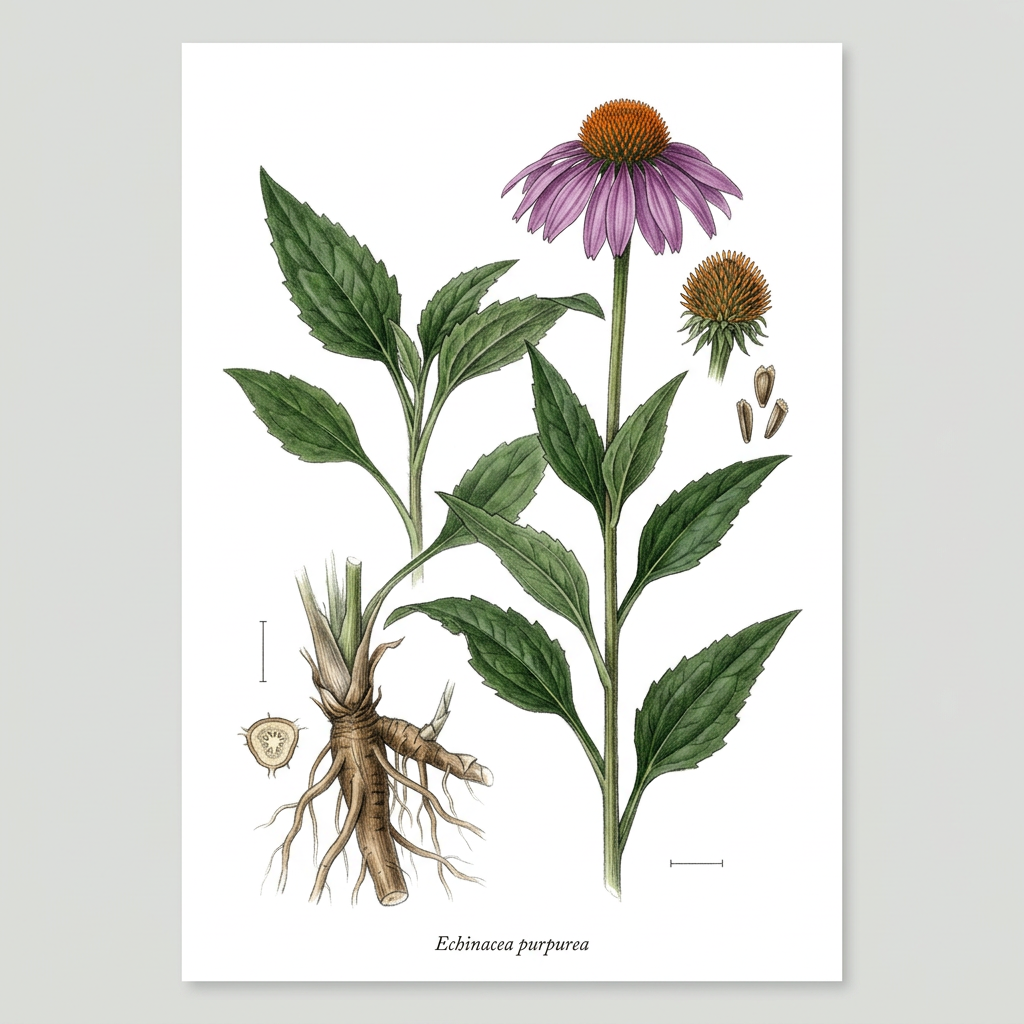
Echinacea purpurea

Echinacea purpurea
Echinacea purpurea

Immune Support
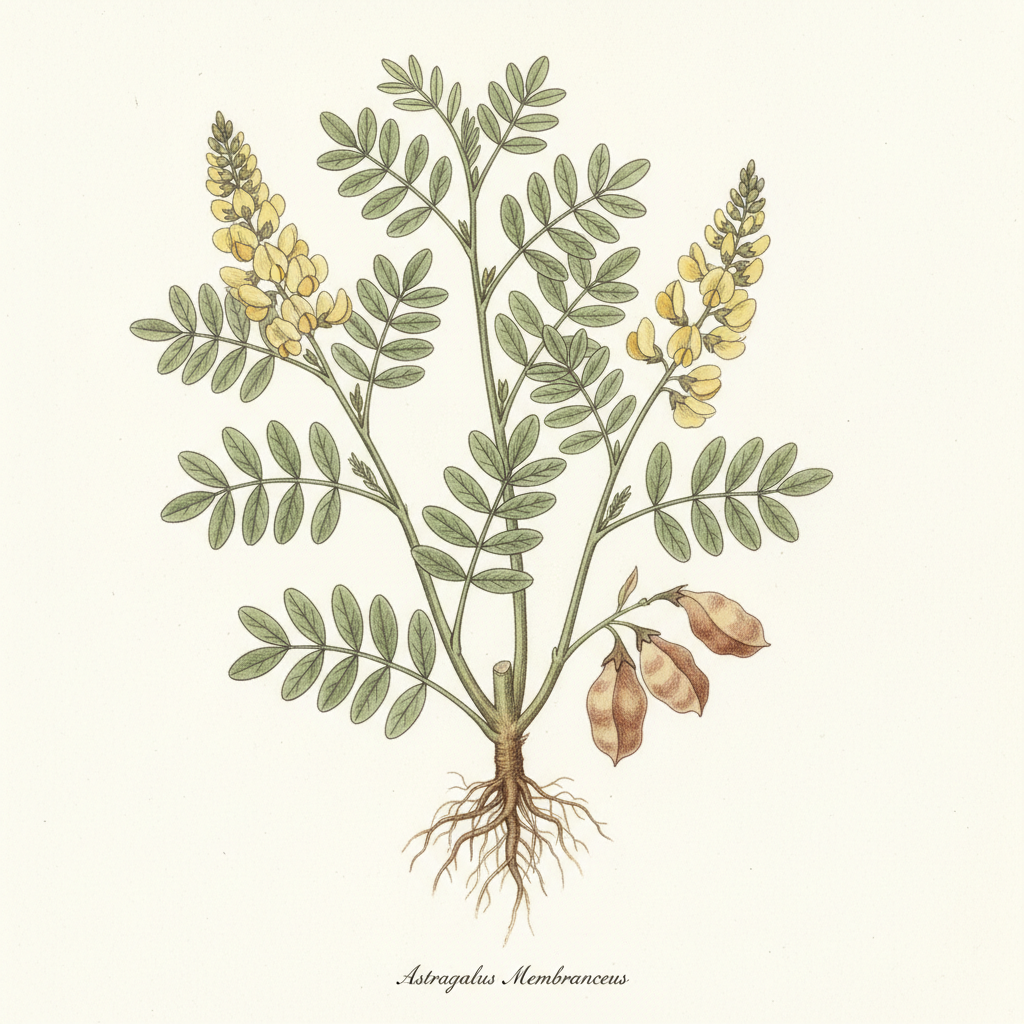
Huang qi

Huang qi

Astragalus membranaceus

Immune Support
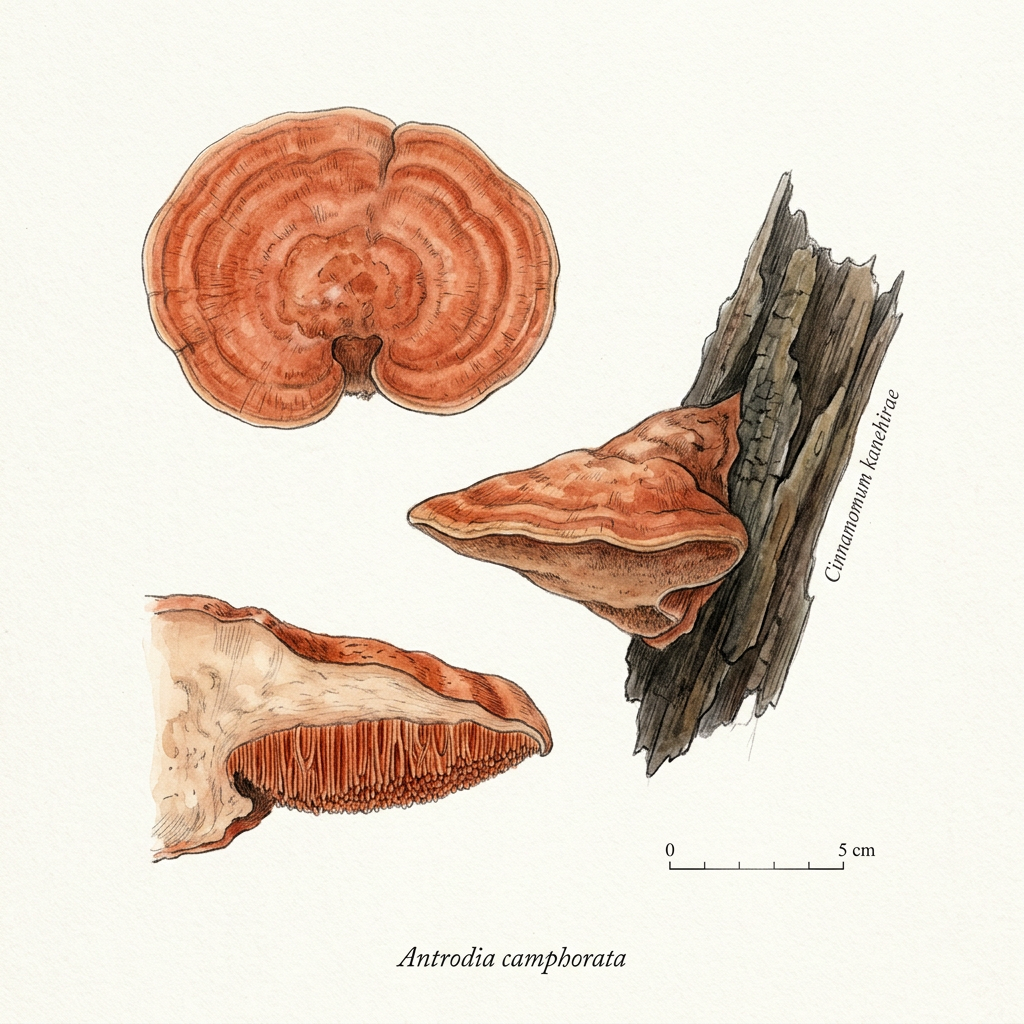
Antrodia

Antrodia

Antrodia camphorata

Immune Support
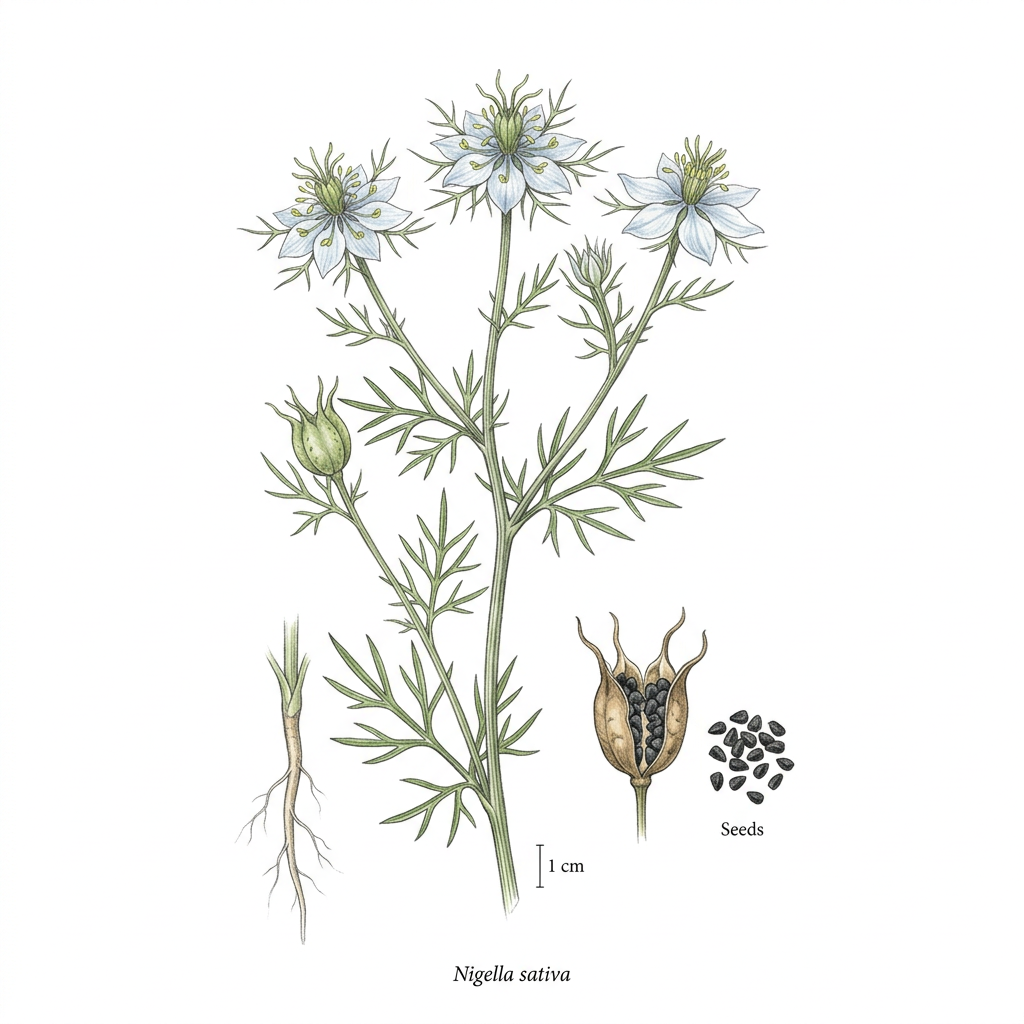
Black Cumin Seed

Black Cumin Seed

Nigella sativa

Antioxidant Support