The Wild Sage logo
The Wild Sage Logo

Herbal Medicine at your fingertips

Comprehensive database of herbal remedies with detailed safety information and traditional uses

New to herbal terms? Read the glossary →
ADHD
Abcess
Acid Reflux Relief
Acinetobacter
Acne
Acne Vulgaris
Addisons
Adenomyosis
Adenovirus
Adrenal fatigue
Aging
Aids
Alcaligenes faecalis
Alcoholism
Allergic Rhinitis
Allergies
Allergy
Alopoecia
Alopoecia nervosa
Alzheimer's, Dementia & Cognitive Decline
420 herbs found
Important: This information is for educational purposes only. Always consult with qualified healthcare professionals before using herbal remedies, especially if you have existing health conditions or take medications.
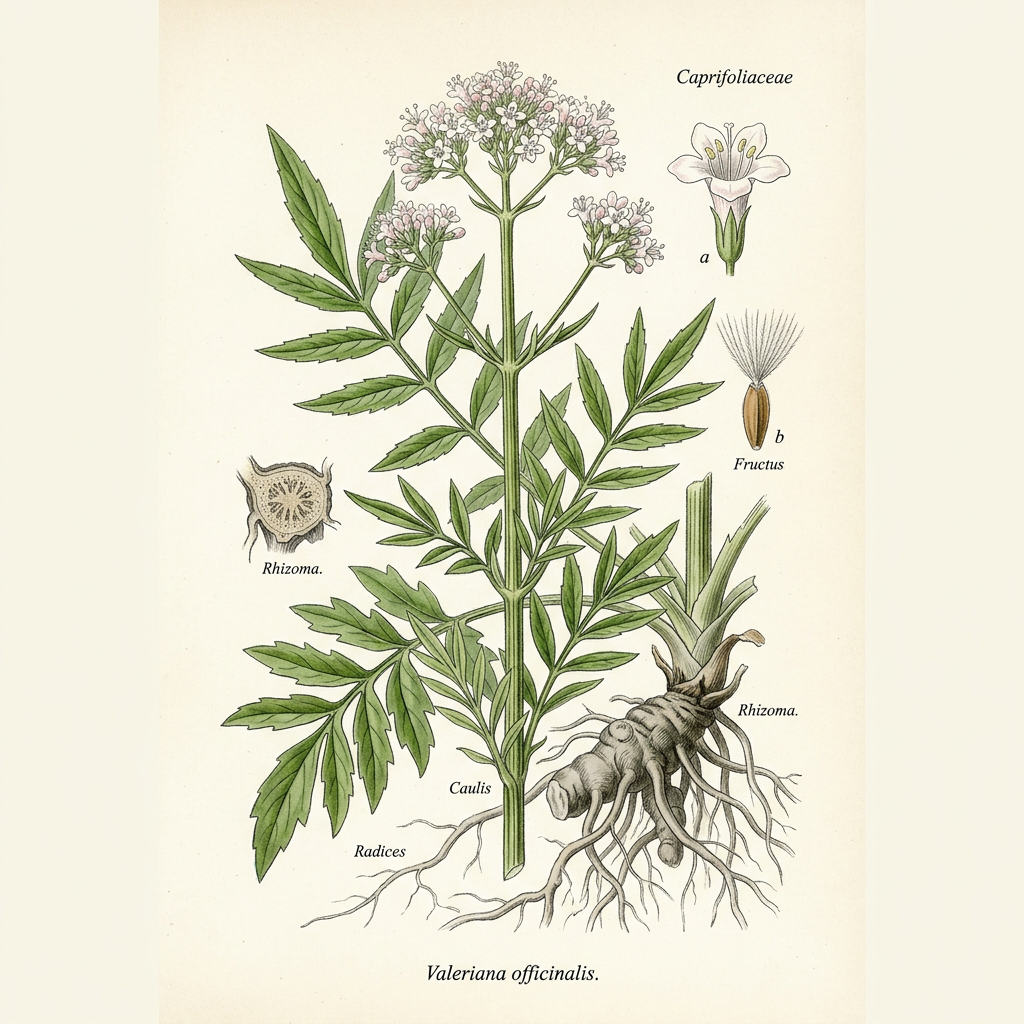
Valerian

Valerian

Valeriana officinalis

low risk Risk
Caprifoliaceae
Cooling and moistening, Valerian calms anxiety, promotes sleep, and grounds agitation.
<p>Valerian, scientifically known as Valeriana officinalis, is a perennial flowering plant native to Europe and parts of Asia, and its use as a medicinal herb dates back to ancient times. Historically, valerian roots have been utilized in traditional herbal medicine for their sedative and calming properties. Ancient Greeks and Romans valued valerian for its ability to promote sleep and alleviate anxiety. The name "valerian" is derived from the Latin word "valere," which means "to be strong or healthy," reflecting its long-standing reputation for aiding in various health conditions, particularly sleep disorders. Throughout the centuries, it has found its place in herbal pharmacopoeias, gaining prominence in the folk medicine of numerous cultures, from the Middle Ages through the Renaissance and into modern herbal practices. Valerian is primarily recognized for its powerful sedative effects, making it an invaluable ally for individuals suffering from insomnia, anxiety, and general restlessness. Its therapeutic properties are largely attributed to compounds known as valerenic acids and various antioxidants, which work synergistically to regulate neurotransmitters and promote relaxation without the grogginess often associated with pharmaceutical sedatives. Valerian acts as a gentle relaxant, helping to reduce anxiety levels while enhancing sleep quality by decreasing the time it takes to fall asleep and improving overall sleep duration. Additionally, it may provide relief from muscle tension and menstrual discomfort, making it a versatile herb with applications extending beyond restful sleep. The mechanisms by which valerian exerts its calming effects on the body are multifaceted. Research suggests that valerian enhances the availability of gamma-aminobutyric acid (GABA), a neurotransmitter that plays a crucial role in regulating neuronal excitability throughout the nervous system. By increasing GABA levels, valerian promotes a state of calm and reduces feelings of anxiety, ultimately contributing to improved sleep quality. Moreover, its ability to modulate stress responses and promote relaxation is supported by its rich array of bioactive compounds, which not only ease mental tension but also may facilitate restorative processes in the body. As such, valerian stands out in the realm of herbal medicine as a comprehensive solution for those seeking a natural approach to achieving peace of mind and a restful night’s sleep.</p>

Uses & Conditions

Sedation
Relaxation
Sleep Aid
Anxiety Disorders
Insomnia
Stress-Related Disorders
Dysmenorrhoea
Hypertension
Premature Ejaculation
Headache
Epilepsy
Drug Withdrawal
Restlessness
Nervousness

Actions

Anxiolytic
Calming
Relaxant
Nervine

Synonyms

Valerian

Parts Used

Aerial parts
Leaves
Roots

Native Countries

Europe

USDA Hardiness Zones

USDA 3-9
USDA 4-10
USDA 5-8

Contraindications

  • Avoid during pregnancy due to insufficient safety data and potential uterine effects
  • Use cautiously in individuals with epilepsy

Potential Side Effects

  • Paradoxical excitation or restlessness
  • Gastrointestinal upset including mild stomach cramps or nausea
  • Morning grogginess or lethargy
  • Headache or dizziness

Interactions

  • Benzodiazepines and barbiturates: potential additive sedative effects
  • Alcohol: may intensify sedative effects and lead to excessive drowsiness
  • Anaesthetics: discontinue use at least two weeks prior to surgery
  • CNS depressants: risk of profound drowsiness or impaired motor coordination

Dosages, tincture ratios & research — members only

Unlock Garreth's dosing guidance, tincture ratios, the dosage calculator and the research studies for Valerian.

Your assessment and results stay saved — upgrading only unlocks more of them.

See membership plans

Community Photos

No community photos yet. Sign in to upload photos.

Reviews & Ratings

Sign in to leave a review.

No reviews yet. Be the first!

GF

Garreth Falls — B.Th., Dip. H.M., MNIMH

Content curated and reviewed by Garreth Falls, Consultant Medical Herbalist · The Wild Sage

Medical Disclaimer: This information is for educational purposes only and is not intended as medical advice. Always consult with qualified healthcare professionals before starting any herbal treatment.
Western tradition

Sustainability & quality

Cultivated

Wild-harvested Valeriana can be over-exploited; cultivated root is standardized, more sustainable, and preferred for quality control.

Key constituents

Valerenic acid, Valepotriates, Essential oils (e.g., borneol, isovaleraldehyde)

References

  1. ESCOP Monographs 2nd ed. 2003
  2. EMA/HMPC Community Herbal Monograph
  3. British Herbal Pharmacopoeia 1983
  4. Herbal Reality. Herb monographs. herbalreality.com

Reviewed by Garreth, Medical Herbalist (MNIMH) · November 2026

Related conditions

Explore conditions where Valerian is traditionally used.

Related Herbs
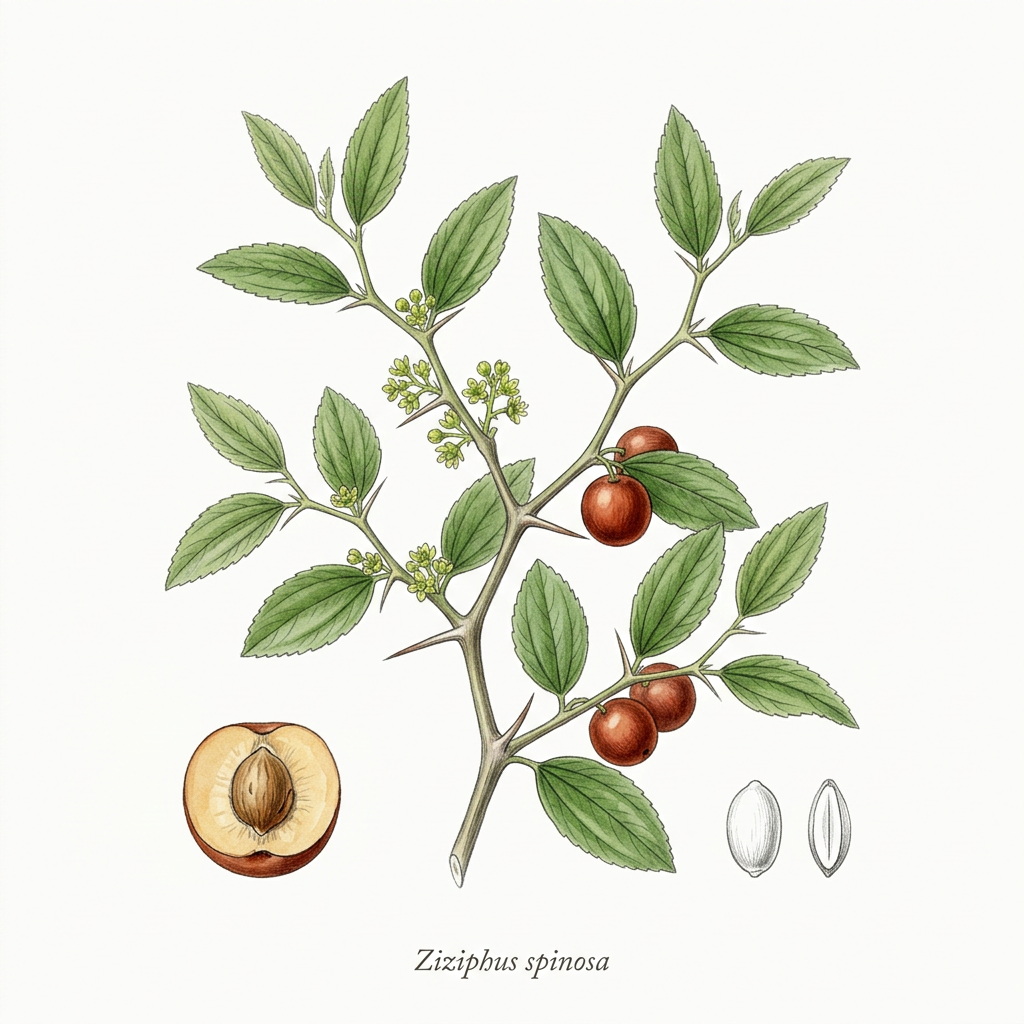
Ziziphus

Ziziphus

Ziziphus spinosa

Sleep Aid
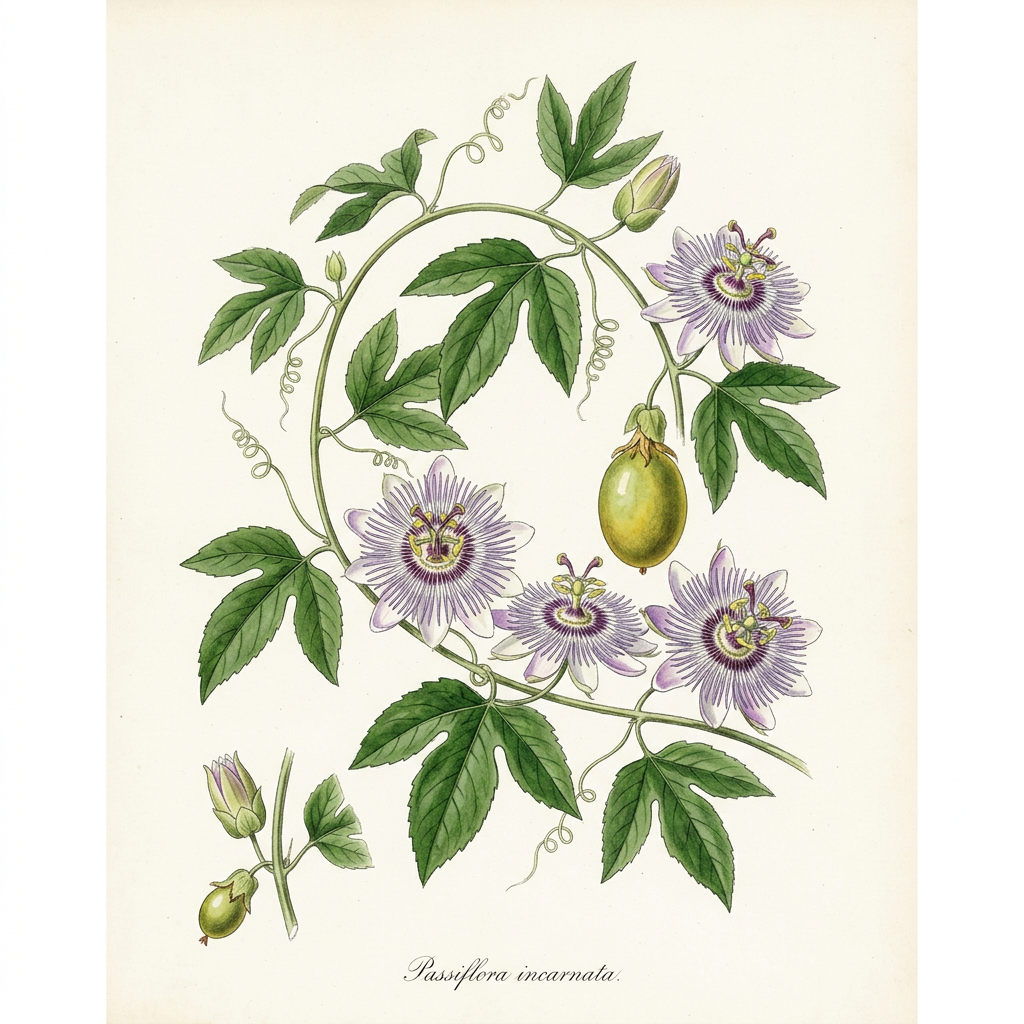
Passionflower

Passionflower

Passiflora incarnata

Calming Effects
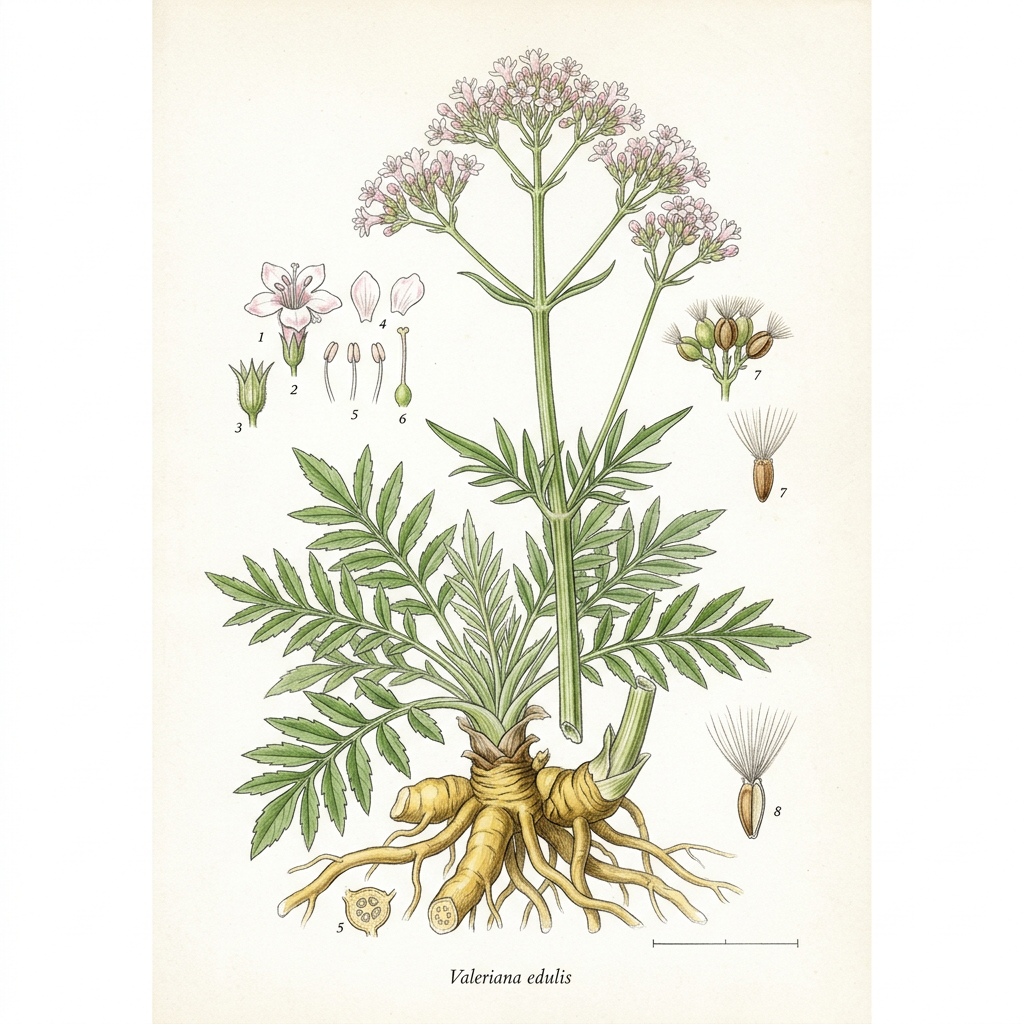
Mexican valerian

Mexican valerian

Valeriana edulis

Sleep Aid
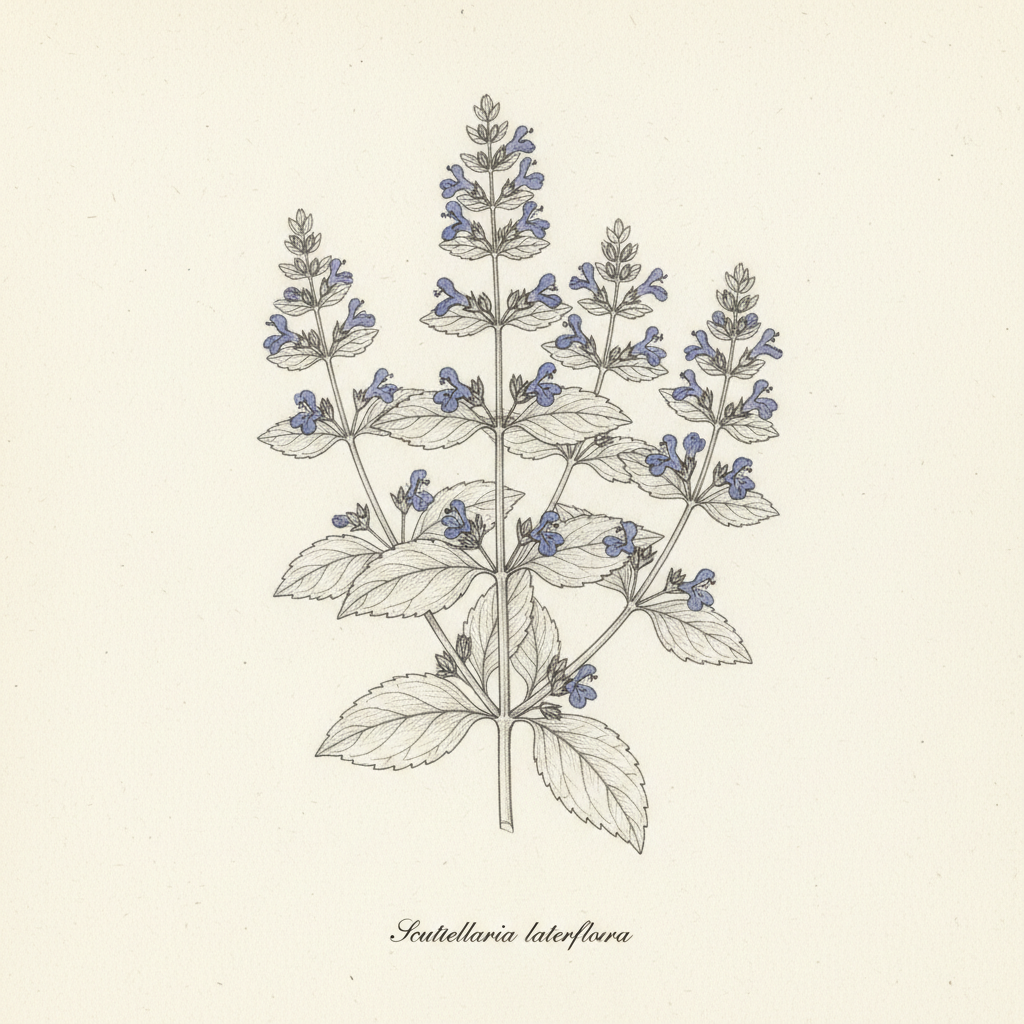
Skullcap

Skullcap

Scutellaria lateriflora

Nervous System Support