The Wild Sage logo
The Wild Sage Logo

Herbal Medicine at your fingertips

Comprehensive database of herbal remedies with detailed safety information and traditional uses

New to herbal terms? Read the glossary →
ADHD
Abcess
Acid Reflux Relief
Acinetobacter
Acne
Acne Vulgaris
Addisons
Adenomyosis
Adenovirus
Adrenal fatigue
Aging
Aids
Alcaligenes faecalis
Alcoholism
Allergic Rhinitis
Allergies
Allergy
Alopoecia
Alopoecia nervosa
Alzheimer's, Dementia & Cognitive Decline
420 herbs found
Important: This information is for educational purposes only. Always consult with qualified healthcare professionals before using herbal remedies, especially if you have existing health conditions or take medications.
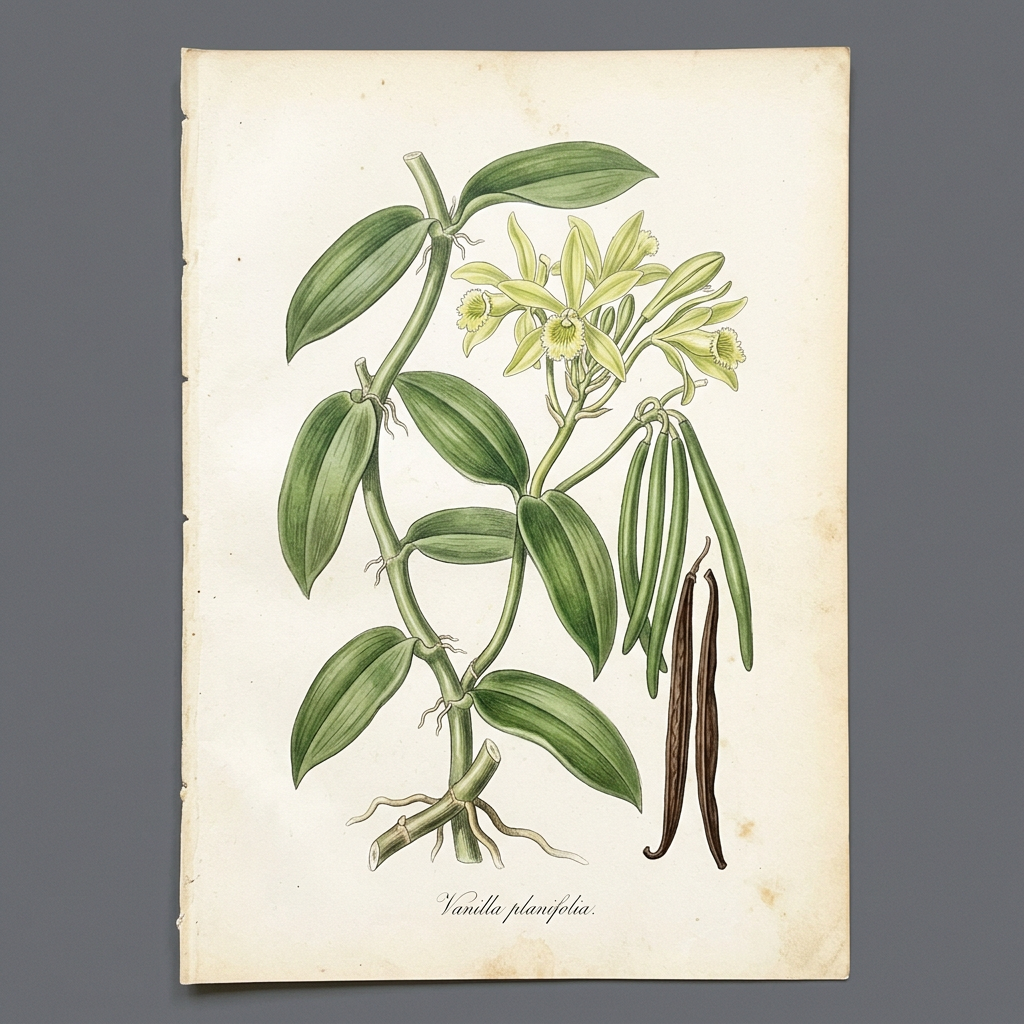
Vanilla

Vanilla

Vanilla planifolia

low risk Risk
Orchidaceae
<p>Vanilla planifolia, commonly known as vanilla, is a tropical climbing orchid renowned not only for its aromatic pods but also for its multifaceted applications in culinary, medicinal, and cosmetic domains. Indigenous to Mesoamerica, vanilla has a rich history dating back to the ancient Totonac people of Mexico, who first cultivated it. Following the arrival of European colonizers, vanilla spread across the globe, becoming a staple in desserts and a flavoring agent in various cuisines. Historically, it was revered not only for its delightful aroma and taste but also for its purported aphrodisiac properties and use in traditional medicine. The labor-intensive process of pollinating and curing vanilla pods has contributed to its status as one of the most labor-intensive agricultural products, a fact that only adds to its allure. In terms of therapeutic properties, vanilla is celebrated for its antioxidant, anti-inflammatory, and antibacterial effects. The complex mixture of compounds found in vanilla, including vanillin and various phenolic compounds, contributes to its unique profile of health benefits. These antioxidants combat oxidative stress in the body, thereby helping to reduce the risk of chronic diseases. Furthermore, studies suggest that vanilla extracts may possess mood-enhancing properties, serving as a natural remedy for mild anxiety and depression. Its soothing aroma can help reduce stress levels, promoting emotional well-being and relaxation. Additionally, vanilla is often used in cosmetics and aromatherapy due to its skin-soothing properties, assisting in the reduction of skin irritations and providing a calming effect during skincare routines. Vanilla's beneficial effects on the body can be attributed to its active compounds interacting with various biological pathways. When consumed or inhaled, vanillin, the primary compound responsible for vanilla's flavor and fragrance, is thought to engage the body's neurochemical processes, facilitating the release of serotonin and dopamine—neurotransmitters that play vital roles in mood regulation. This interaction promotes a sense of well-being and contentment. Moreover, vanilla's anti-inflammatory properties may help alleviate discomfort associated with digestive issues and respiratory conditions, enhancing gastrointestinal health and providing relief from respiratory irritation. The combination of these properties makes vanilla not merely a flavoring agent but a valuable herb with a profound and wide-ranging impact on health and wellness.</p>

Uses & Conditions

Emotional Well-being
Culinary Flavoring
Traditional Medicine
Mild Anxiety
Depression
Stress
Skin Irritation
Gastrointestinal Disorders
Respiratory Irritation

Actions

Aphrodisiac
Antioxidant
Anti-inflammatory
Antibacterial
Anxiolytic
Calming

Parts Used

Cured fruit (pod)

USDA Hardiness Zones

10
11
12

Contraindications

  • Known allergy to members of the Orchidaceae family
  • Pregnancy and breastfeeding
  • Children under the age of 12 years
  • History of contact dermatitis
  • Scheduled surgery within two weeks

Potential Side Effects

  • Contact dermatitis with topical use
  • Headaches from prolonged inhalation
  • Mild gastrointestinal upset from high concentrated doses

Interactions

  • Monoamine oxidase inhibitors (MAOIs)
  • Sedative medications
  • Serotonergic antidepressants

Dosages, tincture ratios & research — members only

Unlock Garreth's dosing guidance, tincture ratios, the dosage calculator and the research studies for Vanilla.

Your assessment and results stay saved — upgrading only unlocks more of them.

See membership plans

Community Photos

No community photos yet. Sign in to upload photos.

Reviews & Ratings

Sign in to leave a review.

No reviews yet. Be the first!

GF

Garreth Falls — B.Th., Dip. H.M., MNIMH

Content curated and reviewed by Garreth Falls, Consultant Medical Herbalist · The Wild Sage

Medical Disclaimer: This information is for educational purposes only and is not intended as medical advice. Always consult with qualified healthcare professionals before starting any herbal treatment.
Western tradition

Sustainability & quality

Cultivated

Most commercial supply is cultivated; look for fair-trade certifications to support sustainable farming.

Key constituents

Vanillin, Vanillic acid, p-Hydroxybenzaldehyde, Vanillyl alcohol, Phenolic compounds, Essential oils

References

  1. Herbal Reality. Herb monographs. herbalreality.com

Reviewed by Garreth, Medical Herbalist (MNIMH) · November 2026

Related conditions

Explore conditions where Vanilla is traditionally used.

Related Herbs
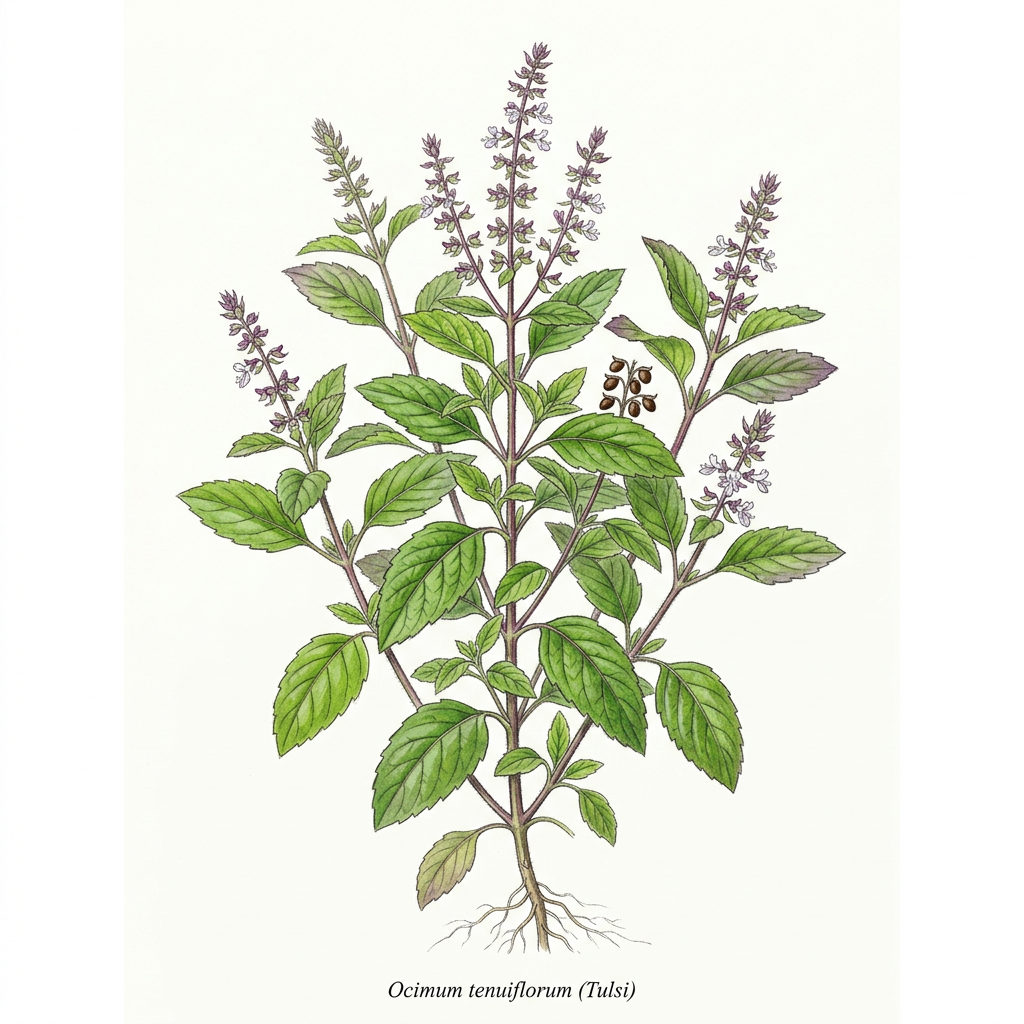
Holy Basil (Tulsi)

Holy Basil (Tulsi)

Ocimum tenuiflorum
Adaptogen
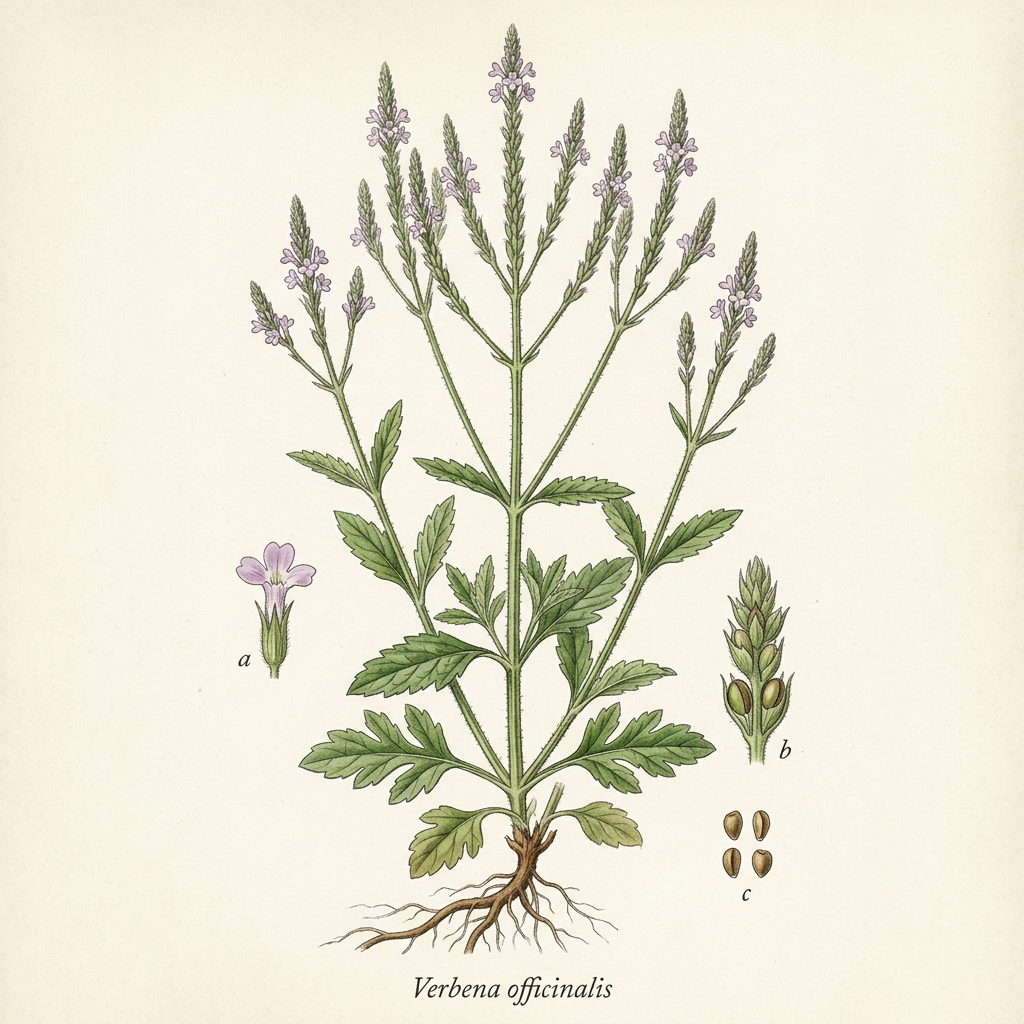
Vervain

Vervain

Verbena officinalis

Calming
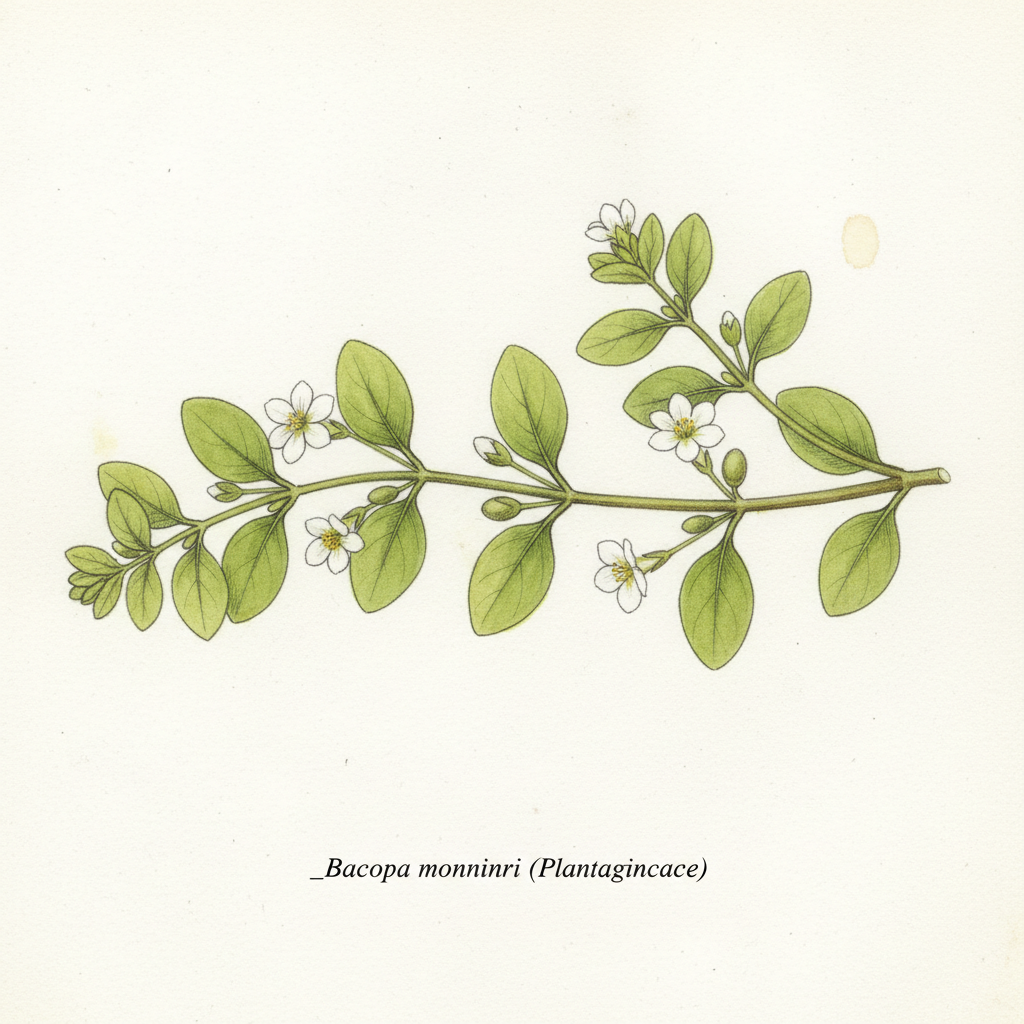
Water hyssop

Water hyssop

Bacopa monnieri

Memory Enhancement
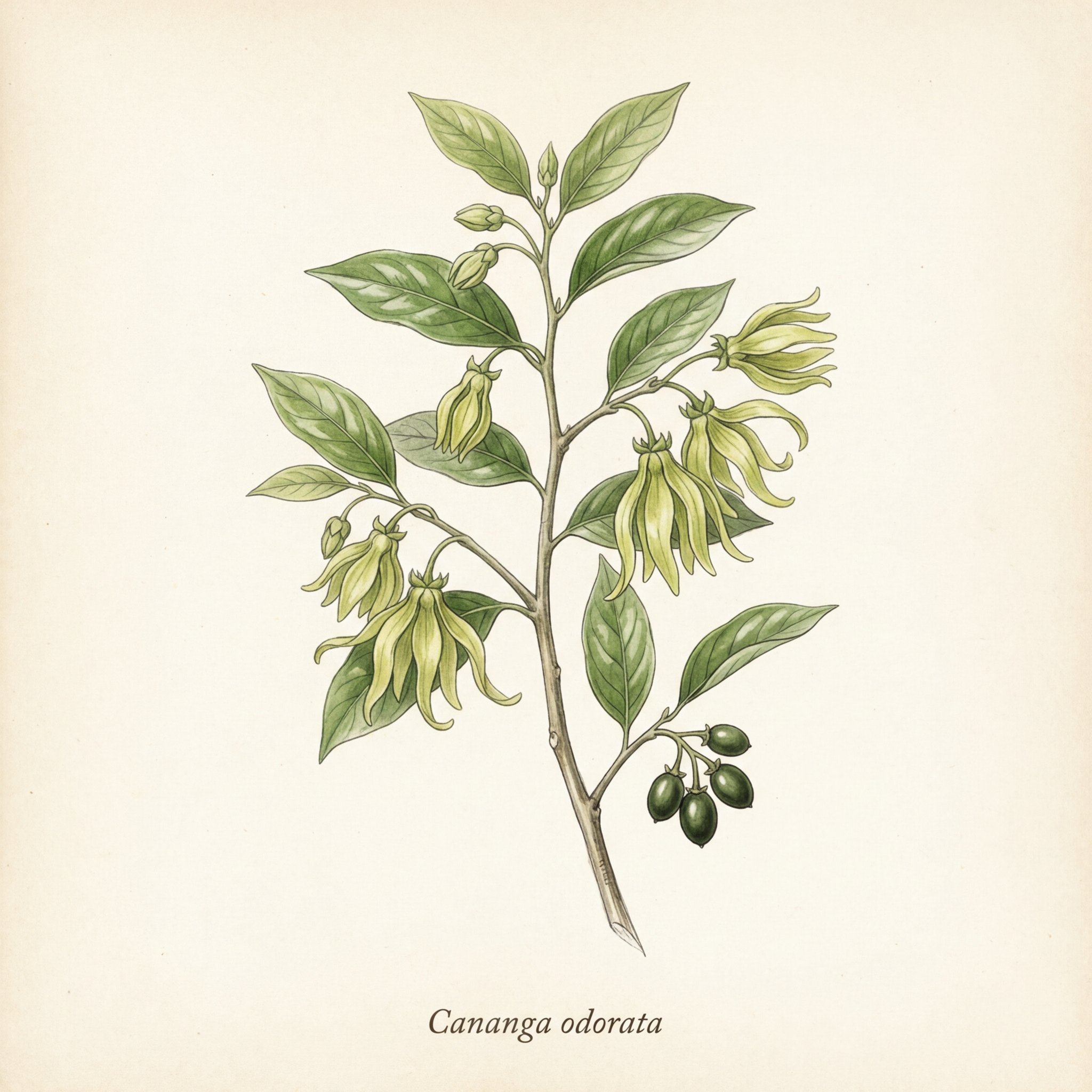
Ylang ylang

Ylang ylang

Cananga odorata

Aromatherapy