The Wild Sage logo
The Wild Sage Logo

Herbal Medicine at your fingertips

Comprehensive database of herbal remedies with detailed safety information and traditional uses

New to herbal terms? Read the glossary →
ADHD
Abcess
Acid Reflux Relief
Acinetobacter
Acne
Acne Vulgaris
Addisons
Adenomyosis
Adenovirus
Adrenal fatigue
Aging
Aids
Alcaligenes faecalis
Alcoholism
Allergic Rhinitis
Allergies
Allergy
Alopoecia
Alopoecia nervosa
Alzheimer's, Dementia & Cognitive Decline
420 herbs found
Important: This information is for educational purposes only. Always consult with qualified healthcare professionals before using herbal remedies, especially if you have existing health conditions or take medications.
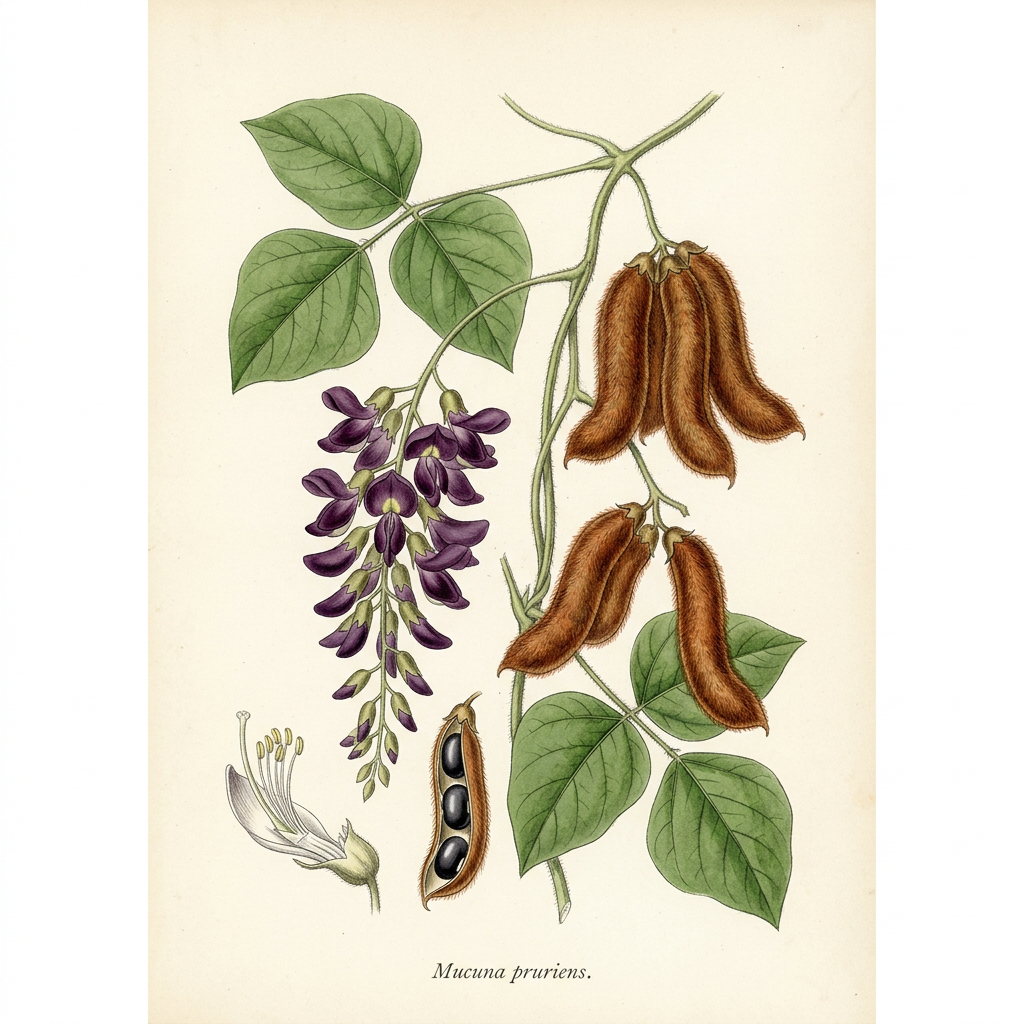
Velvet Bean

Velvet Bean

Mucuna pruriens

low risk Risk
Fabaceae
Known for its energizing effects, it supports mental clarity and may enhance mood and motivation.
<p>Kapikachu (Mucuna pruriens), also known as velvet bean, is a leguminous plant native to tropical regions of Africa and Asia. Traditionally celebrated in Ayurvedic medicine, Kapikachu has been revered for centuries for its diverse therapeutic applications. Its seeds, which are rich in bioactive compounds, have a storied history of use, particularly in promoting mental clarity, enhancing physical stamina, and supporting overall well-being. In traditional practices, Kapikachu has been employed as a tonic, believed to bolster both physical and mental health by harmonizing the body’s systems. One of the key therapeutic properties of Kapikachu lies in its high content of L-DOPA (levodopa), a precursor to the neurotransmitter dopamine. This unique characteristic not only distinguishes it among herbal remedies but also underscores its significant role in cognitive support. Users often report improved mood, enhanced mental acuity, and increased motivation, making it a popular choice for those seeking natural mood enhancers or cognitive boosters. Furthermore, the herb's adaptogenic properties contribute to stress reduction and energy enhancement, aiding the body in efficiently coping with daily challenges. When consumed, the bioactive compounds in Kapikachu exert their influence through various biochemical pathways. The L-DOPA in the seeds is converted into dopamine, which plays a critical role in mood regulation, cognitive function, and motor control. This mechanism explains the herb's reputation for uplifting mood and enhancing focus. Additionally, Kapikachu's antioxidant properties help combat oxidative stress in the body, promoting overall health and vitality. This remarkable herb, with its multifaceted benefits, exemplifies the power of traditional herbal remedies to support the body's natural balance and resilience.</p>

Uses & Conditions

Cognitive Support
Energy Booster
Mood Enhancer
Stress Reduction
Cognitive Performance
Male Fertility
Parkinson's Disease
Nervous Tension
Low Mood
Premature Ejaculation
Low Libido
Depression
Anorgasmia

Actions

Dopaminergic
Adaptogen
Nematicidic
Anti-epileptic
Anti-diabetic
Anti-neoplastic
Neuroprotective
Anxiolytic

Synonyms

Kapikachu

Parts Used

pods

Native Countries

Tropical africa

USDA Hardiness Zones

10
11

Contraindications

  • Pregnancy and breastfeeding
  • Schizophrenia or psychotic disorders
  • Peptic ulcer disease
  • Cardiovascular disease
  • Pre-surgery: Discontinue at least two weeks before elective surgery

Potential Side Effects

  • Nausea

Interactions

  • Levodopa/Carbidopa medication
  • MAO inhibitors (MAOIs)
  • Antipsychotic medications
  • Antidiabetic medications
  • Guanethidine

Dosages, tincture ratios & research — members only

Unlock Garreth's dosing guidance, tincture ratios, the dosage calculator and the research studies for Velvet Bean.

Your assessment and results stay saved — upgrading only unlocks more of them.

See membership plans

Community Photos

No community photos yet. Sign in to upload photos.

Reviews & Ratings

Sign in to leave a review.

No reviews yet. Be the first!

GF

Garreth Falls — B.Th., Dip. H.M., MNIMH

Content curated and reviewed by Garreth Falls, Consultant Medical Herbalist · The Wild Sage

Medical Disclaimer: This information is for educational purposes only and is not intended as medical advice. Always consult with qualified healthcare professionals before starting any herbal treatment.
Ayurvedic tradition

Sustainability & quality

Cultivated

Mainly produced in India; it is important to test for heavy metal contaminants when sourcing from international markets. Prefer sources with transparent supply chains.

Key constituents

L-DOPA (levodopa), Serotonin, 5-Hydroxytryptophan (5-HTP), Bufotenine, DMT (N, N-Dimethyltryptamine), Beta-carbolines, Mucunain, Tannins

References

  1. Pole "Ayurvedic Medicine" 2006
  2. Herbal Reality. Herb monographs. herbalreality.com

Reviewed by Garreth, Medical Herbalist (MNIMH) · November 2026

Related conditions

Explore conditions where Velvet Bean is traditionally used.

Related Herbs
Brazillian ginseng

Brazillian ginseng

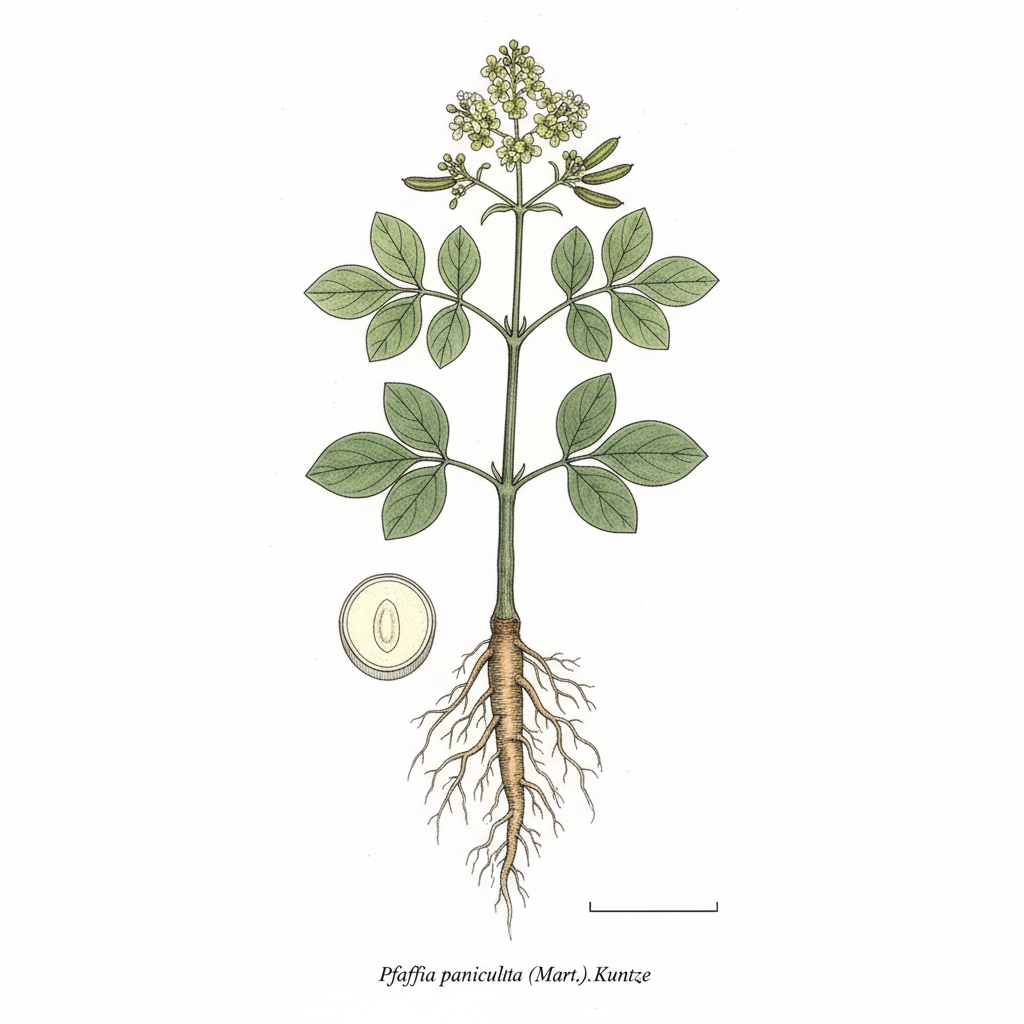
Pfaffia paniculata
Adaptation to Stress
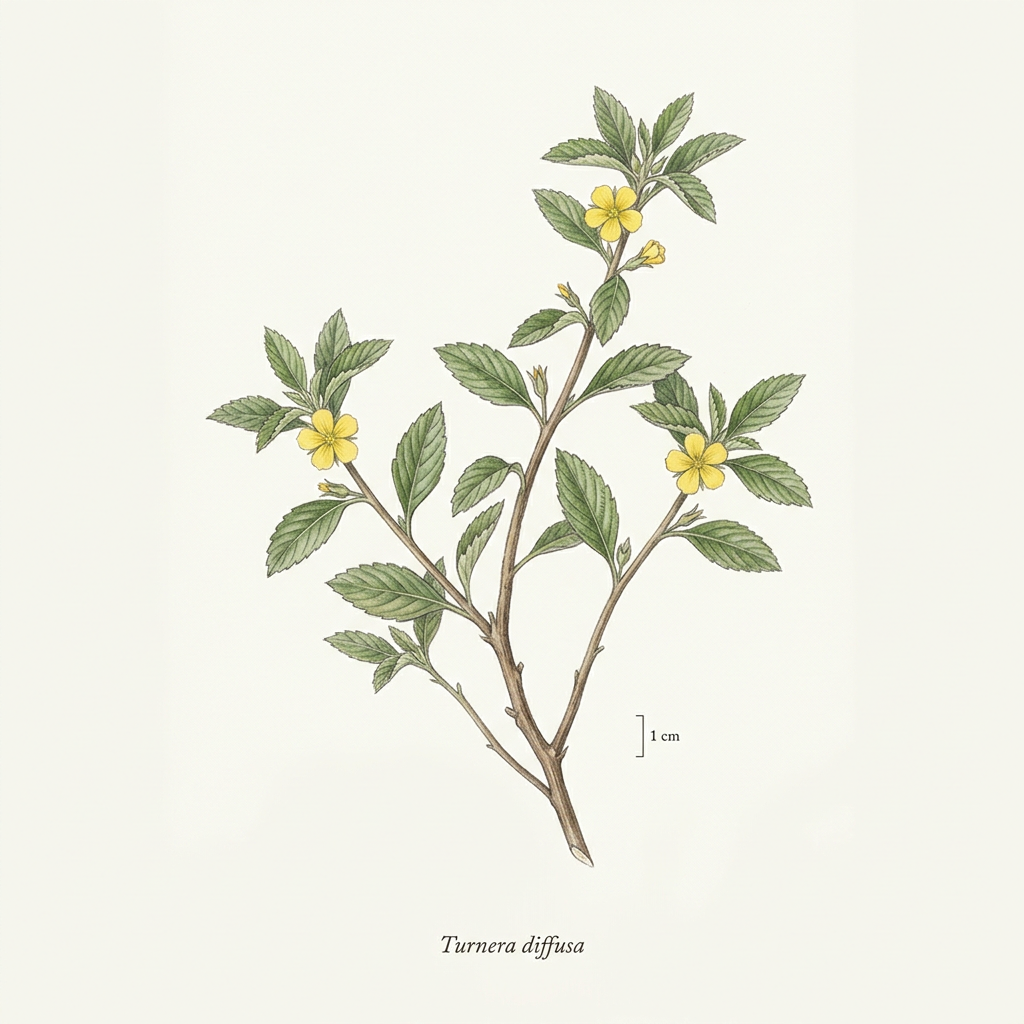
Damiana

Damiana

Turnera diffusa

Aphrodisiac Effect
Jamacian dogwood.

Jamacian dogwood.

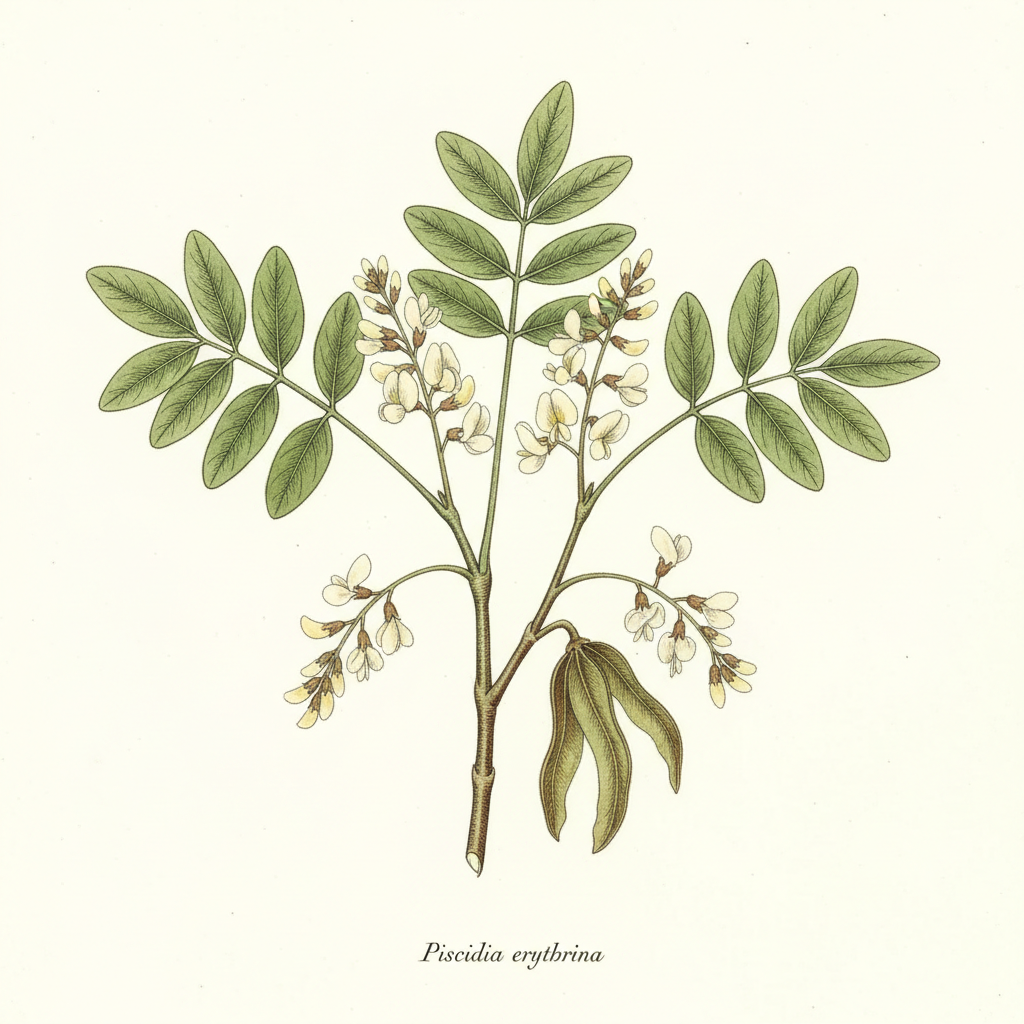
Piscidia erythrina

Nerve relaxation
Rhodiola

Rhodiola

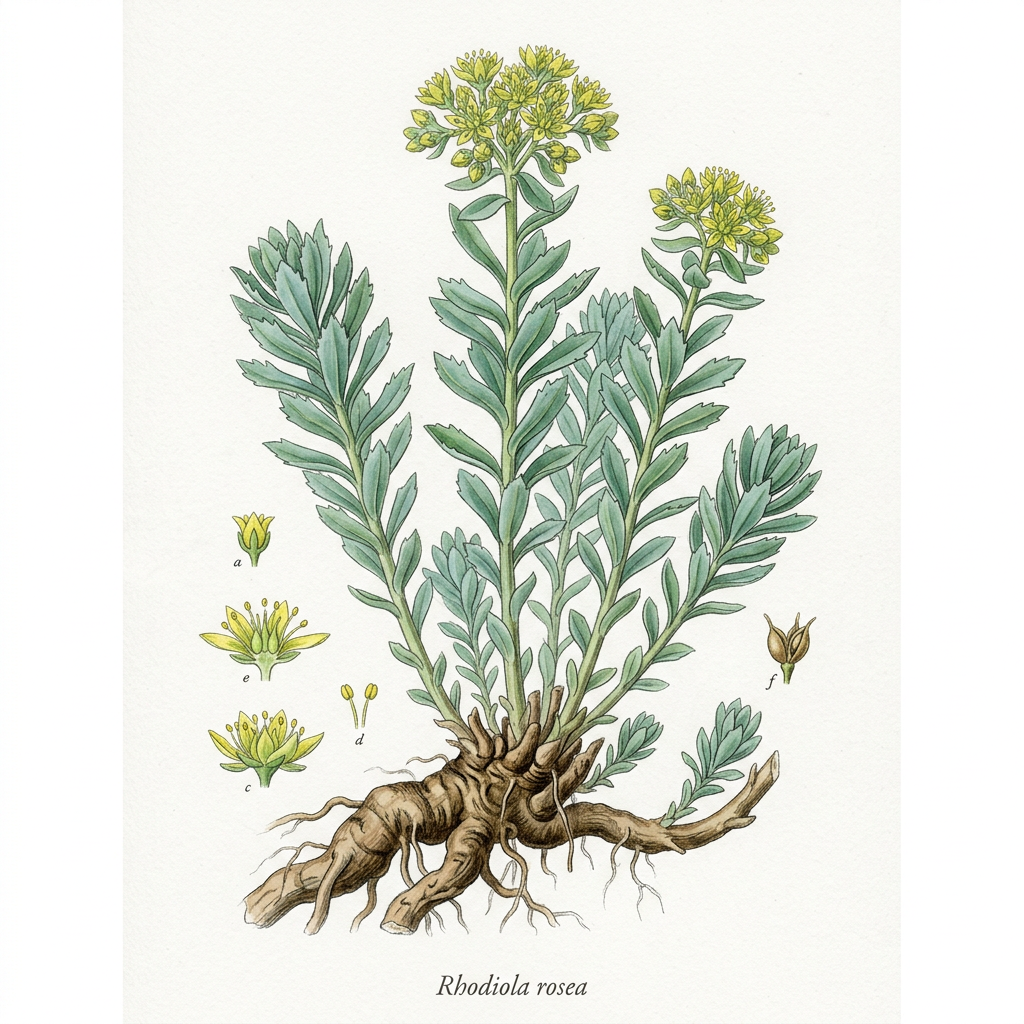
Rhodiola rosea

Adaptogen