The Wild Sage logo
The Wild Sage Logo

Herbal Medicine at your fingertips

Comprehensive database of herbal remedies with detailed safety information and traditional uses

New to herbal terms? Read the glossary →
ADHD
Abcess
Acid Reflux Relief
Acinetobacter
Acne
Acne Vulgaris
Addisons
Adenomyosis
Adenovirus
Adrenal fatigue
Aging
Aids
Alcaligenes faecalis
Alcoholism
Allergic Rhinitis
Allergies
Allergy
Alopoecia
Alopoecia nervosa
Alzheimer's, Dementia & Cognitive Decline
420 herbs found
Important: This information is for educational purposes only. Always consult with qualified healthcare professionals before using herbal remedies, especially if you have existing health conditions or take medications.
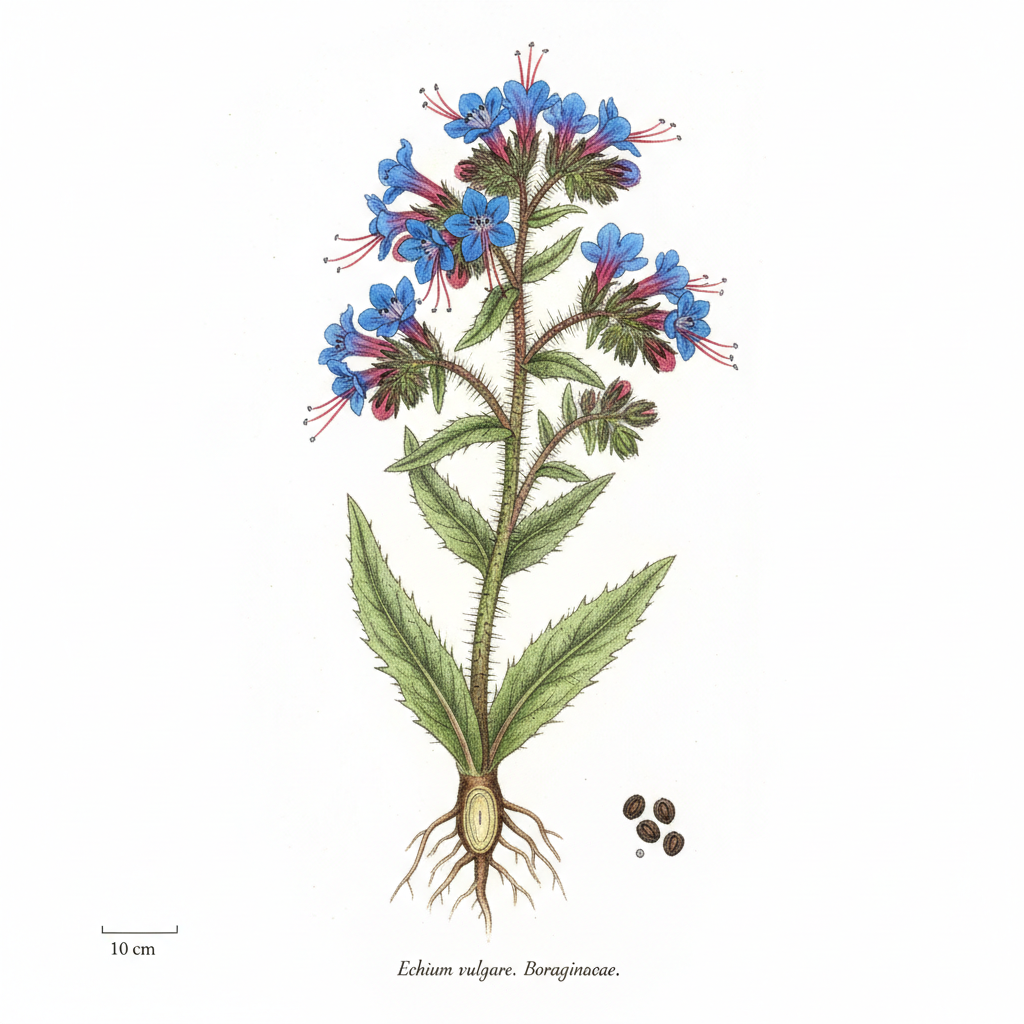
Vipers bugloss

Vipers bugloss

Echium vulgare

low risk Risk
Boraginaceae
Cooling anti-inflammatory herb beneficial for heat-related conditions.
<p>### Vipers Bugloss (Echium vulgare) – A Comprehensive Overview Vipers bugloss, scientifically referred to as *Echium vulgare*, is a perennial herb native to Europe and Asia, commonly recognized for its striking blue flowers that attract pollinators. Historically, this herb has been utilized in traditional medicine systems for its purported benefits, particularly in the management of liver-related disorders. The name "Vipers bugloss" is derived from its historical association with snakebite remedies, where the plant was believed to possess properties that could counteract venom. In the realm of herbalism, Vipers bugloss is often mentioned in the *Materia Medica*, a foundational text of herbal medicine, underscoring its long-standing presence in herbal practices. Vipers bugloss is noted for its diverse therapeutic properties, primarily in relation to liver health. Among its key uses, the herb has shown potential in the management of Hepatitis B, with studies indicating a strong evidence tier (Level 1) for its ability to reduce viral load when prepared as an extract. Inflammatory conditions have also been targeted through its anti-inflammatory effects, with moderate evidence (Level 2) suggesting a decrease in inflammatory markers when administered as a tincture. However, it is crucial to approach this herb with caution, as it contains pyrrolizidine alkaloids, which have been associated with liver toxicity, particularly at high doses. Consequently, internal use is generally discouraged, especially for marginalized populations, such as pregnant individuals, due to concerns over fetal toxicity. The therapeutic effects of Vipers bugloss can be attributed to its biochemical constituents, which function through several mechanisms in the body. Key actions include the inhibition of nuclear factor kappa B (NF-kB) and the reduction of tumor necrosis factor-alpha (TNF-α), pathways that play pivotal roles in the body's inflammatory response. By modulating these inflammatory pathways, Vipers bugloss may offer protective benefits against inflammation-induced liver damage. Additionally, historical and anecdotal evidence suggests its traditional use in promoting overall liver health; however, more rigorous, controlled studies are necessary to fully establish its efficacy and safety profile for clinical use. As such, while Vipers bugloss presents intriguing possibilities as a therapeutic agent, it remains essential for practitioners and patients alike to prioritize safety and consider potential risks when exploring this potent herb.</p>

Uses & Conditions

Liver health support
Hepatitis B
Cirrhosis
Inflammation
Boils
Whitlows
Bruises
Skin irritation

Actions

Anti-hepatitis B
Anti-inflammatory
NFkB inhibitor
TNF-alpha reduction

Parts Used

Aerial parts
Flowering tops

Native Countries

United Kingdom
Europe
Central Asia
North Africa
Mediterranean

USDA Hardiness Zones

3
4
5
6
7
8

Contraindications

  • Pregnancy and breastfeeding
  • Pre-existing liver disease or hepatic impairment
  • History of alcohol abuse
  • Children and adolescents
  • Long-term or high-dose internal use

Potential Side Effects

  • Hepatotoxicity with prolonged internal use
  • Mild gastrointestinal upset
  • Contact dermatitis from foliage hairs

Interactions

  • Hepatotoxic drugs such as paracetamol or methotrexate
  • Warfarin and antiplatelet agents
  • Drugs metabolised by CYP450 hepatic pathways

Dosages, tincture ratios & research — members only

Unlock Garreth's dosing guidance, tincture ratios, the dosage calculator and the research studies for Vipers bugloss.

Your assessment and results stay saved — upgrading only unlocks more of them.

See membership plans

Community Photos

No community photos yet. Sign in to upload photos.

Reviews & Ratings

Sign in to leave a review.

No reviews yet. Be the first!

GF

Garreth Falls — B.Th., Dip. H.M., MNIMH

Content curated and reviewed by Garreth Falls, Consultant Medical Herbalist · The Wild Sage

Medical Disclaimer: This information is for educational purposes only and is not intended as medical advice. Always consult with qualified healthcare professionals before starting any herbal treatment.
Western tradition

Sustainability & quality

Abundant

Commonly found on sandy soils and roadside verges; ensure harvest locations are free from traffic pollution.

Key constituents

Pyrrolizidine alkaloids (e.g. echimidine, echiumine), Allantoin, Mucilage, Tannins, Flavonoids, Rosmarinic acid

References

  1. Herbal Reality. Herb monographs. herbalreality.com

Reviewed by Garreth, Medical Herbalist (MNIMH) · November 2026

Related conditions

Explore conditions where Vipers bugloss is traditionally used.

Related Herbs
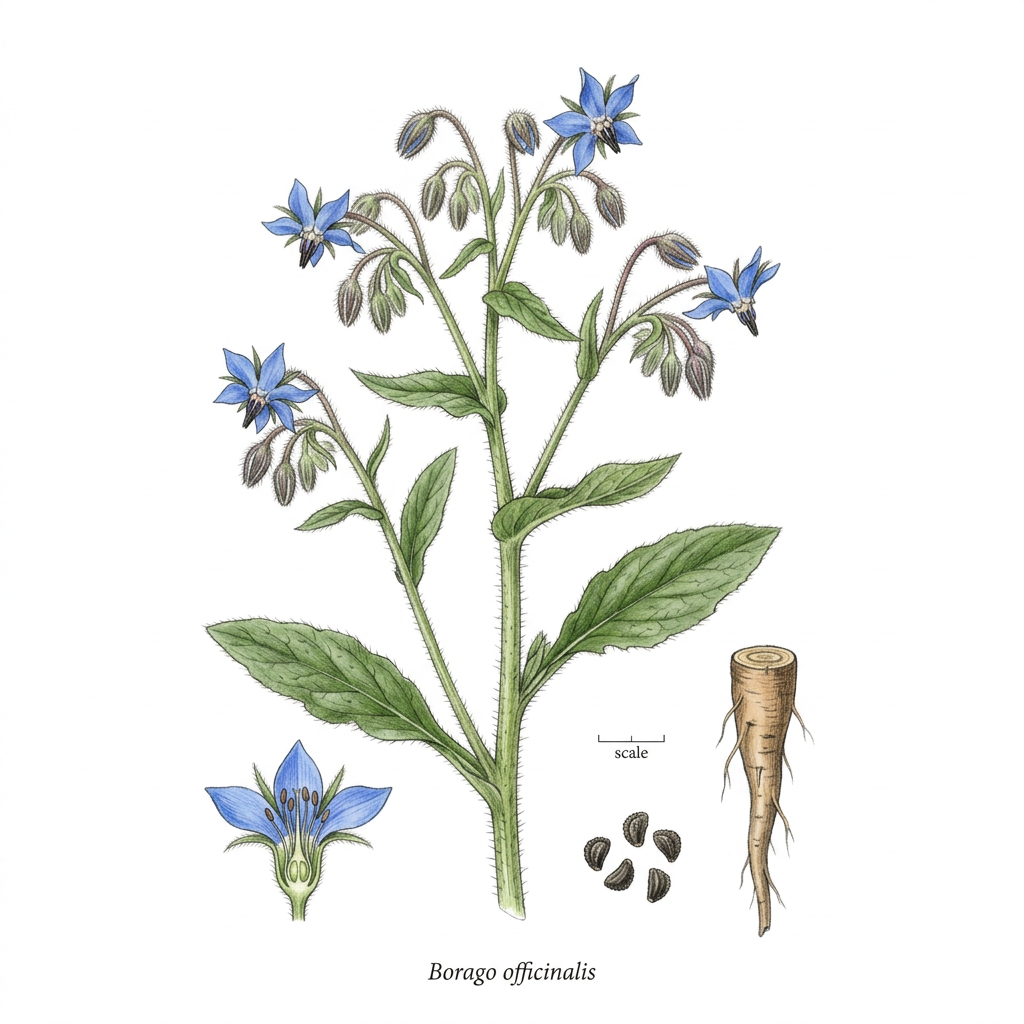
Borage

Borage

Borago officinalis

Emotional Resilience
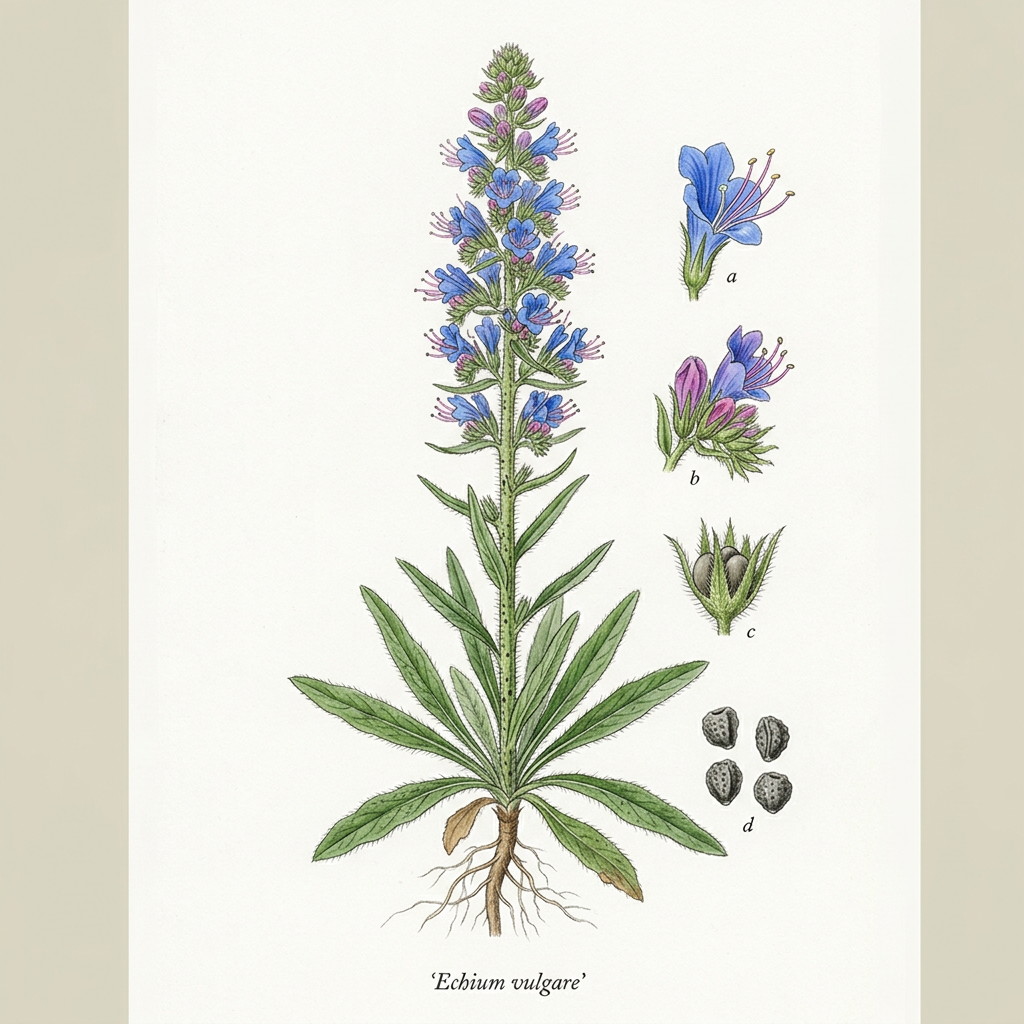
Bugloss

Bugloss

Echium vulgare

Immune Support
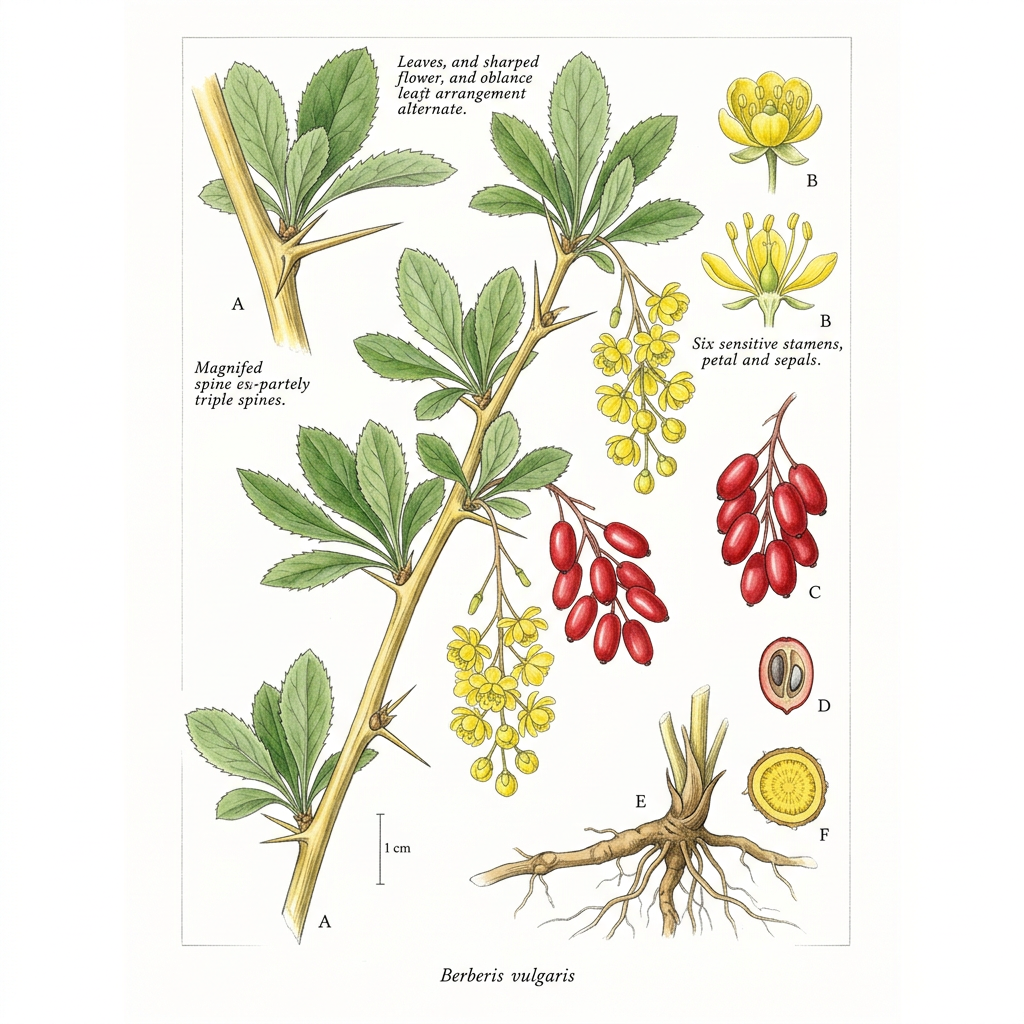
Barberry

Barberry

Berberis vulgaris

Digestive Aid
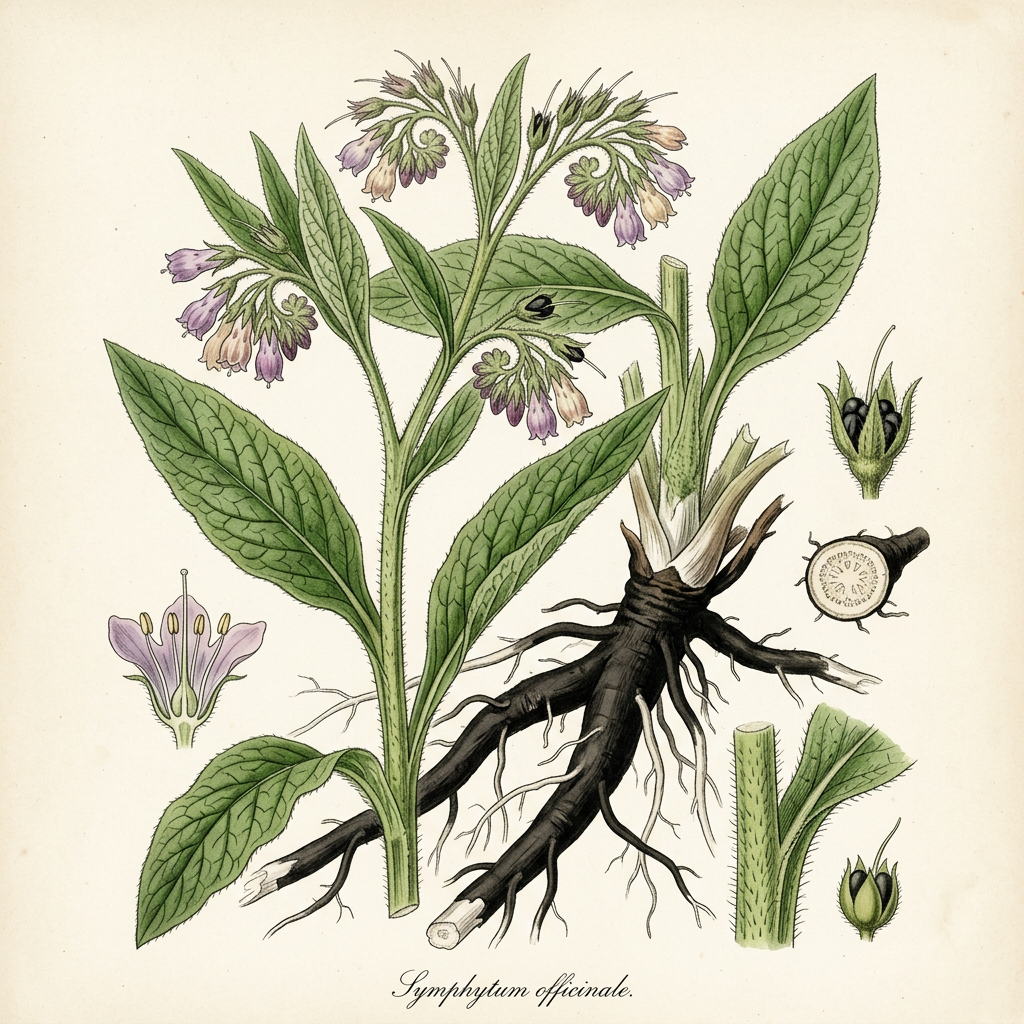
Comfrey

Comfrey

Symphytum officinale

Tissue Regeneration