The Wild Sage logo
The Wild Sage Logo

Herbal Medicine at your fingertips

Comprehensive database of herbal remedies with detailed safety information and traditional uses

New to herbal terms? Read the glossary →
ADHD
Abcess
Acid Reflux Relief
Acinetobacter
Acne
Acne Vulgaris
Addisons
Adenomyosis
Adenovirus
Adrenal fatigue
Aging
Aids
Alcaligenes faecalis
Alcoholism
Allergic Rhinitis
Allergies
Allergy
Alopoecia
Alopoecia nervosa
Alzheimer's, Dementia & Cognitive Decline
420 herbs found
Important: This information is for educational purposes only. Always consult with qualified healthcare professionals before using herbal remedies, especially if you have existing health conditions or take medications.
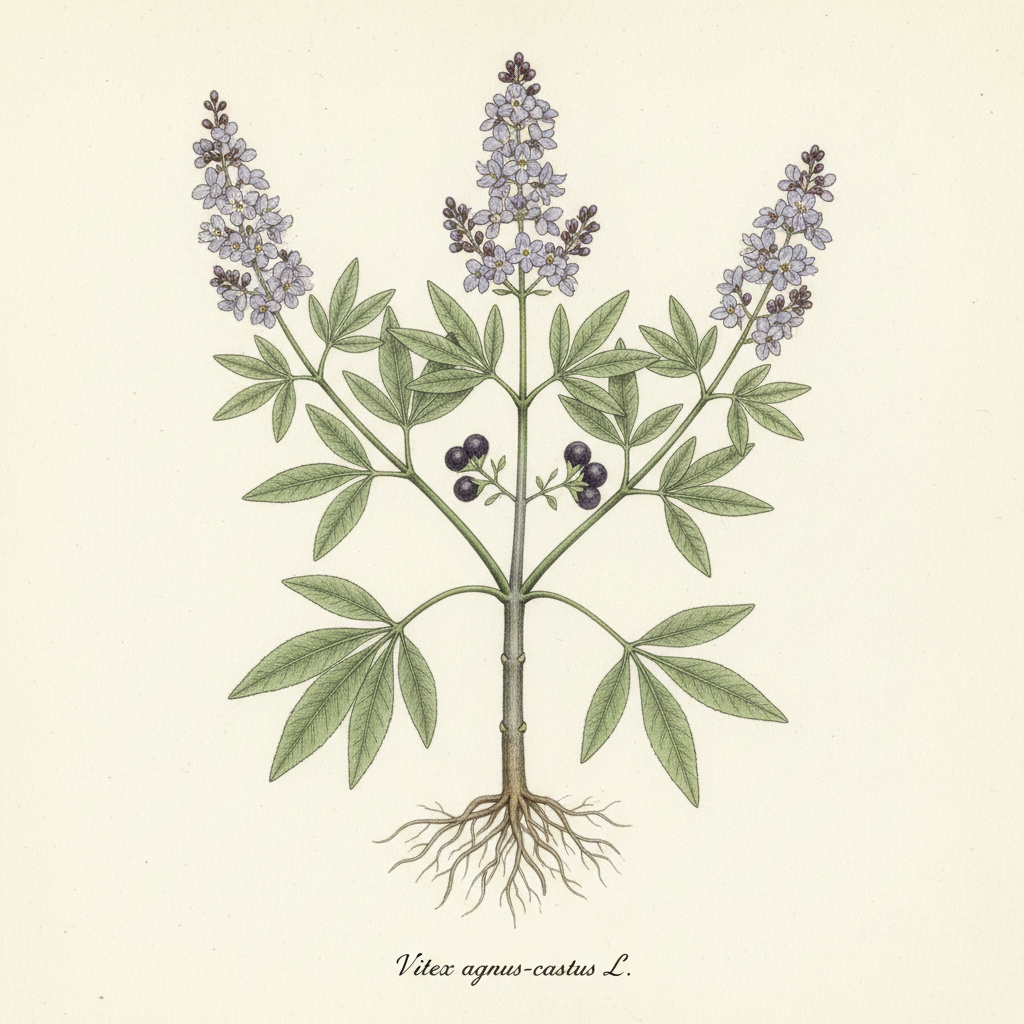
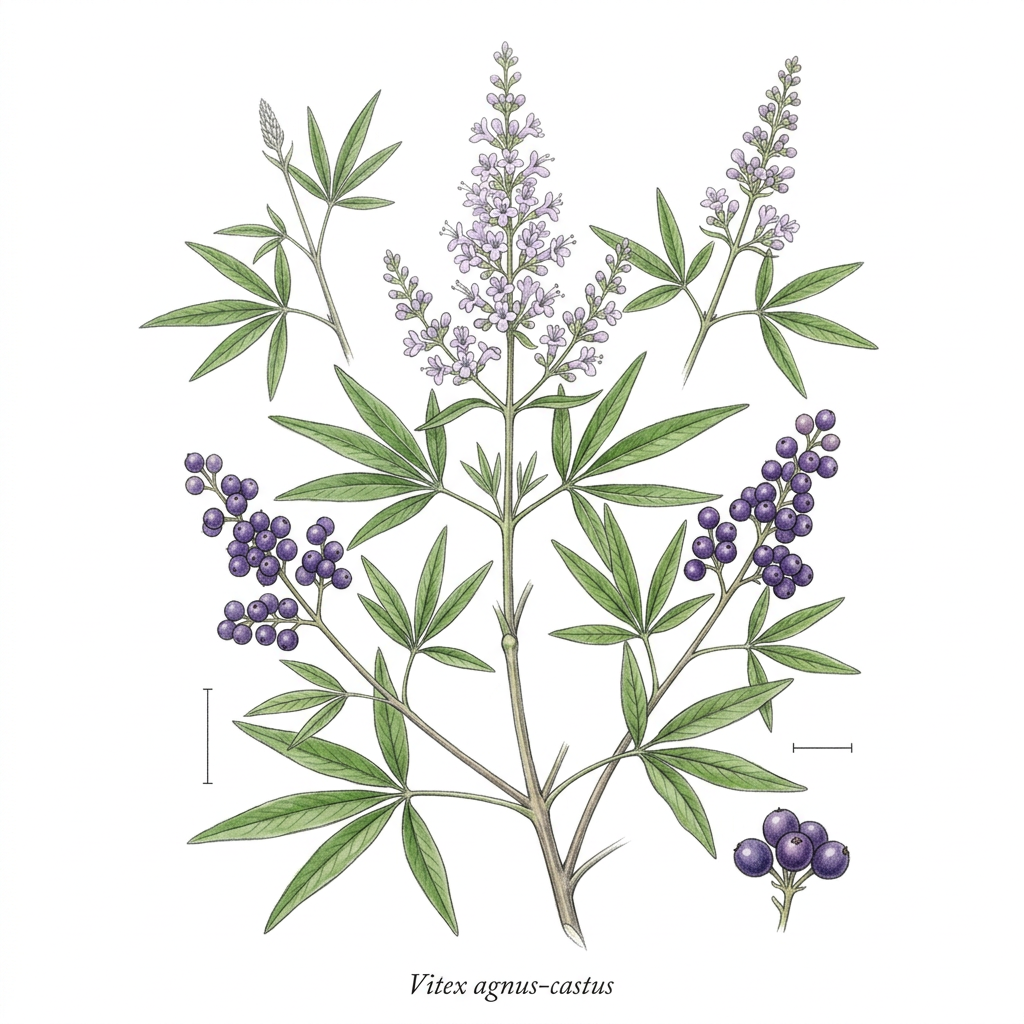
Vitex agnus castus

Vitex agnus castus

Vitex agnus castus

low risk Risk
Lamiaceae
Known for promoting emotional balance and stabilizing mood swings. It is believed to enhance clarity and intuition, supporting the mind-body connection during hormonal fluctuations.
<p>Vitex agnus-castus, often known as Chasteberry or Monk's Pepper, is a deciduous shrub native to the Mediterranean region and parts of Central Asia. It is characterised by its palmately compound leaves and spikes of fragrant, violet-blue flowers followed by small, hard, dark brown berries. It thrives in damp soils and is frequently found along riverbanks where its aromatic presence is quite distinct. Historically, the herb earned the name 'Chasteberry' from its reputation in monastic life, where it was traditionally used to support the suppression of libido. Beyond this folklore, it has been used for centuries within Western herbal medicine to support female reproductive health, particularly in the context of menstrual irregularities and what were historically termed 'hysterical' complaints, reflecting a long-standing application for balancing female hormones. Modern herbal practice focuses on its role as a phyto-progestogenic agent that exerts a regulatory effect on the hypothalamic-pituitary-ovarian axis. Clinical research suggests that the plant interacts with dopaminergic pathways, which may help to modulate prolactin secretion. Consequently, it is traditionally used for managing the symptoms of premenstrual syndrome (PMS), including cyclic breast tenderness, irritability, and fluid retention. Evidence remains nuanced, and while many patients report symptomatic improvement, the variability in clinical trial designs necessitates a cautious approach to expectations. In clinical practice, Vitex is primarily considered an endocrine tonic. It is typically prescribed as a long-term treatment, often requiring three to six months to achieve a noticeable therapeutic effect. It is essential for practitioners to assess individual symptom patterns, as it is generally reserved for cases where luteal phase insufficiency or hyperprolactinaemia may be suspected, rather than acting as a universal panacea for all menstrual irregularities.</p>

Uses & Conditions

Hormonal Balance
Female Tonic
Cooling Effect
Premenstrual Syndrome (PMS)
Menopause
Restless Legs
Hormone Imbalance
Endometriosis
Dysmenorrhoea
Disc Prolapse
Cystic Hyperplasia
Breast Growths
Carpal Tunnel Syndrome
Cervical Dysplasia
Adenomyosis
Androgen Excess
Amenorrhoea

Actions

Oestrogen Modulating
Dopaminergic
Menstrual Regulator

Parts Used

Dried ripe fruits (berries)

USDA Hardiness Zones

6
7
8
9

Contraindications

  • Pregnancy
  • Breastfeeding
  • Hormone-sensitive conditions including breast
  • uterine
  • or ovarian cancer
  • Assisted reproductive technology such as IVF
  • Concurrent dopamine-related therapy

Potential Side Effects

  • Gastrointestinal upset including nausea or abdominal pain
  • Skin reactions including acne or rashes
  • Changes in menstrual cycle length or flow
  • Fatigue
  • Headaches

Interactions

  • Dopamine antagonists such as antipsychotics, haloperidol, or metoclopramide
  • Hormonal contraceptives
  • Hormone replacement therapy

Dosages, tincture ratios & research — members only

Unlock Garreth's dosing guidance, tincture ratios, the dosage calculator and the research studies for Vitex agnus castus.

Your assessment and results stay saved — upgrading only unlocks more of them.

See membership plans

Community Photos

No community photos yet. Sign in to upload photos.

Reviews & Ratings

Sign in to leave a review.

No reviews yet. Be the first!

GF

Garreth Falls — B.Th., Dip. H.M., MNIMH

Content curated and reviewed by Garreth Falls, Consultant Medical Herbalist · The Wild Sage

Medical Disclaimer: This information is for educational purposes only and is not intended as medical advice. Always consult with qualified healthcare professionals before starting any herbal treatment.
Western tradition

Sustainability & quality

Cultivated

Mainly produced in the Mediterranean region. Ensure high-quality dried berry supplies are used to maintain potency.

Key constituents

Iridoid glycosides (aucubin, agnuside), Flavonoids (casticin, vitexin, penduletin), Diterpenes (labdane-type), Essential oils (limonene, cineole, pinene), Phyto-oestrogens

References

  1. Bone & Mills "Principles and Practice of Phytotherapy" 2nd ed. 2013
  2. ESCOP Monographs 2nd ed. 2003
  3. EMA/HMPC Community Herbal Monograph
  4. Herbal Reality. Herb monographs. herbalreality.com

Reviewed by Garreth, Medical Herbalist (MNIMH) · November 2026

Related conditions

Explore conditions where Vitex agnus castus is traditionally used.

Related Herbs
Chaste Tree

Chaste Tree

Vitex agnus-castus

Hormonal Balance
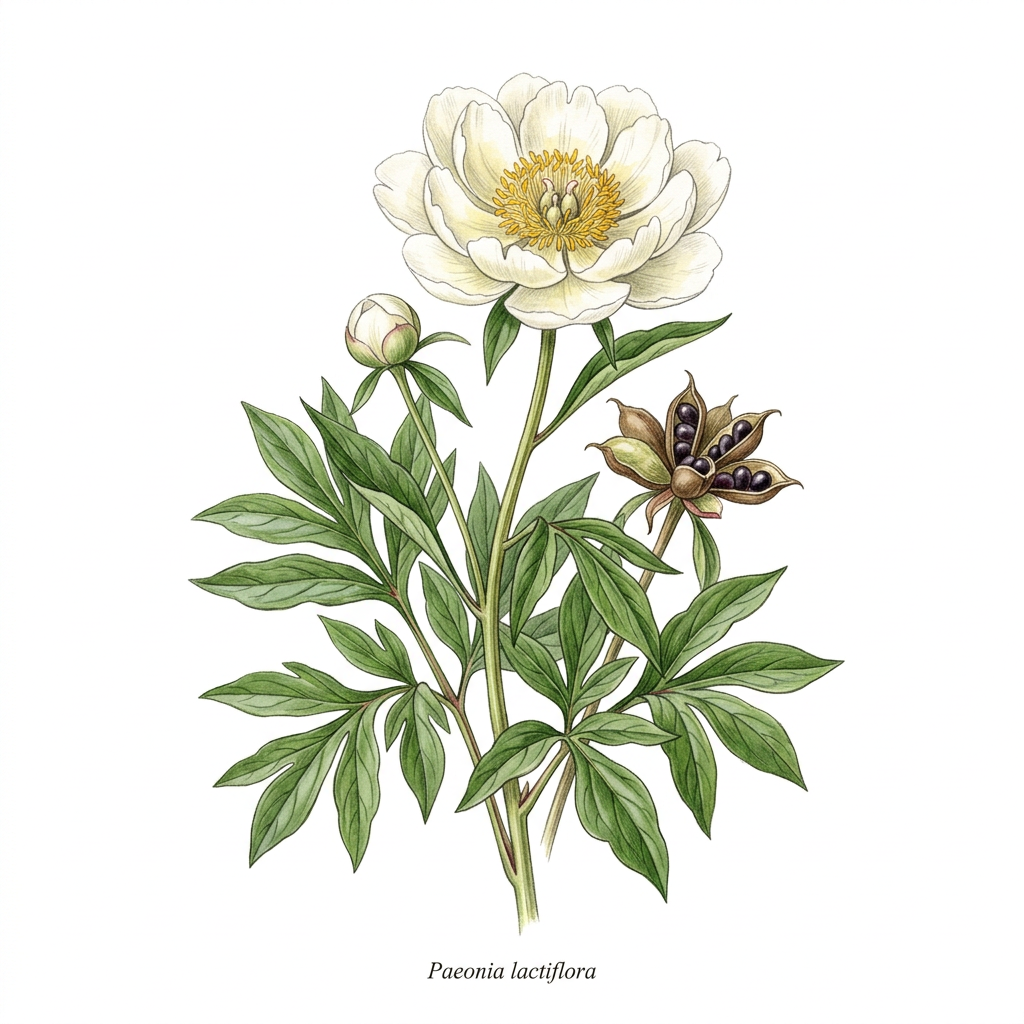
White peony

White peony

Paeonia lactiflora

Hormonal Balance
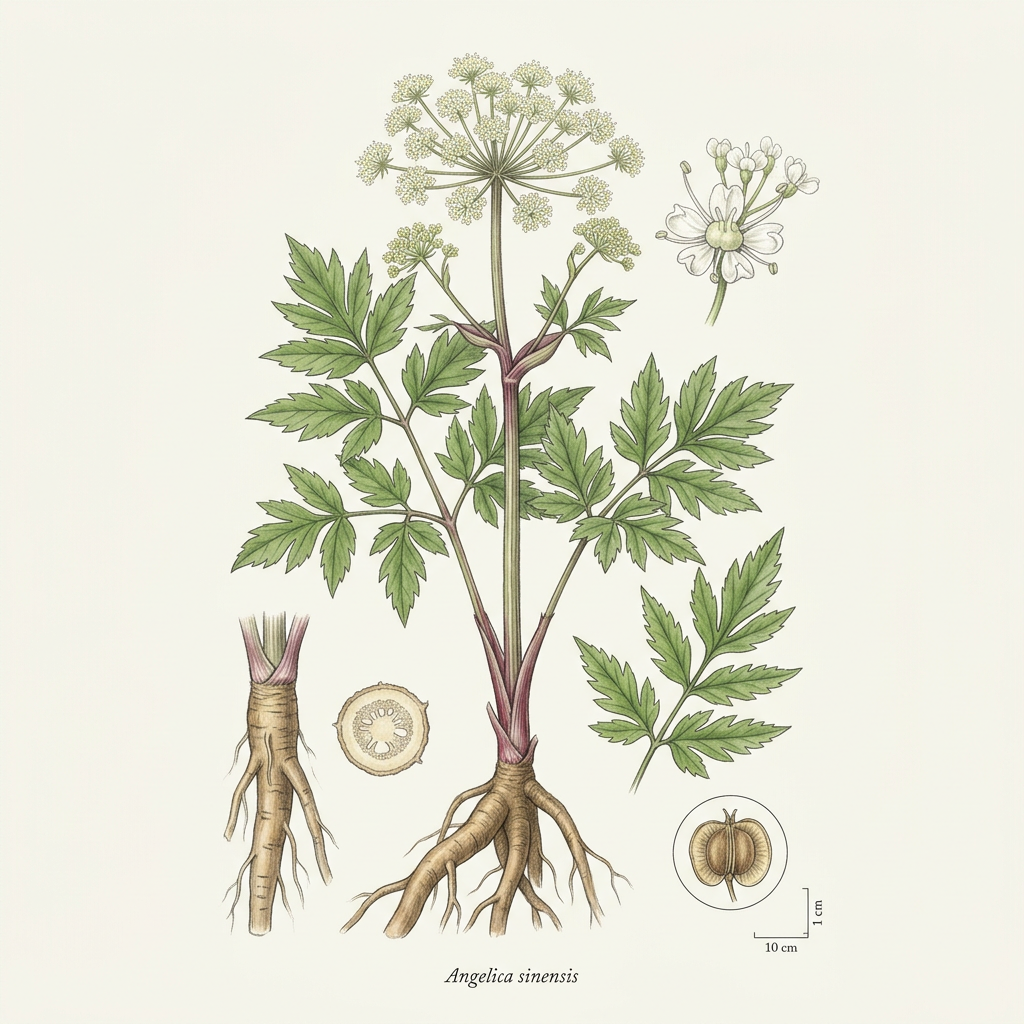
Chinese angelica

Chinese angelica

Angelica sinensis

Blood Tonic
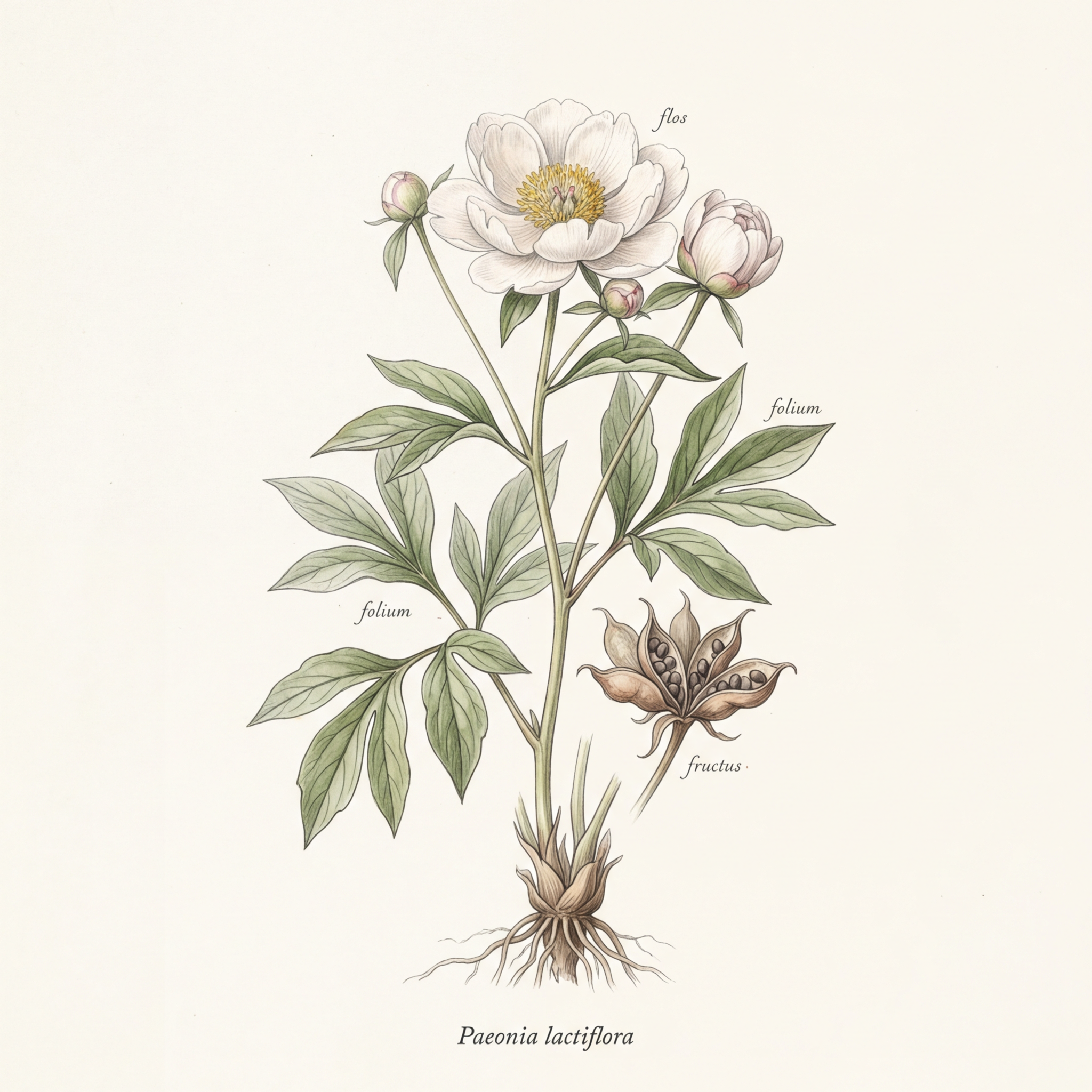
Peony

Peony

Paeonia lactiflora

Hormone Balance