The Wild Sage logo
The Wild Sage Logo

Herbal Medicine at your fingertips

Comprehensive database of herbal remedies with detailed safety information and traditional uses

New to herbal terms? Read the glossary →
ADHD
Abcess
Acid Reflux Relief
Acinetobacter
Acne
Acne Vulgaris
Addisons
Adenomyosis
Adenovirus
Adrenal fatigue
Aging
Aids
Alcaligenes faecalis
Alcoholism
Allergic Rhinitis
Allergies
Allergy
Alopoecia
Alopoecia nervosa
Alzheimer's, Dementia & Cognitive Decline
420 herbs found
Important: This information is for educational purposes only. Always consult with qualified healthcare professionals before using herbal remedies, especially if you have existing health conditions or take medications.
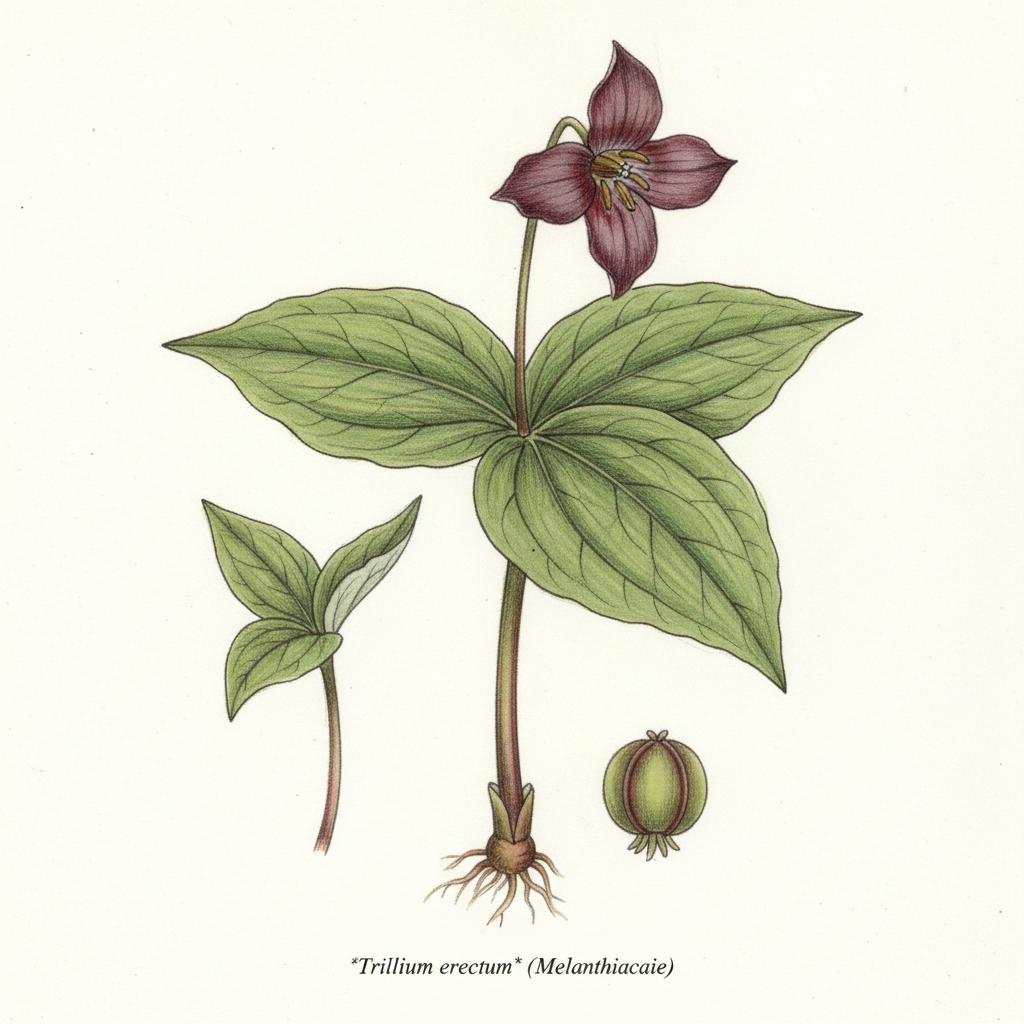
Wake Robin

Wake Robin

Trillium erectum

moderate risk Risk
Melanthiaceae
Cooling and grounding, useful for damp heat and stagnation.
<p>**Herb Name:** Trillium erectum **Scientific Name:** Trillium erectum **Description:** Trillium erectum, commonly known as the Red Trillium or Wake Robin, is a perennial wildflower native to the rich woodlands of North America. Recognized for its striking dark red, nodding flowers and iconic three-leaf whorls, this plant has been a part of traditional herbal medicine among Indigenous peoples and early settlers for centuries. Historically, the root and rhizome of Trillium erectum were valued for their potential medicinal properties, particularly in addressing menstrual disorders and gastrointestinal complaints. The herb's traditional use is deeply rooted in empirical practices, often associated with the support of women's reproductive health and overall vitality, whereby it was employed as a remedy for various ailments. In terms of therapeutic properties, Trillium erectum has been historically associated with support for menstrual disorders, potentially aiding in alleviating symptoms such as irregularity and discomfort. Although rigorous scientific studies and systematic reviews validating these claims are lacking, many herbalists continue to draw upon its historical usage as a natural therapeutic resource for women experiencing issues related to their menstrual cycle. The plant contains a number of alkaloids and other phytochemicals believed to contribute to its effects, but specific mechanisms of action in relation to physiological processes remain inadequately defined in contemporary medical literature. Trillium erectum is thought to exert its effects through its action on the female reproductive system, possibly influencing uterine health and supporting menstrual regularity. However, it is crucial to note that due to its potential toxicity, particularly during pregnancy, caution is advised. The herb may play a role in modulating hormonal balance, although the precise pathways are not well characterized. Herbalists recommend this plant primarily for its use in traditional contexts and caution against self-medication, emphasizing the importance of consulting with a trained herbal professional before use, particularly for pregnant individuals or those with underlying health conditions.</p>

Uses & Conditions

Uterine Health
Hormonal Balance
Menstrual Support
Menstrual Disorders
Pregnancy Complications
Gastrointestinal Complaints
Endometriosis
Fibroids

Actions

Uterine Stimulant
Uterine Tonic

Parts Used

Rhizome
Root

Native Countries

United States
Canada

USDA Hardiness Zones

3
4
5
6

Contraindications

  • Avoid during pregnancy
  • Not recommended during breastfeeding
  • Hypersensitivity to the Melanthiaceae family
  • Hormone-sensitive conditions
  • Discontinue at least two weeks before scheduled elective surgery

Potential Side Effects

  • Gastrointestinal irritation
  • Nausea
  • Vomiting
  • Mild local irritation of the mucous membranes

Interactions

  • Use caution with prescription medicines
  • Potential interaction with hormone replacement therapy
  • Potential interaction with hormonal contraceptives
  • Consult a healthcare practitioner if taking anticoagulant or antiplatelet medications

Dosages, tincture ratios & research — members only

Unlock Garreth's dosing guidance, tincture ratios, the dosage calculator and the research studies for Wake Robin.

Your assessment and results stay saved — upgrading only unlocks more of them.

See membership plans

Community Photos

No community photos yet. Sign in to upload photos.

Reviews & Ratings

Sign in to leave a review.

No reviews yet. Be the first!

GF

Garreth Falls — B.Th., Dip. H.M., MNIMH

Content curated and reviewed by Garreth Falls, Consultant Medical Herbalist · The Wild Sage

Medical Disclaimer: This information is for educational purposes only and is not intended as medical advice. Always consult with qualified healthcare professionals before starting any herbal treatment.
Western tradition

Sustainability & quality

At risk

Historically over-harvested in parts of its range; prefer cultivated material or verify sustainable wild-harvesting practices.

Key constituents

Steroidal saponins, Tannins, Essential oils, Resins, Glycosides, Starch

References

  1. British Herbal Pharmacopoeia 1983
  2. Herbal Reality. Herb monographs. herbalreality.com

Reviewed by Garreth, Medical Herbalist (MNIMH) · November 2026

Related conditions

Explore conditions where Wake Robin is traditionally used.

Related Herbs
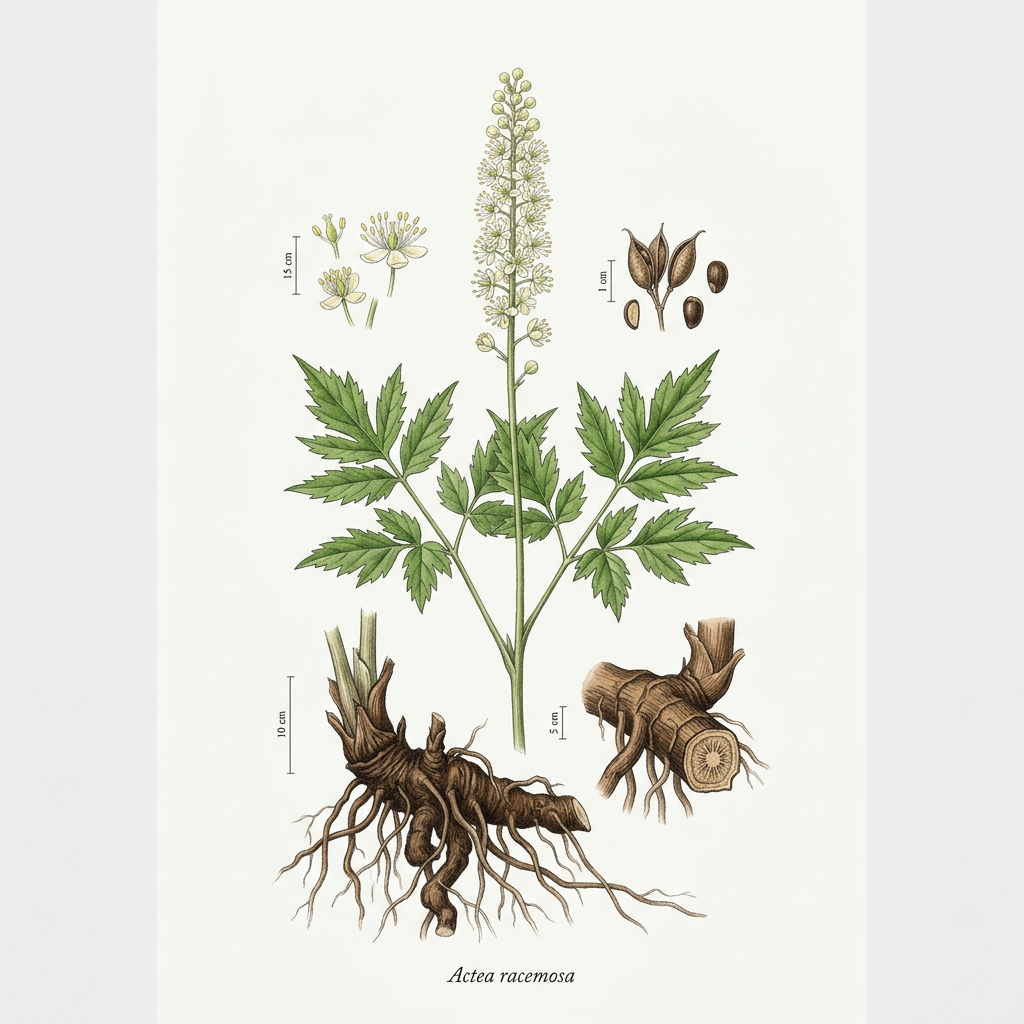
Black Cohosh

Black Cohosh

Actaea racemosa

Hormonal Support
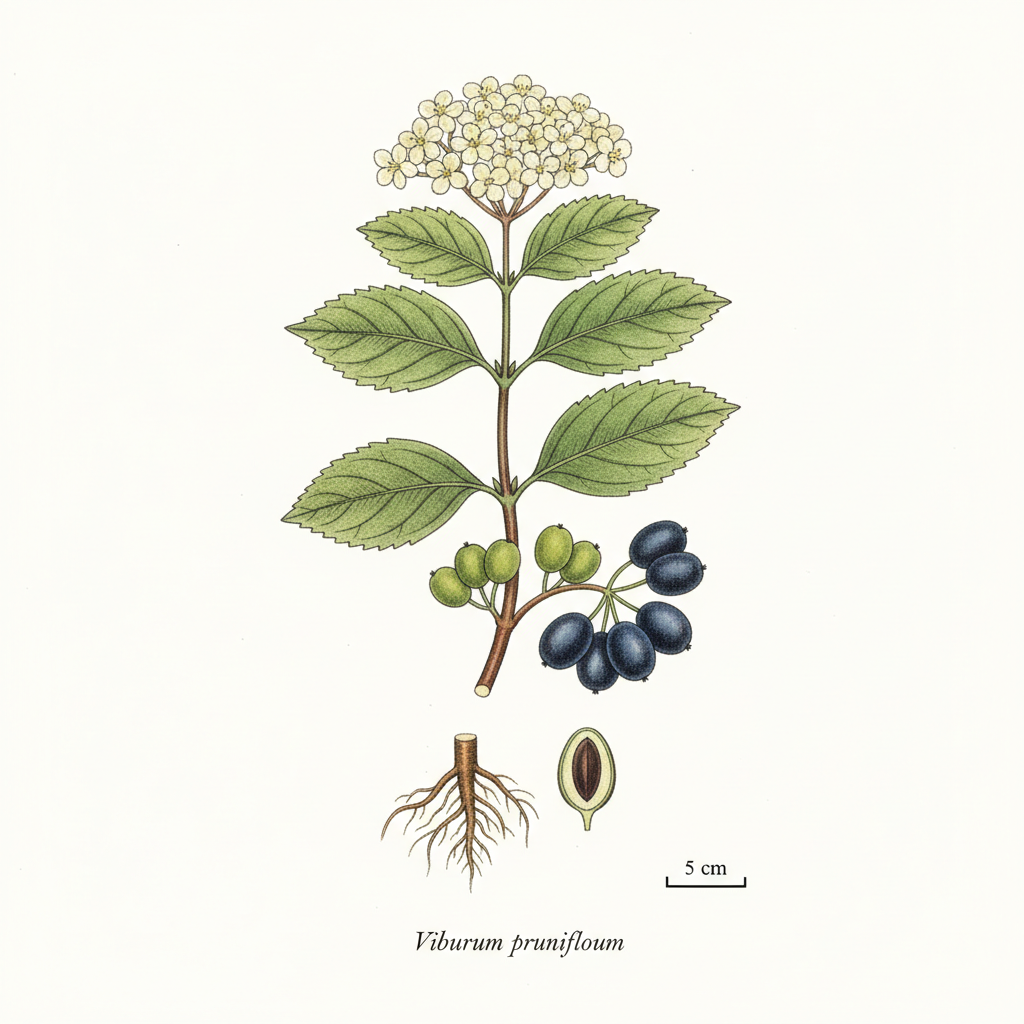
Black haw

Black haw

Viburnum prunifolium

Menstrual Support
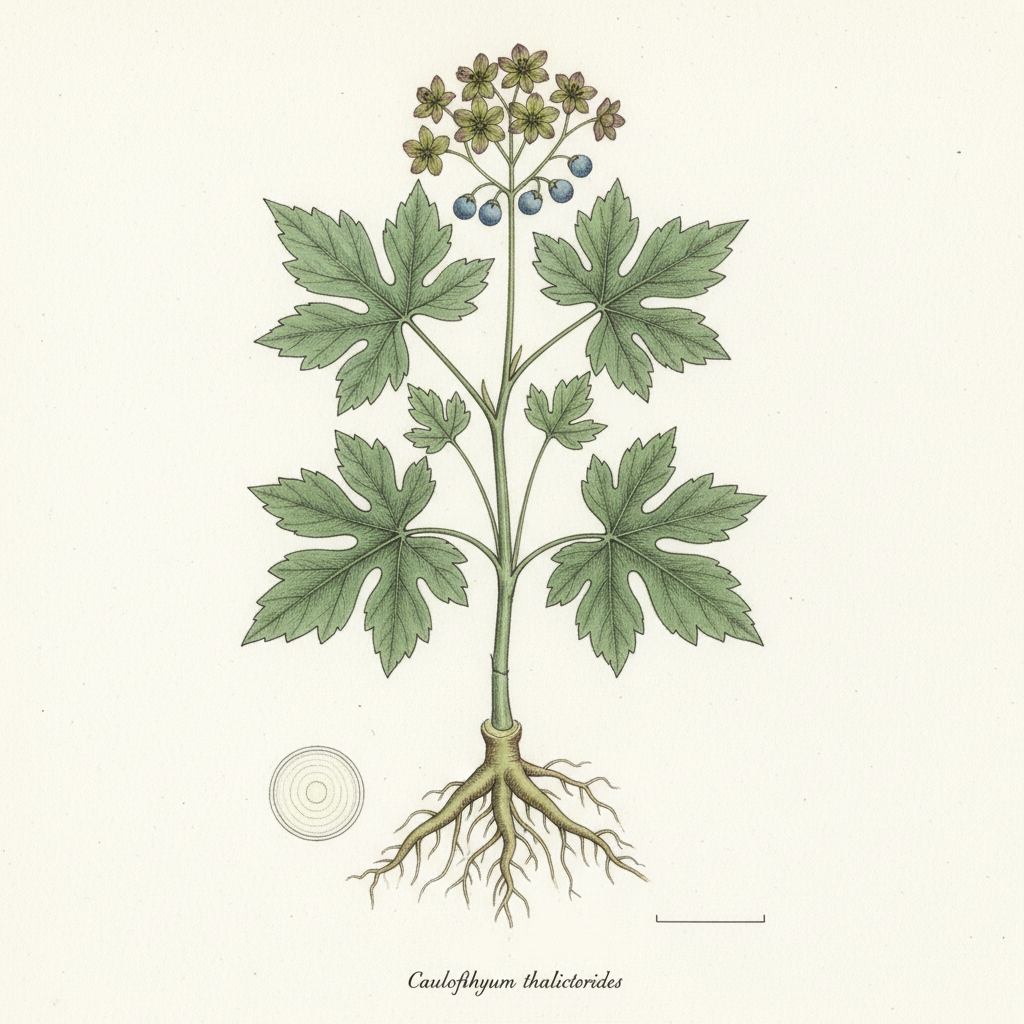
Blue Cohosh

Blue Cohosh

Caulophyllum thalictroides
Hormonal Balance
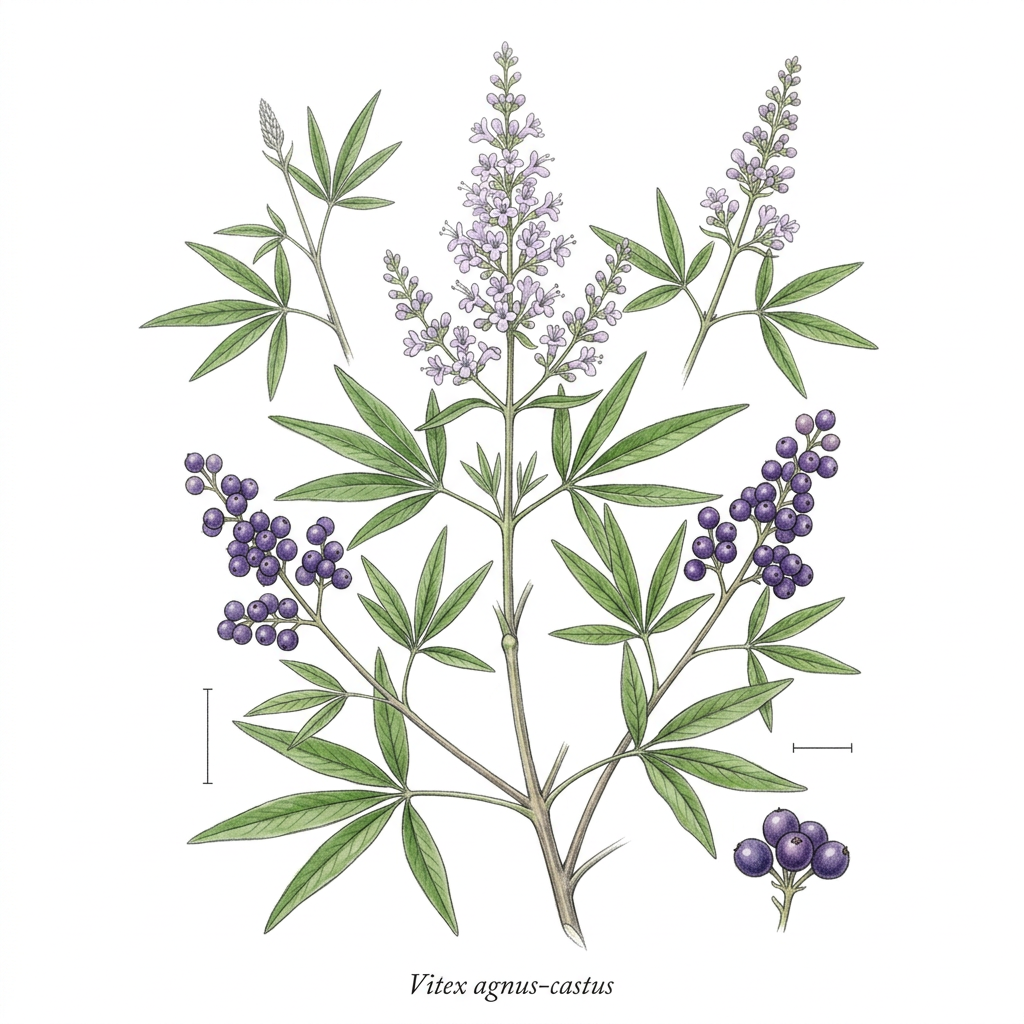
Chaste Tree

Chaste Tree

Vitex agnus-castus

Hormonal Balance