The Wild Sage logo
The Wild Sage Logo

Herbal Medicine at your fingertips

Comprehensive database of herbal remedies with detailed safety information and traditional uses

New to herbal terms? Read the glossary →
ADHD
Abcess
Acid Reflux Relief
Acinetobacter
Acne
Acne Vulgaris
Addisons
Adenomyosis
Adenovirus
Adrenal fatigue
Aging
Aids
Alcaligenes faecalis
Alcoholism
Allergic Rhinitis
Allergies
Allergy
Alopoecia
Alopoecia nervosa
Alzheimer's, Dementia & Cognitive Decline
420 herbs found
Important: This information is for educational purposes only. Always consult with qualified healthcare professionals before using herbal remedies, especially if you have existing health conditions or take medications.
Walnut

Walnut

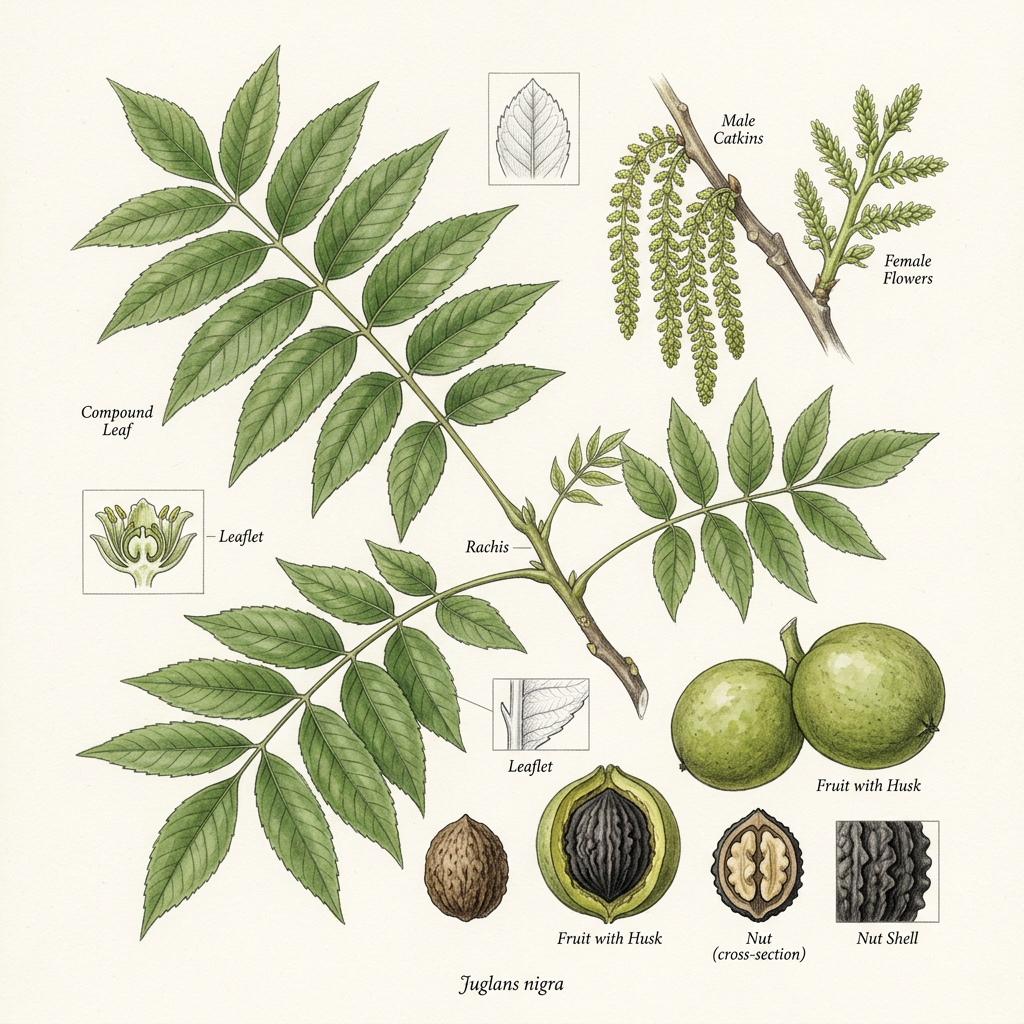
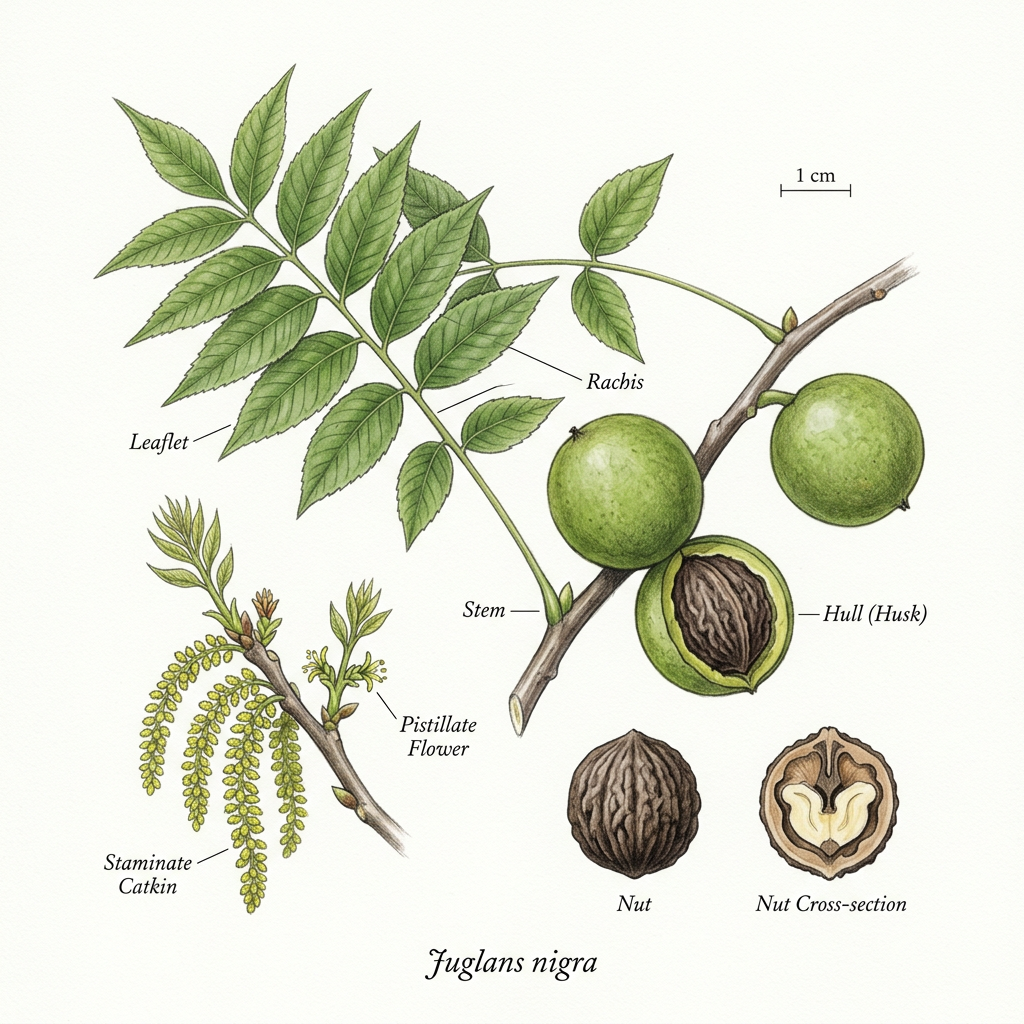
Juglans nigra

low risk Risk
Juglandaceae
Cooling, bitter, and astringent; helps clear heat and supports digestive function.
<p>Juglans nigra, or Black Walnut, is a deciduous tree native to North America, recognisable by its deeply furrowed, dark bark and large, aromatic pinnate leaves. The tree produces a spherical fruit comprising a fibrous husk that turns black upon maturity, enclosing a highly durable, ridged nut shell. As a member of the Juglandaceae family, it has long been valued for its timber and botanical properties, specifically the potent astringent qualities found in its leaves and hulls.</p><p>Traditionally used for its anthelmintic and antifungal properties, Black Walnut has a long history in herbal practice for supporting gastrointestinal health and addressing skin conditions. The hulls, rich in juglone, were historically employed to cleanse the digestive tract and assist in the management of fungal skin issues. In a contemporary herbal clinic, the leaves are often utilised as a mild astringent for mucous membranes, whilst the hulls are typically selected for their ability to support the body in overcoming specific parasitic or fungal challenges.</p><p>Modern research into the constituents of Black Walnut, particularly juglone and various polyphenols, supports its status as an antimicrobial and antioxidant agent. However, evidence remains limited regarding its broader systemic effects in human clinical trials. In practice, I approach this herb with caution, primarily employing it in short-term protocols where its specific astringency and antimicrobial profile are required, ensuring patients are monitored for digestive comfort throughout the duration of use.</p>

Uses & Conditions

Cognitive Support
Convalescence
Digestive Health
Inflammatory Bowel Disease
Arthritis
Skin Infections
Oxidant Stress
Boils (Furunculosis)
Hypothyroidism
Parasitic Infections
Psoriasis
Multiple Sclerosis
Constipation
Brain Fog
Acne
Athlete's Foot
Alzheimer's Disease

Actions

Antioxidant
Antiseptic
Anti-parasitic
Anti-inflammatory
Myelin Sheath Restorative
NFkB Inhibitor
TNF-a Reduction
Anti-bacterial

Parts Used

Green hulls
Leaves

Native Countries

United States
Canada
Mexico
China
North Korea

USDA Hardiness Zones

4
5
6
7
8

Contraindications

  • Pregnancy and breastfeeding
  • Known hypersensitivity to Juglandaceae species
  • Severe liver or kidney dysfunction
  • Chronic gastrointestinal inflammation or ulceration

Potential Side Effects

  • Gastric irritation or nausea if taken on an empty stomach
  • Constipation
  • Contact dermatitis in sensitive individuals

Interactions

  • Anticoagulants: tannins may alter absorption or efficacy
  • Iron supplements: tannins may chelate minerals and reduce absorption
  • Prescription medications: separate ingestion by two hours to avoid interference with bioavailability

Dosages, tincture ratios & research — members only

Unlock Garreth's dosing guidance, tincture ratios, the dosage calculator and the research studies for Walnut.

Your assessment and results stay saved — upgrading only unlocks more of them.

See membership plans

Community Photos

No community photos yet. Sign in to upload photos.

Reviews & Ratings

Sign in to leave a review.

No reviews yet. Be the first!

GF

Garreth Falls — B.Th., Dip. H.M., MNIMH

Content curated and reviewed by Garreth Falls, Consultant Medical Herbalist · The Wild Sage

Medical Disclaimer: This information is for educational purposes only and is not intended as medical advice. Always consult with qualified healthcare professionals before starting any herbal treatment.
Western tradition

Sustainability & quality

Abundant

Often gathered in controlled, sustainable harvesting programmes. Verify botanical identity to distinguish from other species.

Key constituents

Juglone, Hydrolyzable tannins (ellagitannins), Flavonoids, Quercetin, Ascorbic acid, Beta-sitosterol

References

  1. British Herbal Pharmacopoeia 1983
  2. Herbal Reality. Herb monographs. herbalreality.com

Reviewed by Garreth, Medical Herbalist (MNIMH) · November 2026

Related conditions

Explore conditions where Walnut is traditionally used.

Related Herbs
Black Walnut

Black Walnut

Juglans nigra

Convalescence
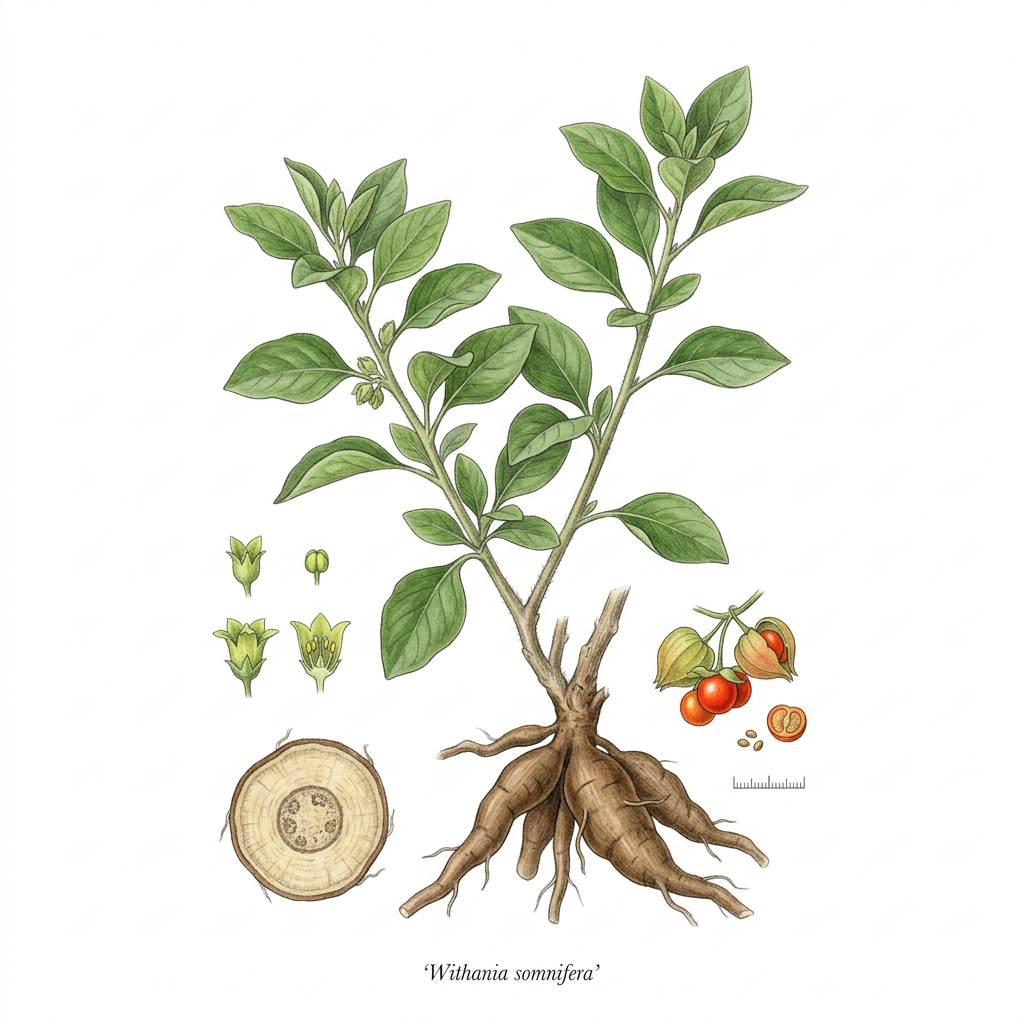
Ashwagandha

Ashwagandha

Withania somnifera

Immune Support
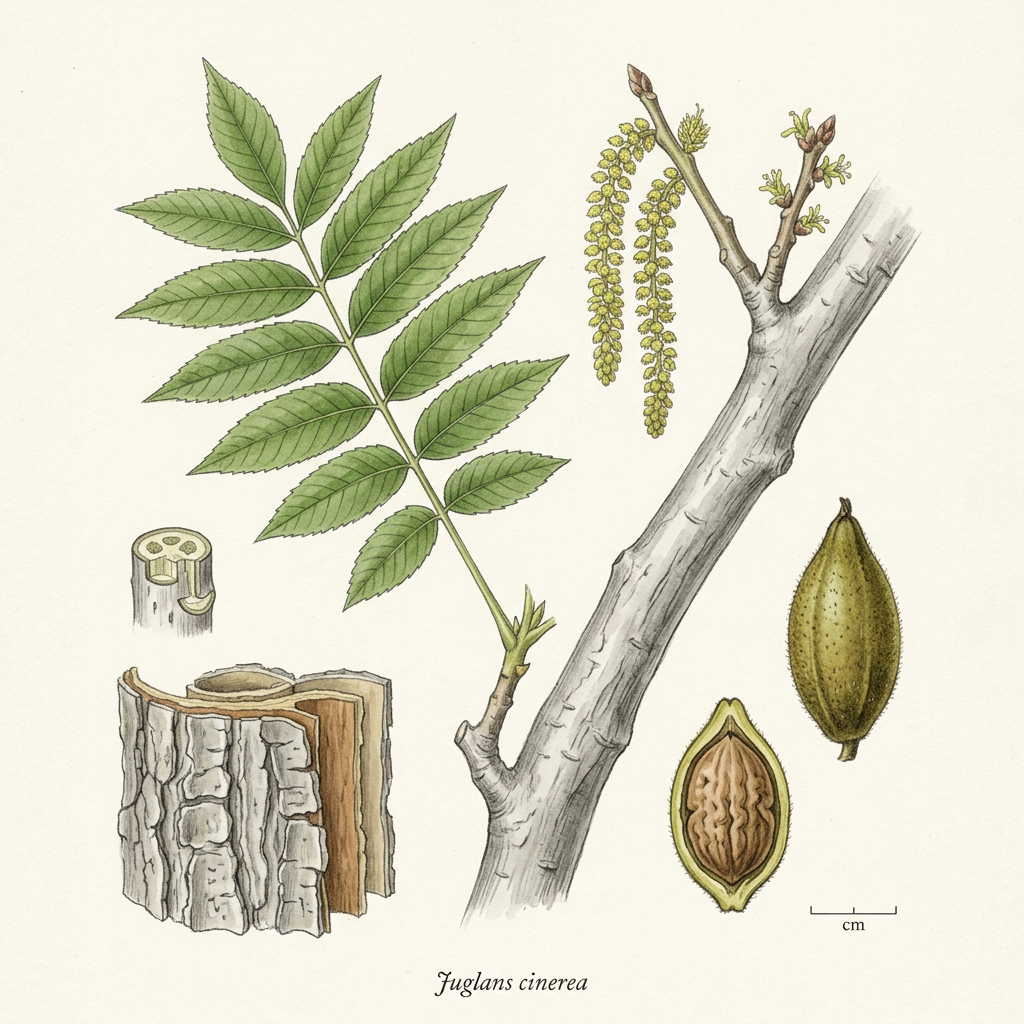
Butternut bark

Butternut bark

Juglans cinerea

Digestive Function Improvement
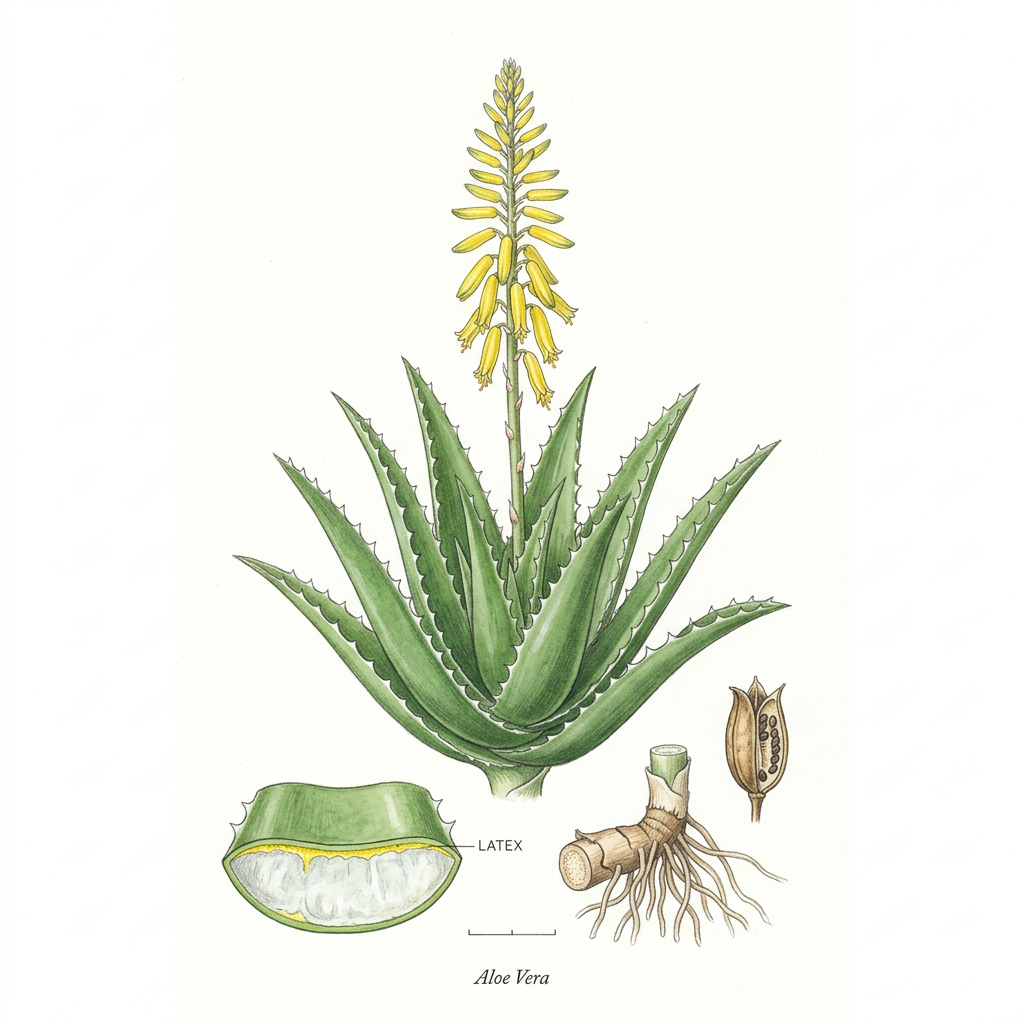
Aloe Vera

Aloe Vera

Aloe vera

Digestive Support