The Wild Sage logo
The Wild Sage Logo

Herbal Medicine at your fingertips

Comprehensive database of herbal remedies with detailed safety information and traditional uses

New to herbal terms? Read the glossary →
ADHD
Abcess
Acid Reflux Relief
Acinetobacter
Acne
Acne Vulgaris
Addisons
Adenomyosis
Adenovirus
Adrenal fatigue
Aging
Aids
Alcaligenes faecalis
Alcoholism
Allergic Rhinitis
Allergies
Allergy
Alopoecia
Alopoecia nervosa
Alzheimer's, Dementia & Cognitive Decline
420 herbs found
Important: This information is for educational purposes only. Always consult with qualified healthcare professionals before using herbal remedies, especially if you have existing health conditions or take medications.
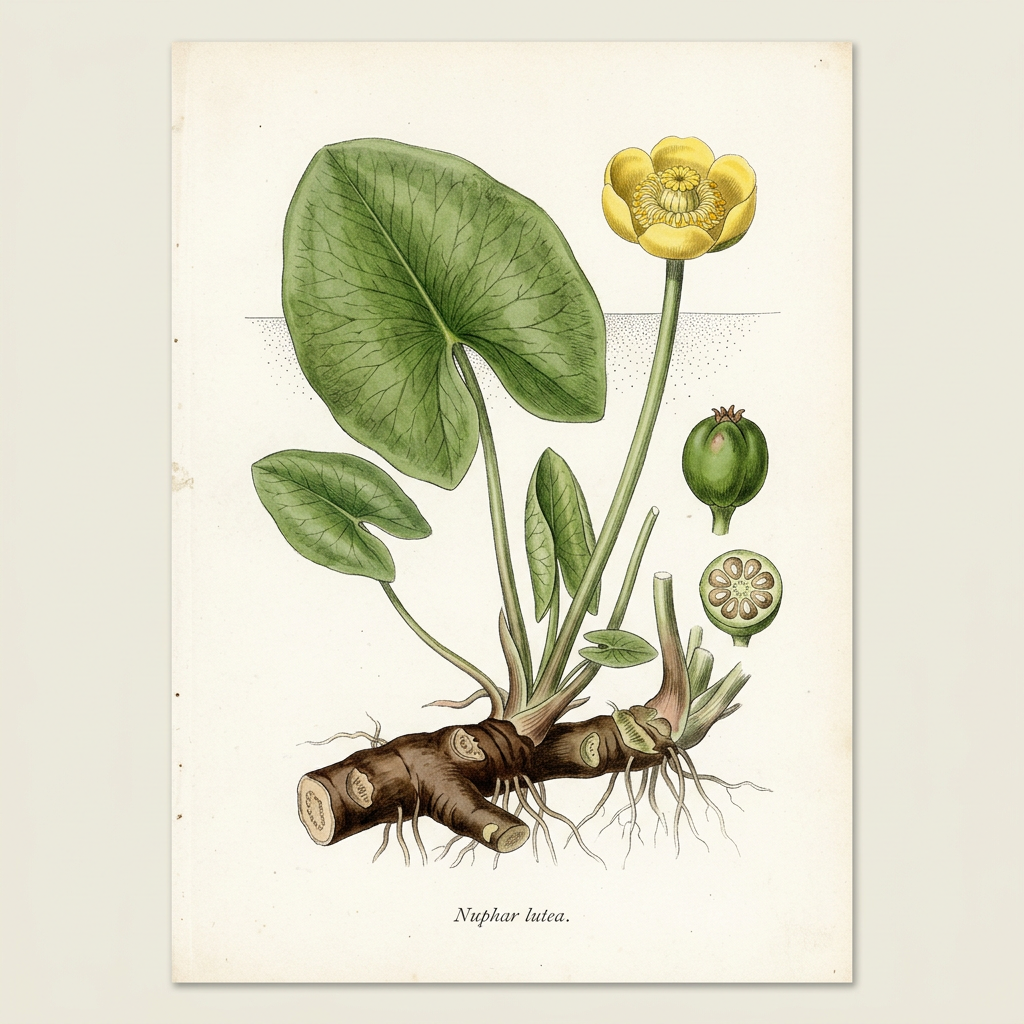
Water Lily

Water Lily

Nuphar lutea

moderate risk Risk
Nymphaceae
Cooling and moistening; useful for repressed sexual expression and excessive cravings.
<p>Nymphaea luteum, commonly known as the yellow water lily or the Egyptian lotus, is a perennial aquatic plant belonging to the family Nymphaeaceae. This herb has a rich history of use in traditional medicine, particularly among ancient cultures in Africa and Egypt, where it was revered not only for its beauty but also for its purported medicinal properties. The roots, leaves, and flowers of *Nymphaea luteum* were utilized in various folk remedies, often as sedatives and pain relievers. Its presence in the ancient Egyptian civilization is well-documented; hieroglyphics depict this magnificent flower, suggesting its significance in cultural and spiritual practices. The plant has also been employed in various African traditional medicine systems to promote relaxation and enhance wellbeing. In contemporary herbalism, *Nymphaea luteum* shows promise for a variety of therapeutic applications, although more rigorous research is warranted to fully understand its potential. Preliminary studies indicate that the plant possesses compounds with notable sedative, anti-inflammatory, and analgesic properties. These bioactive constituents may offer benefits in managing stress, anxiety, and pain, making this herb a candidate for natural adjunct therapies in these areas. The water lily has also been highlighted for its potential to improve overall vitality and promote a sense of calm, aligning with its historical uses in traditional practices. When consumed, *Nymphaea luteum* may exert its effects through various pharmacological mechanisms. Its sedative qualities may be attributed to the influence of specific alkaloids that modulate the central nervous system, potentially enhancing GABAergic activity, which is crucial for inducing relaxation and reducing anxiety. Furthermore, the herb's anti-inflammatory properties could help alleviate discomfort associated with inflammatory conditions, promoting a sense of physical ease. While enlightening, this information calls for further empirical studies to establish standardized dosages, extracts, and comprehensive safety profiles, ensuring that *Nymphaea luteum* can be appreciated not only as a symbol of beauty but also as a valuable contributor to holistic wellness.</p>

Uses & Conditions

Vitality Improvement
Relaxation
Dysentery
Diarrhoea
Mouth Ulcer
Ulcer Of The Penis
Ulcer Of The Vulva
Benign Prostatic Hyperplasia
Pelvic Inflammation
Digestive Issues
Tuberculosis
Prolapsed Uterus
Spermatorrhoea
Vaginal Discharge
Anxiety
Pain Relief

Actions

Anodyne
Antiseptic
Anti-diarrhoea
Astringent
Anticancer
Demulcent
Sedative

Parts Used

Rhizome

Native Countries

Egypt
Sudan
East Africa
West Africa
South Africa

USDA Hardiness Zones

8
9

Contraindications

  • Pregnancy and breastfeeding
  • Hormone-sensitive conditions
  • Pre-operative: cease use at least two weeks before elective surgery
  • Hypersensitivity: known allergy to the Nymphaeaceae family

Potential Side Effects

  • Mild gastrointestinal upset or nausea
  • Excessive drowsiness or lethargy
  • Dizziness or lightheadedness

Interactions

  • Sedatives and Anxiolytics: potential potentiation of benzodiazepines, barbiturates, or CNS depressants
  • Anticoagulants and Antiplatelets: potential synergistic effects increasing risk of bruising or bleeding

Dosages, tincture ratios & research — members only

Unlock Garreth's dosing guidance, tincture ratios, the dosage calculator and the research studies for Water Lily.

Your assessment and results stay saved — upgrading only unlocks more of them.

See membership plans

Community Photos

No community photos yet. Sign in to upload photos.

Reviews & Ratings

Sign in to leave a review.

No reviews yet. Be the first!

GF

Garreth Falls — B.Th., Dip. H.M., MNIMH

Content curated and reviewed by Garreth Falls, Consultant Medical Herbalist · The Wild Sage

Medical Disclaimer: This information is for educational purposes only and is not intended as medical advice. Always consult with qualified healthcare professionals before starting any herbal treatment.
Western tradition

Sustainability & quality

At risk

Growing in wetland habitats, this plant is increasingly rare in some regions due to habitat destruction. Harvesting should be avoided unless from sustainable, cultivated sources.

Key constituents

Nupharidine (alkaloid), Nymphine, Tannins, Flavonoids, Sterols, Ellagic acid, Mucilage

References

  1. British Herbal Pharmacopoeia 1983
  2. Herbal Reality. Herb monographs. herbalreality.com

Reviewed by Garreth, Medical Herbalist (MNIMH) · November 2026

Related conditions

Explore conditions where Water Lily is traditionally used.

Related Herbs
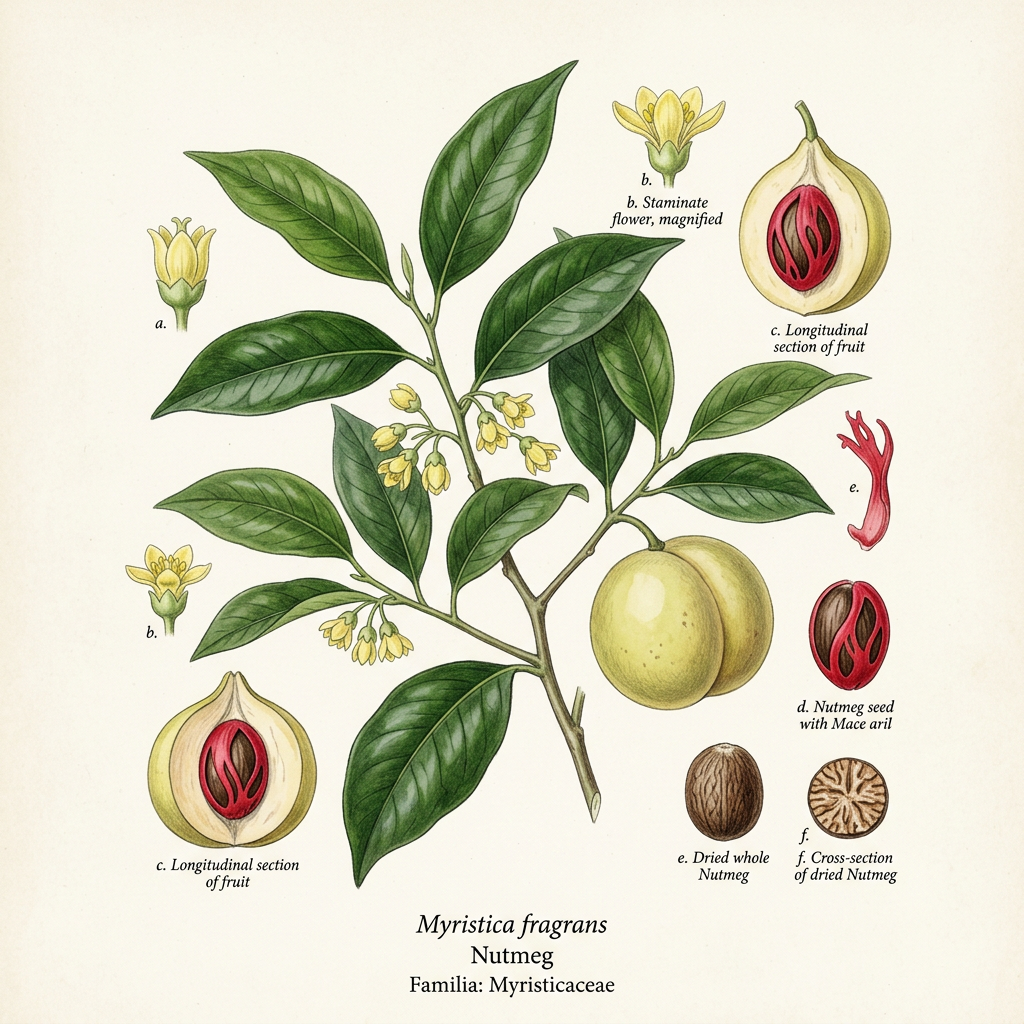
Nutmeg

Nutmeg

Myristica fragrans

Digestive Aid
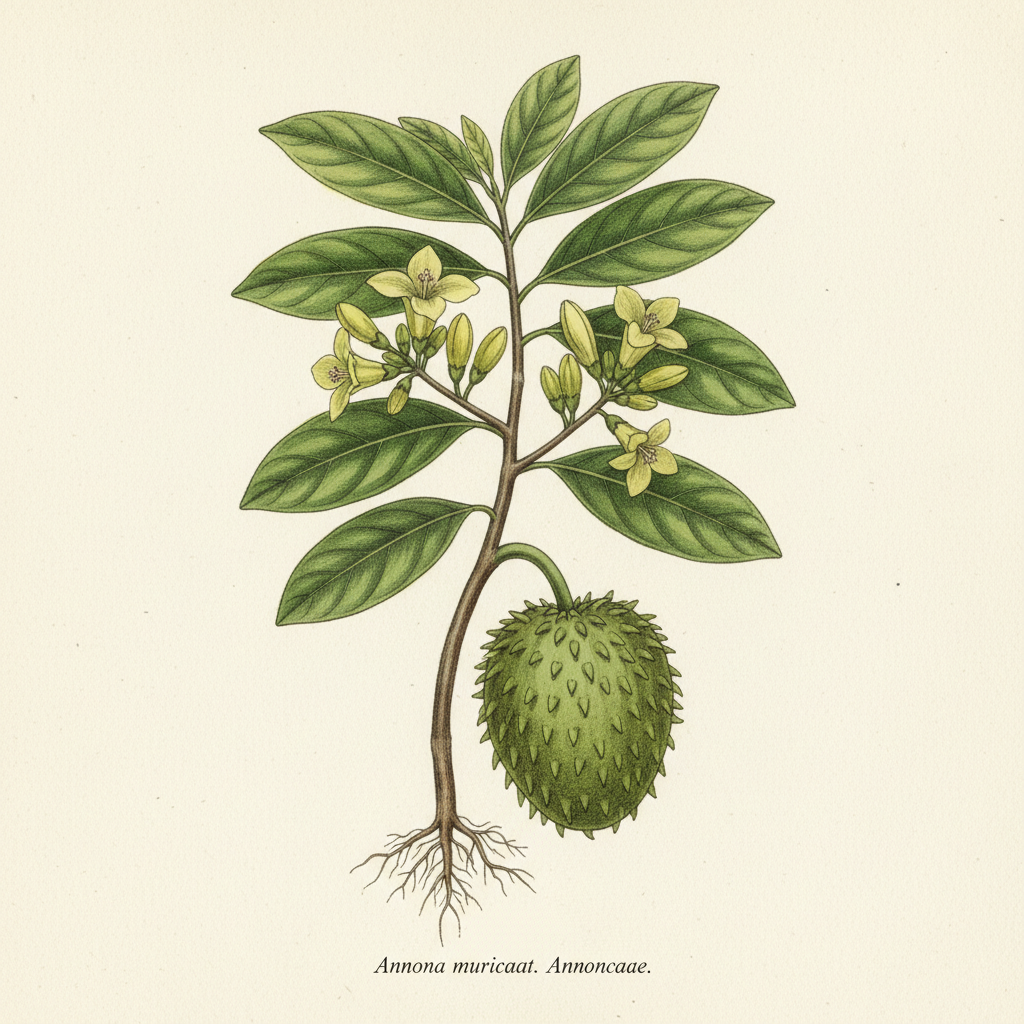
Soursop

Soursop

Annona muricata

Immune Support
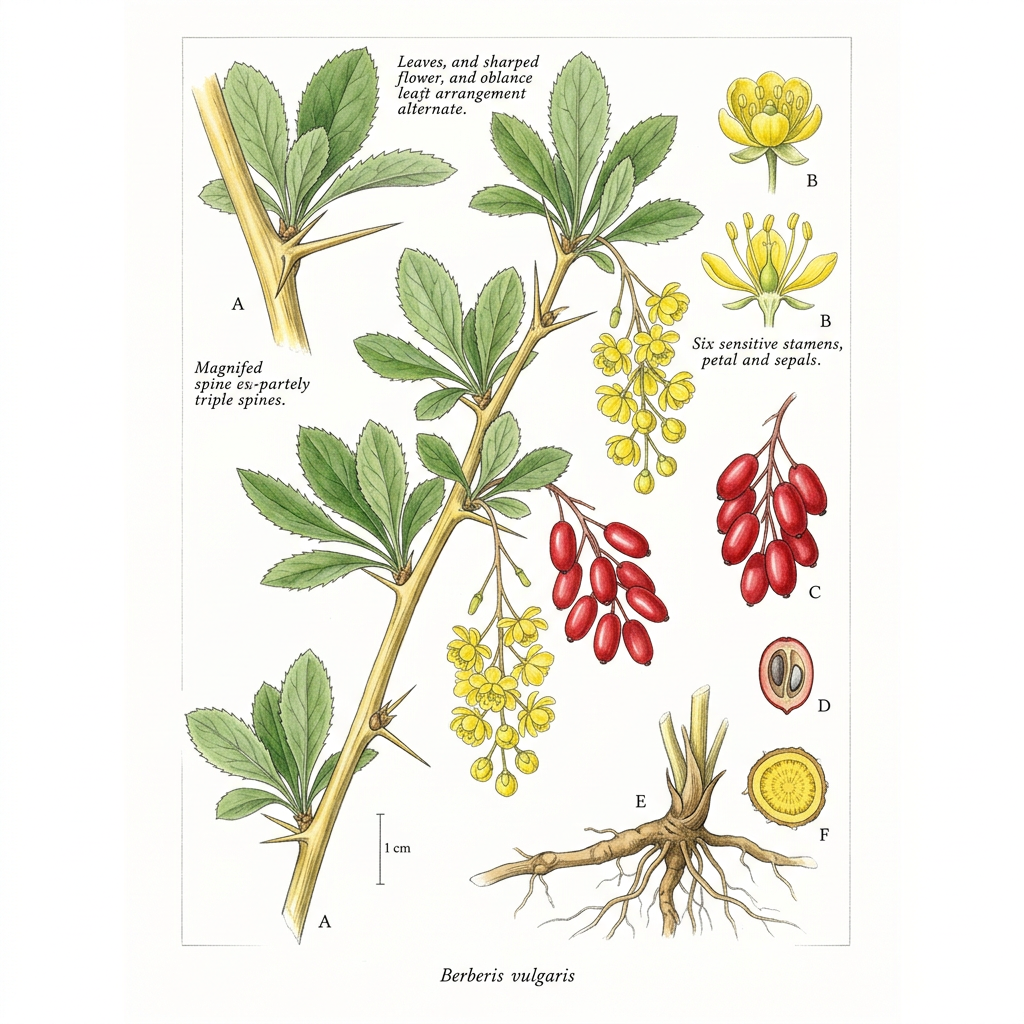
Barberry

Barberry

Berberis vulgaris

Digestive Aid
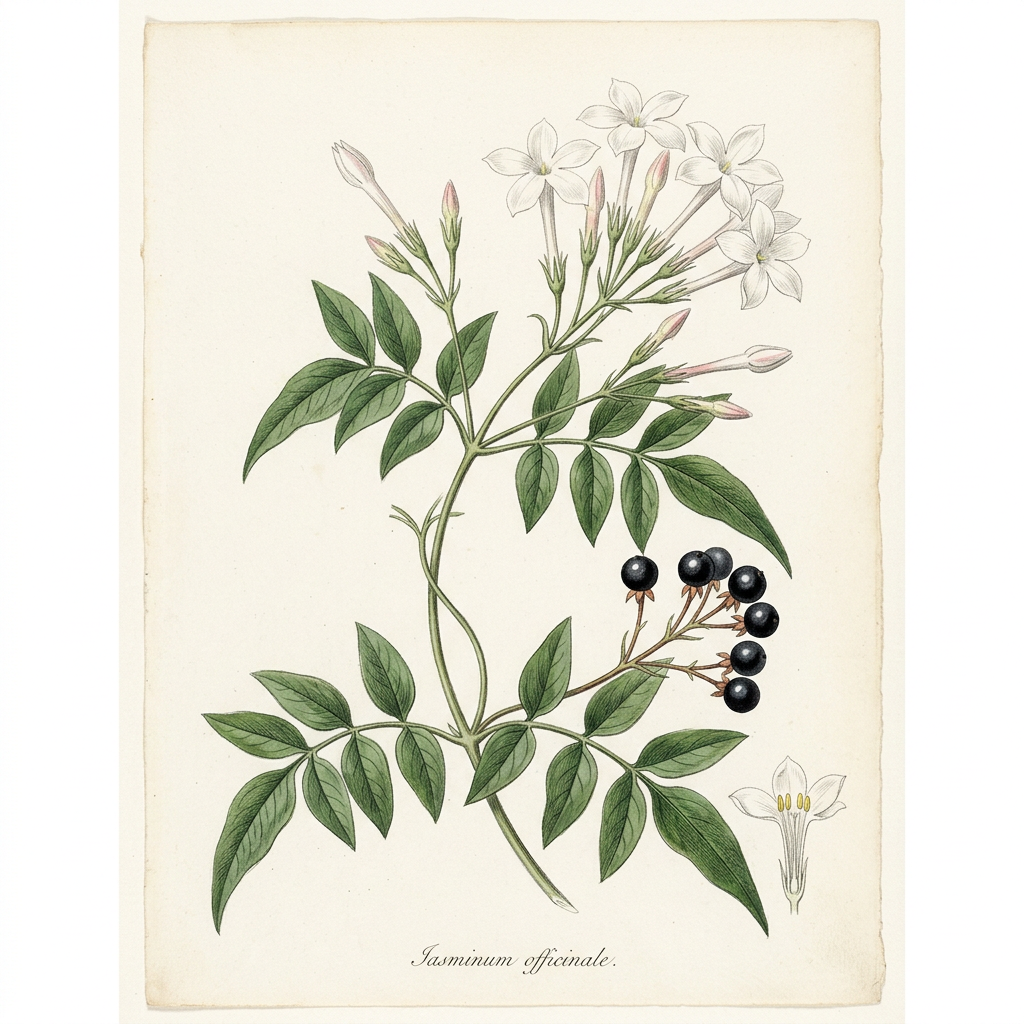
Jasmine

Jasmine

Jasminum spp.

Anxiety