The Wild Sage logo
The Wild Sage Logo

Herbal Medicine at your fingertips

Comprehensive database of herbal remedies with detailed safety information and traditional uses

New to herbal terms? Read the glossary →
ADHD
Abcess
Acid Reflux Relief
Acinetobacter
Acne
Acne Vulgaris
Addisons
Adenomyosis
Adenovirus
Adrenal fatigue
Aging
Aids
Alcaligenes faecalis
Alcoholism
Allergic Rhinitis
Allergies
Allergy
Alopoecia
Alopoecia nervosa
Alzheimer's, Dementia & Cognitive Decline
420 herbs found
Important: This information is for educational purposes only. Always consult with qualified healthcare professionals before using herbal remedies, especially if you have existing health conditions or take medications.
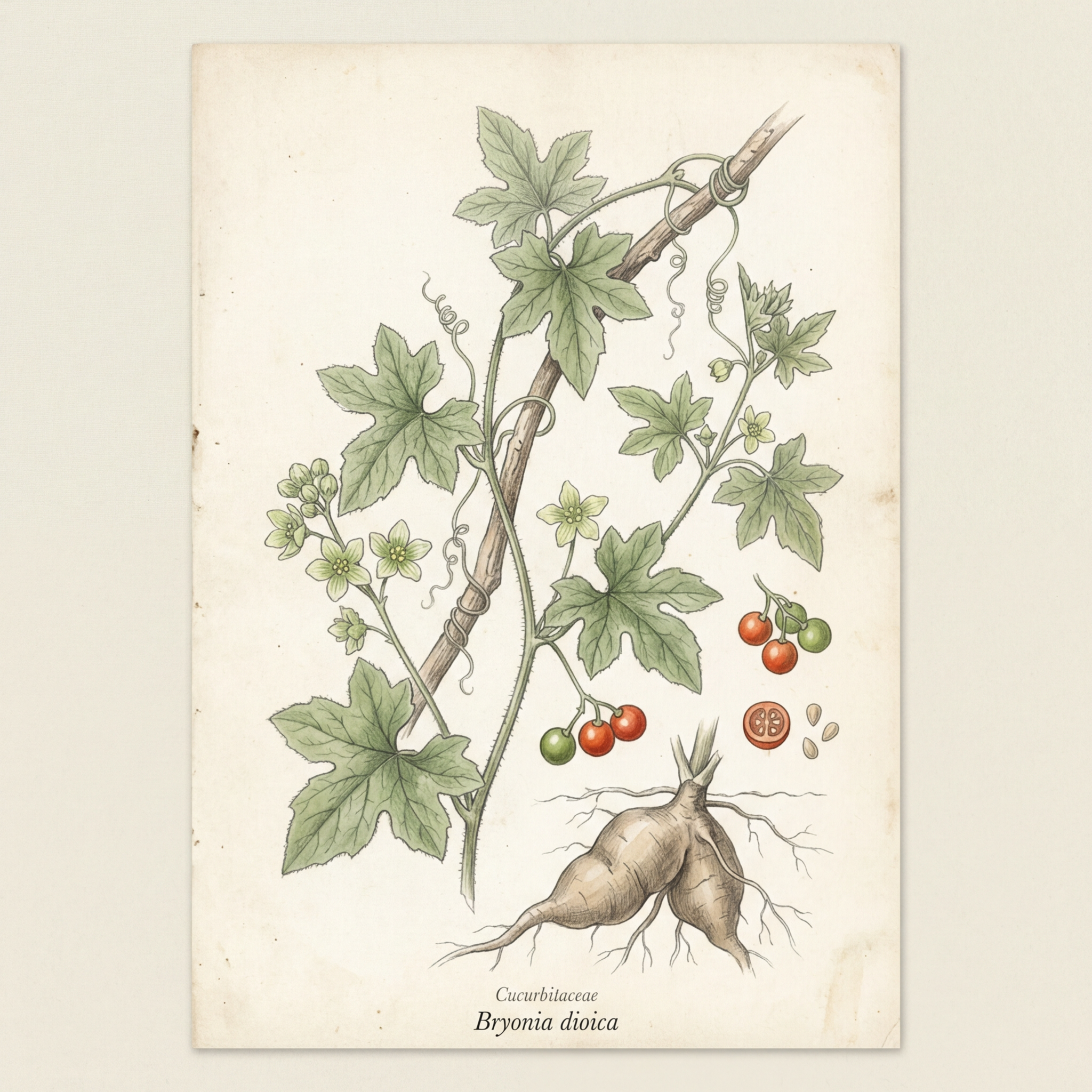
White bryony

White bryony

Bryonia dioica

high risk Risk
Cucurbitaceae
Known for its stimulating and warming properties, Bryonia is often used to support respiratory health and alleviate symptoms associated with colds and flu. It is associated with dryness and may help in conditions characterized by inflammation and pain.
<p>White bryony, or Bryonia dioica, is a perennial climbing plant native to Europe and parts of Asia, traditionally revered in folk medicine for its versatile therapeutic applications. This herb, classified within the Cucurbitaceae family, features striking green, lobed leaves and distinctive clusters of greenish-white flowers, which eventually give way to small, red berries. Historically, white bryony has been utilized by herbalists for centuries, particularly in European tradition, where it was believed to possess both medicinal and protective qualities. Ancient texts mention its use for various ailments, from respiratory issues to gastrointestinal disturbances, highlighting its long-standing prominence in traditional herbalism. The primary therapeutic actions attributed to white bryony include its role as an adaptogen, promoting resilience against physical and emotional stress, and as an anti-pyretic, helping to reduce fever. Its anti-rheumatic properties have positioned it as a potential ally for individuals dealing with inflammatory conditions, particularly arthritis and gout. Furthermore, white bryony exhibits diaphoretic qualities that encourage sweating, aiding in the body's natural detoxification processes. The herb also possesses notable emetic and expectorant characteristics, which make it useful for alleviating symptoms associated with respiratory ailments, such as cough and congestion. However, it is crucial to approach white bryony with caution, as it contains potent compounds that can be toxic in large doses, necessitating careful dosaging and consultation with a healthcare professional prior to use. Within the body, white bryony interacts with multiple systems, exerting its therapeutic effects primarily through alkaloids and saponins present in its root and stem. These bioactive compounds stimulate various physiological responses, encouraging the body to manage inflammation and enhance lung function during respiratory distress. Additionally, the adaptogenic qualities of white bryony may support the adrenal system, helping the body adapt to stressors more effectively. While the potential benefits of white bryony are noteworthy, its use should be confined to knowledgeable practitioners due to the risk of toxicity, thereby underscoring the importance of responsible herbal medicine application. This multifaceted herb serves as a compelling example of the intricate relationship between natural remedies and human health, confirming its place in the annals of herbal tradition.</p>

Uses & Conditions

Detoxification
Supportive Care
Respiratory Infections
Fever
Cough
Congestion
Bronchitis
Rheumatoid Arthritis
Osteoarthritis
Chronic Pain
Gastrointestinal Disturbances
Cancer
Connective Tissue Disorders
Ehlers Danlos Syndrome

Actions

Anti-pyretic
Expectorant
Adaptogen
Emetic
Anti-rheumatic
Diaphoretic
Purgative
Cathartic
NFkB Inhibitor
TNF-a Reduction

Parts Used

Leaves
Roots
Whole plant

Native Countries

Europe
Mediterranean
Northern Europe

USDA Hardiness Zones

USDA 3-7

Contraindications

  • Pregnancy due to abortifacient properties
  • Breastfeeding due to risk of excretion into milk
  • Gastrointestinal disorders including gastritis
  • ulcers
  • and inflammatory bowel disease
  • Kidney disease
  • Paediatric use

Potential Side Effects

  • Severe gastrointestinal distress including vomiting and bloody diarrhoea
  • Dermatitis or skin blistering from direct contact
  • Systemic toxicity including vertigo
  • convulsions
  • and cardiovascular instability

Interactions

  • Diuretic medications due to risk of electrolyte imbalance
  • Laxative medications due to risk of severe gastrointestinal irritation
  • Immunosuppressants due to potential modulation of immune pathways
  • NSAIDs due to increased risk of gastric mucosal irritation

Dosages, tincture ratios & research — members only

Unlock Garreth's dosing guidance, tincture ratios, the dosage calculator and the research studies for White bryony.

Your assessment and results stay saved — upgrading only unlocks more of them.

See membership plans

Community Photos

No community photos yet. Sign in to upload photos.

Reviews & Ratings

Sign in to leave a review.

No reviews yet. Be the first!

GF

Garreth Falls — B.Th., Dip. H.M., MNIMH

Content curated and reviewed by Garreth Falls, Consultant Medical Herbalist · The Wild Sage

Medical Disclaimer: This information is for educational purposes only and is not intended as medical advice. Always consult with qualified healthcare professionals before starting any herbal treatment.
Western tradition

Sustainability & quality

Abundant

Common native hedgerow species; harvest responsibly from private land and avoid roadside collection.

Key constituents

Cucurbitacins B, D, E, and I, Bryonin, Bryonidine, Bryonolic acid, Alkaloids, Tannins, Polysaccharides

References

  1. British Herbal Pharmacopoeia 1983
  2. Herbal Reality. Herb monographs. herbalreality.com

Reviewed by Garreth, Medical Herbalist (MNIMH) · November 2026

Related conditions

Explore conditions where White bryony is traditionally used.

Related Herbs
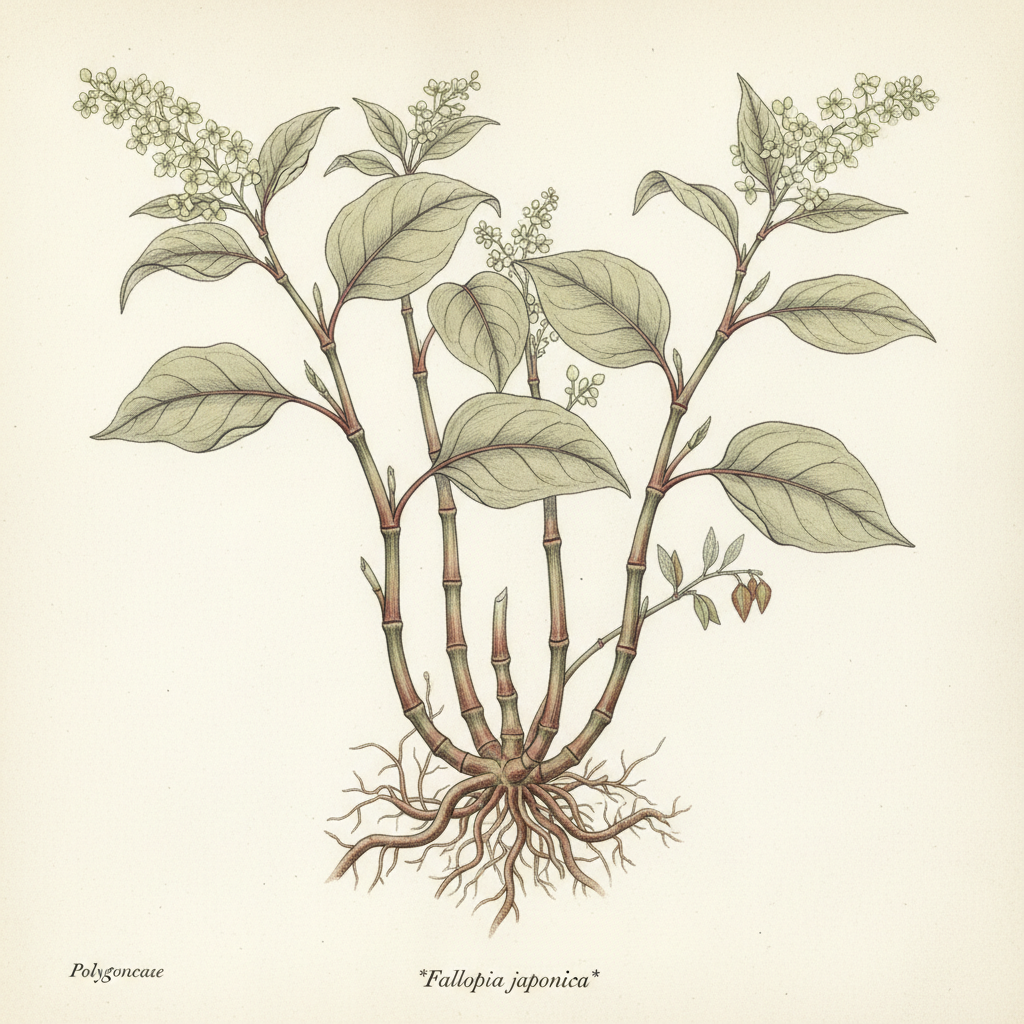
Japanese Knotweed

Japanese Knotweed

Fallopia japonica

Immune Support
Wild Lettuce

Wild Lettuce

Lactuca virosa

Emotional Well-being
Black Cohosh

Black Cohosh

Actaea racemosa

Hormonal Support
Bupleurum

Bupleurum

Bupleurum

Detoxification