The Wild Sage logo
The Wild Sage Logo

Herbal Medicine at your fingertips

Comprehensive database of herbal remedies with detailed safety information and traditional uses

New to herbal terms? Read the glossary →
ADHD
Abcess
Acid Reflux Relief
Acinetobacter
Acne
Acne Vulgaris
Addisons
Adenomyosis
Adenovirus
Adrenal fatigue
Aging
Aids
Alcaligenes faecalis
Alcoholism
Allergic Rhinitis
Allergies
Allergy
Alopoecia
Alopoecia nervosa
Alzheimer's, Dementia & Cognitive Decline
420 herbs found
Important: This information is for educational purposes only. Always consult with qualified healthcare professionals before using herbal remedies, especially if you have existing health conditions or take medications.
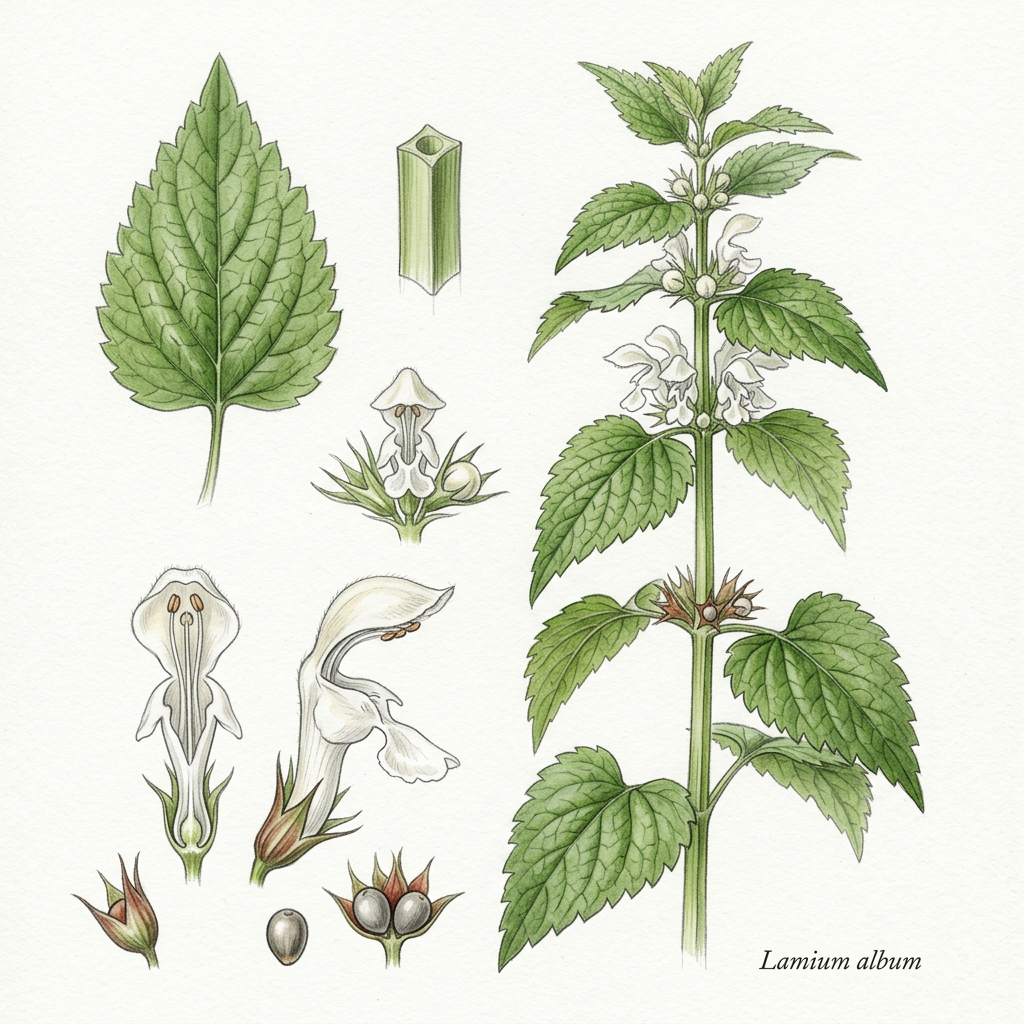
White deadnettle

White deadnettle

Lamium album

low risk Risk
Lamiaceae
Cooling and moist, it aids digestion and supports immune function.
<p>White deadnettle (Lamium album) is a perennial herb belonging to the Lamiaceae family, commonly found throughout Europe and parts of Western Asia. Known for its delicate, white flowers and heart-shaped leaves, this plant has been cherished in traditional herbal medicine for centuries. Historical records suggest that white deadnettle was once used by herbalists for its various therapeutic properties, often being likened to its stinging counterpart, stinging nettle (Urtica dioica), but with none of the painful side effects. Its mild nature and versatile applications have made it a popular choice in folk medicine for addressing a range of ailments, including respiratory issues, menstrual discomfort, and minor skin irritations. The therapeutic potential of white deadnettle is particularly noteworthy, showcasing an impressive array of medicinal properties attributed to its rich composition of flavonoids, polyphenols, and other bioactive compounds. This herb acts primarily as an antioxidant, helping to combat oxidative stress in the body, thus potentially reducing inflammation and supporting overall health. Additionally, white deadnettle has been recognized for its role as a digestive aid, often used to alleviate symptoms of gastric discomfort and promote healthy digestion. Furthermore, its immune-supporting attributes may enhance the body’s defenses against common pathogens, aiding in the prevention of illness during seasonal changes or stressful periods. White deadnettle works in the body through its intricate phytochemical interactions, which contribute to its various health benefits. The plant’s antioxidant compounds neutralize free radicals, thereby protecting cells from damage and helping to enhance overall well-being. Its mild astringent properties may assist in soothing gastrointestinal discomfort, while stimulating the production of digestive enzymes that further enhance nutrient absorption. The presence of natural anti-inflammatory constituents plays a crucial role in modulating immune response, thereby helping to fortify the body’s defenses. Overall, Lamium album stands as a testament to the power of nature’s apothecary, offering a gentle yet effective solution for those seeking natural support for their health and wellness.</p>

Uses & Conditions

Immune System Support
Cognitive Function
Digestive Disorders
Arthritis
Inflammation
Burns
Cuts
Cystitis
Respiratory Issues
Menstrual Discomfort
Minor Skin Irritations
Hayfever

Actions

Antioxidant
Digestive Aid
Immune Support
COX-2 Inhibitor

Synonyms

Archangel
Yellow archangel
Red deadnettle.

Parts Used

Aerial parts

Native Countries

Europe

USDA Hardiness Zones

USDA 3-9

Preparations & Dosage

  • Infusion: 2–4 g dried herb, three times per day
  • Tincture: 1:5 ratio in 25% ethanol, 2–10 ml three times per day
  • Fluid Extract: 1:1 ratio in 25% ethanol, 2–4 ml three times per day
  • Sitz bath: 5 g per bath
  • Rinse: No specific dosage
  • Bath: No specific dosage
  • Vaginal douche: No specific dosage
  • Poultice: No specific dosage
  • Compress: No specific dosage

Maximum weekly dose: 20–40 ml

Contraindications

  • Pregnancy: avoid due to lack of safety data regarding uterine stimulant effects
  • Breastfeeding: insufficient evidence to support safety during lactation
  • Hypersensitivity: discontinue use if signs of allergic reaction to Lamiaceae family plants occur
  • Pre-existing hormonal conditions: exercise caution due to potential phytoestrogenic activity

Potential Side Effects

  • Mild gastrointestinal upset or nausea if taken on an empty stomach
  • Allergic skin reaction in sensitive individuals when applied topically

Interactions

  • Diuretics: potential additive effect when used alongside prescribed diuretic medications
  • Antihypertensives: monitor blood pressure as excessive use may theoretically potentiate effects
  • Potent prescription medications: exercise caution due to potential for unknown interactions

Dosage Calculator

Community Photos

No community photos yet. Sign in to upload photos.

Reviews & Ratings

Sign in to leave a review.

No reviews yet. Be the first!

GF

Garreth Falls — B.Th., Dip. H.M., MNIMH

Content curated and reviewed by Garreth Falls, Consultant Medical Herbalist · The Wild Sage

Medical Disclaimer: This information is for educational purposes only and is not intended as medical advice. Always consult with qualified healthcare professionals before starting any herbal treatment.
Western tradition

Sustainability & quality

Abundant

An extremely common weed in gardens and waste ground. Easy to harvest in abundance; ensure identification is correct to avoid confusion with other stinging nettle-like plants.

Key constituents

Flavonoids, Glycosides, Iridoid monoterpene, Tannin

References

  1. British Herbal Pharmacopoeia 1983
  2. Herbal Reality. Herb monographs. herbalreality.com

Reviewed by Garreth, Medical Herbalist (MNIMH) · November 2026

Related conditions

Explore conditions where White deadnettle is traditionally used.

Related Herbs
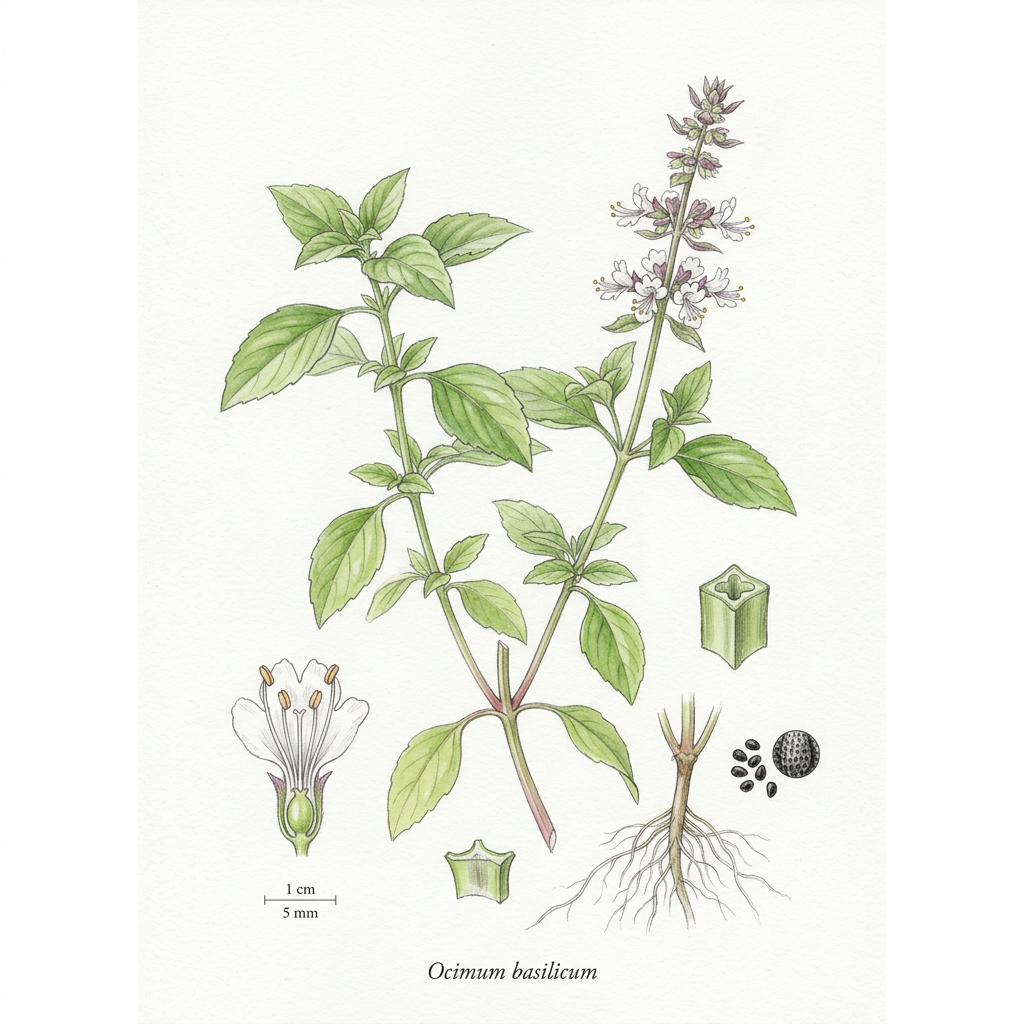
Basil

Basil

Ocimum basilicum

Convalescence
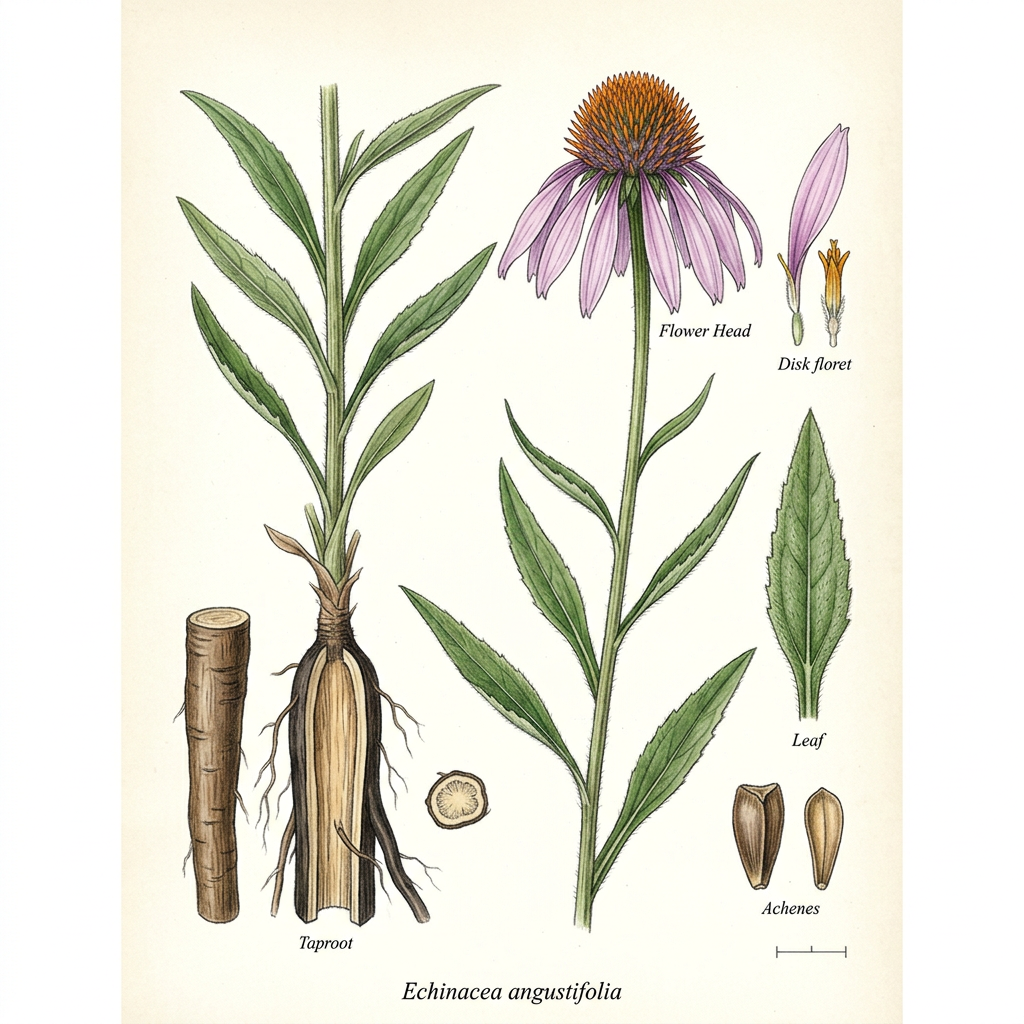
Echinacea angustifolia

Echinacea angustifolia
Echinacea angustifolia

Immune System Support
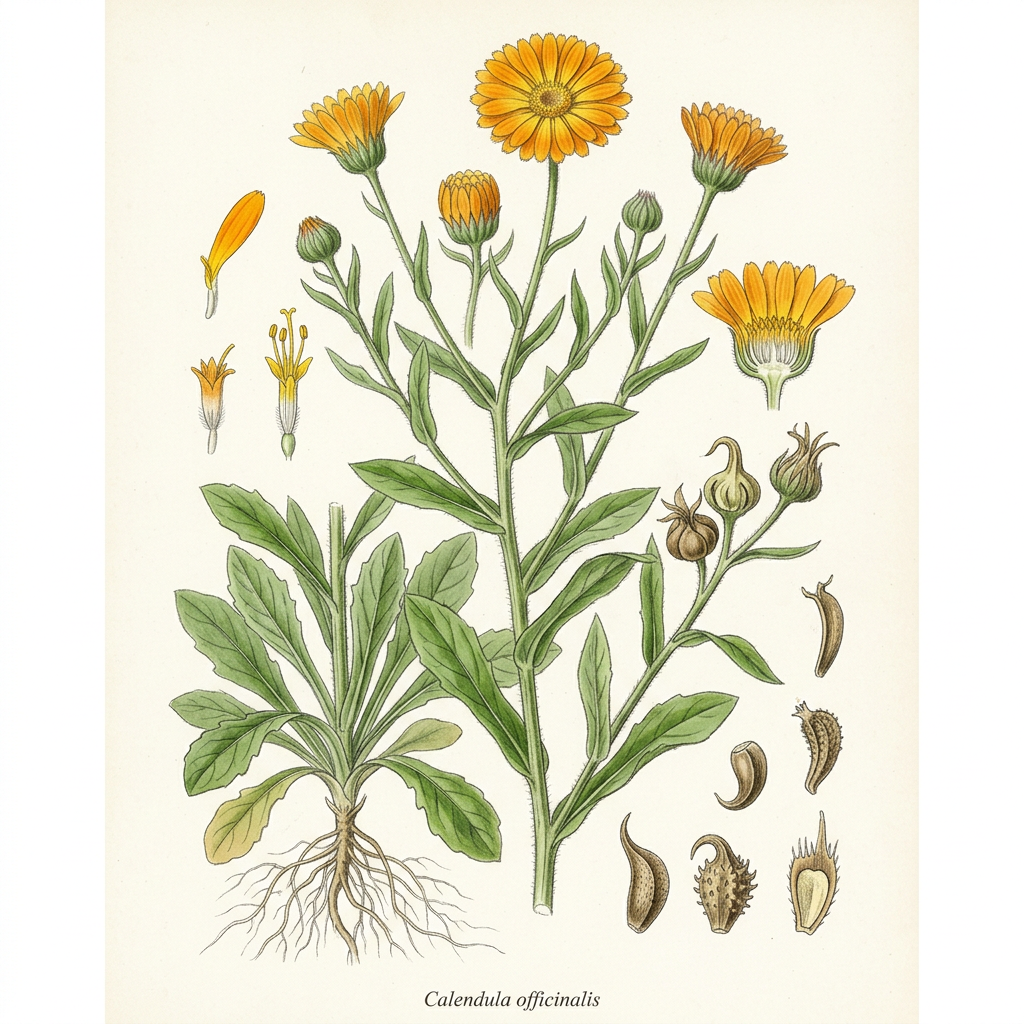
Marigold

Marigold

Calendula officinalis

Lymphatic Support
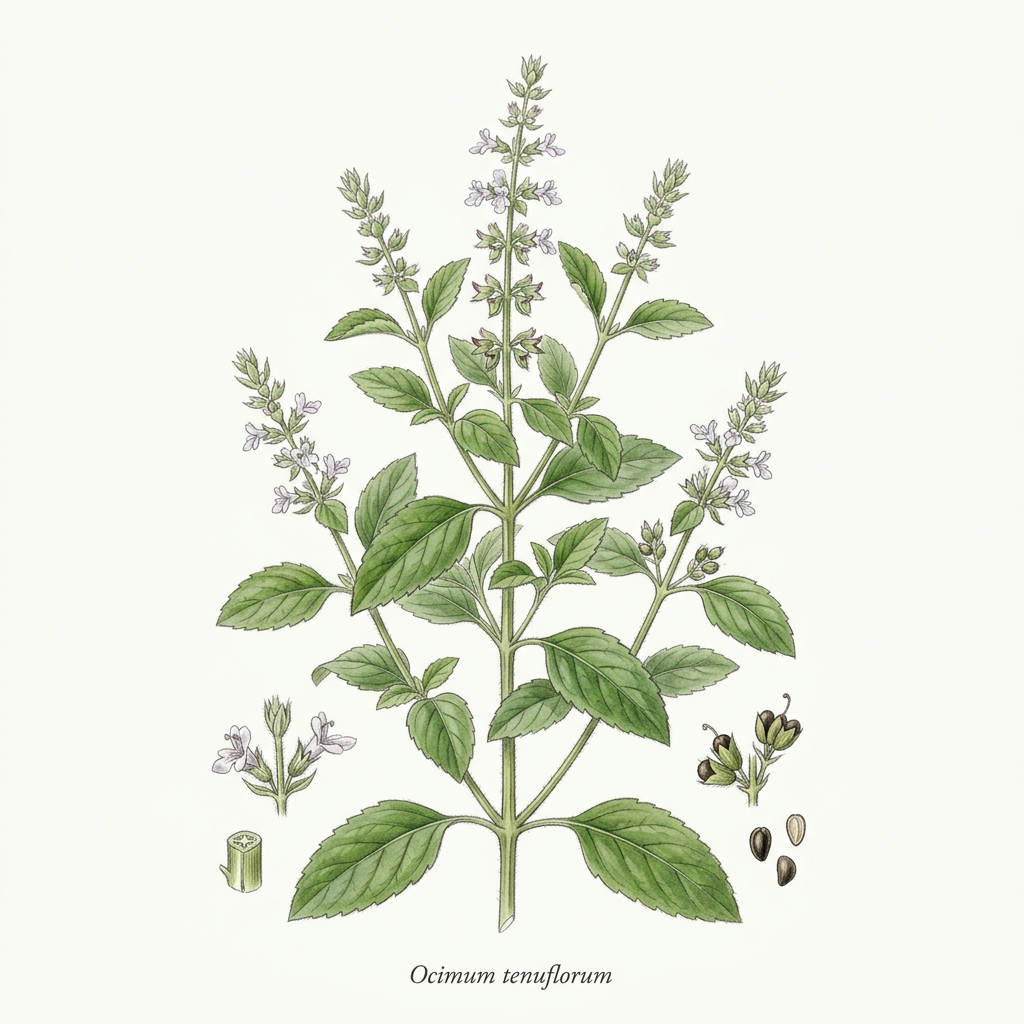
Tulsi

Tulsi

Ocimum tenuiflorum

Stress Management