The Wild Sage logo
The Wild Sage Logo

Herbal Medicine at your fingertips

Comprehensive database of herbal remedies with detailed safety information and traditional uses

New to herbal terms? Read the glossary →
ADHD
Abcess
Acid Reflux Relief
Acinetobacter
Acne
Acne Vulgaris
Addisons
Adenomyosis
Adenovirus
Adrenal fatigue
Aging
Aids
Alcaligenes faecalis
Alcoholism
Allergic Rhinitis
Allergies
Allergy
Alopoecia
Alopoecia nervosa
Alzheimer's, Dementia & Cognitive Decline
420 herbs found
Important: This information is for educational purposes only. Always consult with qualified healthcare professionals before using herbal remedies, especially if you have existing health conditions or take medications.
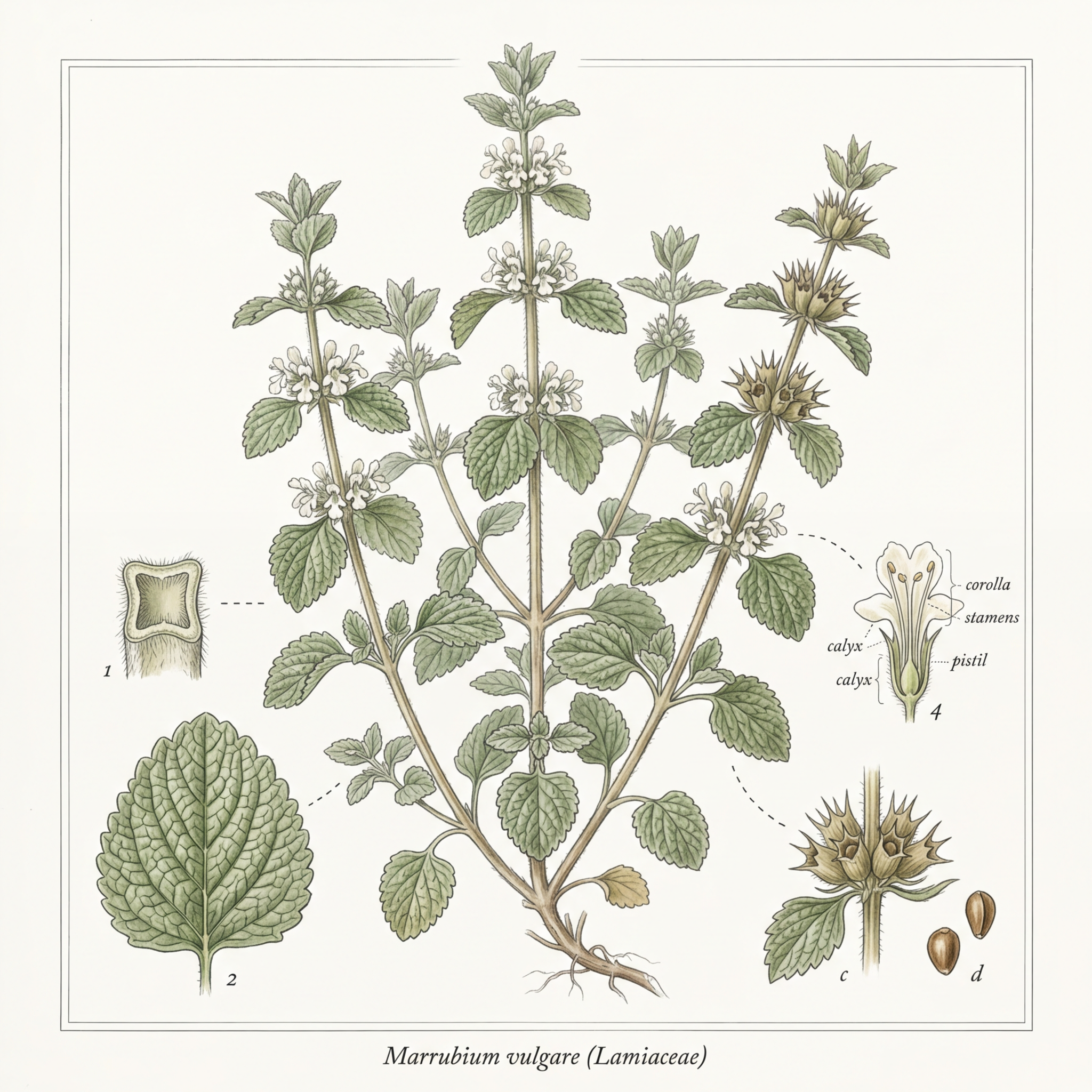
White Horehound

White Horehound

Marrubium vulgare

low risk Risk
Lamiaceae
<p>White horehound, scientifically known as *Marrubium vulgare*, is a perennial herb from the Lamiaceae family, traditionally esteemed for its medicinal properties since ancient times. Historically, this herb has been employed in various cultures to address respiratory ailments, particularly those associated with excess mucus production. In traditional European herbalism, white horehound was often utilized to alleviate coughs and throat irritations. It features prominently in herbal folklore, often regarded as a reliable remedy for bronchitis and other pulmonary conditions, as well as digestive complaints. In addition to its medicinal applications, white horehound has been incorporated into candies and lozenges, offering a sweetened taste while delivering therapeutic benefits. The primary therapeutic properties of white horehound are rooted in its expectorant, antitussive, and slight antimicrobial actions. Its active constituents, including marrubiin, flavonoids, and essential oils, contribute to its effectiveness as an expectorant, helping to loosen and expel thick, sticky mucus from the respiratory tract. This makes it particularly beneficial for individuals suffering from productive coughs associated with colds, bronchitis, or other respiratory infections. Moreover, the herb’s soothing properties can alleviate respiratory irritation, promoting a sense of breathability and comfort. Beyond the respiratory system, white horehound has been noted for its potential to stimulate digestive processes, reduce discomfort from indigestion, and even enhance gallbladder function. When consumed, white horehound exerts its effects by acting on the mucosal membranes of the respiratory system and digestive tract. Its expectorant properties promote the secretion of mucus, aiding in the clearance of phlegm and reducing the severity of coughs. By facilitating expectoration, white horehound supports lung function and enhances overall respiratory health. Additionally, its bitter constituents are believed to stimulate the digestive glands, leading to increased bile flow and improved digestion. This dual capacity to address both respiratory and digestive issues underscores white horehound's versatility as a therapeutic herb, making it a valuable addition to any herbal apothecary.</p>

Uses & Conditions

Digestive aid
Lung support
Cough
Bronchitis
Colds
Anorexia
Poor appetite
Dyspepsia
Asthma
Respiratory irritation
Indigestion
Throat irritation
Respiratory infections

Actions

Expectorant
Antimicrobial
Bitter
Cholagogue

Parts Used

Aerial parts

Native Countries

Europe

USDA Hardiness Zones

USDA 3-9

Contraindications

  • Pregnancy due to potential emmenagogue and uterotonic activity
  • Breastfeeding due to lack of safety data
  • Known history of cardiac arrhythmias
  • Gallstones or biliary obstruction
  • Known allergy to plants in the Lamiaceae family

Potential Side Effects

  • Gastrointestinal upset including nausea or diarrhoea in high doses
  • Contact dermatitis with topical application
  • Hypoglycaemia in excessive quantities

Interactions

  • Antidiabetic medications due to potential potentiated hypoglycaemic effects
  • Antihypertensive drugs due to potential to lower blood pressure
  • Cardiac glycosides like digoxin due to risk of altered absorption

Dosages, tincture ratios & research — members only

Unlock Garreth's dosing guidance, tincture ratios, the dosage calculator and the research studies for White Horehound.

Your assessment and results stay saved — upgrading only unlocks more of them.

See membership plans

Community Photos

No community photos yet. Sign in to upload photos.

Reviews & Ratings

Sign in to leave a review.

No reviews yet. Be the first!

GF

Garreth Falls — B.Th., Dip. H.M., MNIMH

Content curated and reviewed by Garreth Falls, Consultant Medical Herbalist · The Wild Sage

Medical Disclaimer: This information is for educational purposes only and is not intended as medical advice. Always consult with qualified healthcare professionals before starting any herbal treatment.
Western tradition

Sustainability & quality

Abundant

Widespread, especially in Europe. Generally easy to cultivate; ensure harvesting does not affect protected habitats.

Key constituents

Marrubiin (labdane diterpene), Flavonoids (apigenin, luteolin), Phenolic acids (caffeic, chlorogenic), Volatile oils, Tannins, Mucilage, Choline

References

  1. ESCOP Monographs 2nd ed. 2003
  2. British Herbal Pharmacopoeia 1983
  3. Herbal Reality. Herb monographs. herbalreality.com

Reviewed by Garreth, Medical Herbalist (MNIMH) · November 2026

Related conditions

Explore conditions where White Horehound is traditionally used.

Related Herbs
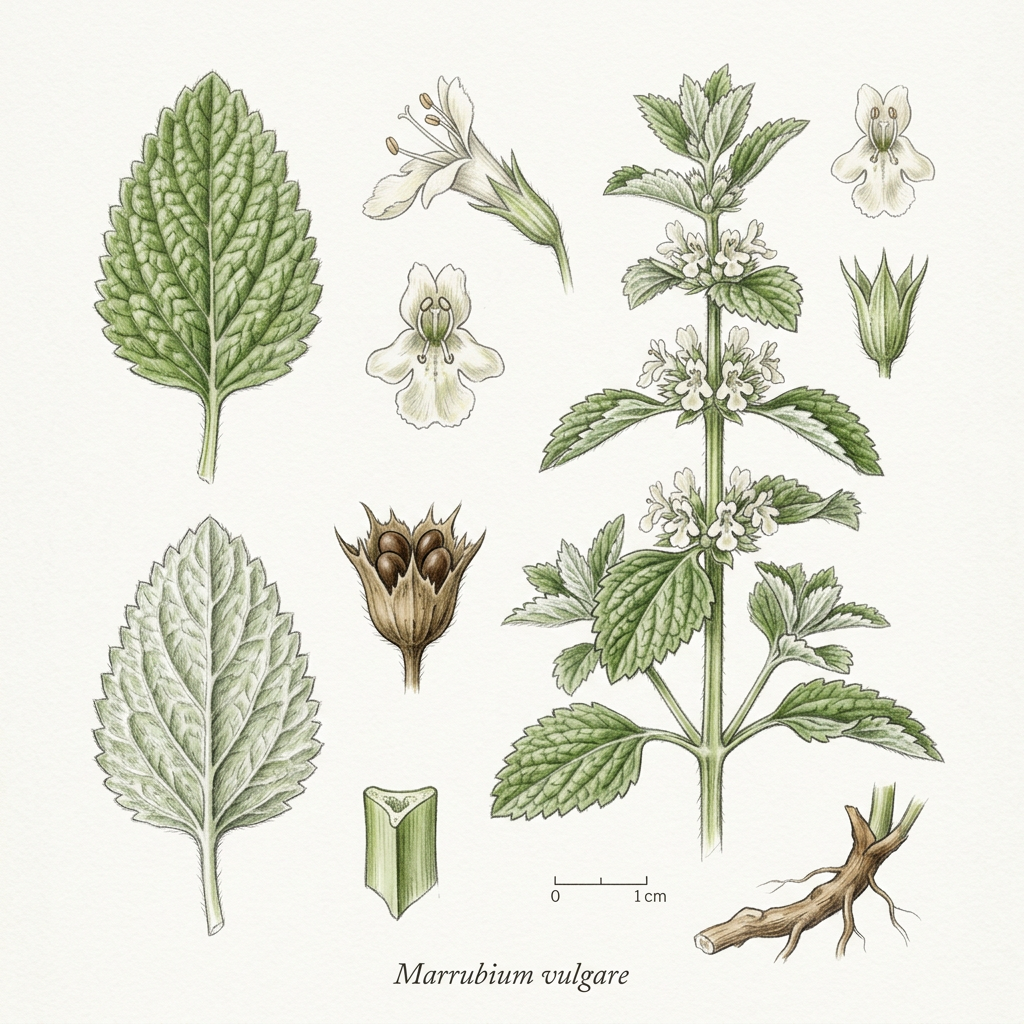
Horehound

Horehound

Marrubium vulgare

Respiratory Support
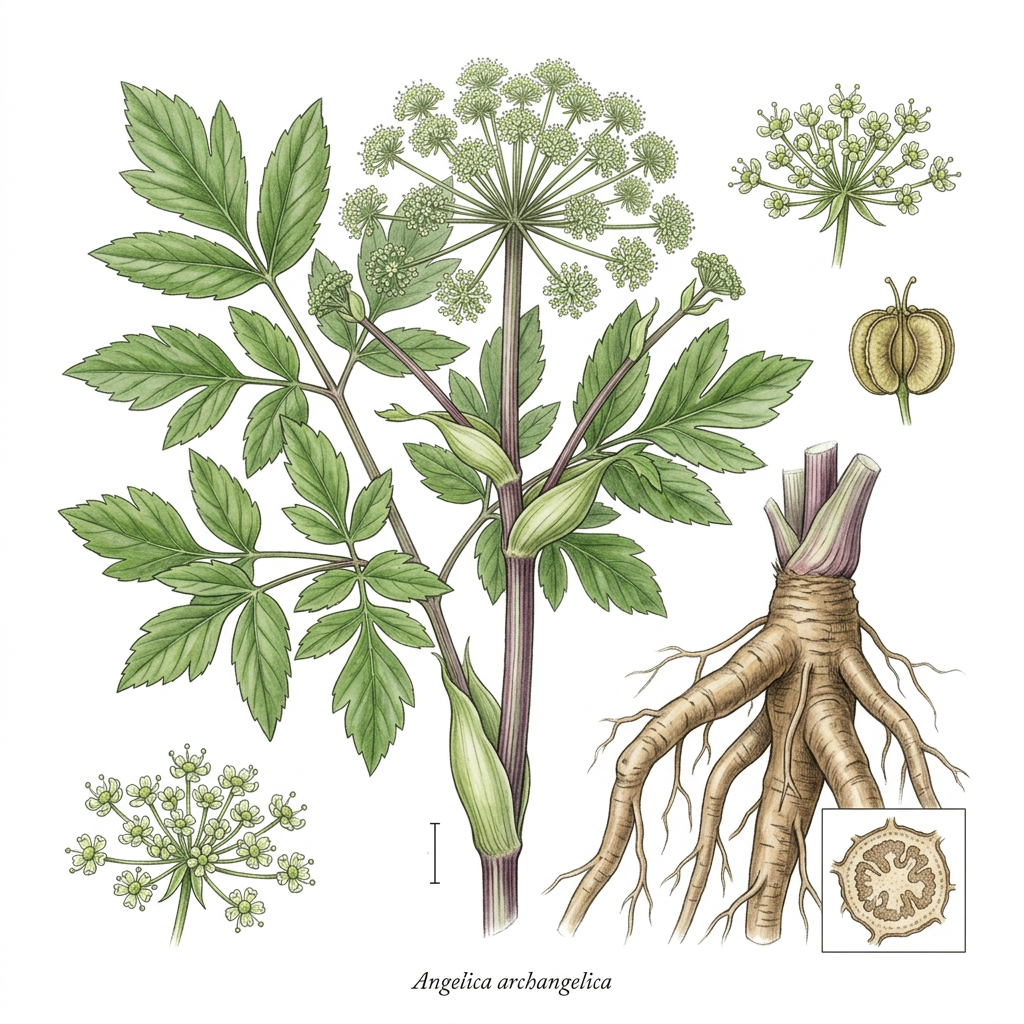
Angelica

Angelica

Angelica archangelica

Circulatory Stimulant
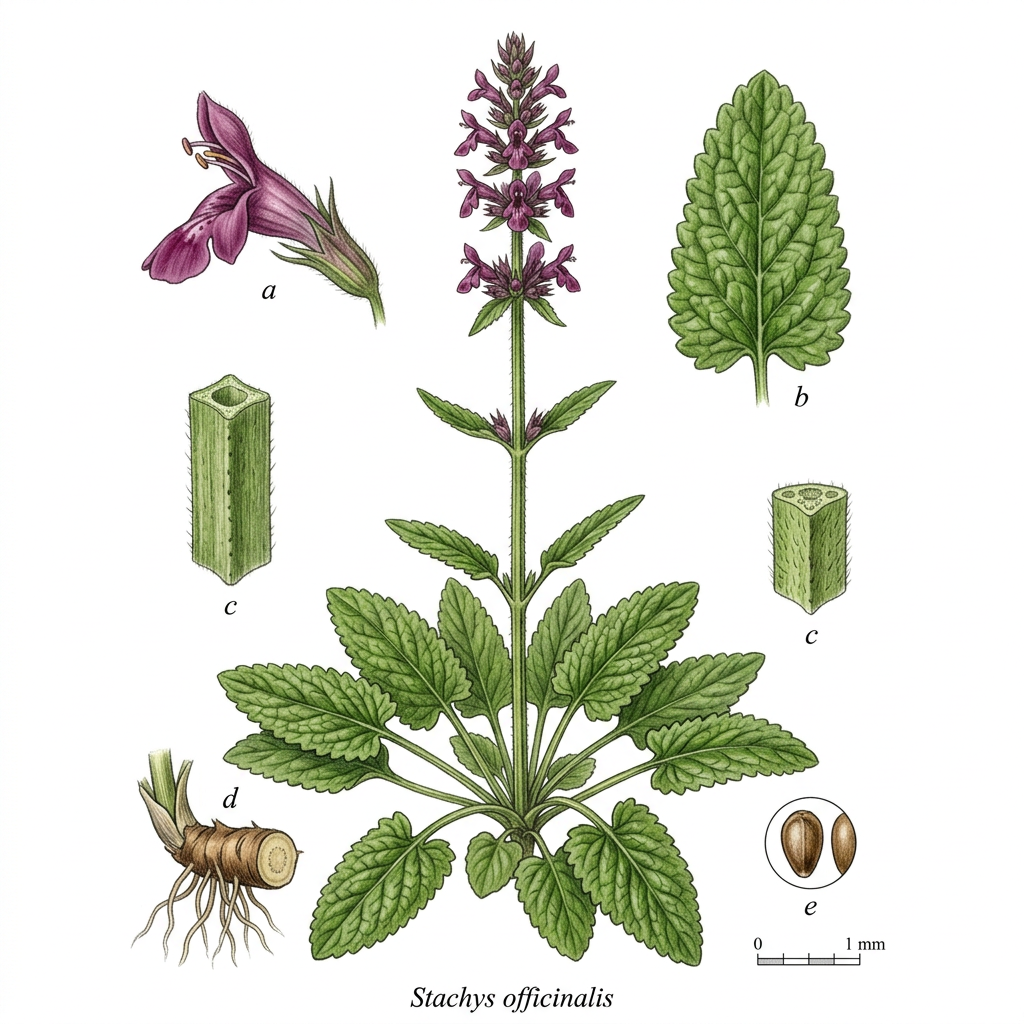
Betony

Betony

Stachys officinalis

Digestive aid
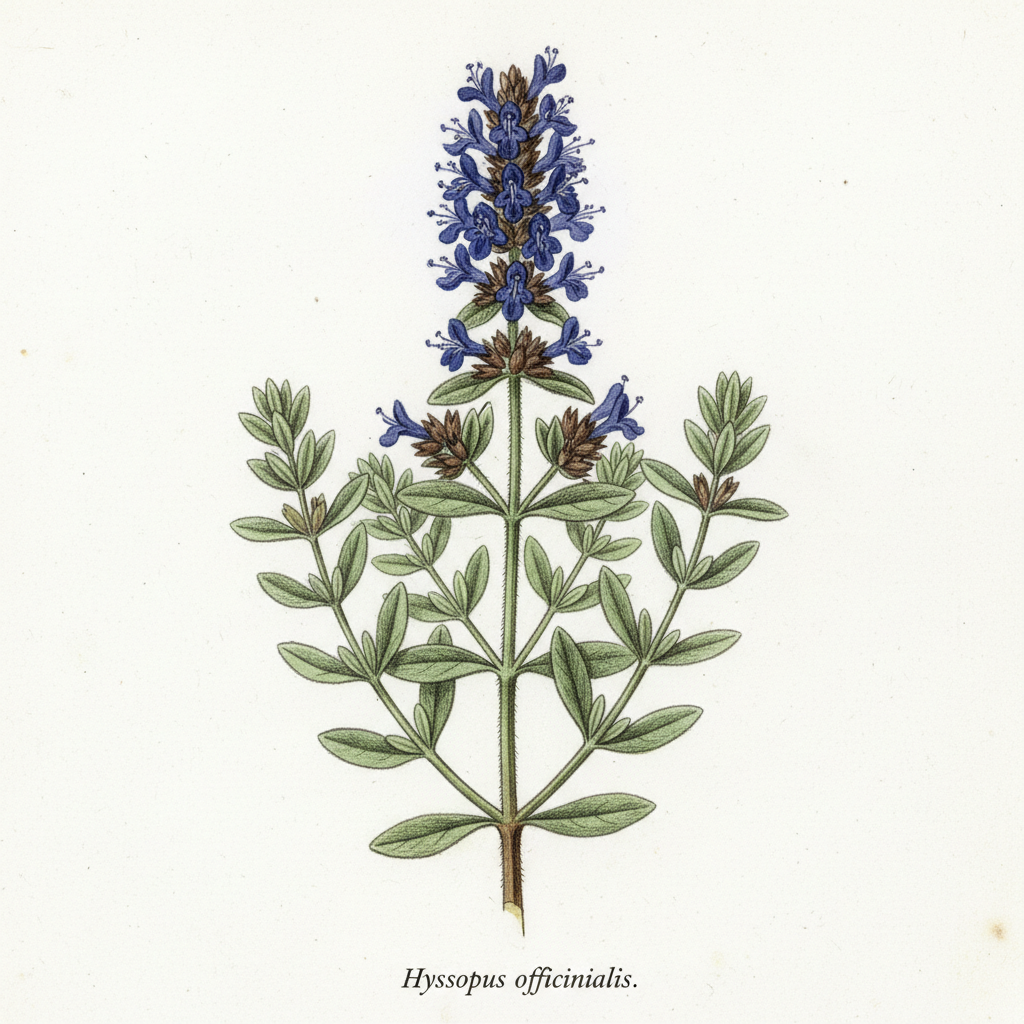
Hyssop

Hyssop

Hyssopus officinalis

Respiratory Support